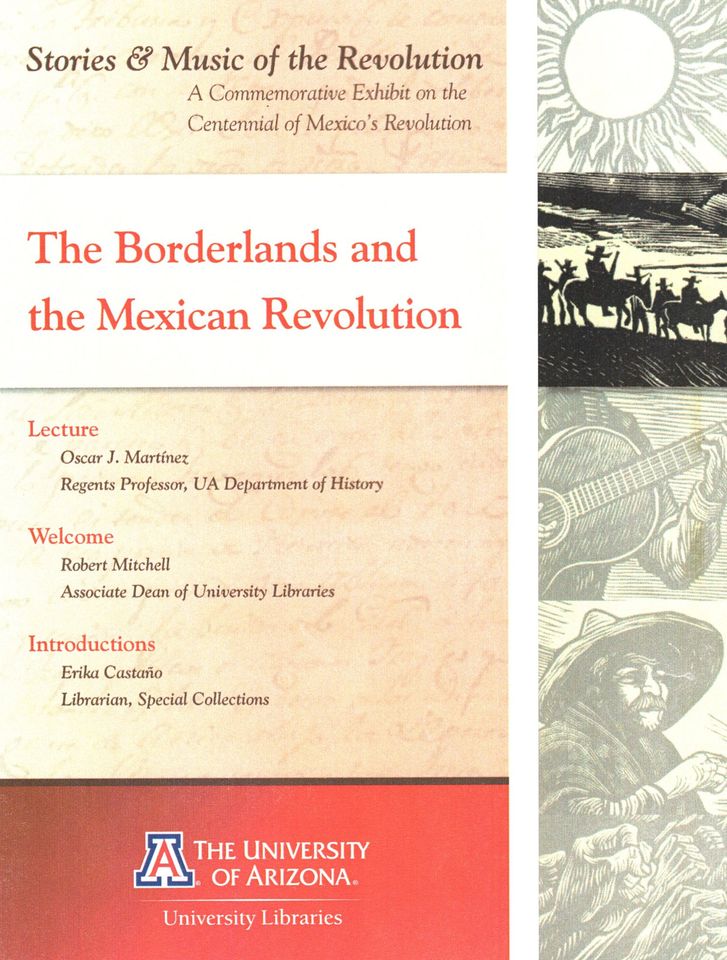
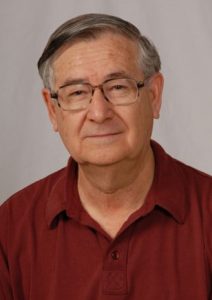
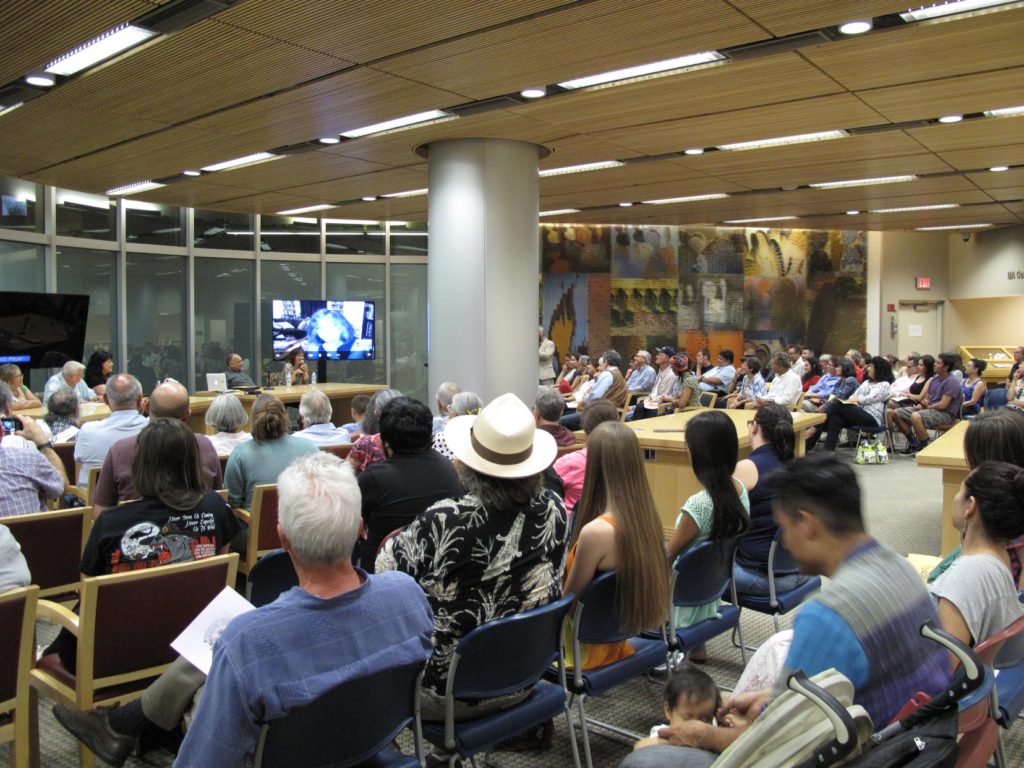
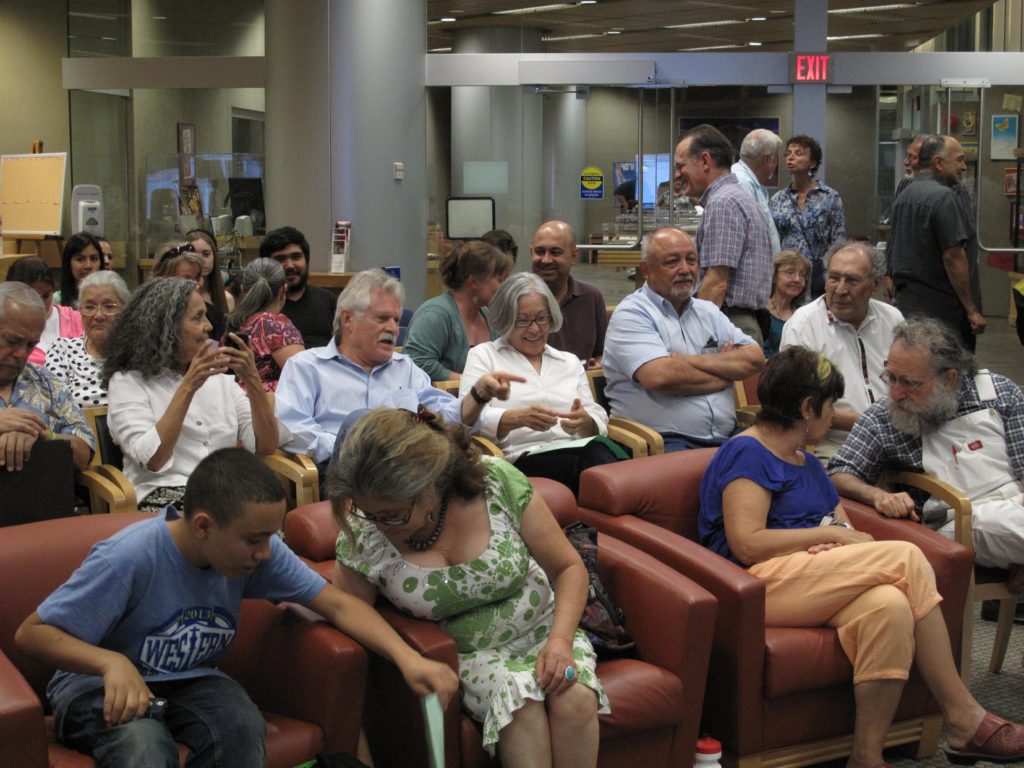
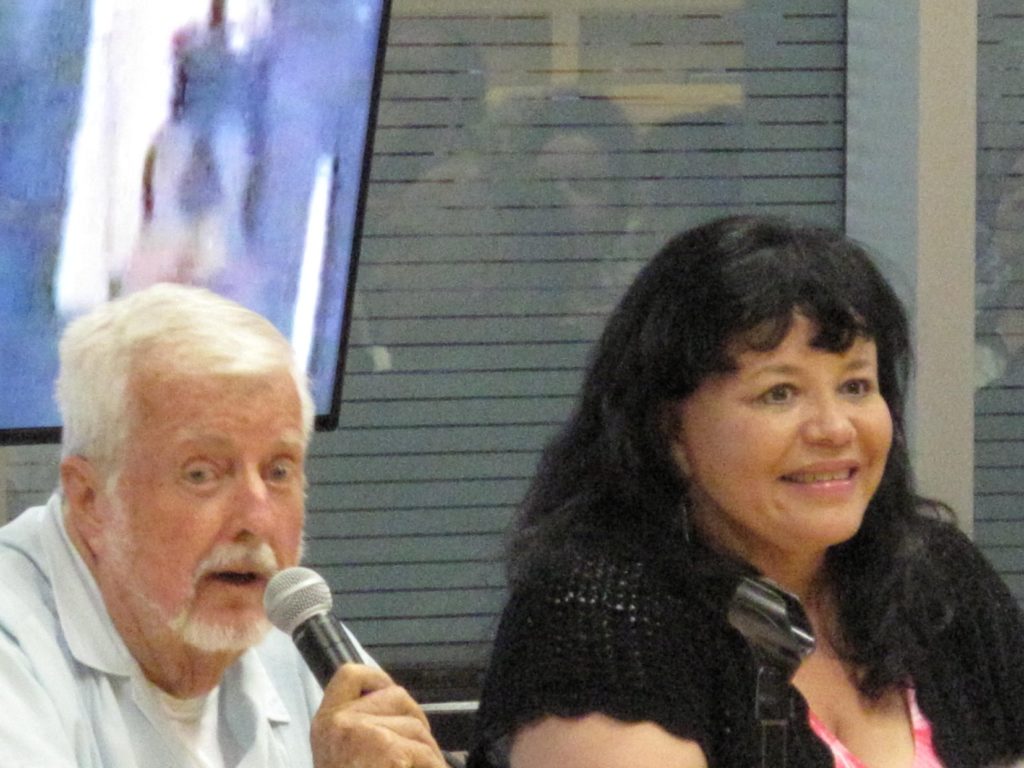
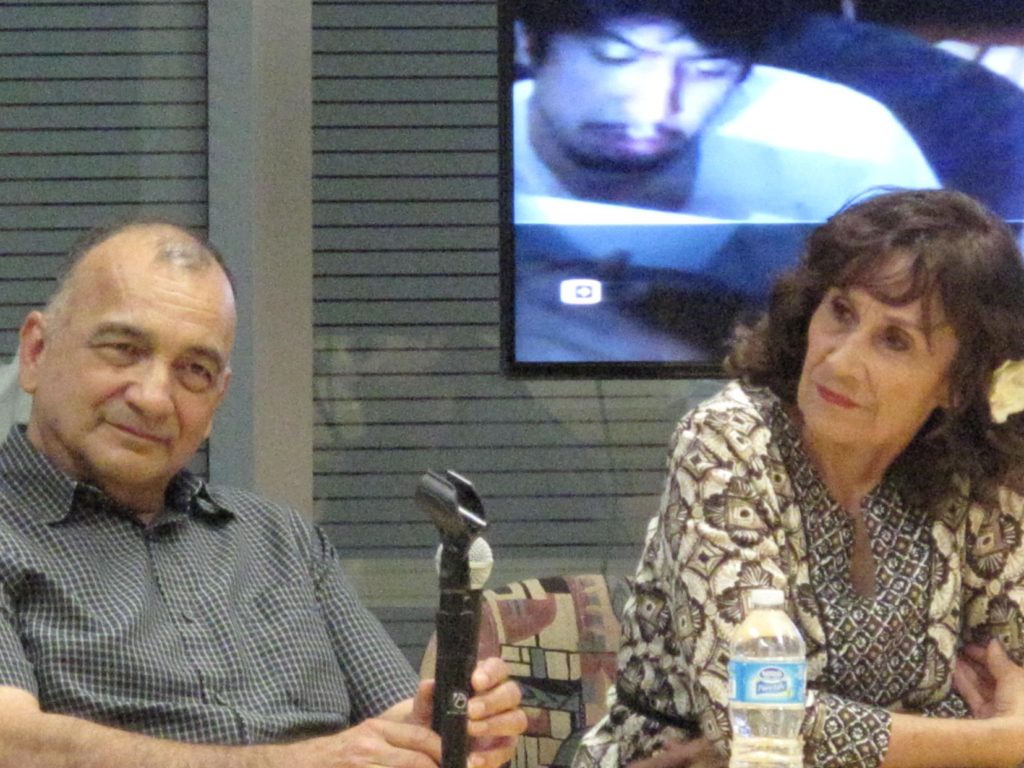
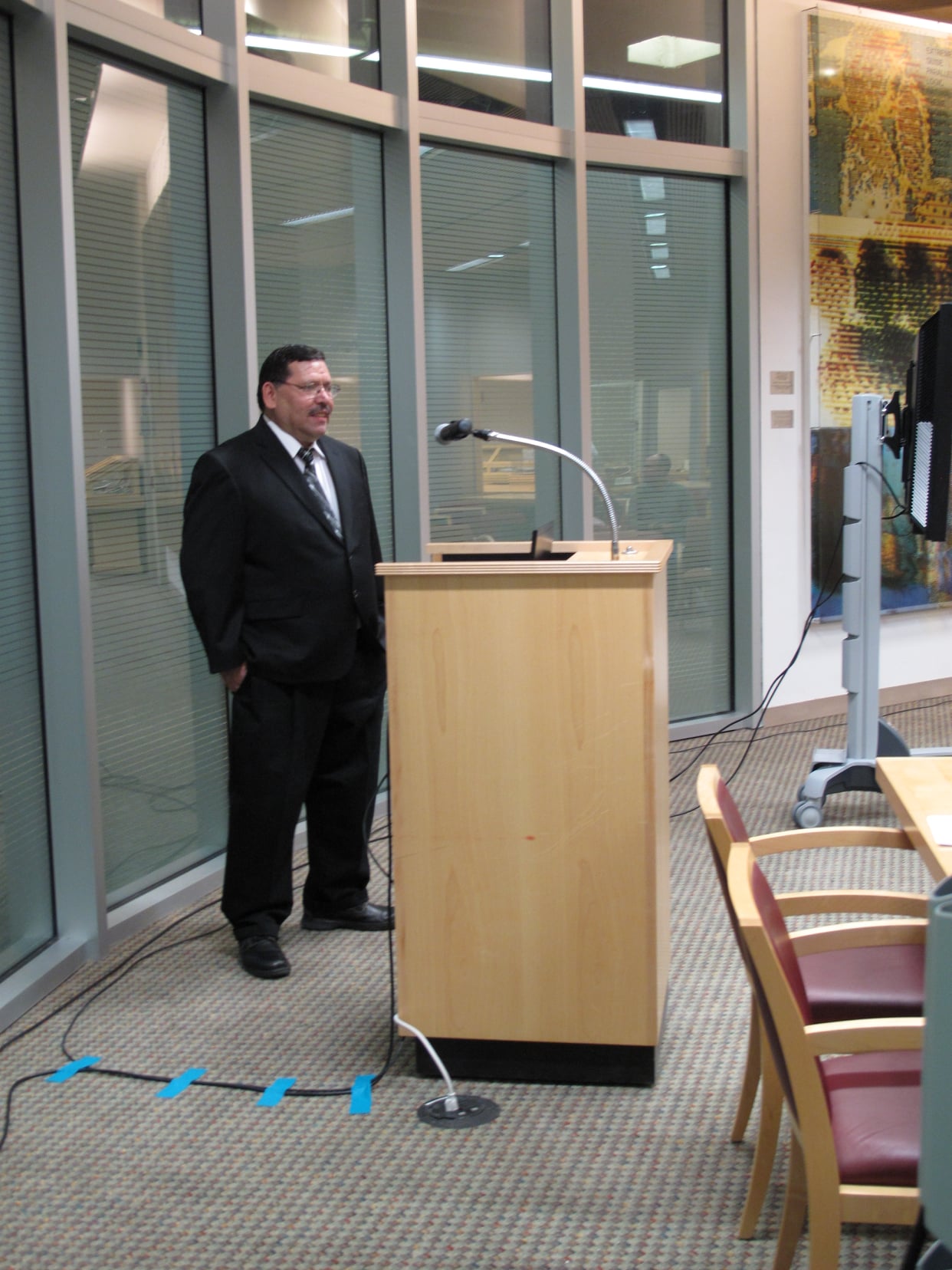
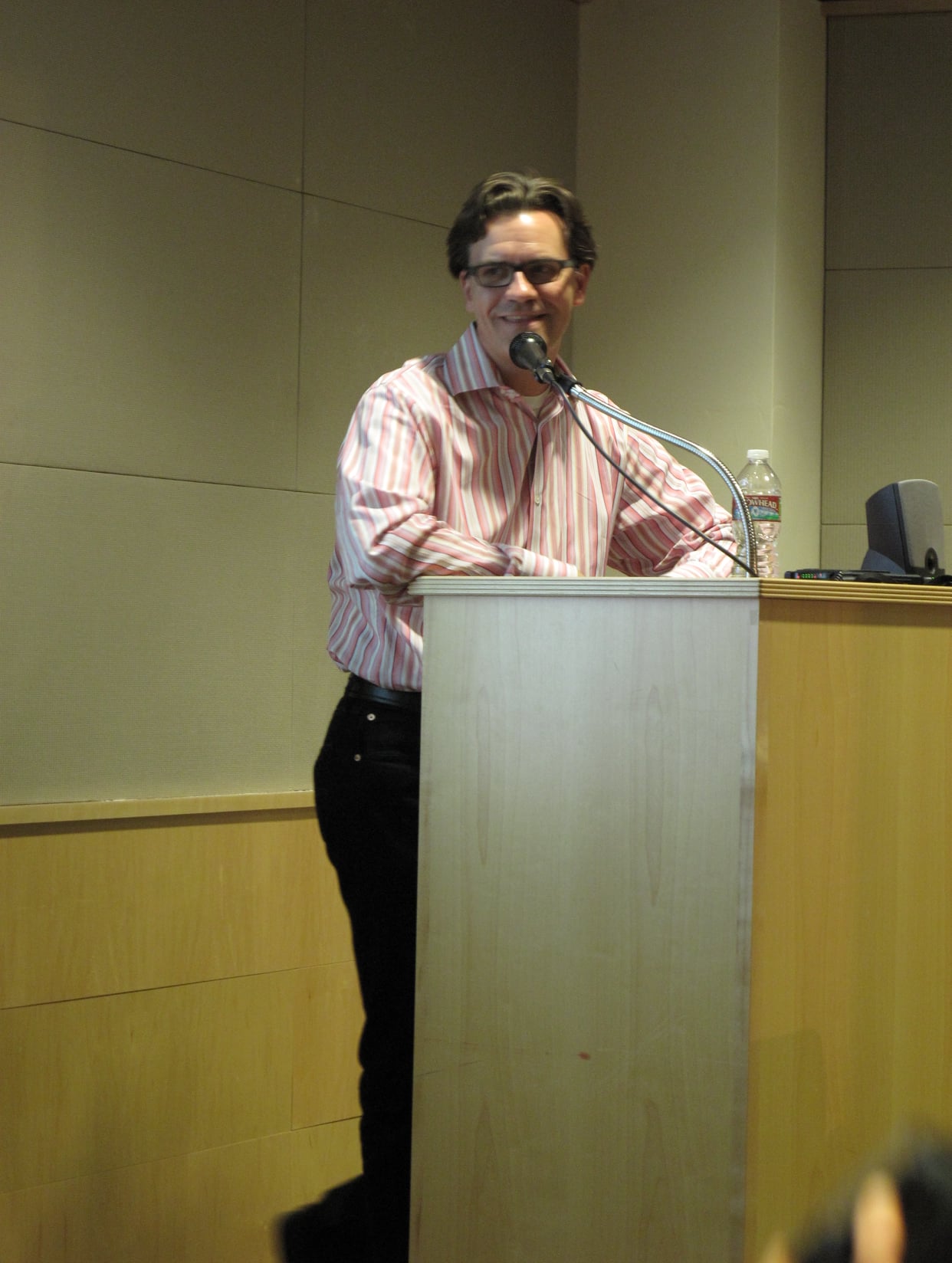
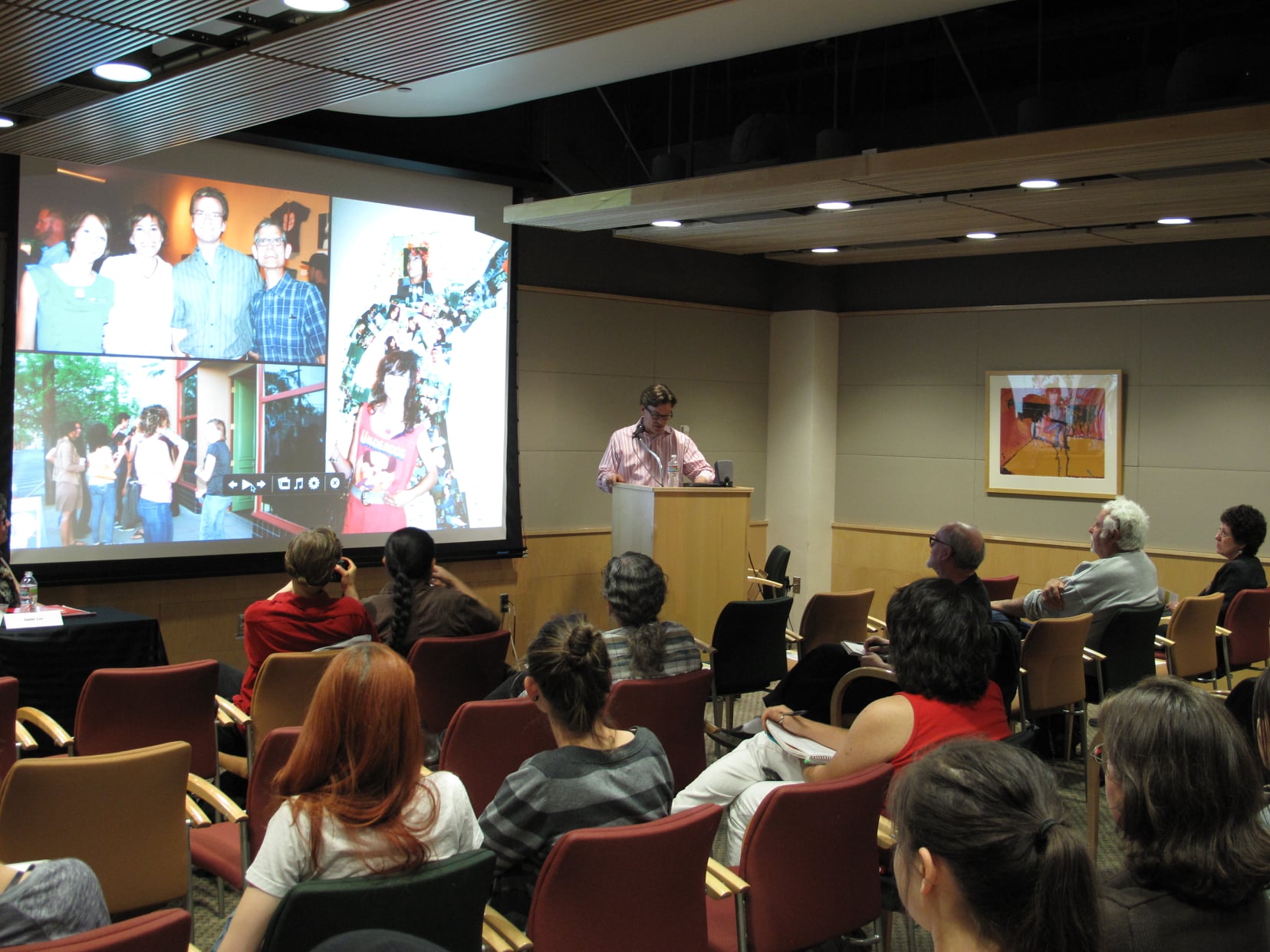
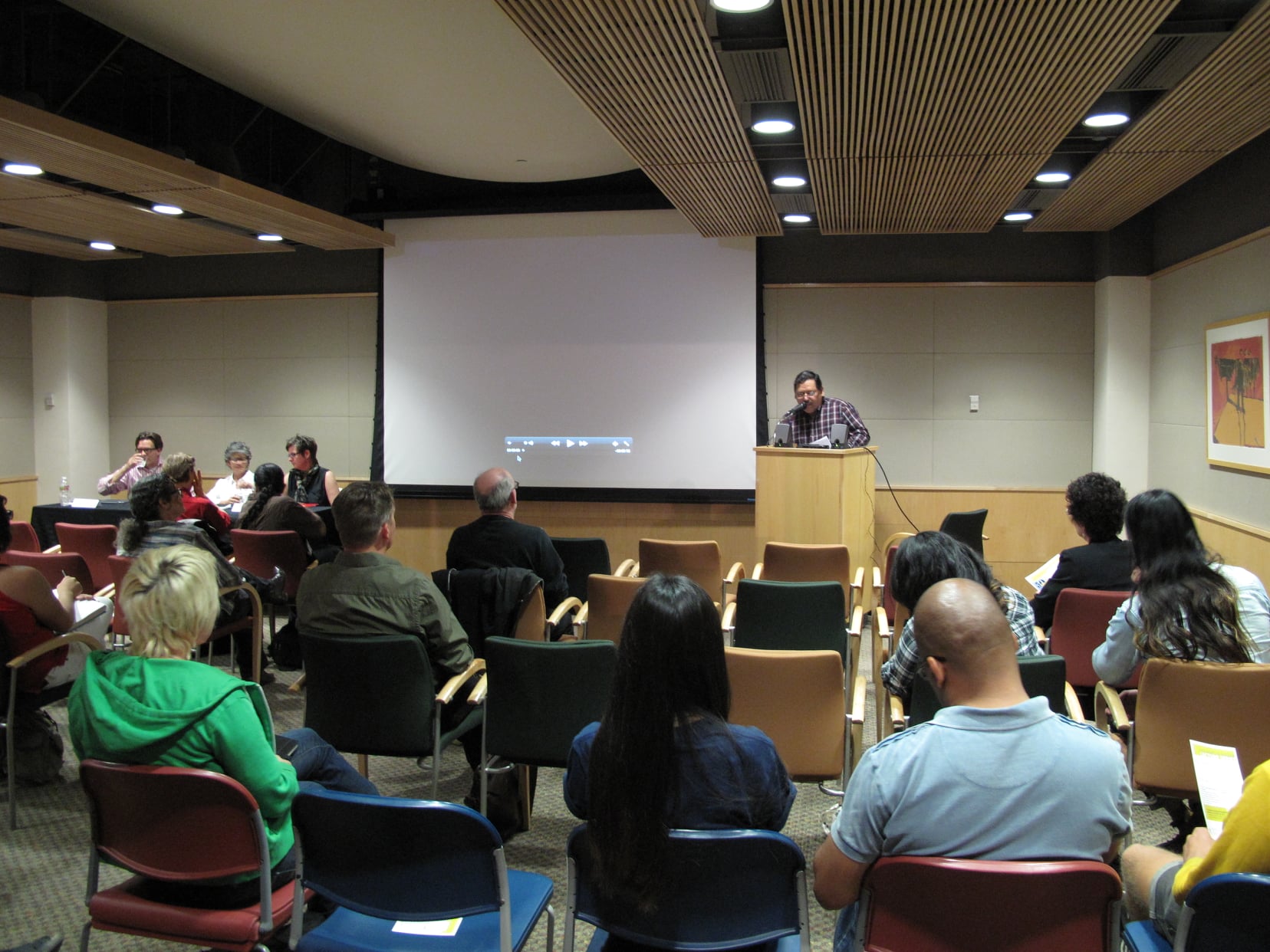
Oscar J. Martinez, PhD, received his doctorate in history from the University of California, Los Angeles. His research focus is on the political, economic and social history of the U.S.-Mexico borderlands, and he examines broad themes such as the evolution of the Mexican northern frontier cities, the Mexican Revolution along the border, and borderlands culture. He is the author of several books, including “Troublesome Border” and “Fragments of the Mexican Revolution: Personal Accounts from the Border”. His most recent book, “Why Mexico is Poorer than the United States”, is an examination of economic development in Mexico as contrasted to that of the United States. His lecture for this program assessed the role of the U.S. Mexico borderlands in the Mexican Revolution with an emphasis on controversies, disturbances, and battles that affected the history of Mexico and the United States.
Dr. Oscar J. Martinez, Regents Professor of History, The University of Arizona
Some works by Dr. Martinez: These titles link to the University of Arizona Library catalog.
The Mexican Revolution had a profound impact on the people of Mexico. In my own family, for example, my grandfather Antonio Diaz Palacios, a Spaniard who had migrated to Mexico from Asturias at the turn of the century, was forced to flee Mexico when revolutionary forces overtook Zacatecas in 1914. He and his wife Zeferina Torres, a native of Zacatecas, and their infant son, Raul, made their way north to Arizona and settled first in Ray, Arizona, and then moved up to the Verde Valley region of the state, where they resided for many years. Another relative, Raul Rascon, my mom’s tio and mayor of San Miguel Horcasitas, Sonora was hanged shortly after the revolution, during the Cristero rebellion, or so I’ve been told.
I’ve always been fascinated by the stories my father told me about my grandfather Antonio and what happened to him in Mexico, and as I grew older, I became very interested in the history of Mexico, and quite fond of Mexican folk music, particularly the corridos of the Mexican Revolution. In time, my interest in the genre led me to acquire a sizeable collection of books and recordings, and I when I became the librarian for music, dance and theater in 2000, I used my budding expertise to enhance the collections in the Fine Arts Library, by purchasing for the collection sound recordings, films, books and scores that featured the corrido and other forms of Mexican music. I also made sure to showcase this music on my radio show on KXCI on a regular basis.
“Stories and Music of the Revolution” was the first project where I worked with Special Collections staff to produce an exhibit and corresponding programming. I had not joined the department yet, as I was still a member of the Research Support Services team. I was invited to co-curate this exhibit with Veronica Reyes-Escudero and was responsible for coordinating two of the 5 programs held in conjunction with the exhibit. I was offered a transfer to Special Collections the following year, and accepted it. The success of this exhibit and these events, in my opinion, helped me get the new gig as coordinator of exhibits and events in Special Collections, but who knows for sure? After 12 years at the Fine Arts Library, it was a welcomed change.
The above program was designed by Marty Taylor, the Library’s graphic artist.
Video promo by UA News, an interview with exhibition co-curator, Bob Diaz.
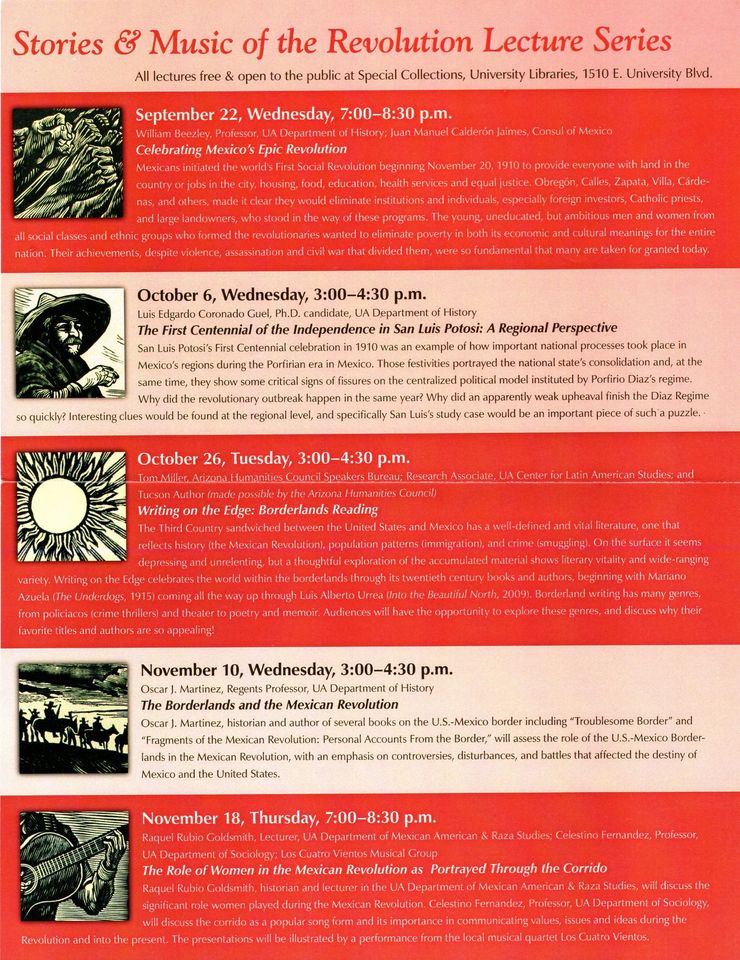
Lectures Series brochure
Photos of the exhibit:
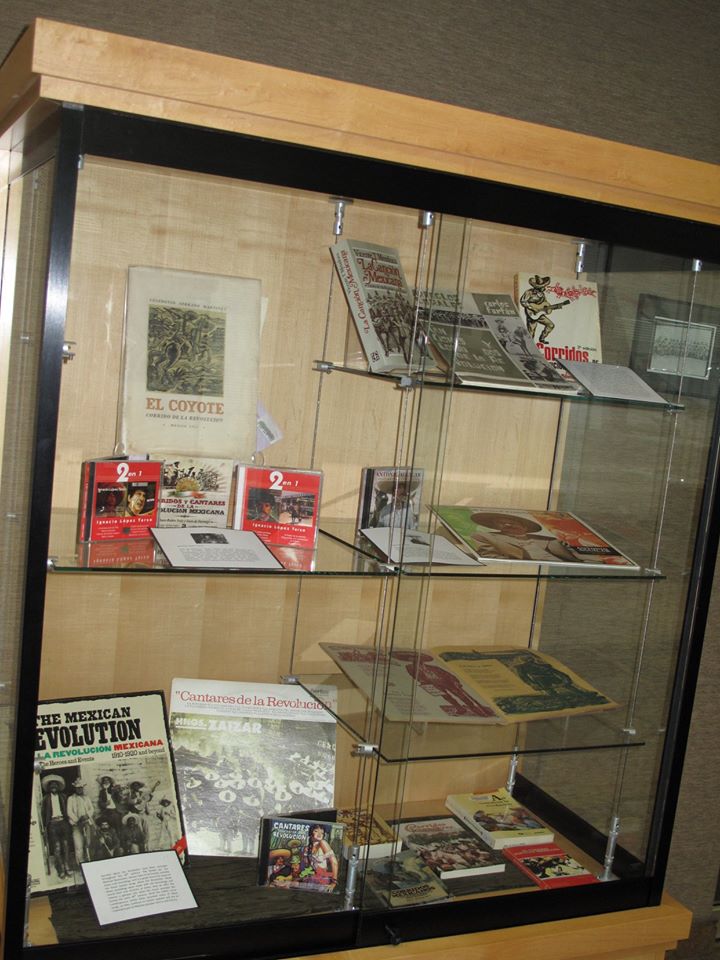
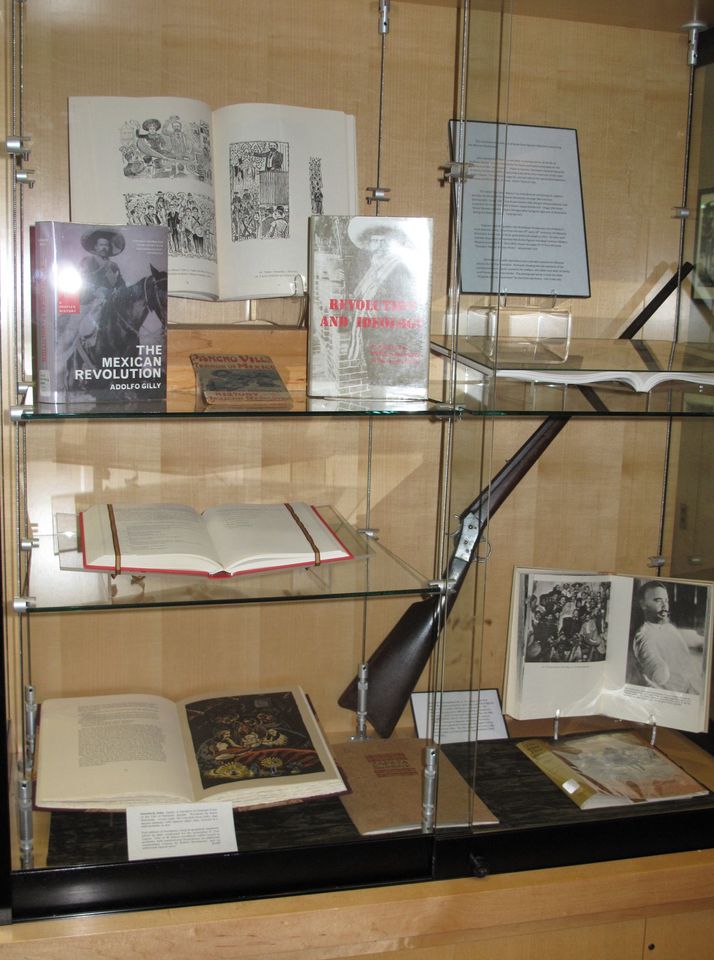
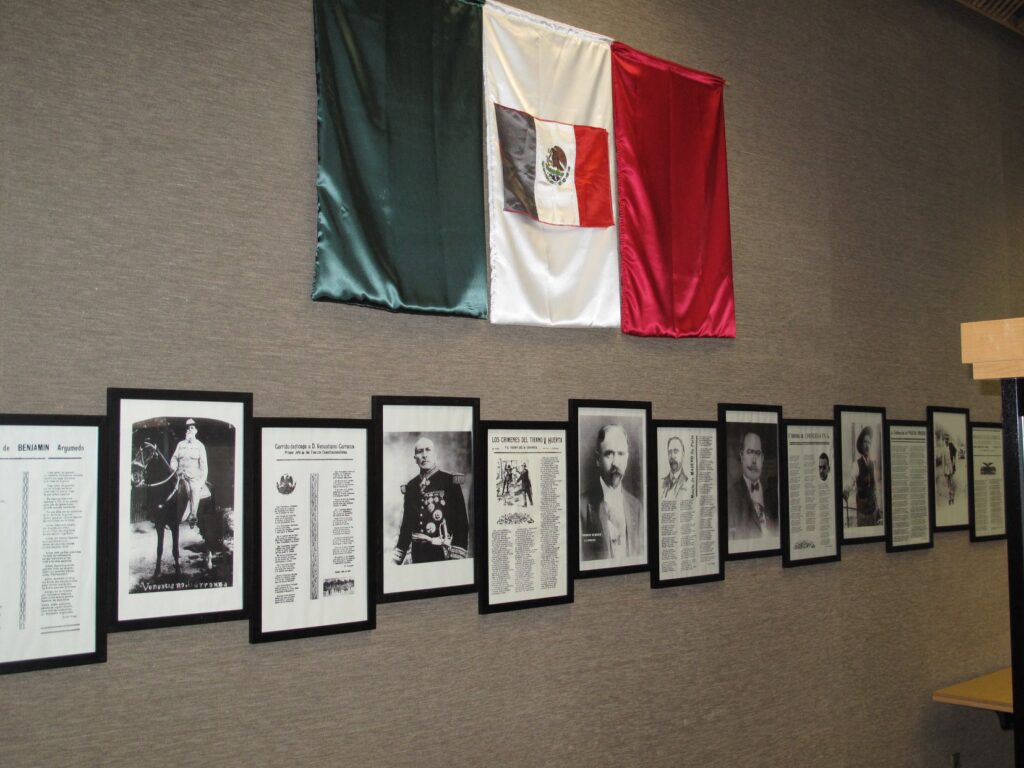
Below is a sampling of photos taken of the exhibit. My sections of the exhibit were focused on the Mexican corrido.
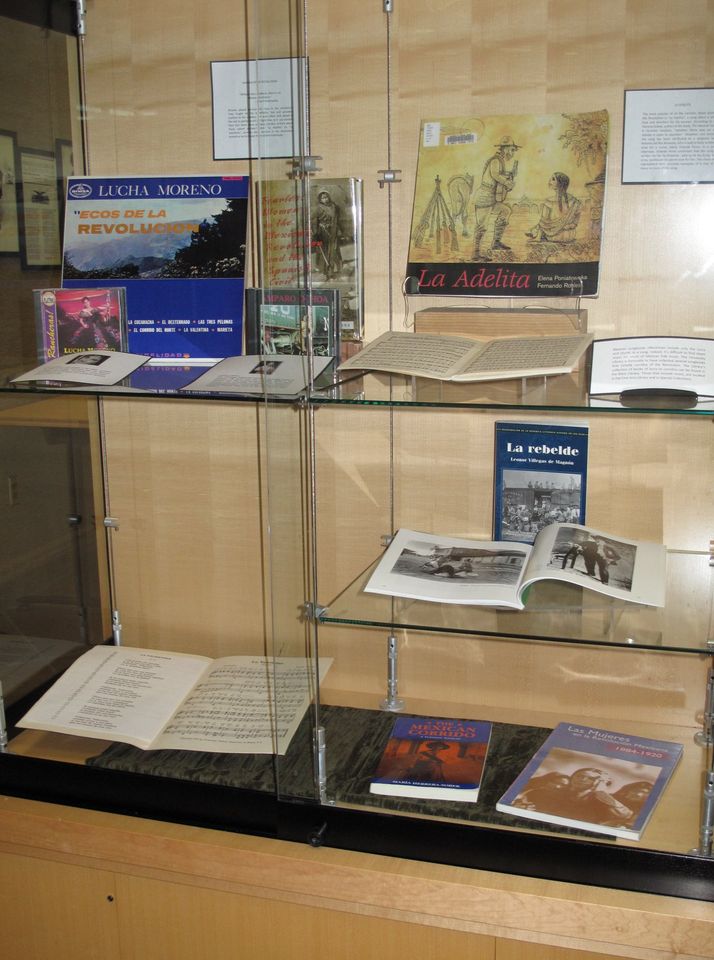
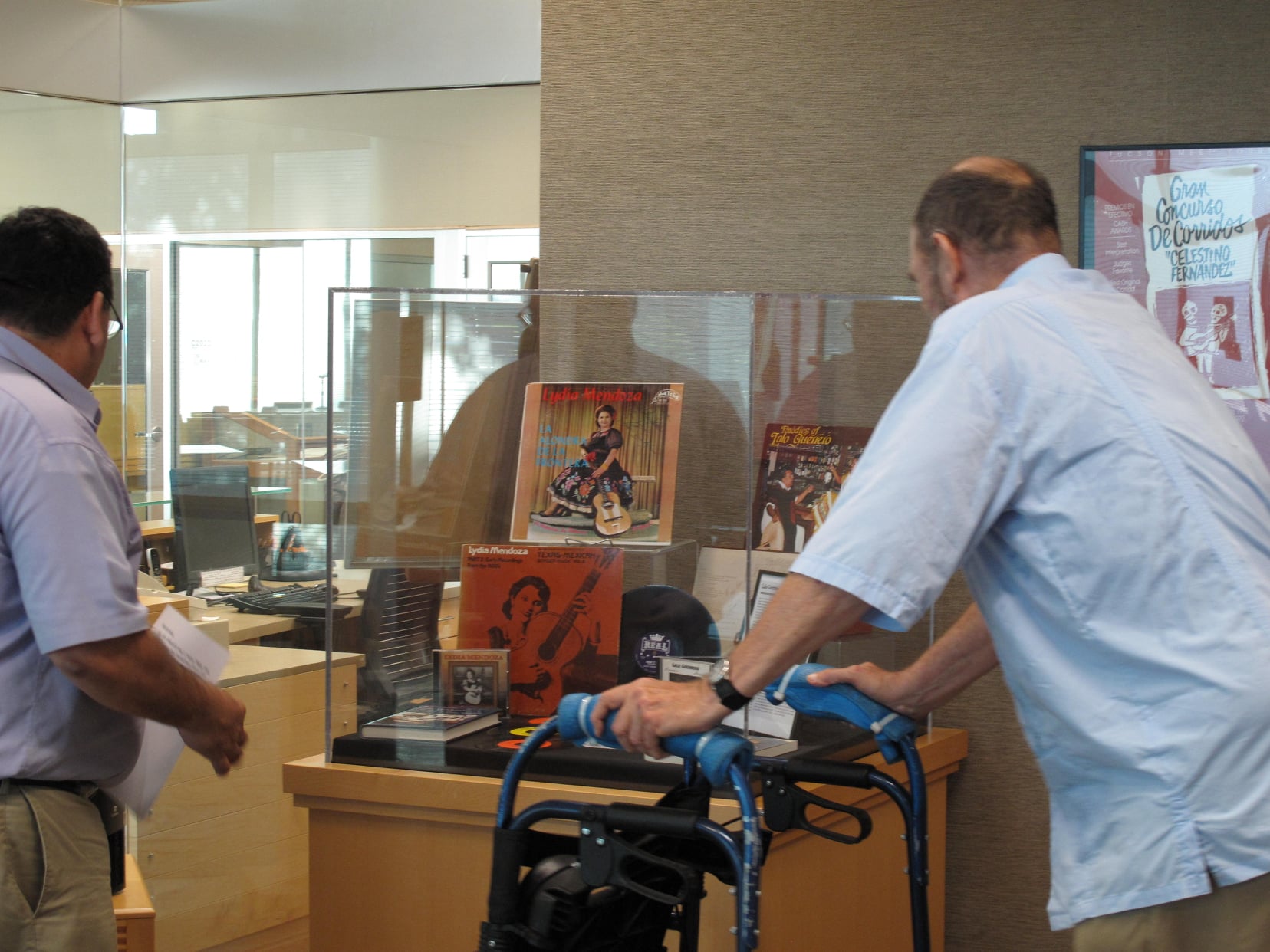
Sound recordings from my personal collection, plus broadsides and books from Special Collections.
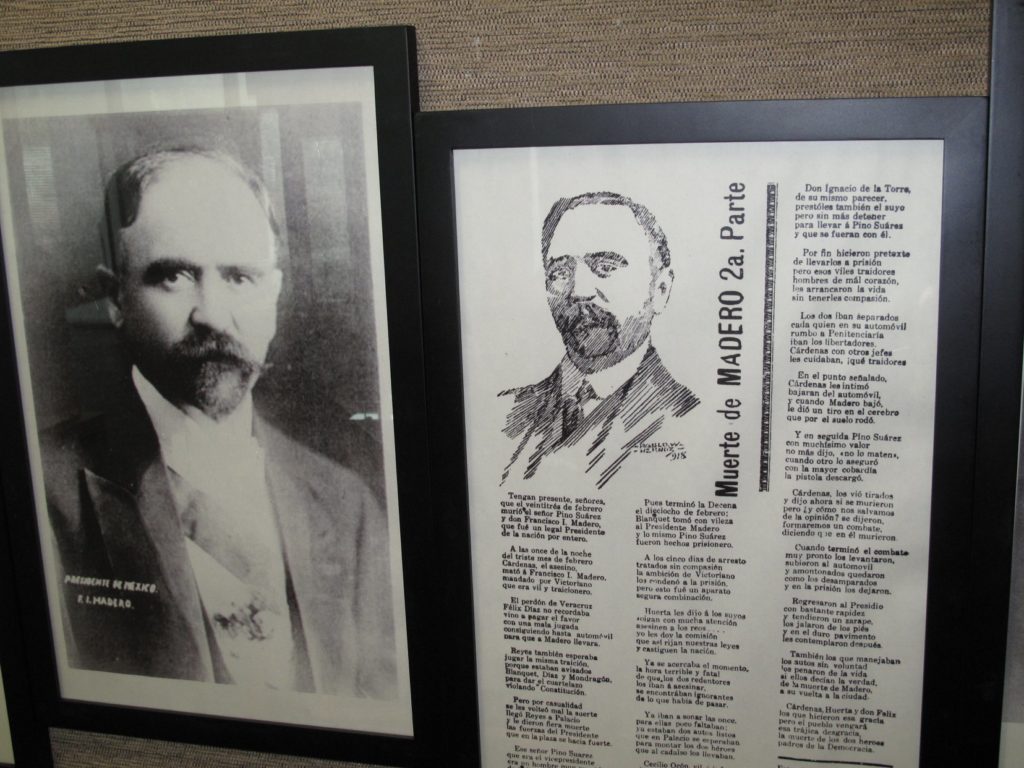
Portrait of Francisco Madero and the corrido “La Muerte de Madero, part 2.
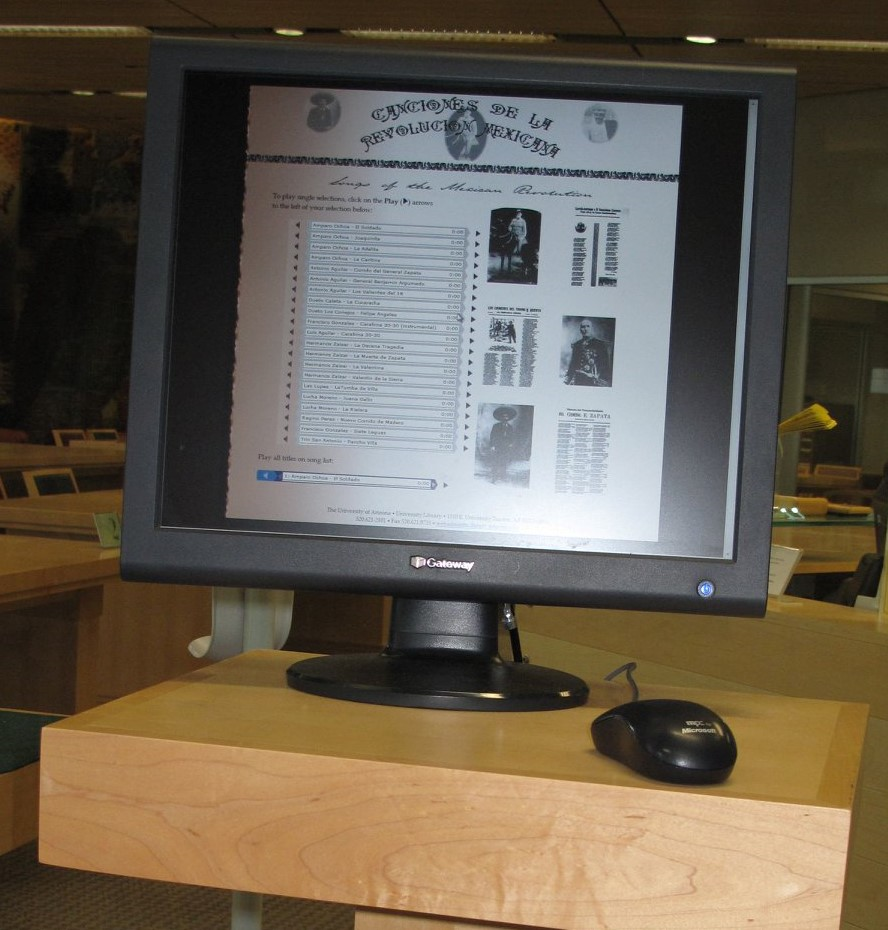
Listening station, corridos of the Revolution.
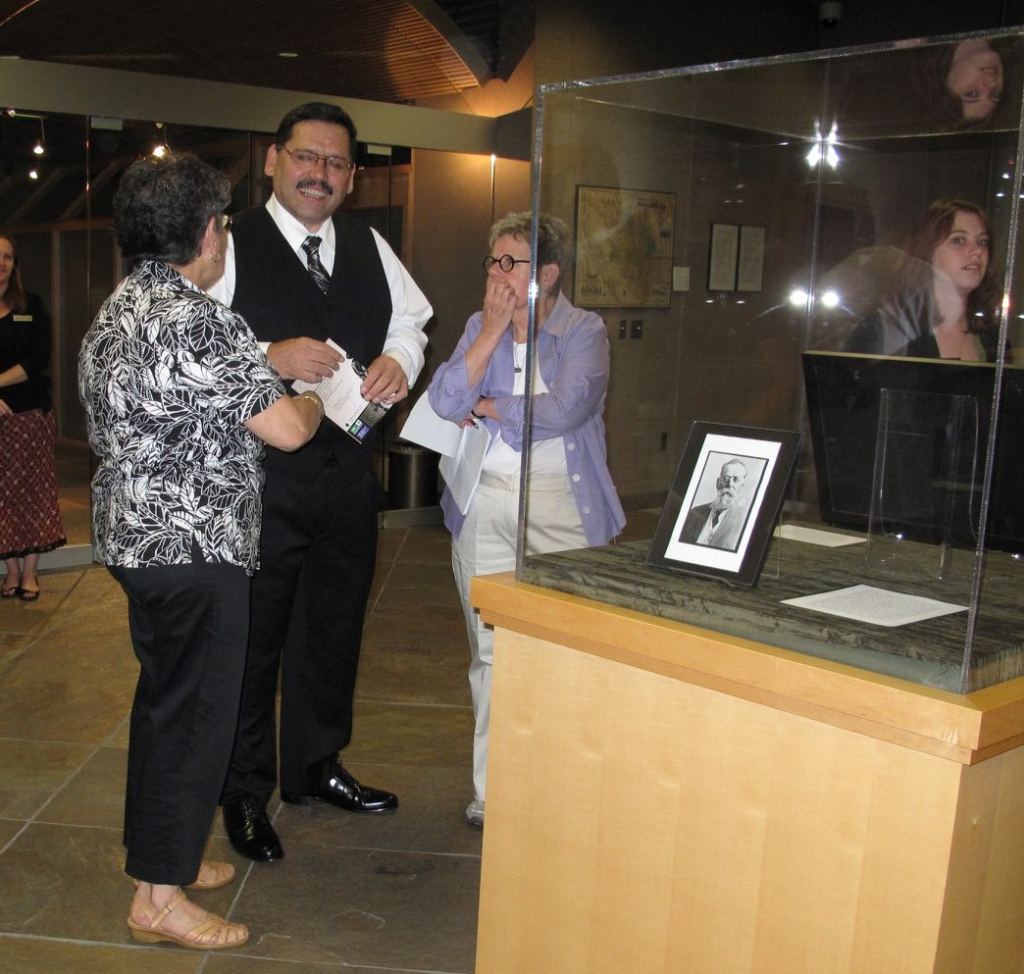
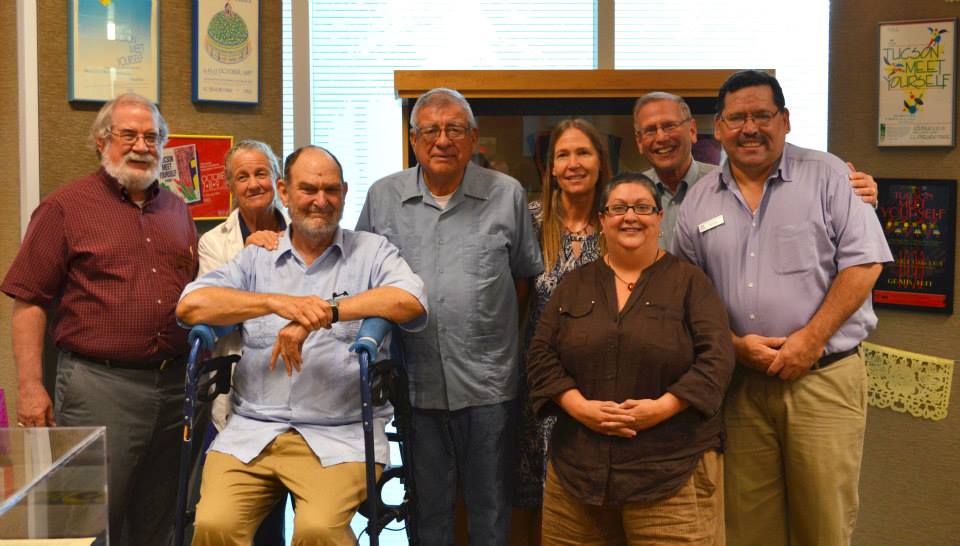
Yours truly discussing the exhibit with Carla Stoffle, Dean of the Libraries and a visitor.
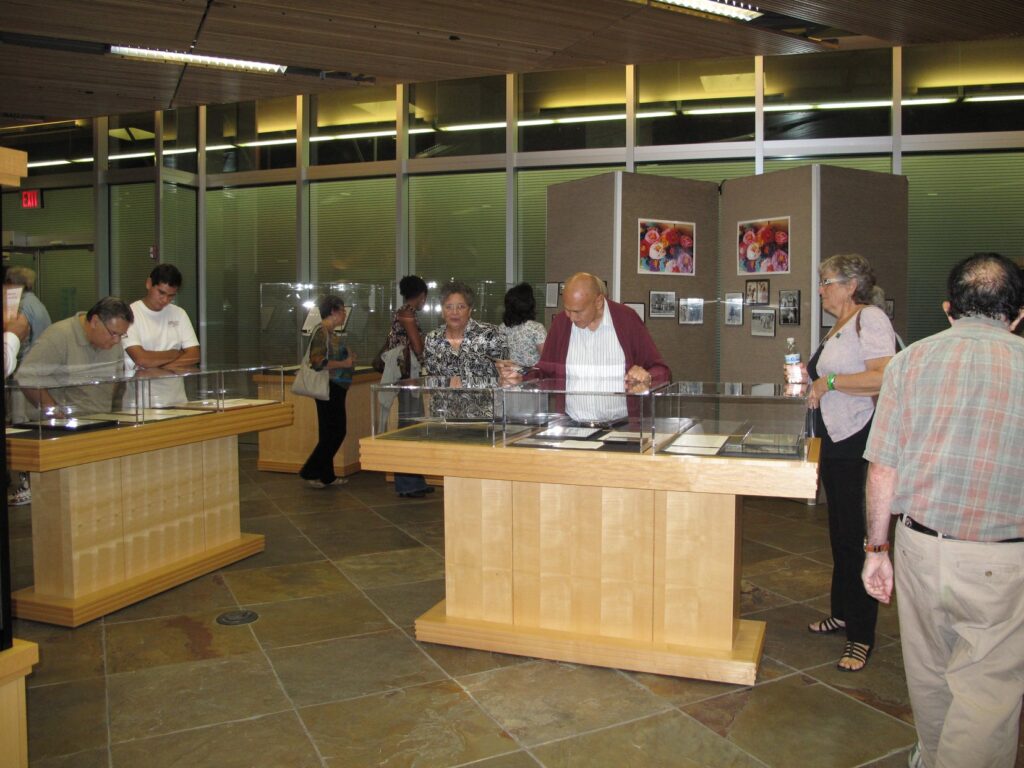
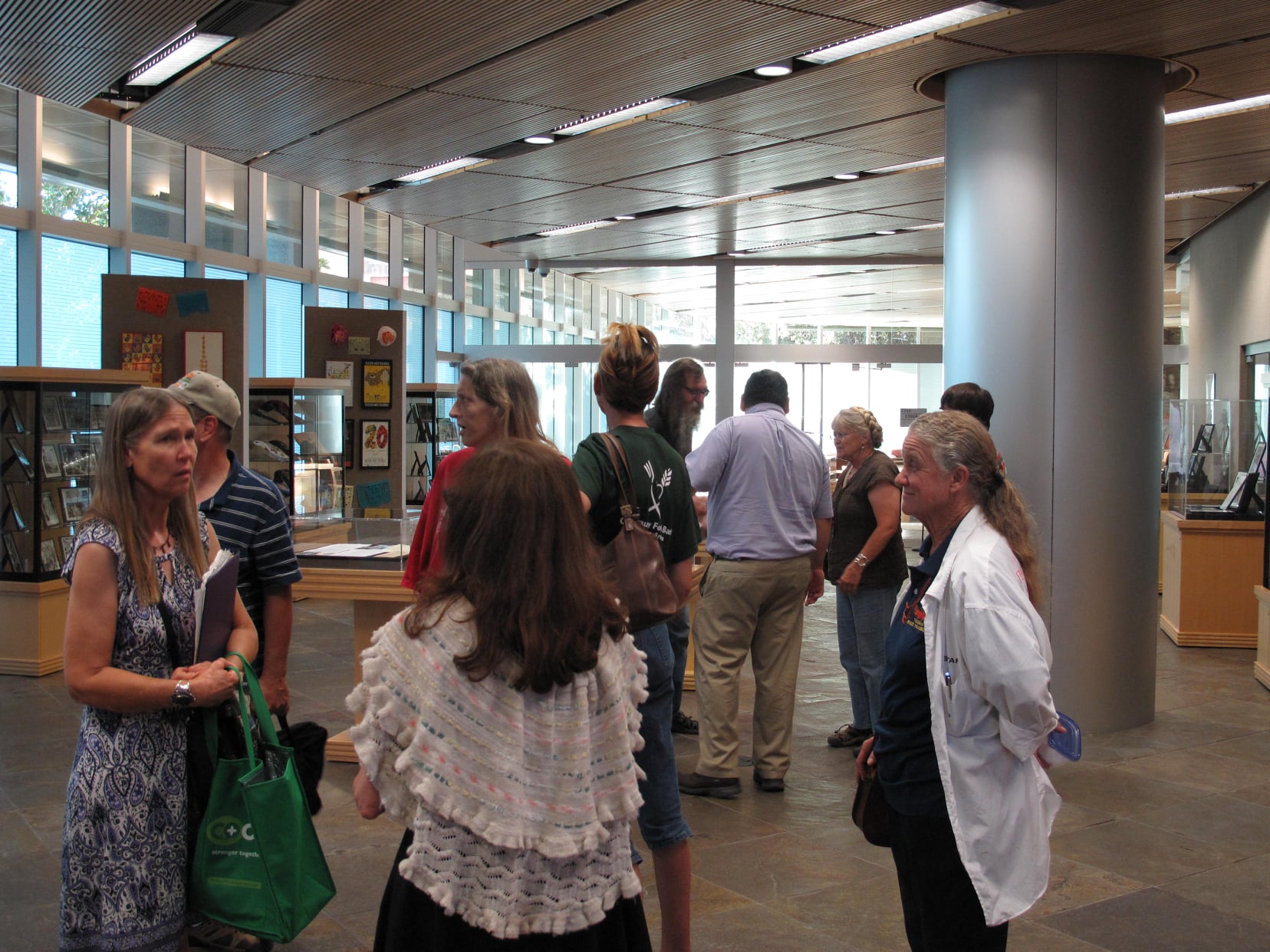
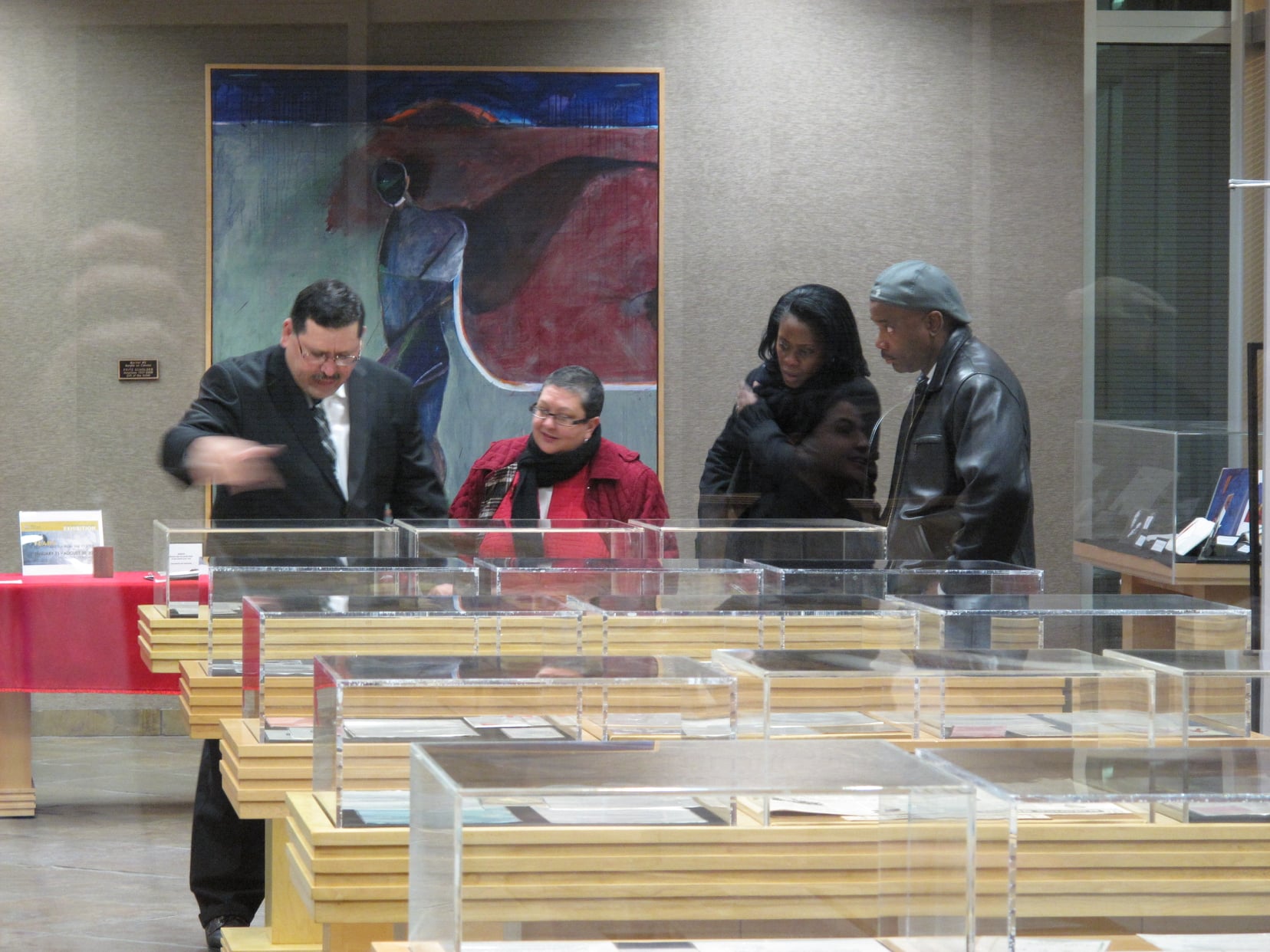
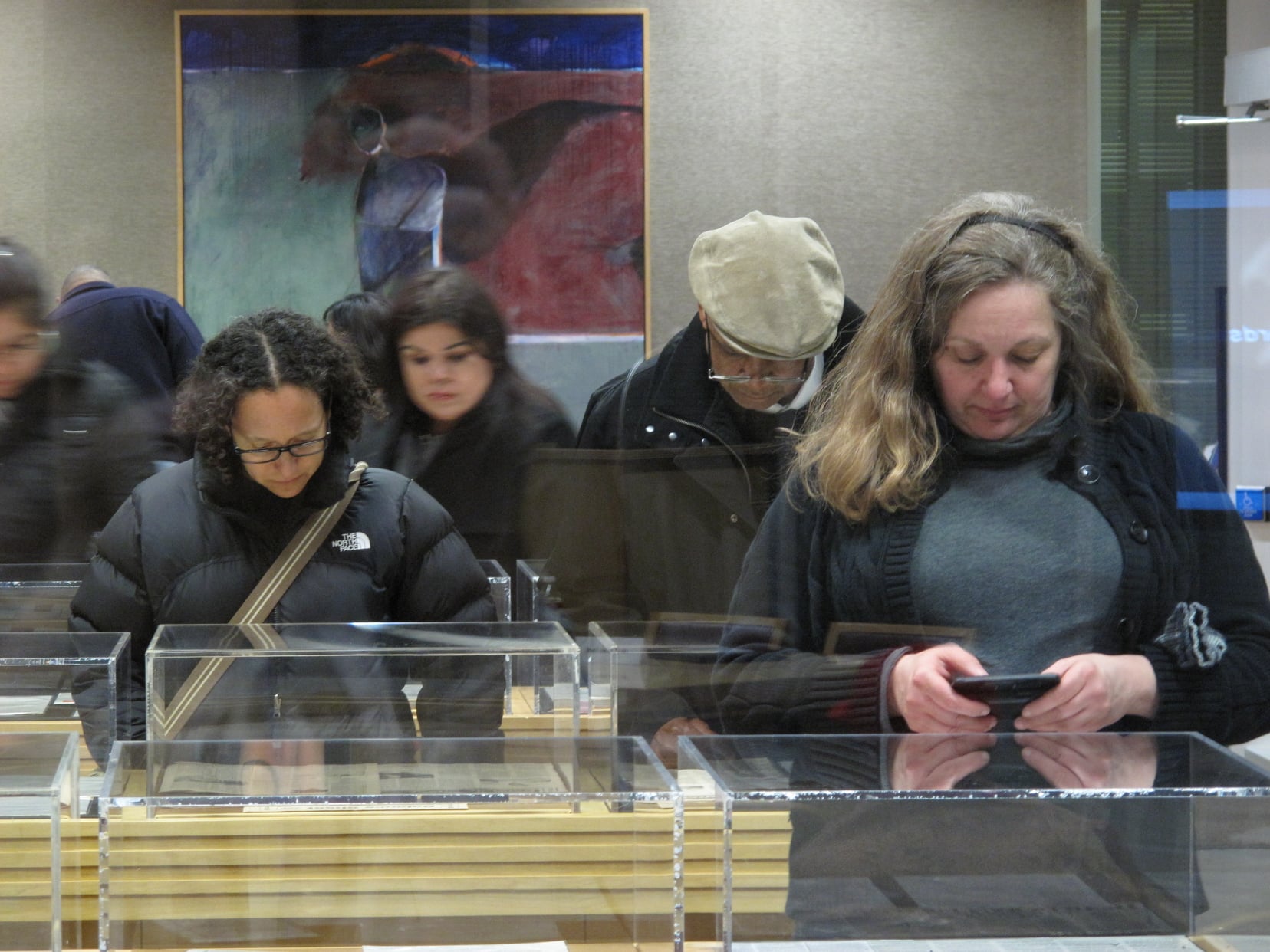
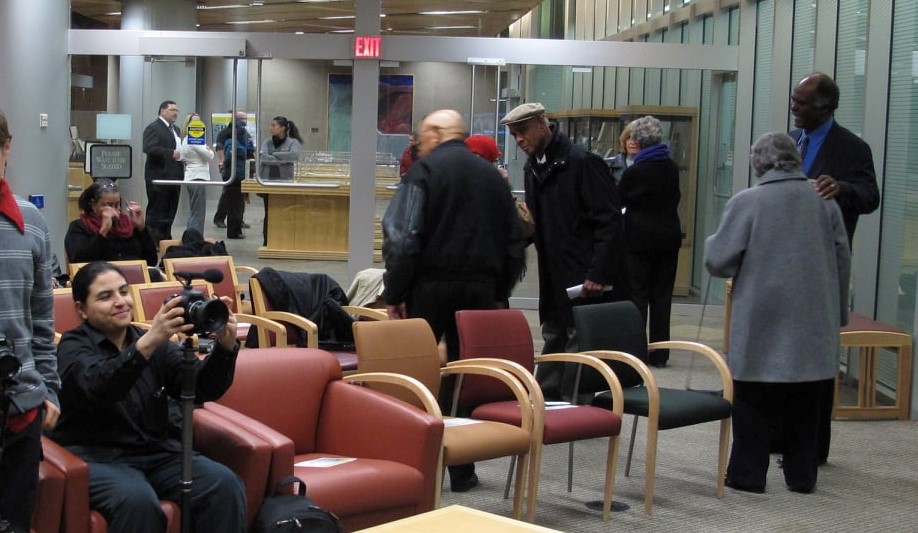
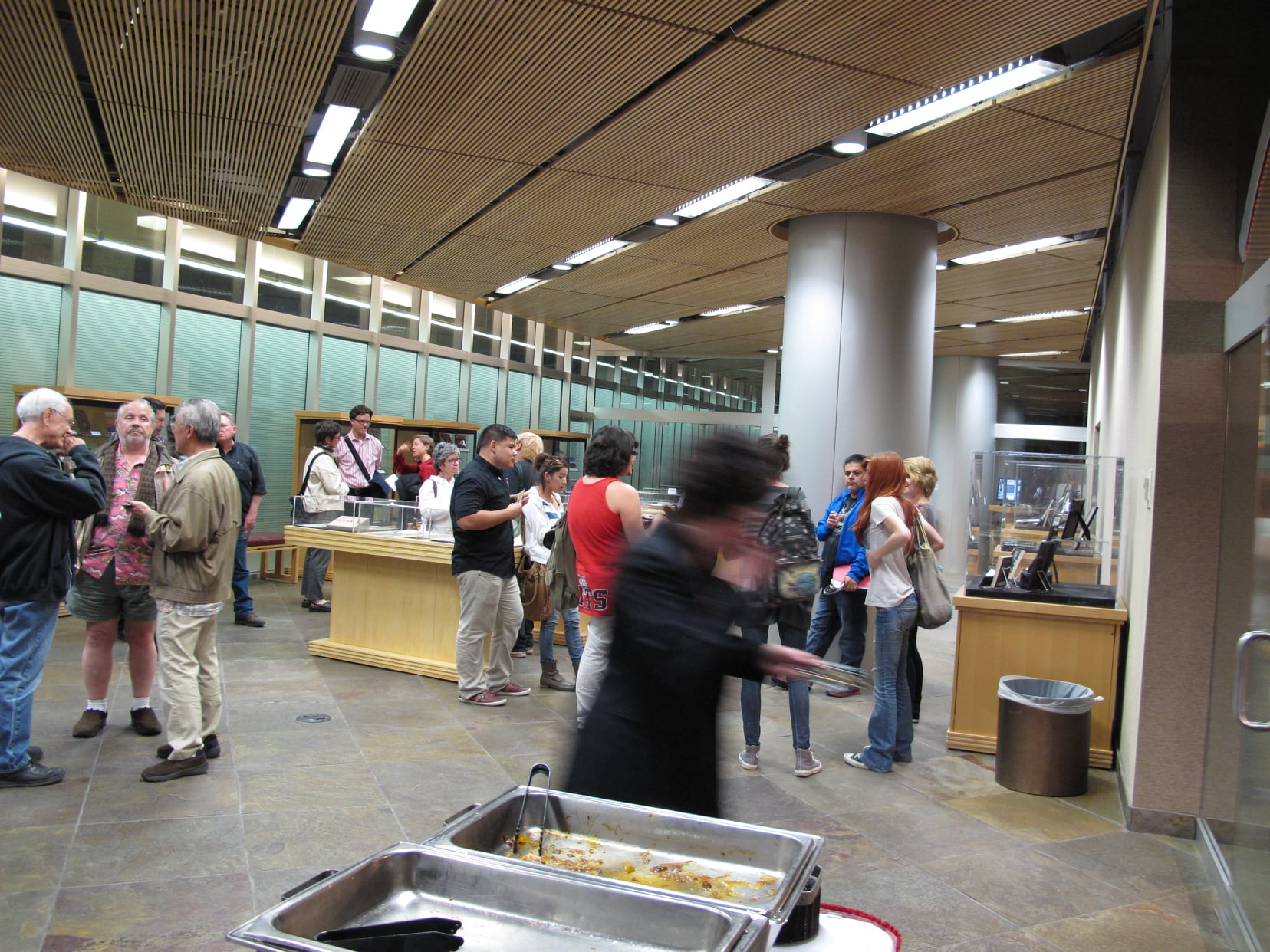
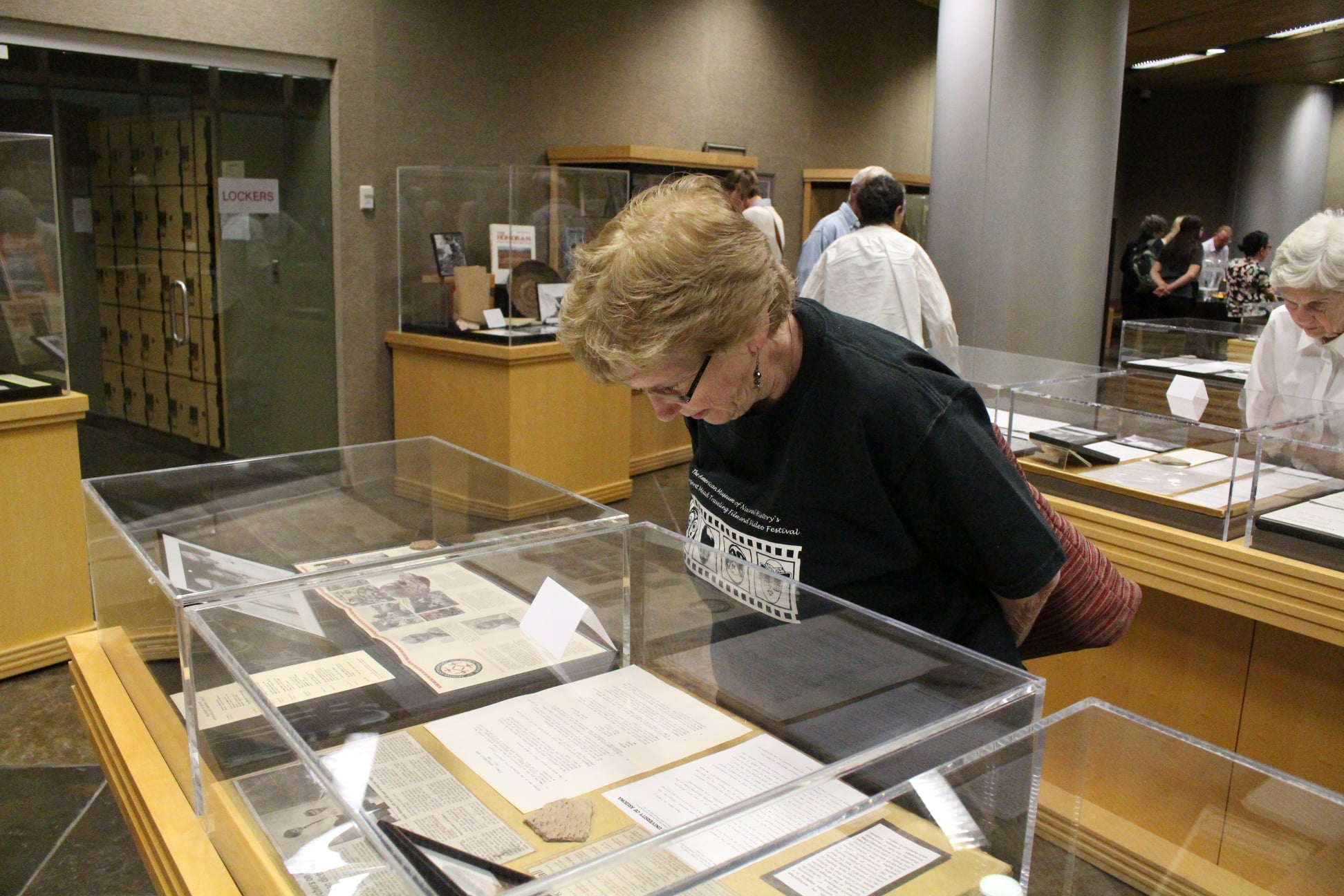
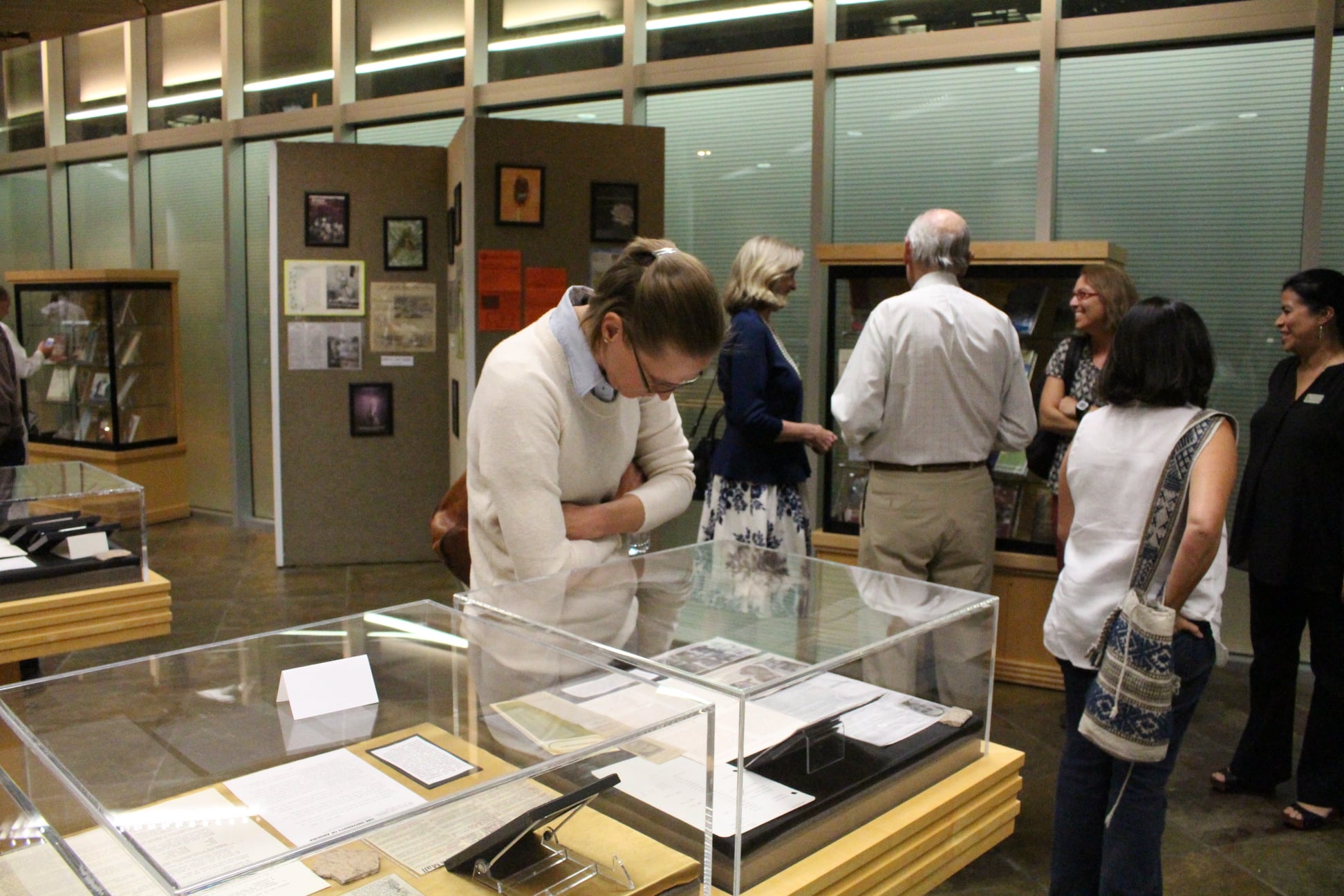
Visitors viewing the exhibit on opening night.
Press coverage:
UA NEWS STORY
Special Collections Brings Mexican Revolution to Life
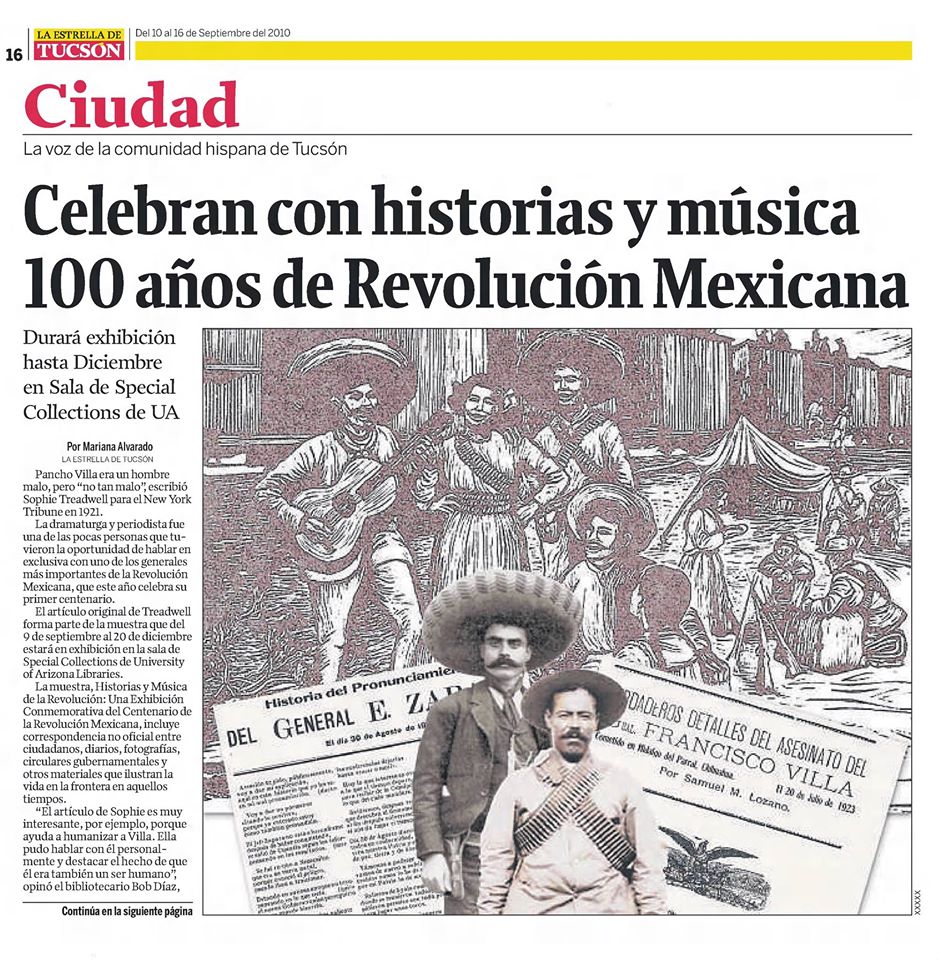
To commemorate the centennial of the Mexican Revolution, the Mexican Consulate in Tucson has collaborated with the UA to create an exhibit on the border experience during the revolution.
By Rebecca Ruiz-McGill, University Communications
Aug. 31, 2010
The Mexican Revolution of 1910 brought on a decade of unrest for people living on or near the border.
Songs, memoirs, journals and newspapers of the time talk of battles fought on both sides of the border, and families shared stories on how troops with various affiliations would seek food, refuge and water from ranchers, who in their best interest shared what they could with impartiality to sides.
This year, 2010, marks both Mexico’s bicentennial of independence from Spain in 1810 and the centennial of its revolution in 1910. To commemorate, the Mexican Consulate in Tucson has collaborated with the University of Arizona to create an exhibit on the border experience during the revolution.
A partnership between fine arts librarian Bob Diaz and Special Collections librarian Veronica Reyes brings the revolution to life. The exhibit features unofficial correspondence among citizens, reminiscences written years after the incidents, photographs, broadsides, sound recordings, government circulars and wood-block engravings that speak to the turbulent years â from 1910-1920 â of the revolution.
The exhibit will also host monthly lectures featuring UA experts of the era. All lectures will take place in Special Collections and feature:
The social context of Mexico’s Epic Revolution with William Beezley, a UA professor in the department of history. Sept. 22 from 7-8:30 p.m.
A regional overview of the First Centennial of Independence by Luis Edgardo Coronado Guel, a doctoral candidate in the UA history department. Oct. 6 from 3-4:30 p.m.
An exploration of the literature of the era titled Writing on the Edge by Latin American Studies research associate Tom Miller. Oct. 26 from 3-4:30 p.m.
An overview of personal accounts of the Borderland Battles that defined relationships between the U.S. and Mexico by Regents’ Professor of History Oscar Martinez. Nov. 10 from 3-4:30 p.m.
An overview of Mexican corridos â songs dedicated to defining the values, issues and ideas of the revolution â presented by Raquel Rubio Goldsmith, a lecturer in the UA department of Mexican American and Raza studies, and professor Celestino Fernandez, director of undergraduate studies in the UA department of sociology. Nov. 18 from 7-8:30 p.m.
Stories & Music of the Revolution draws from Special Collections’ expansive Borderlands materials to recreate the revolution as experienced from two perspectives: those fighting for agrarian, economic, and other societal reforms, and those seeking to stabilize the nation or remain in power. Â
“Special Collections is a treasure trove for all things related to the border,” said Bob Diaz, who helped curate the display. “Visually for the exhibit, we used broadsides with images that depict what was occurring politically at the time and in the battlefield. We also display original written accounts of the time, and we are thrilled to be able to exhibit the music of the era with sound recordings, prints and sheet music.”
The materials on display were selected from a variety of collections including the papers of journalist, playwright, and women’s rights advocate Sophie Treadwell; George Hunt, Arizona’s first governor; and the Arizona, Southwest and Borderlands photograph collection.
Sound recordings, corrido lyrics and sheet music drawn from the University Libraries’ fine arts holdings and personal collections complement the materials selected from Special Collections.
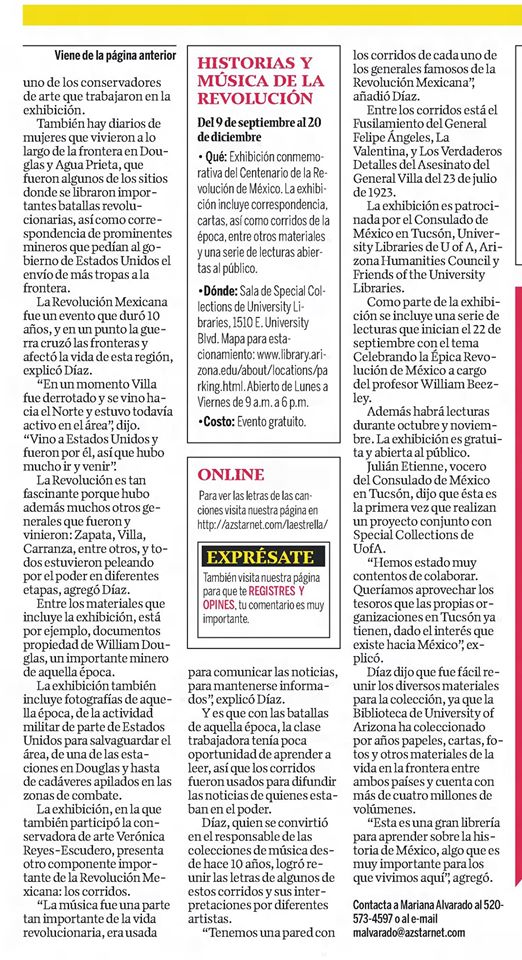
News Story from La Estrella De Tucson, a supplement to the Arizona Daily Star. Sept. 10-16, 2010.
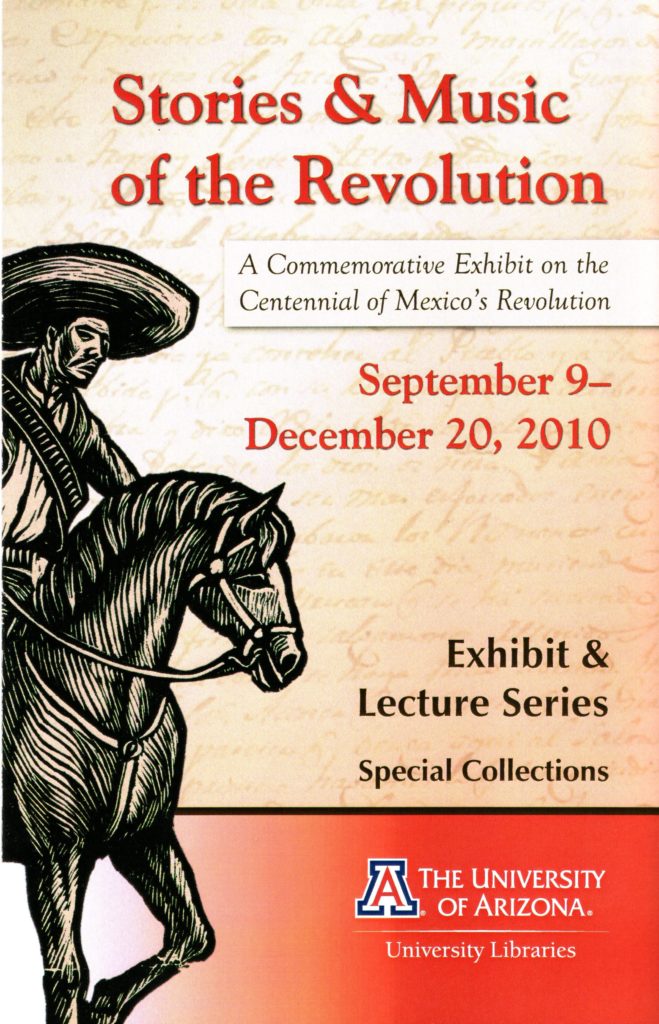
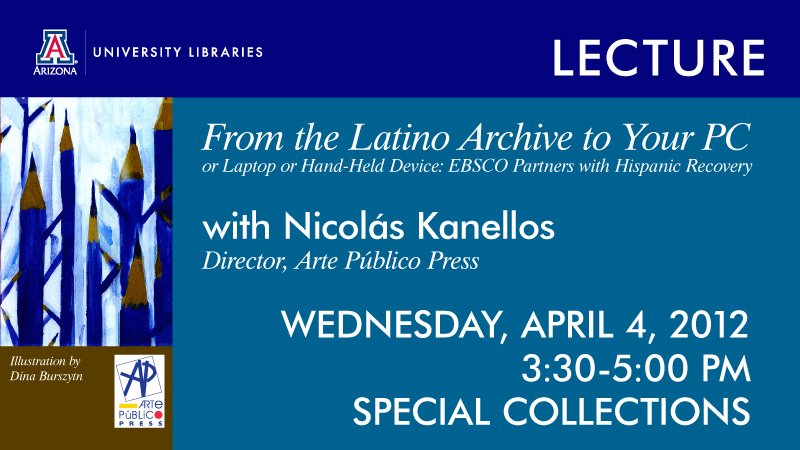
Promotional poster by Marty Taylor, University of Arizona Libraries
In his ongoing efforts to bring Hispanic literature to mainstream audiences, Kanellos also initiated the Recovering the U.S. Hispanic Literary Heritage project, started in 1992 by Arte Público Press. This ten-year multimillion-dollar project represents the first coordinated, national attempt to recover, index and publish lost Latino writings that date from the American colonial period through 1960.
“Arte Público Press and the Legacy of Latino Publishing in the U.S.” showcases a sampling of Arte Público’s non-fiction titles, novels, children’s books, young adult titles, and publications in the areas of drama, theatre and poetry. A selection of publisher’s catalogs, book covers and photographs—all on loan from the press—complement the items from Special Collections. The exhibit also includes material preserved through the efforts of the “Recovering the U.S. Hispanic Literary Heritage Project” and documents Kanellos’s more than four decades of professional contributions to the field.
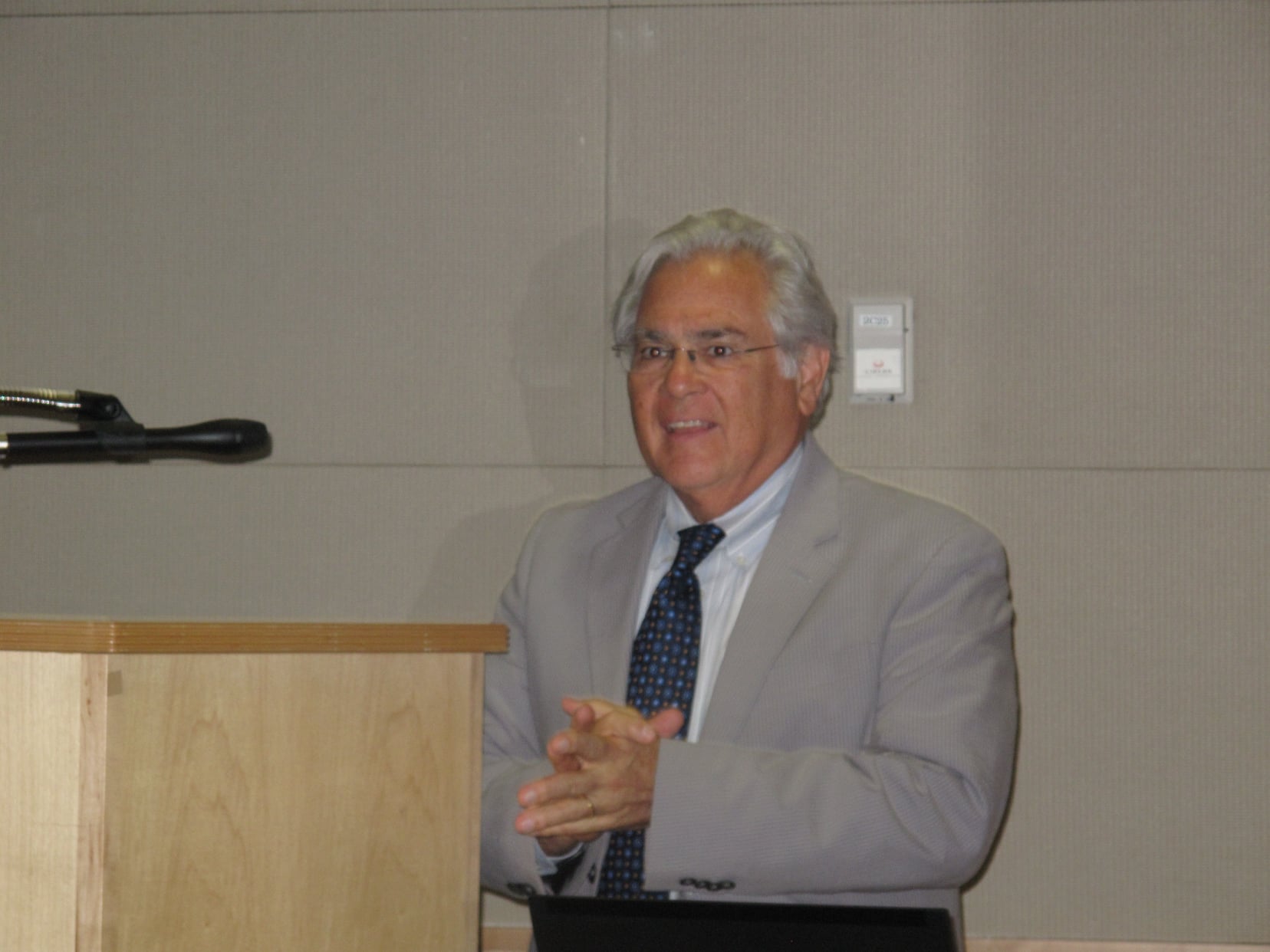
Dr. Nichola Kanellos speaking in Special Collections.
Professor Albrecht Classen with Dr. Kanellos at the reception.
Promotional material designed by Marty Taylor, University of Arizona Libraries
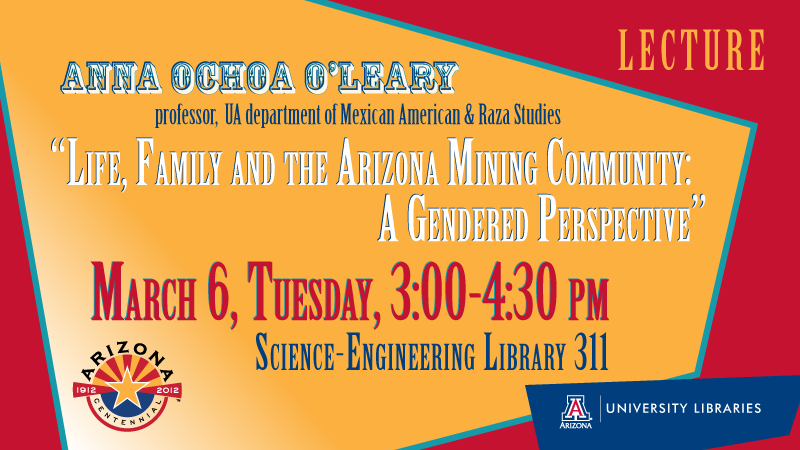
Talk – ‘Life, Family and the Arizona Mining Community: A Gendered Perspective |UA News…
Dr. Anny Ochoa O’Leary, head of the UA Department of Mexican American Studies
Anna Ochoa O’Leary, a professor in the University of Arizona department of Mexican American and Raza Studies, delivers the closing lecture held in conjunction with “Company Town: Arizona’s Copper Mining Communities During 100 Years of Statehood,” an exhibition at the Science-Engineering Library. The lecture will be titled “Life, Family and the Arizona Mining Community: A Gendered Perspective.”
Professor Ochoa O’Leary lived in Clifton, Ariz. during the copper mine strike of 1983. Ochoa O’Leary was also the president of the Morenci Miners Women’s Auxiliary in Clifton from 1985 to 1986. According to Ochoa O’Leary, the strike forever changed the lives of families who experienced it, as well as the social nexus that helped define the Clifton-Morenci communities.
The great Arizona copper strike against Phelps Dodge was a three-year struggle that ended with the decertification of 13 unions in 1986. During the course of events, the women of the community stepped outside the traditional roles that for generations had centered on the procurement and distribution of material resources to families. Faced with new challenges but encouraged by politics of equality, the women of the Morenci Miners Women’s Auxiliary came to contribute to political mobilization that received local, national and international attention.
Promotional material designed by Marty Taylor, University of Arizona Libraries
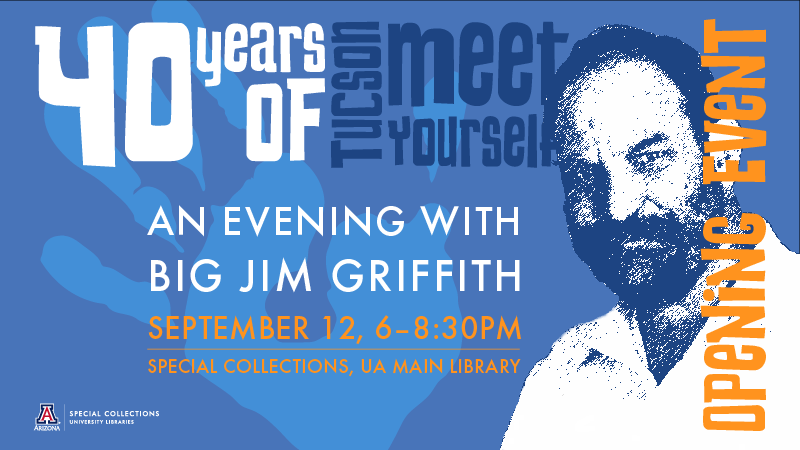
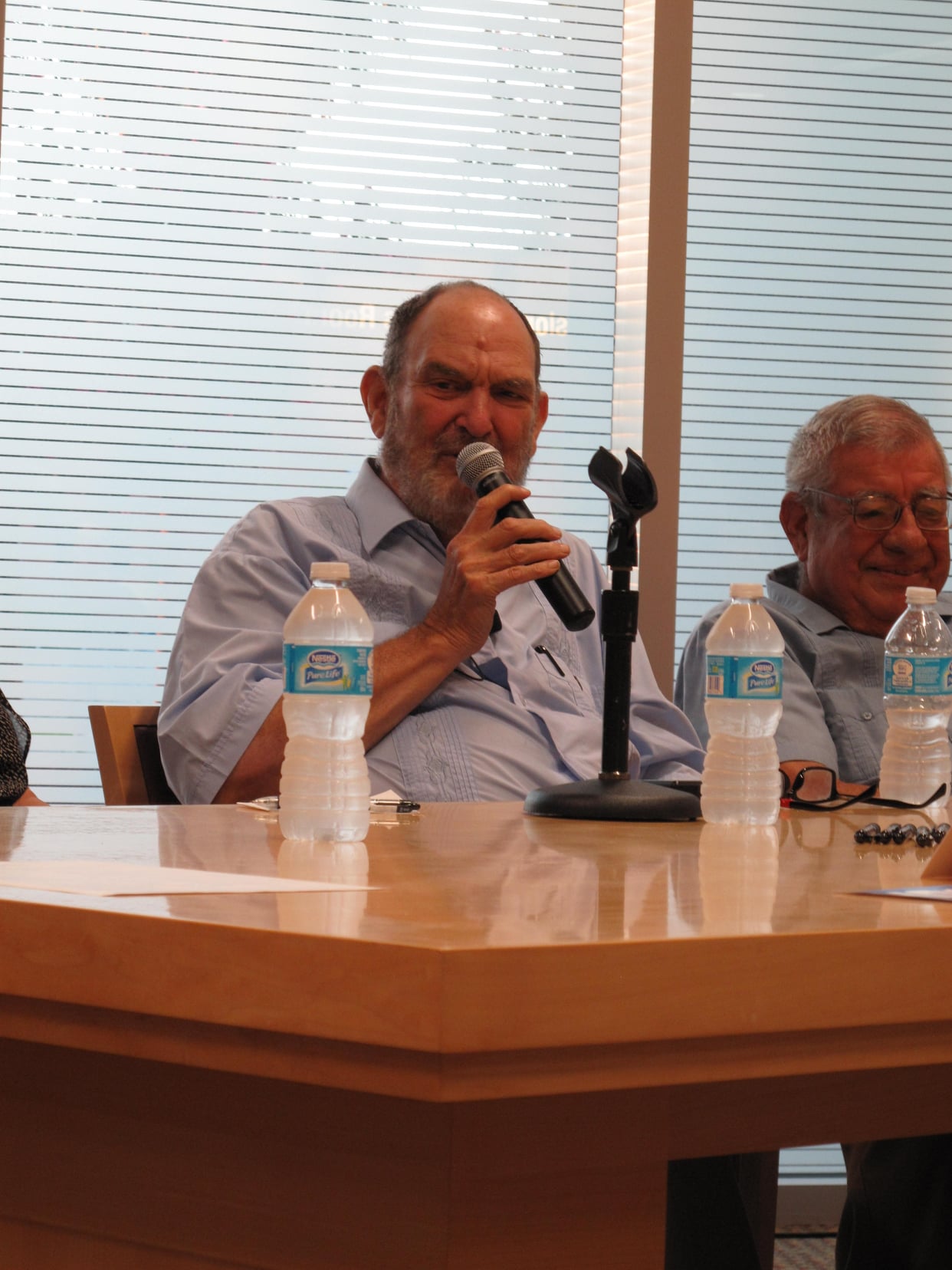
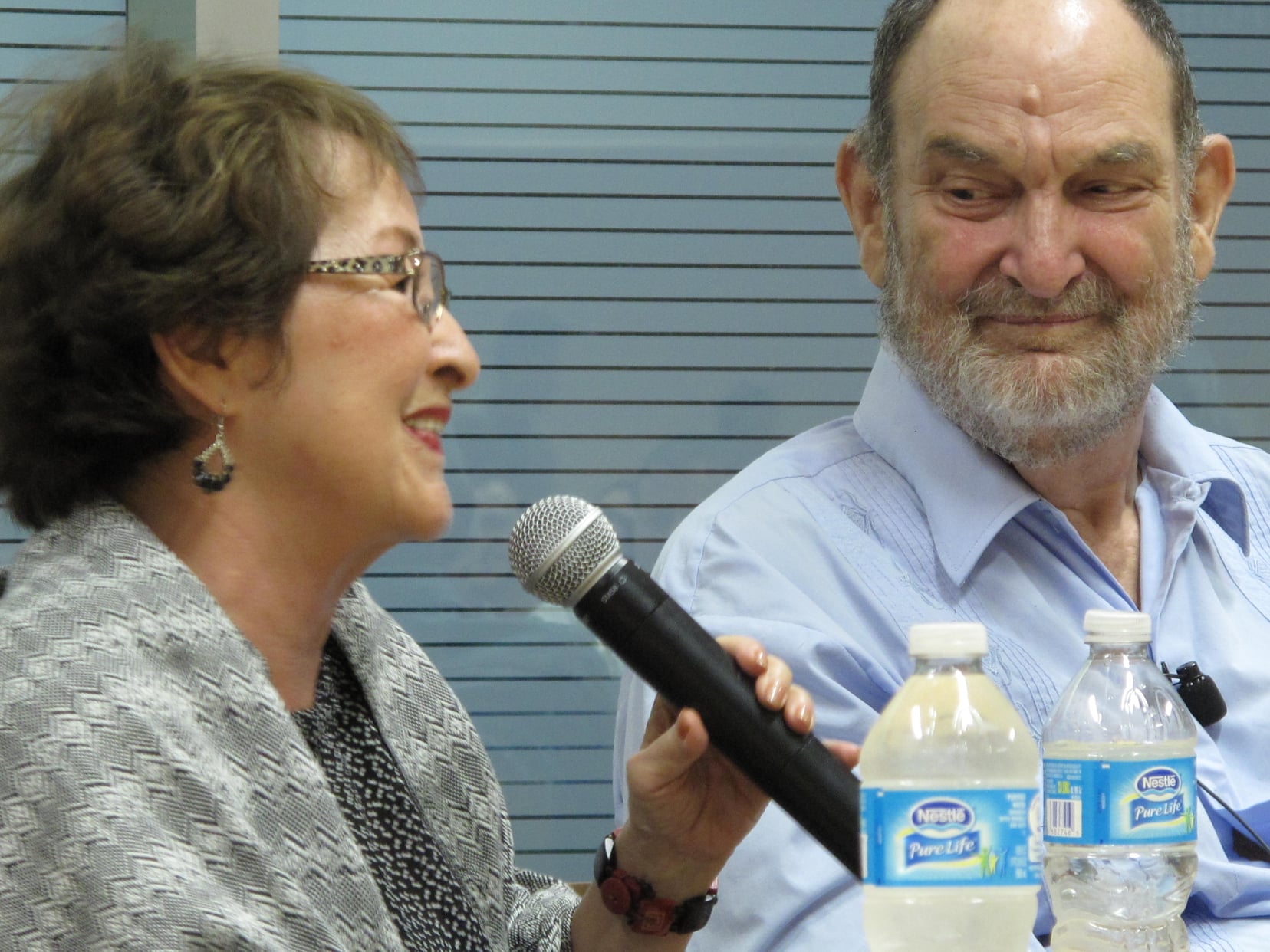
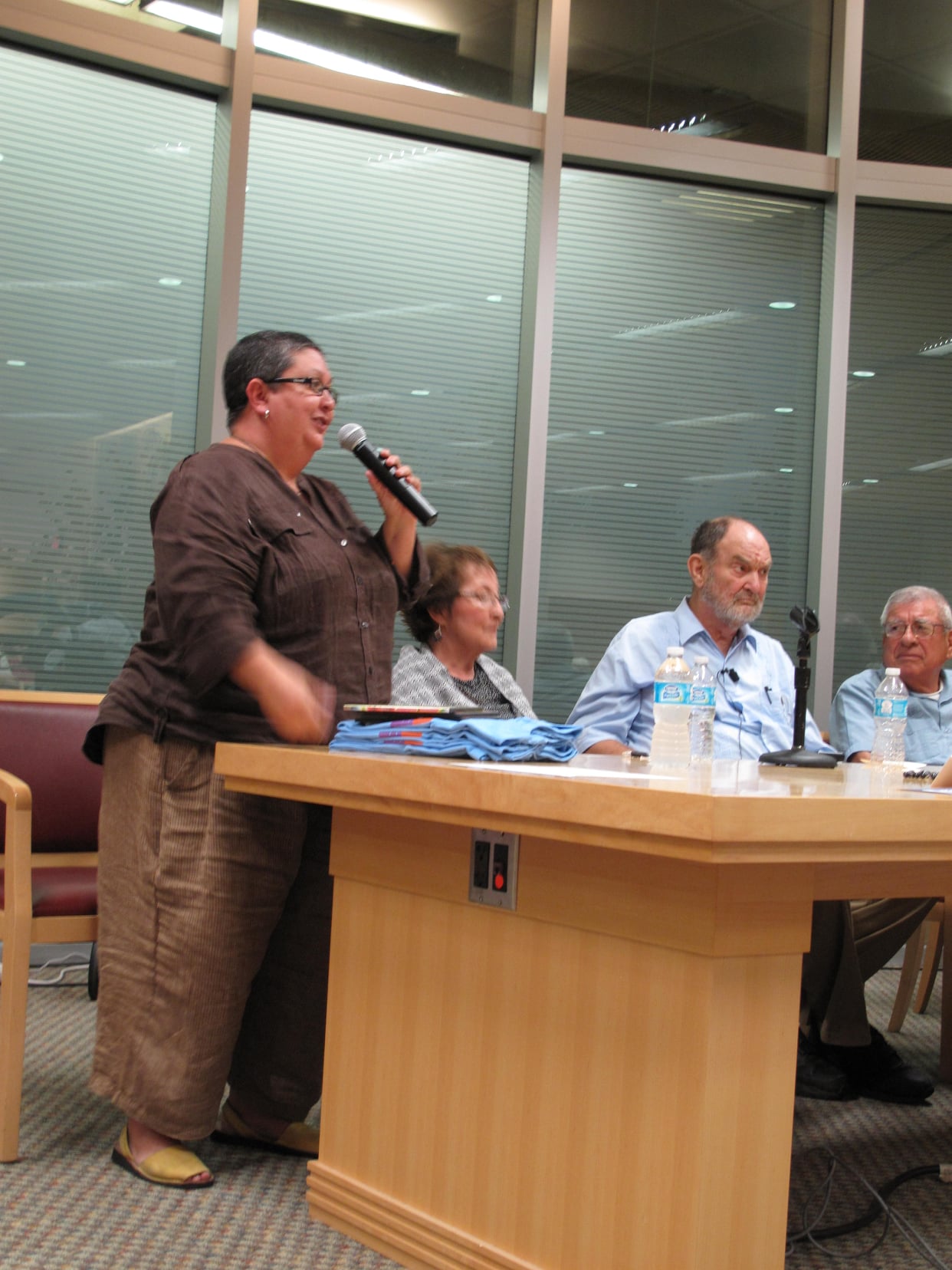
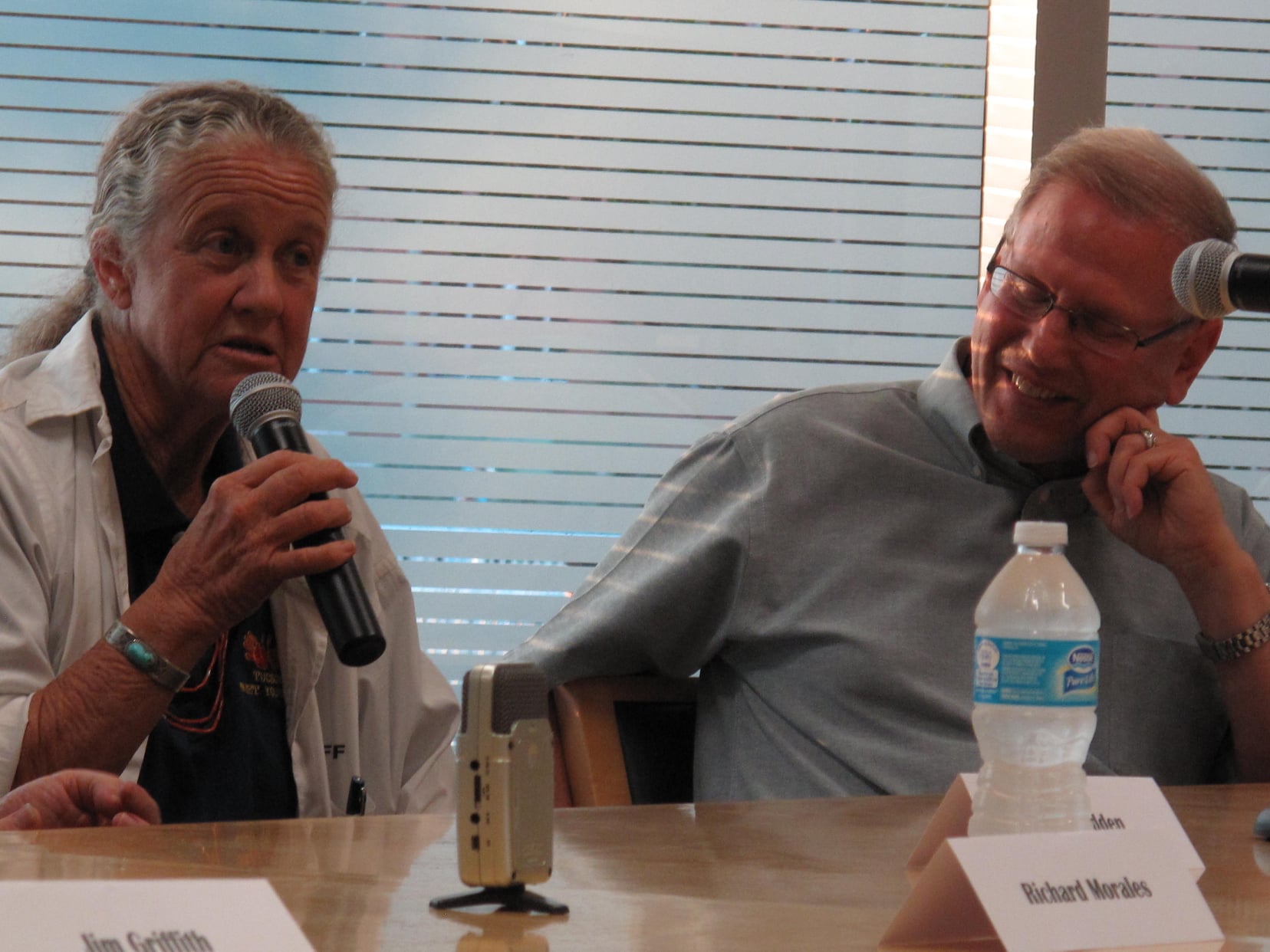
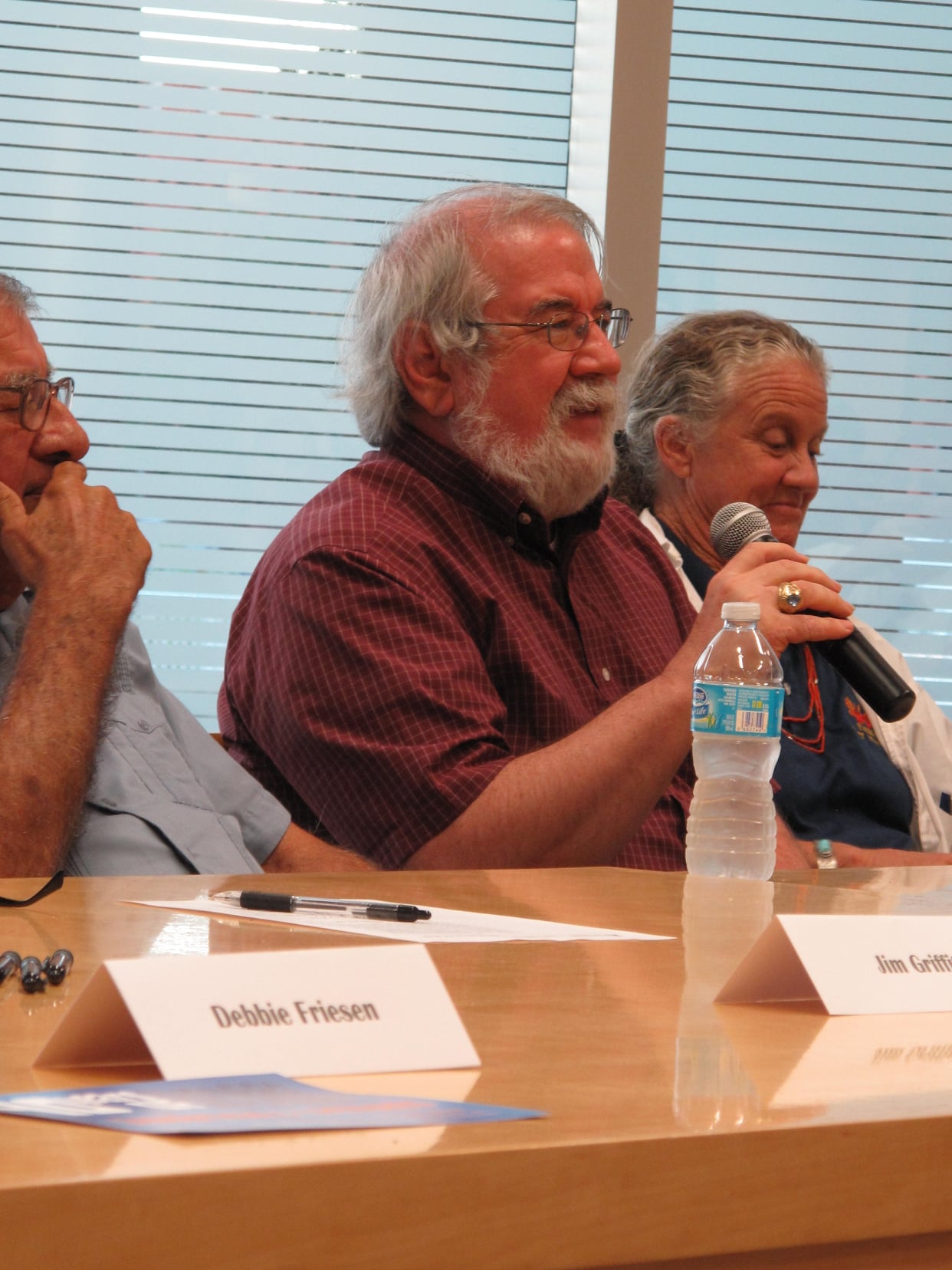
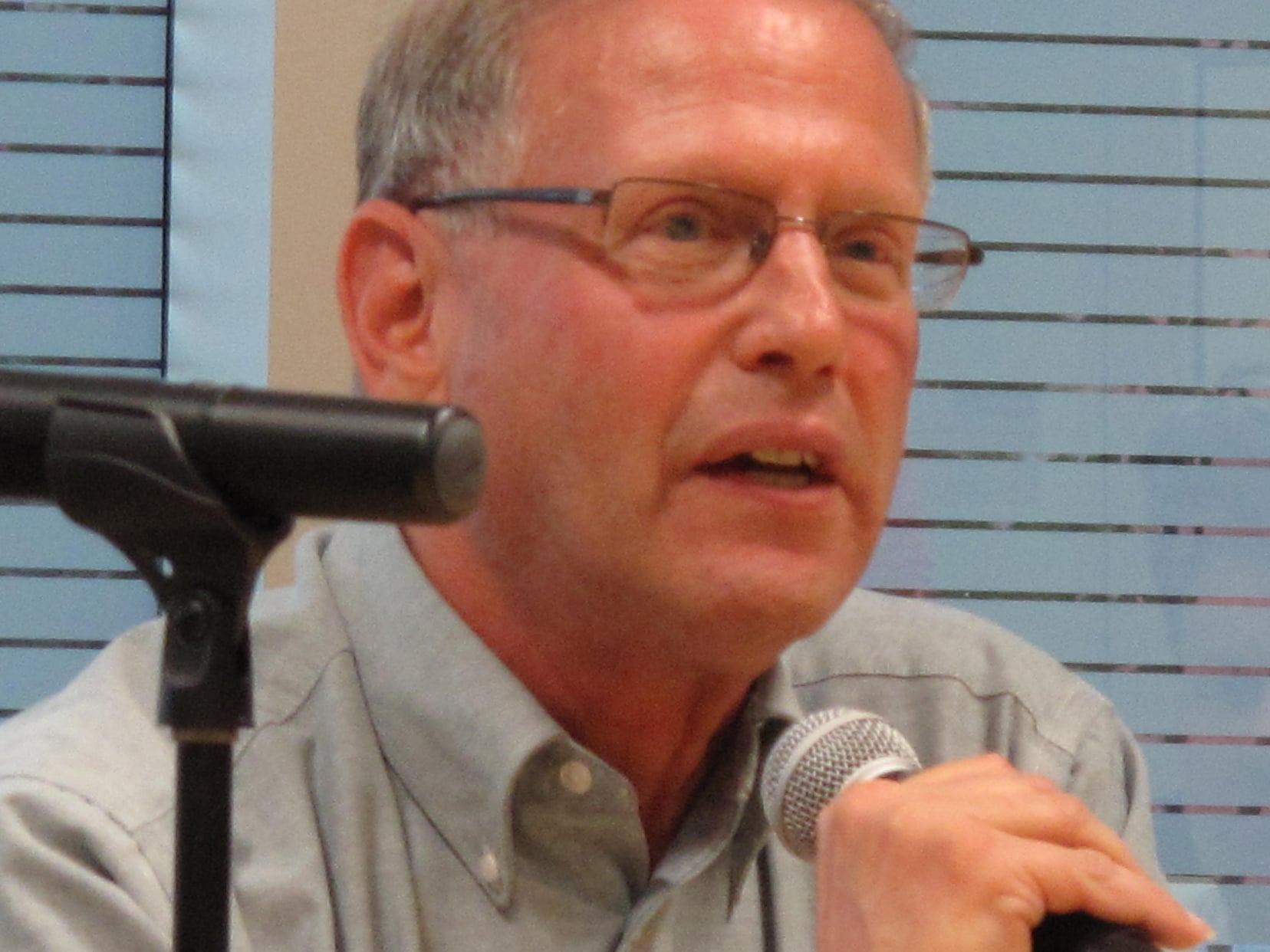
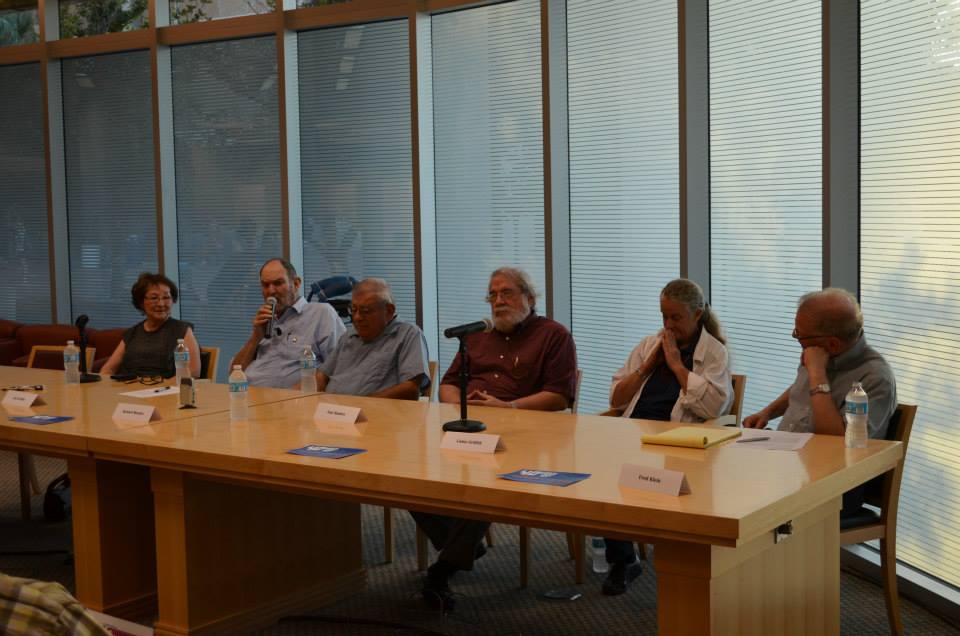
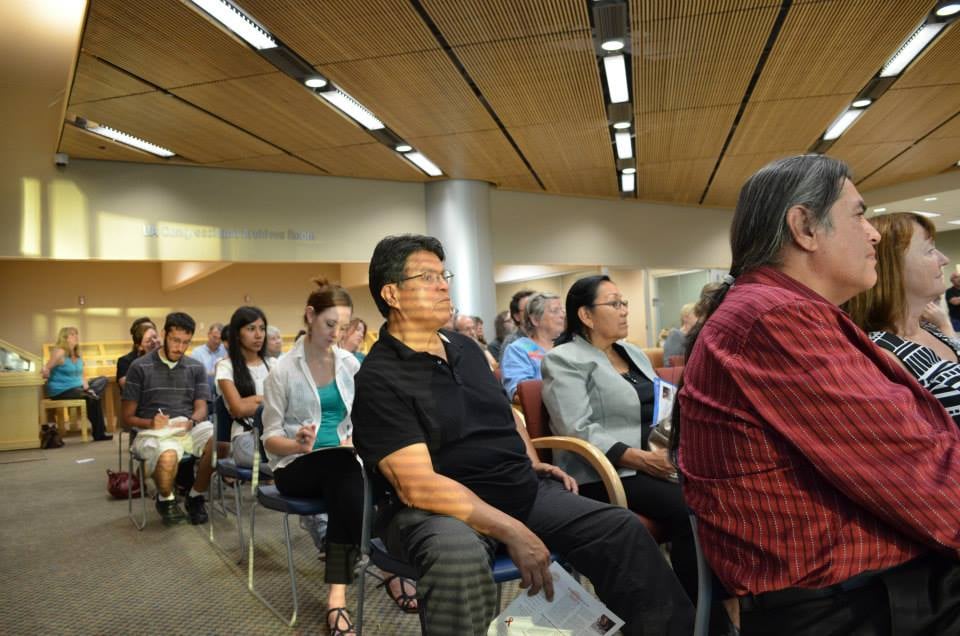
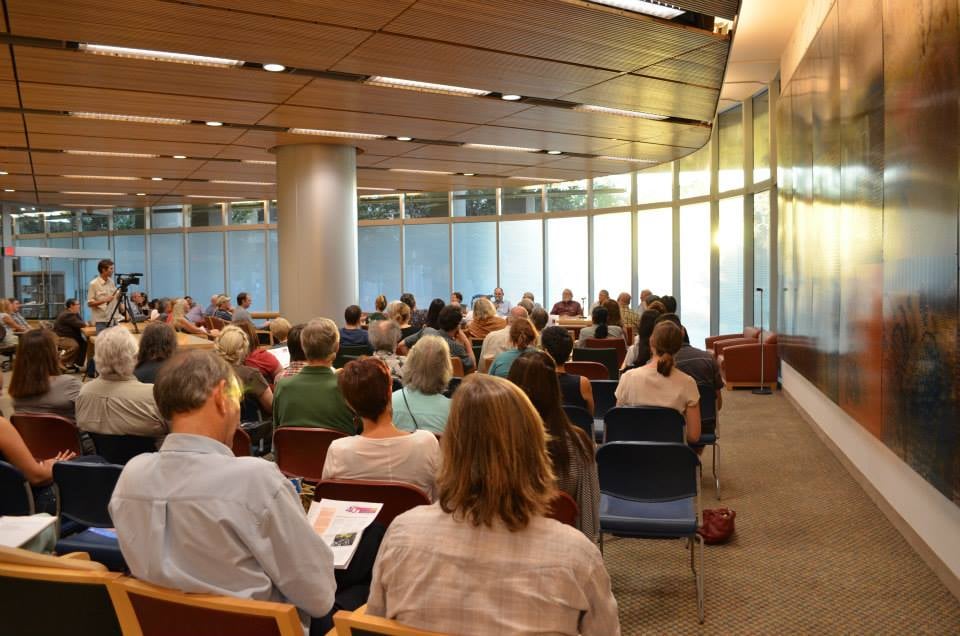
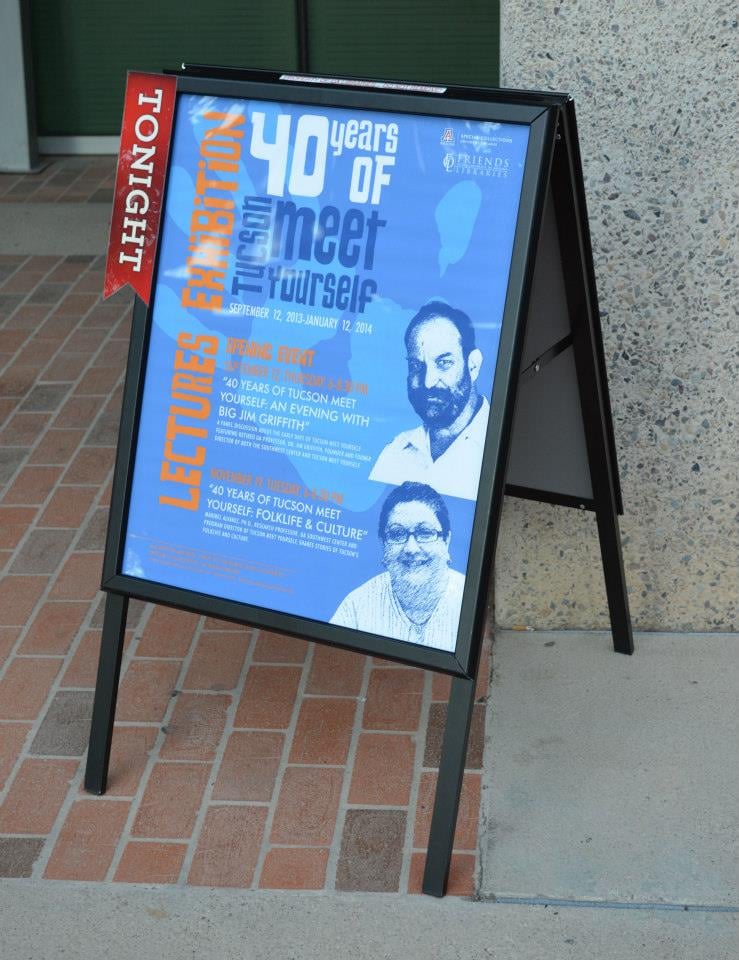
“Join us for the opening lecture of Special Collections newest exhibition “40 Years of Tucson Meet Yourself” on Sept. 12 from 6 p.m.-8:30 p.m. The evening includes a discussion about the early days of Tucson Meet Yourself featuring Dr. Jim Griffith, retired UA professor, former director of the Southwest Center and founder and former director of Tucson Meet Yourself.
A panel of notable festival volunteers and friends, including Dan Madden, Loma Griffith, Debbie Friesen, Fred Klein, Richard Morales and Gary Tenen, will also share stories and reminiscences of Tucson Meet Yourself from its earliest days and how it evolved into the largest folk life festival in the Southwest.
This lecture will be at Special Collections. It is free and open to the public. Light refreshments will be served. For more information, contact Bob Diaz at diazj@u.library.arizona.edu.”
Listen to the program audio here:
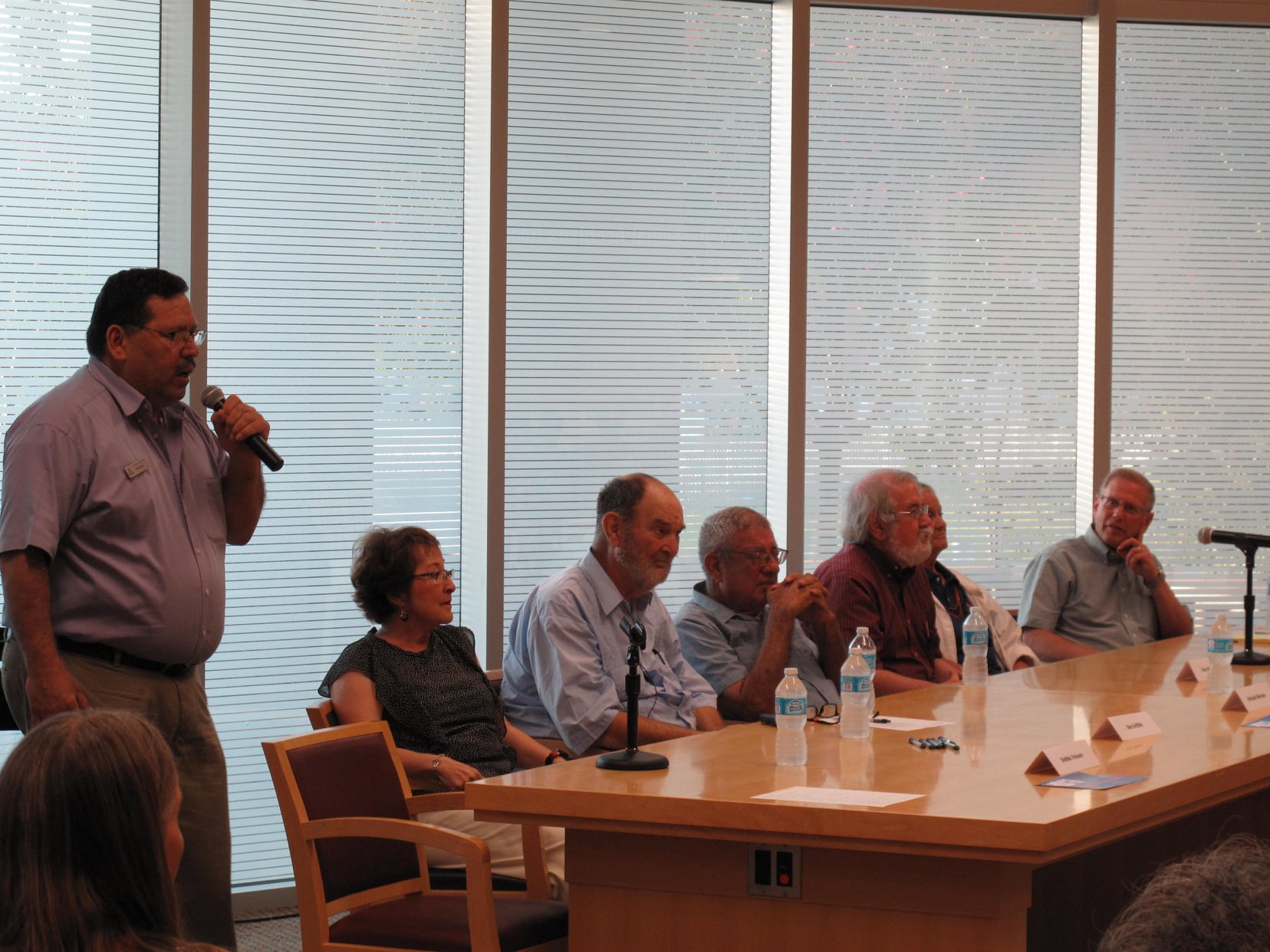
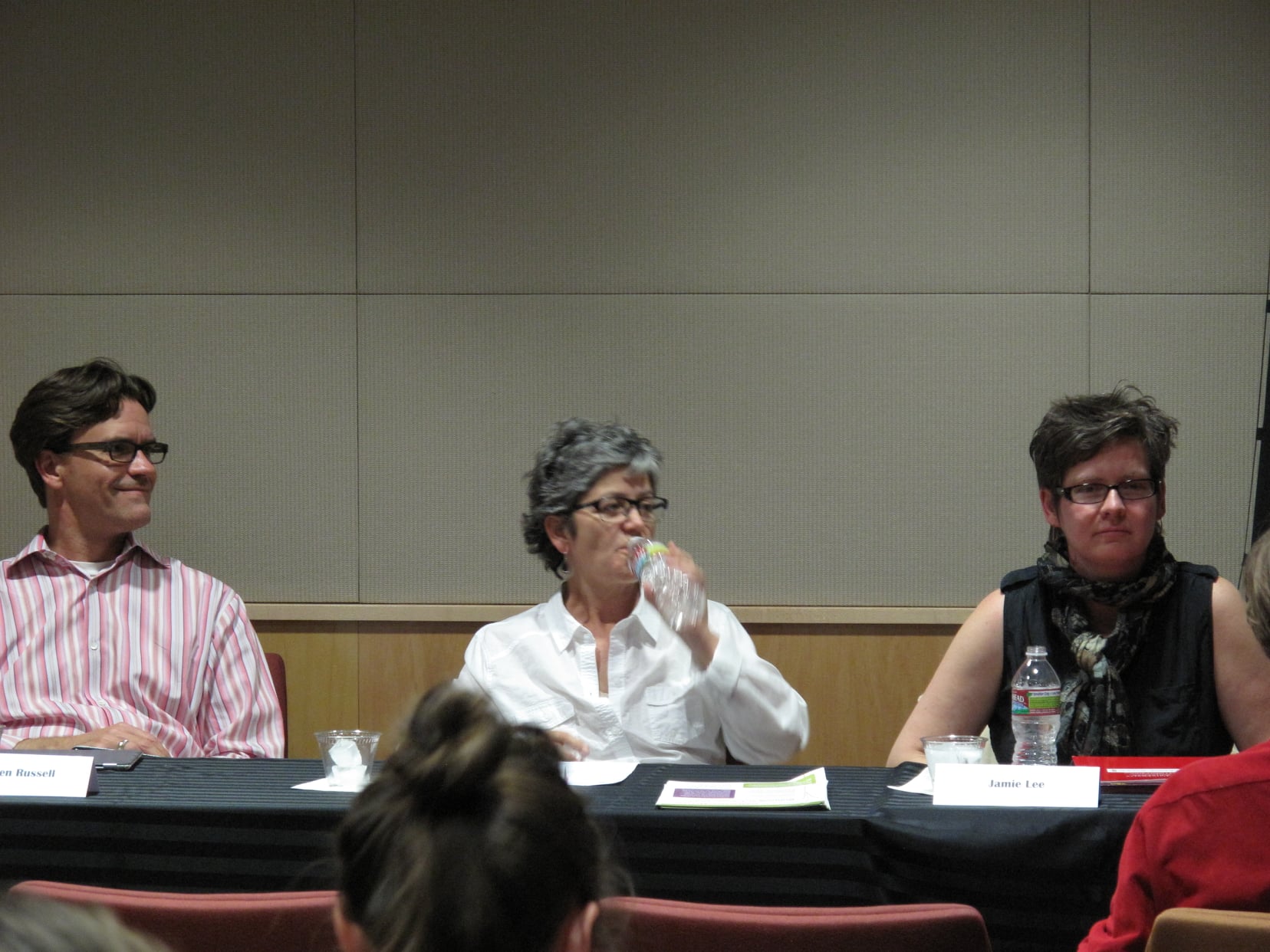
A panel discussion with Tucson Meet Yourself volunteers, including Jim and Loma Griffith
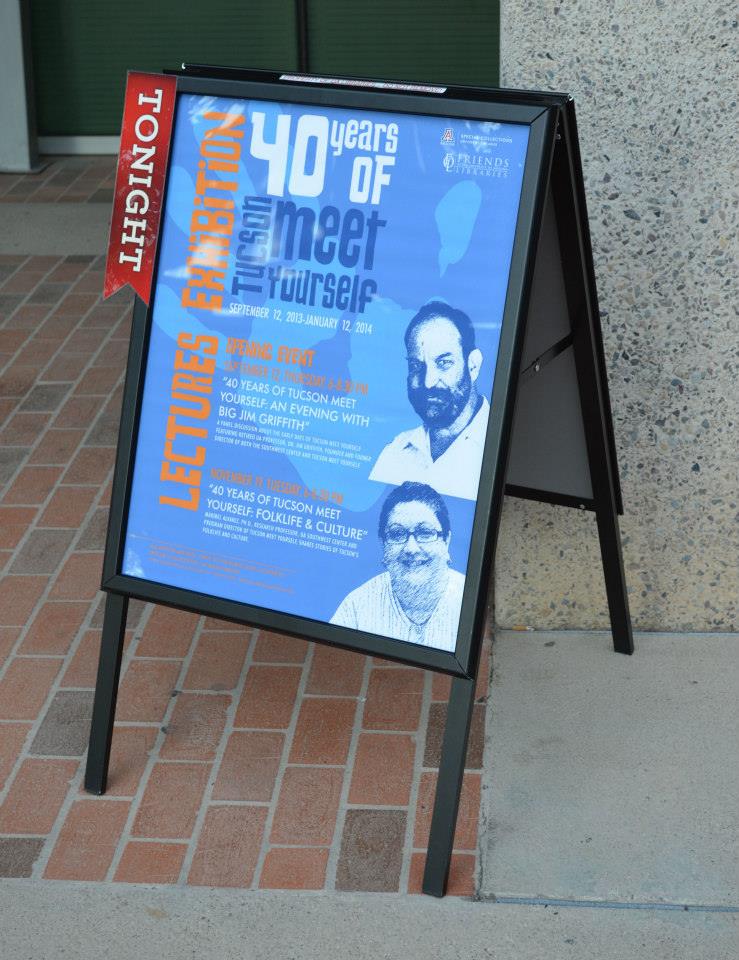
Promotional material by Marty Taylor, University of Arizona Libraries
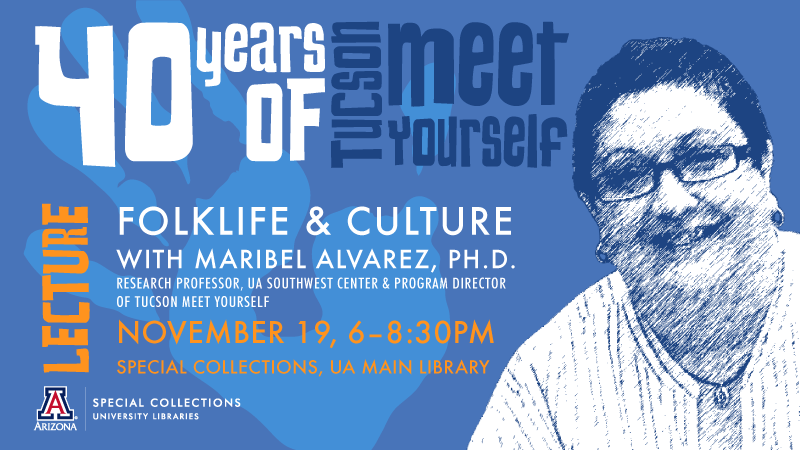
The second program associated with this exhibition featured Dr. Maribel Alvarez, professor of Anthropology and executive director of the Southwest Folklife Alliance.
Here is the news release for the event:
“40 Years of Tucson Meet Yourself: Folklife and Culture”
Join us for the final lecture accompanying Special Collections’ current exhibition, “40 Years of Tucson Meet Yourself.” Maribel Alvarez, research professor for the UA Southwest Center and Tucson Meet Yourself program director, will share stories of Tucson’s folklife and culture and how they manifest themselves in every day life.
The following biographical snapshot of Dr. Alvarez is borrowed from the University of Arizona Southwest Center’s webpage:
“Maribel Alvarez, Ph.D., is an anthropologist, folklorist, curator, and community arts expert who has documented the practice of more than a dozen of the country’s leading emerging and alternative artistic organizations. She is Associate Dean for Community Engagement for the College of Social and Behavioral Sciences, is the Jim Griffith Chair in Public Folklore and Associate Research Social Scientist in the Southwest Center, and Associate Research Professor in the School of Anthropology. She founded, and until recently served as executive director of the Southwest Folklife Alliance, an independent nonprofit affiliated with the University of Arizona.
She teaches courses on methods of cultural analysis, with particular emphasis on objects, oral narratives, foodways, and visual cultures of the US-Mexico border. In the last few years, Maribel has written and published essays about poetry and food, intangible heritage, nonprofits and cultural policy, the theory of arts participation, artisans and patrimony in Mexico, and popular culture and stereotypes. In 2009 she was a Fulbright Fellow conducting research in rural Mexico. Maribel was the co-founder and executive director for seven years of MACLA–Movimiento de Arte y Cultura Latino Americana, a contemporary, alternative urban arts center in San Jose, once described as a “lab for intelligent cultural interventions.” Maribel is a trustee of the American Folklife Center at the Library of Congress; in addition, she has served as faculty for ten years at the National Association of Latino Arts and Culture’s summer Leadership Institute in San Antonio, TX. Currently, she is completing two book manuscripts for the University of Arizona Press, one on the verbal arts and lore of workers in the Mexican Curios cottage industry at the US-Mexico border, and another on the cultural history of wheat and flour mills in the state of Sonora in northern Mexico. Maribel was born in Cuba and came to the United States at the age of seven; she lived in Puerto Rico for eleven years before moving to California in 1980, where she became active in the Chicano arts community and multicultural arts movement of that decade.”
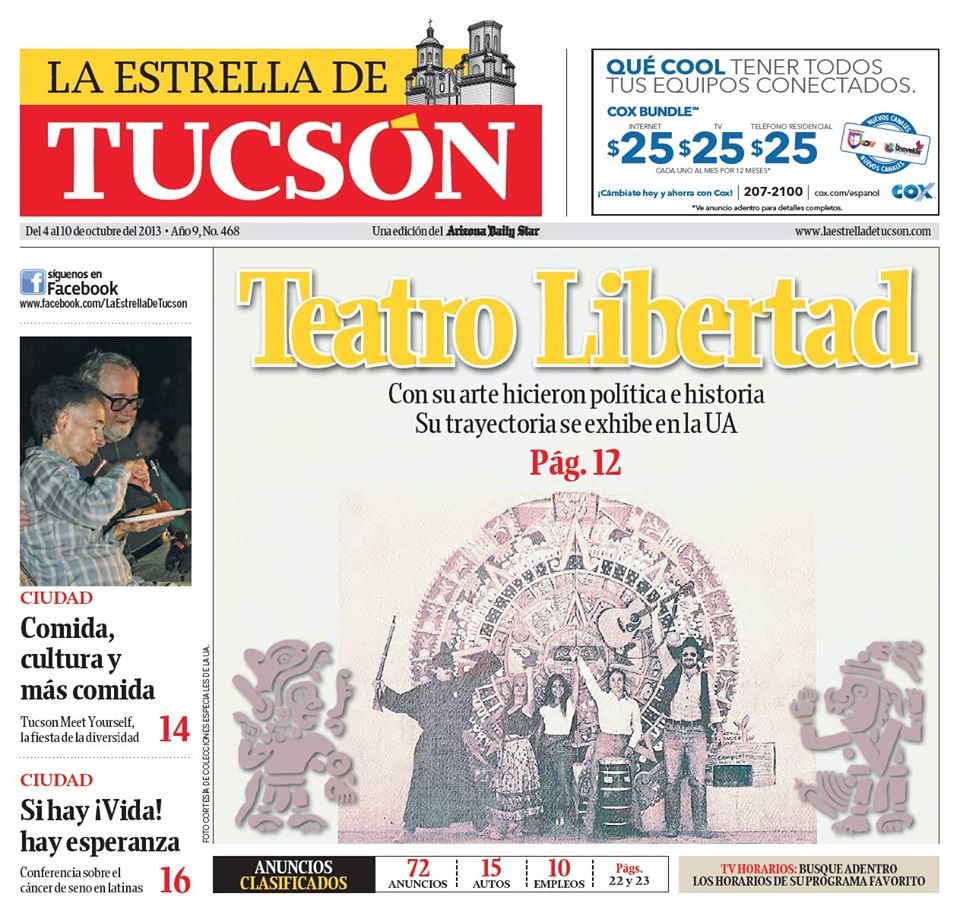
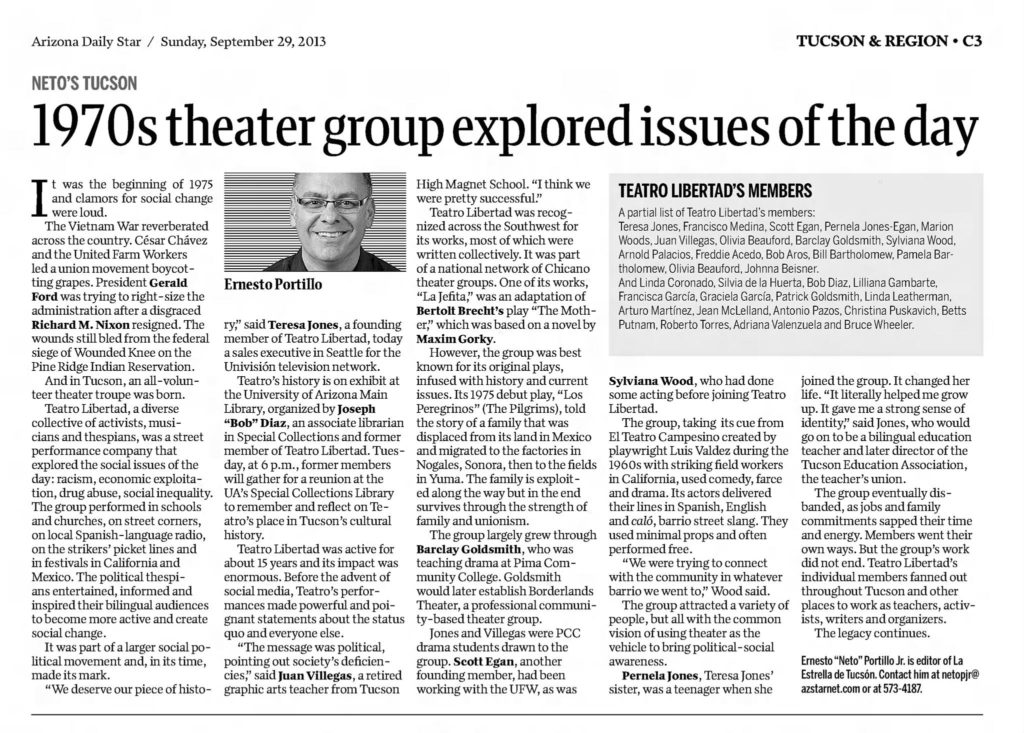
Join us on October 1 from 6:00 p.m. – 8:30 p.m. in Special Collections for an evening of reflection and discussion with members of Teatro Libertad, a local street theatre company from the 1970s. A viewing of select scenes from La Vida Del Cobre (The Life of Copper), one of the group’s plays, accompanies the talk.
Teatro Libertad is featured in a new exhibit on display from Sept. 3, 2013 – Jan. 12, 2014 at the UA Main Library. Formed in 1975 by seven local actors and musicians – Scott Egan, Barclay Goldsmith, Teresa Jones, Arturo Martinez, Pancho Medina, Arnold Palacios, and Sylviana Wood – the group was influenced by the tradition of teatro Chicano, the Chicano movement of the 60s and 70s, and with inspiration from El Teatro Campesino – a group formed by Luis Valdez in the early 1960s.
Former Teatro member Scott Egan
Teatro Libertad tackled real life, everyday issues as experienced by the Chicano community in Tucson and the Southwest. Using satire, comedy, and music, the group wrote and performed their plays with the goal of getting people to think about issues such as unemployment, union organization, race, and cultural identity. Among the plays written and performed by Teatro Libertad were Los Peregrinos, El Vacil de 76, Los Pelados, La Jefita, Semilla Sembrada and La Vida Del Cobre.
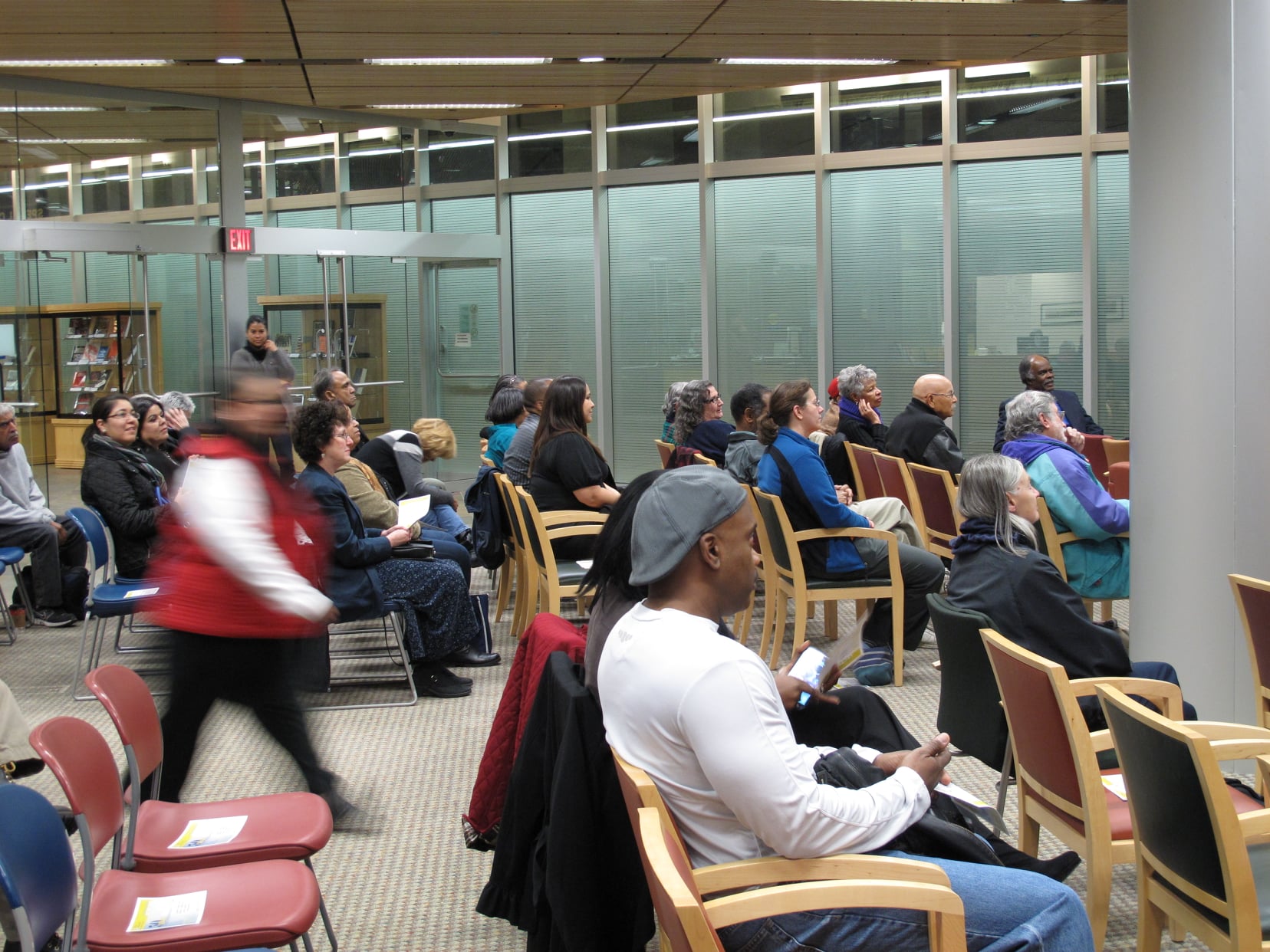
It was a packed house
The bilingual, multicultural group relied on simple stage sets and props – old boxes, masks, and signs – when performing in local neighborhood centers throughout Tucson and in Mexico City, San Diego, Santa Barbara, and New York. The group also performed – sometimes from a flatbed truck – in Arizona’s mining towns for striking miners or farmworkers.
Audience members included a who’s who of the Chicano community
More than 25 performers participated in the all-volunteer Teatro Libertad during the group’s 14-year run. Additional members included Pamela Bartholomew, Olivia Beauford, Bob Diaz, Lilliana Gambarte, Pernela Jones, Jean McClelland, Juan Villegas, and a host of others.
The event is free and open to the public. Light refreshments will be served.
Barclay Goldsmith and Teresa Jones, former Teatro members
Publicity material by Marty Taylor, University of Arizona Libraries
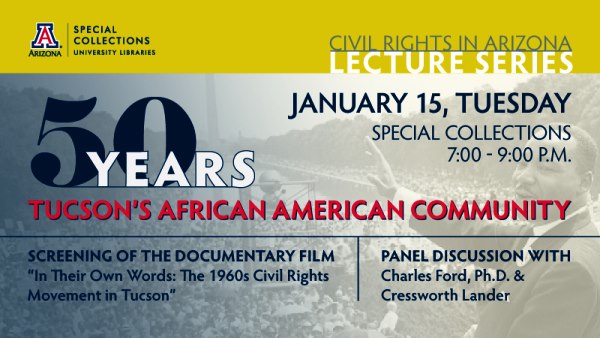
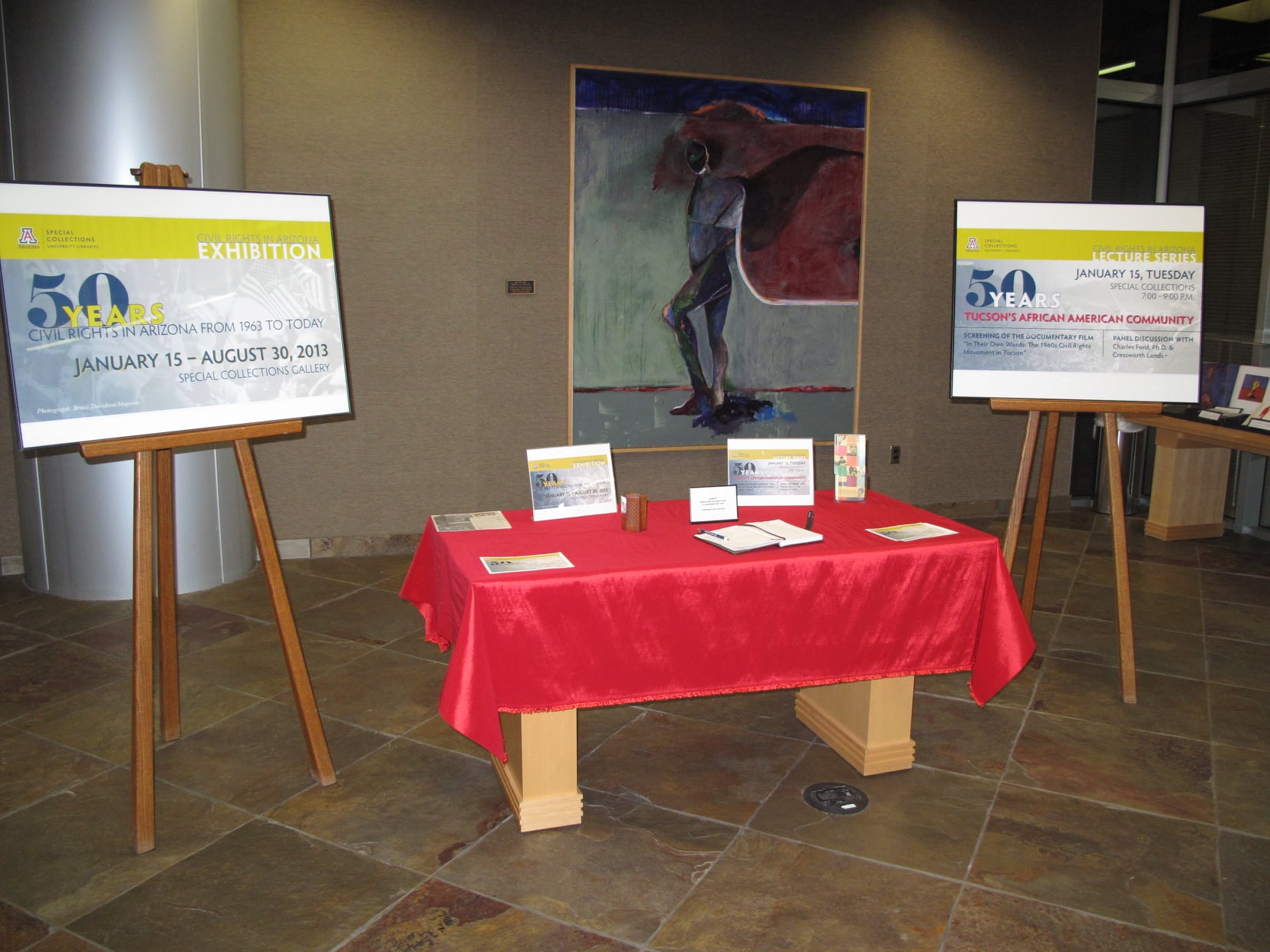
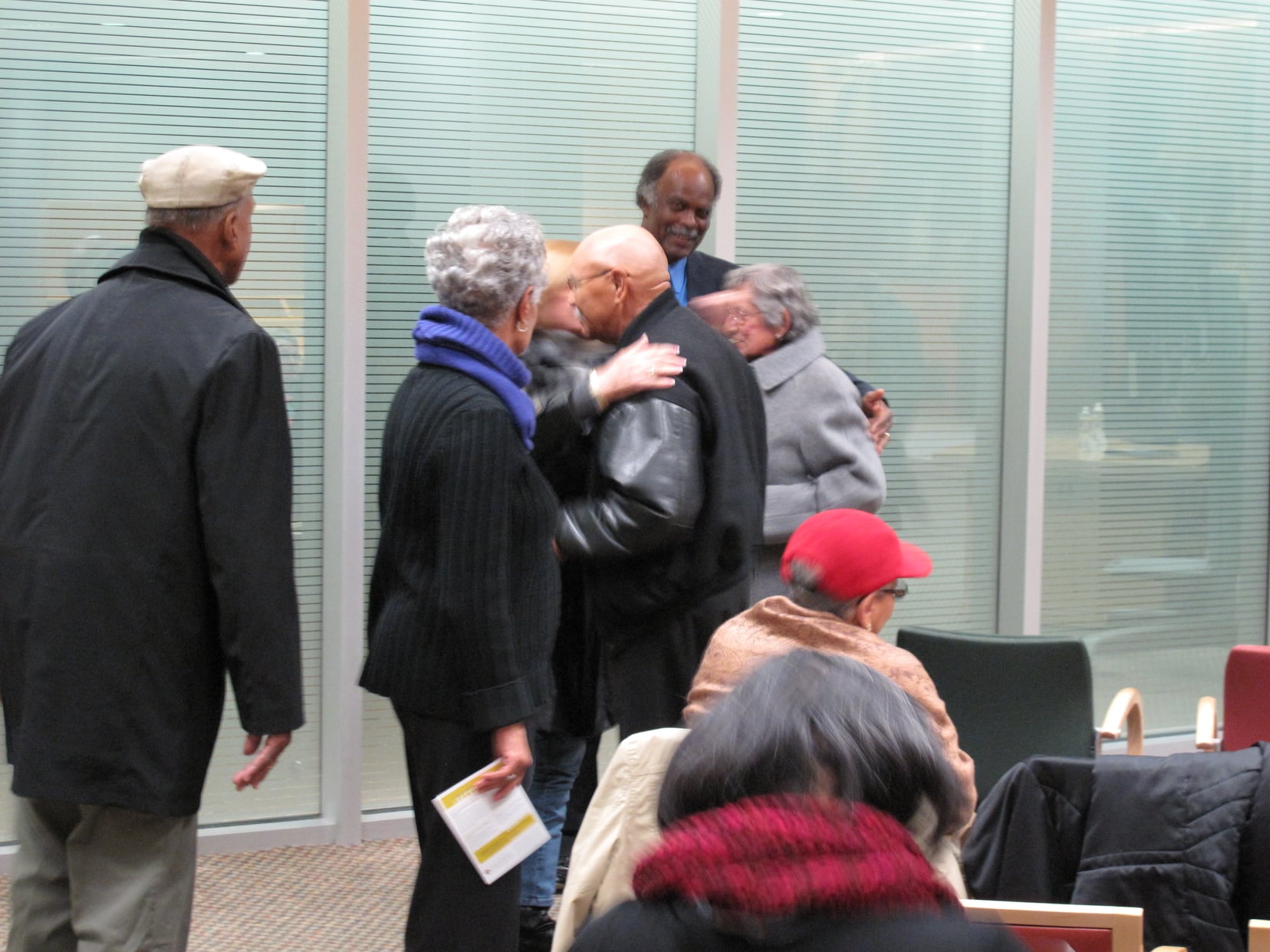
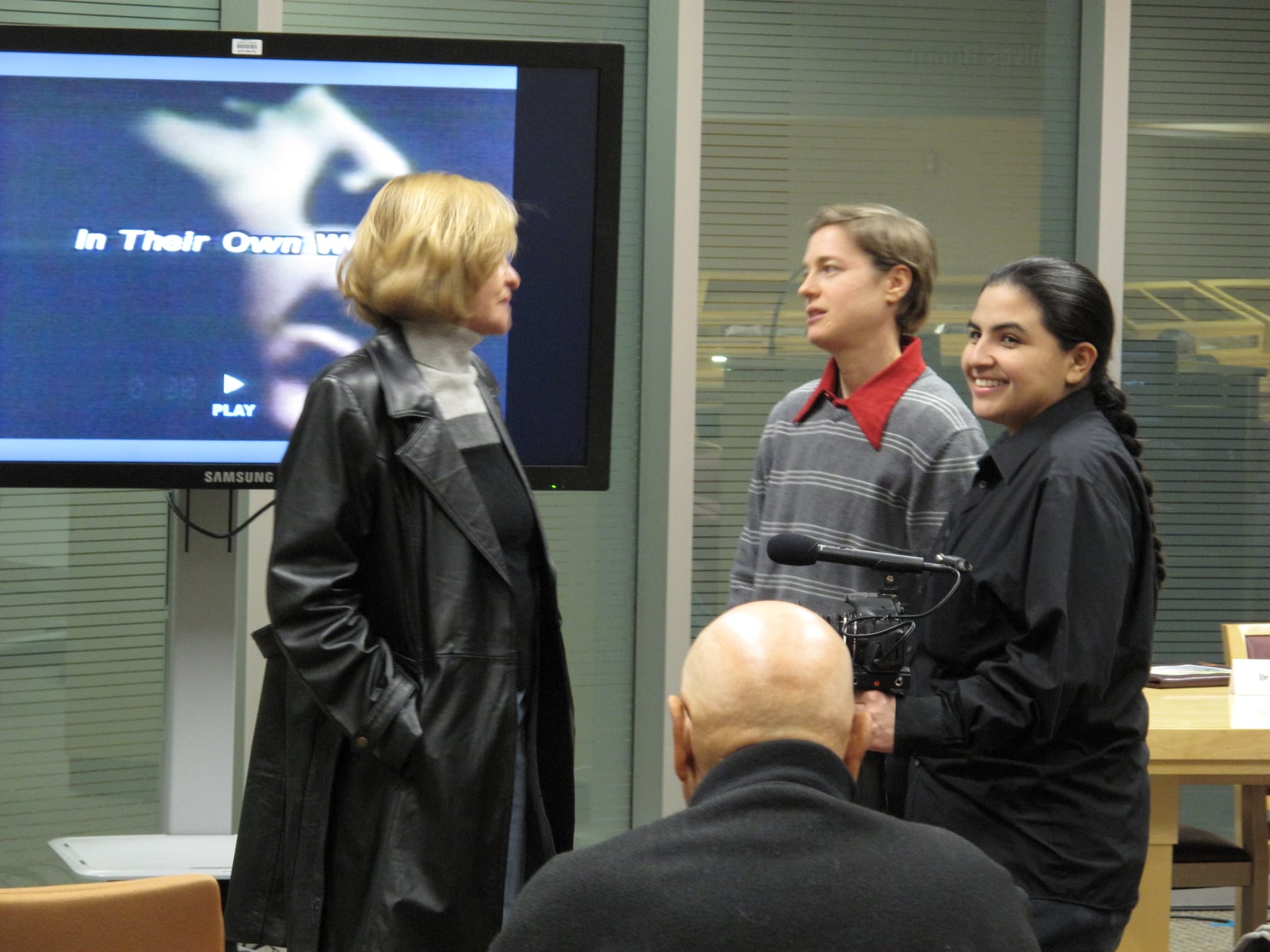
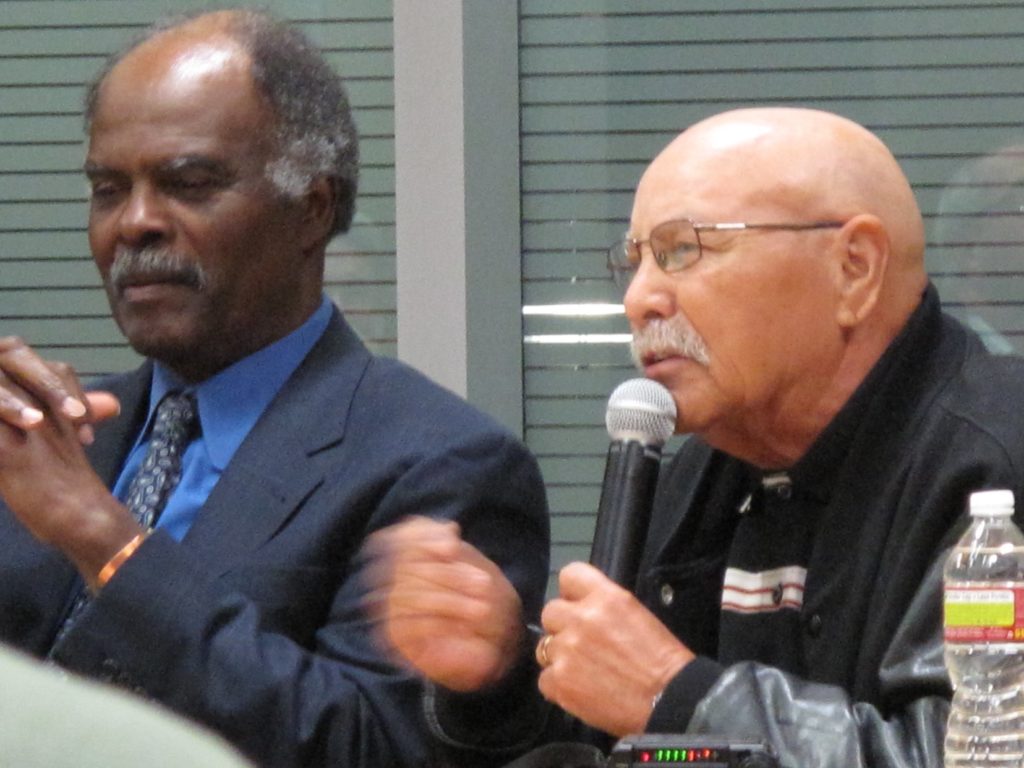
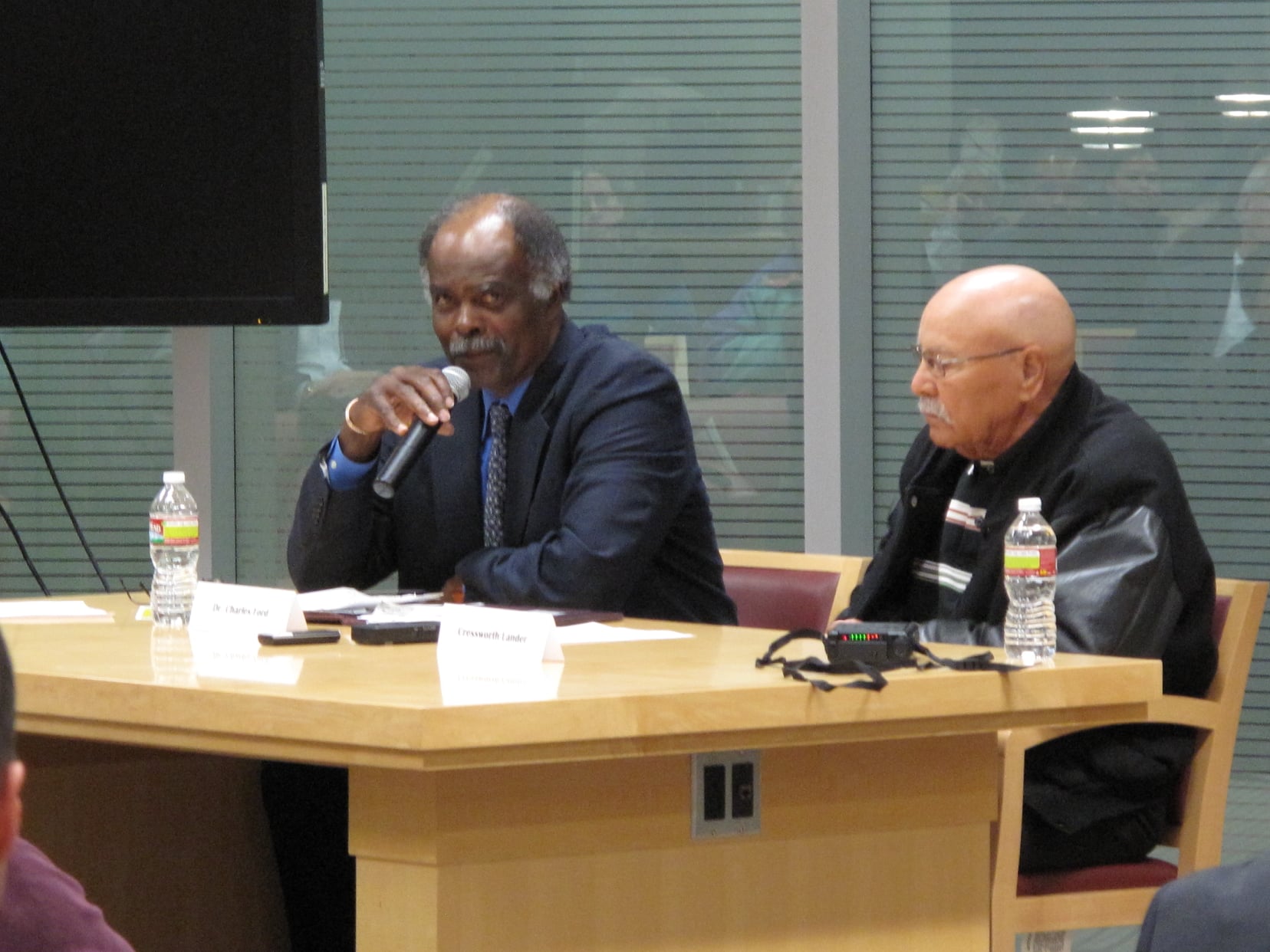
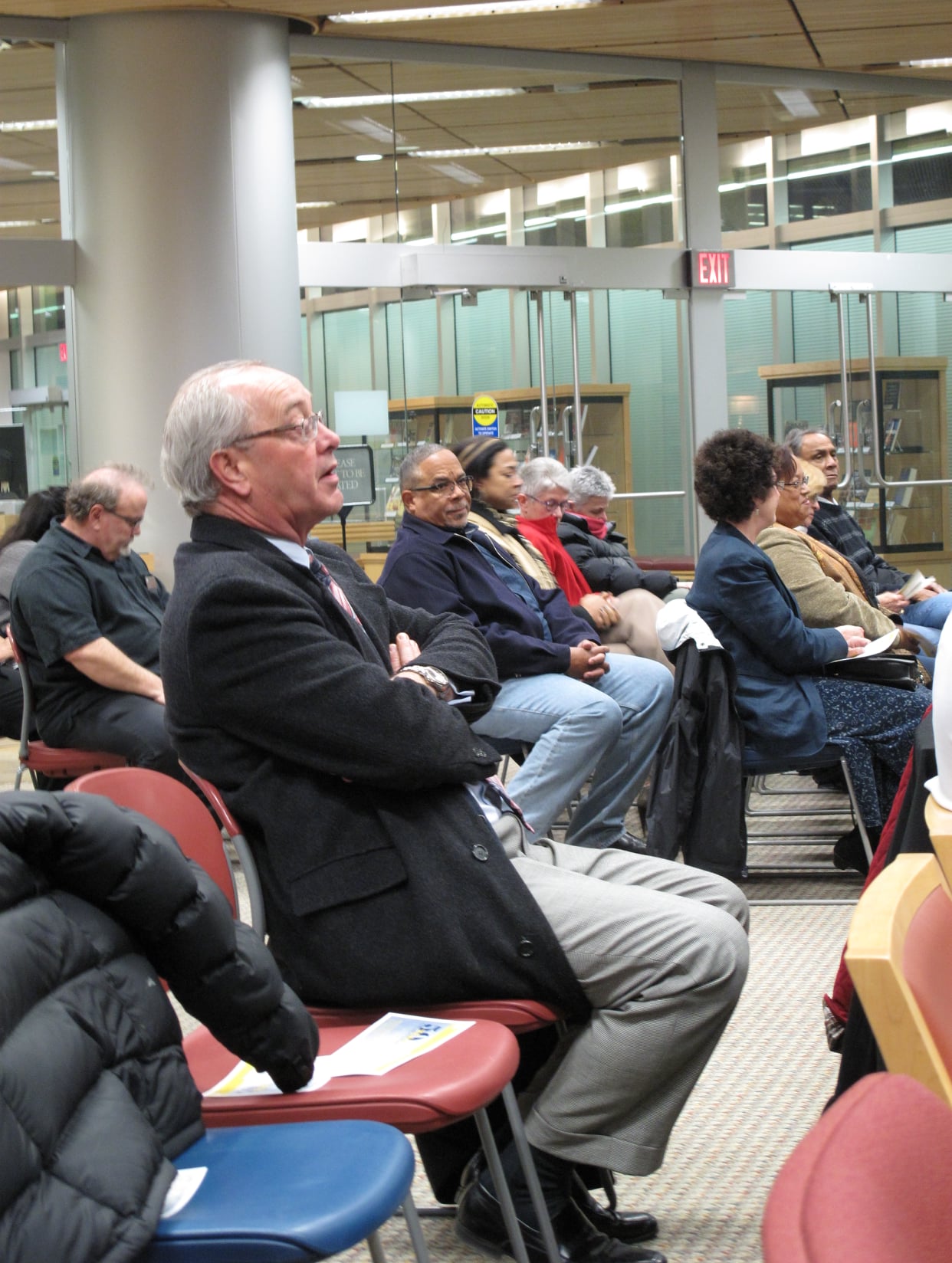
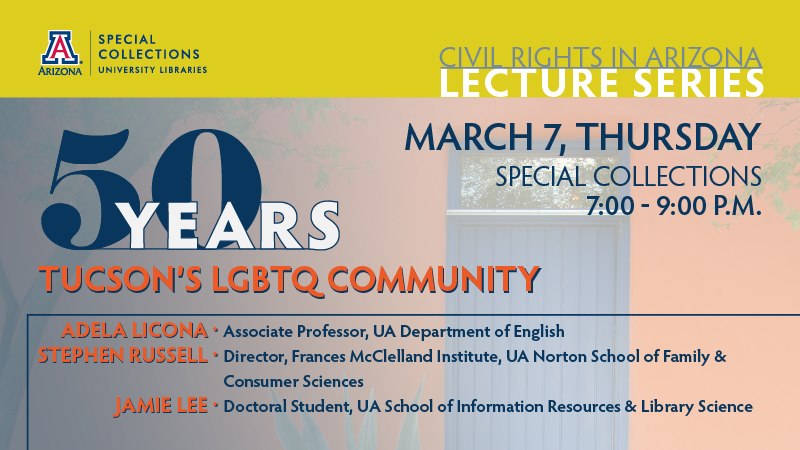
Jan. 15: “50 Years: Tucson’s African American Community will be held 7-9 p.m. A screening of the documentary film “In Their Own Words: The 1960s Civil Rights Movement in Tucson” and a panel discussion with Charles Ford, former Tucson Vice Mayor and retired Tucson Unified School District principal, and Cressworth Lander, a native Tucsonan and president of the Dunbar Coalition.
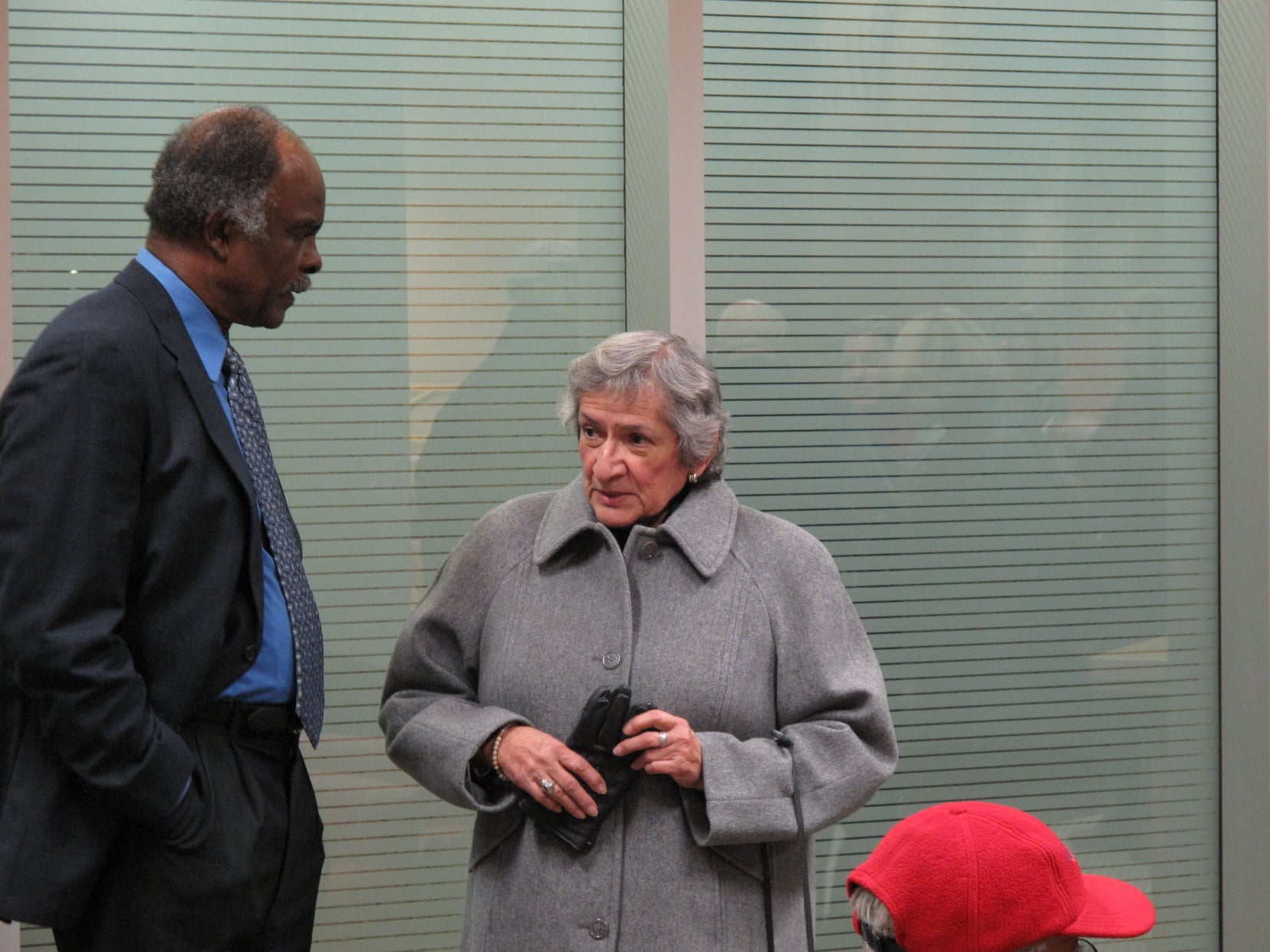
Dr. Charles Ford and Mr. Cressworth Lander, the evening’s featured speakers
The video below offers an abbreviated version of the program.
Publicity material by Marty Taylor, University of Arizona Libraries
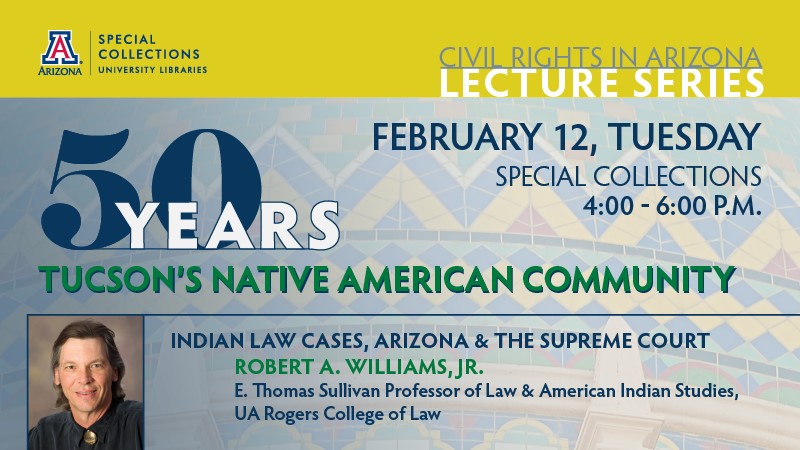
Feb. 12: “50 Years: Tucson’s Native American Community” will be held 4-6 p.m. A discussion about Arizona, the Supreme Court and legal cases affecting and involving tribal members law cases, Arizona during the civil rights era with Robert A. Williams, Jr., the E. Thomas Sullivan Professor of Law and American Indian Studies at the UA James E. Rogers College of Law. https://www.youtube.com/embed/G593uE4SQdE?version=3&rel=1&showsearch=0&showinfo=1&iv_load_policy=1&fs=1&hl=en-US&autohide=2&wmode=transparent
Publicity material by Marty Taylor, University of Arizona Libraries
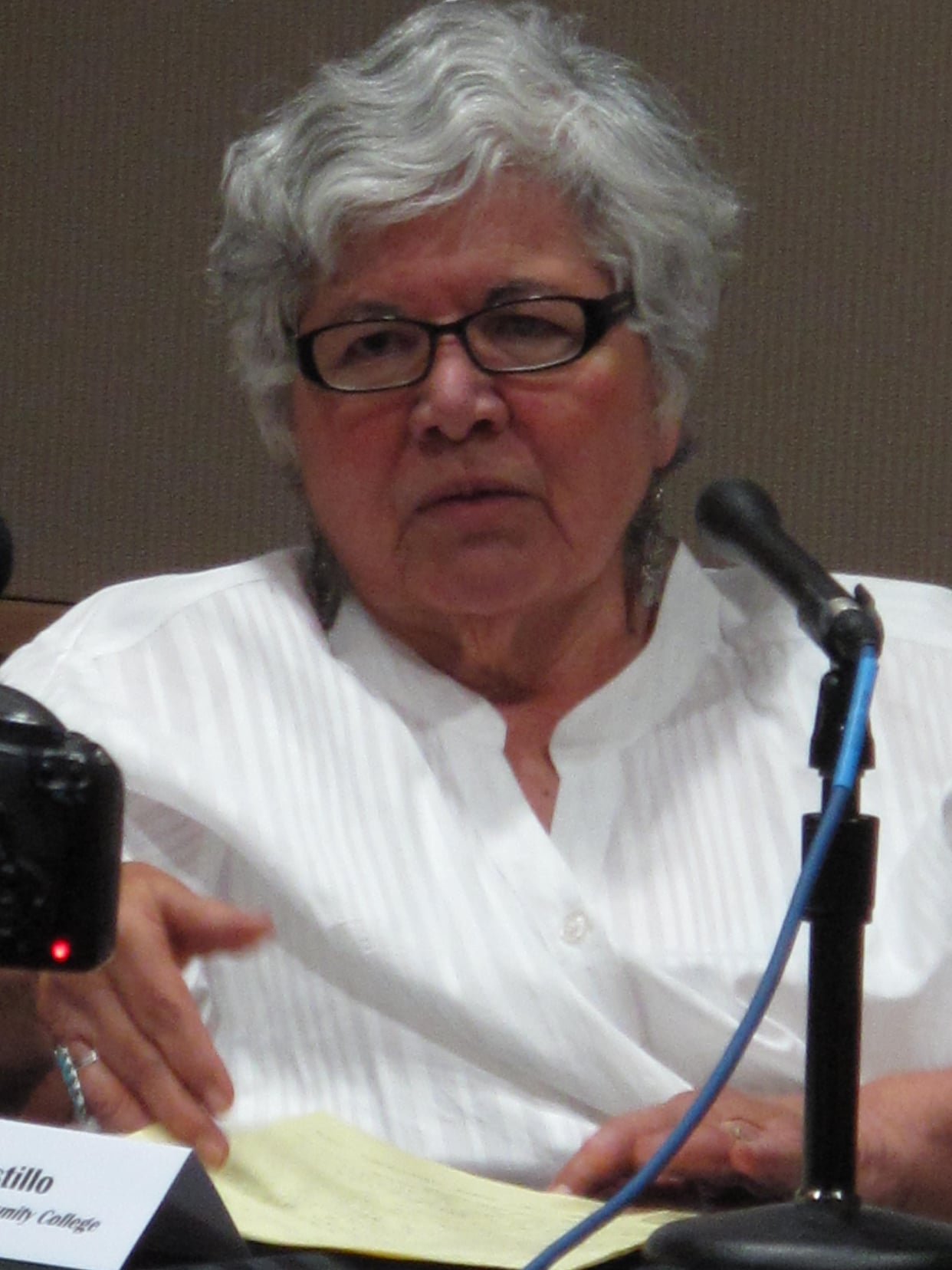
April 29: “50 Years: Tucson’s Mexican American Community” is a discussion with Lupe Castillo, a faculty member at Pima Community College, and Margo Cowan, a Pima County public defender.
Promotional material designed by Marty Taylor, University of Arizona Libraries
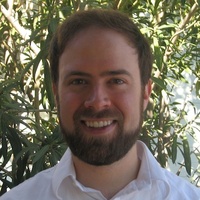
Dr. Bradley Schauer
From the UA News Service:
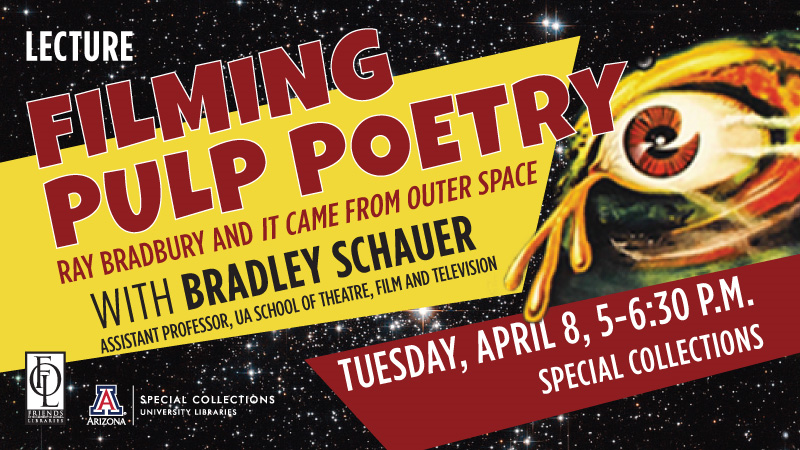
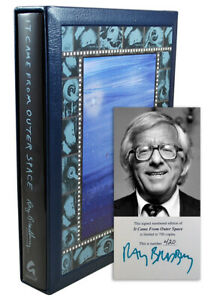
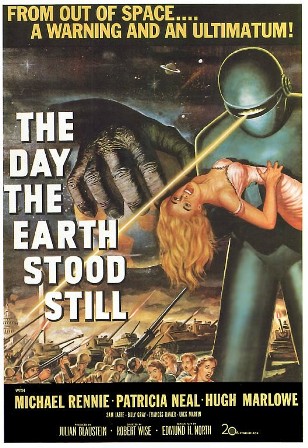
“In this is the final lecture accompanying Special Collections’ “Mars Madness” exhibition, Bradley Schauer, assistant professor in the UA School of Theatre, Film and Television, explores “Filming Pulp Poetry: Ray Bradbury and It Came From Outer Space.”
In 1953, Universal Studios – known for its horror films – released its first science fiction feature of the ’50s, “It Came From Outer Space,” written by prominent science fiction writer Ray Bradbury. Based in part on Bradbury’s childhood memories of living in Tucson, “It Came From Outer Space” is a haunting and beautiful film that challenges easy assumptions about ’50s science fiction films being “schlocky” or campy.
Schauer will detail the production history of the film, discussing how Bradbury and the filmmakers were able to create an eerie and poetic film while still giving science fiction fans the scares and thrills they expected from the genre.”
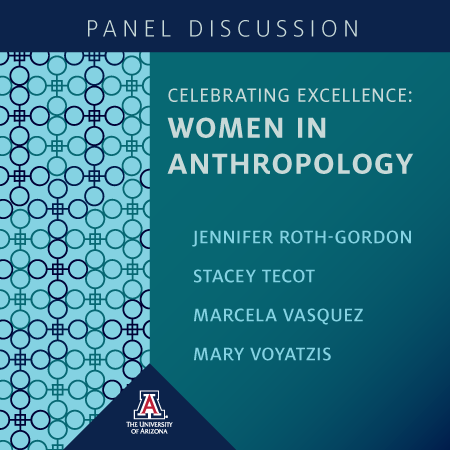
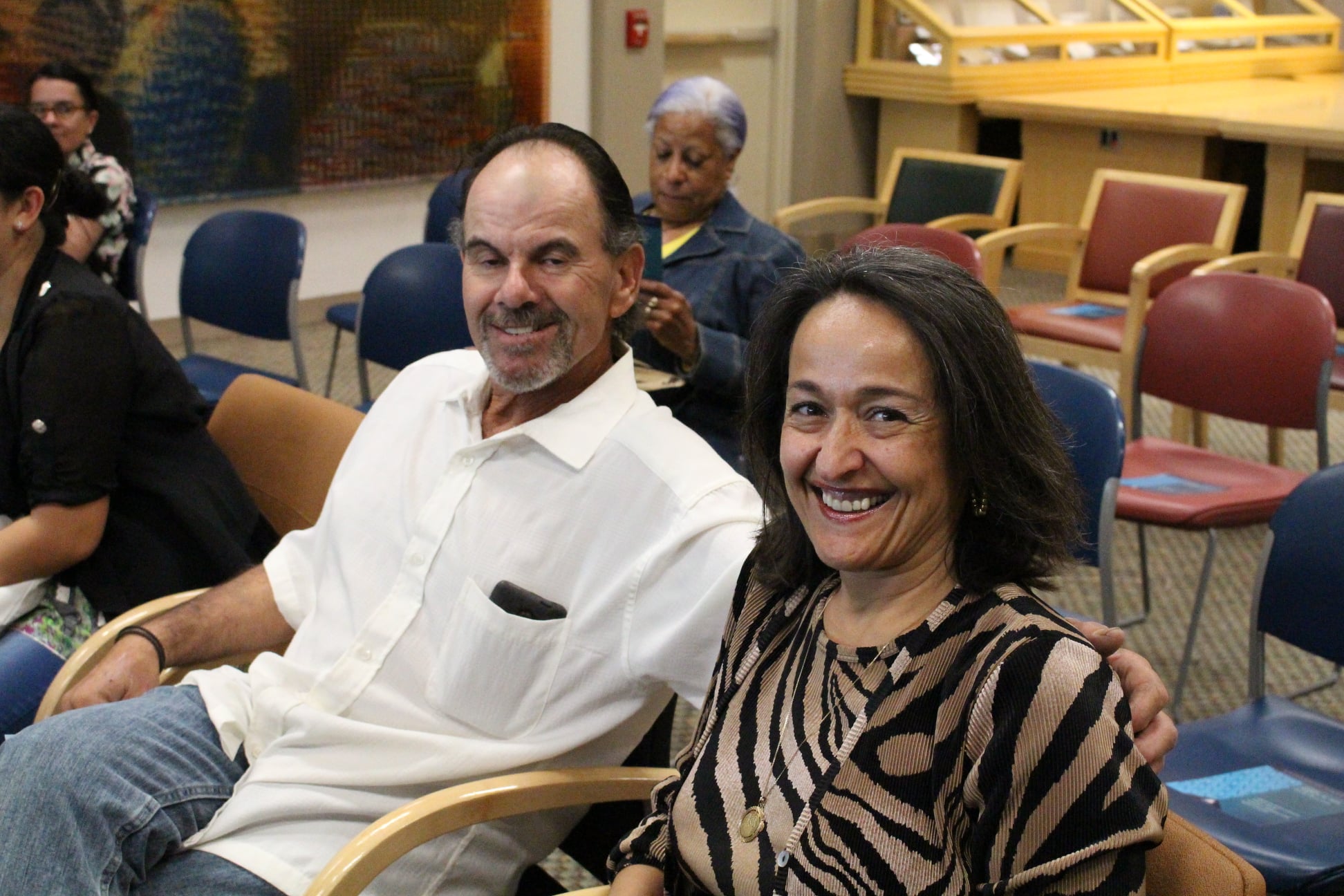
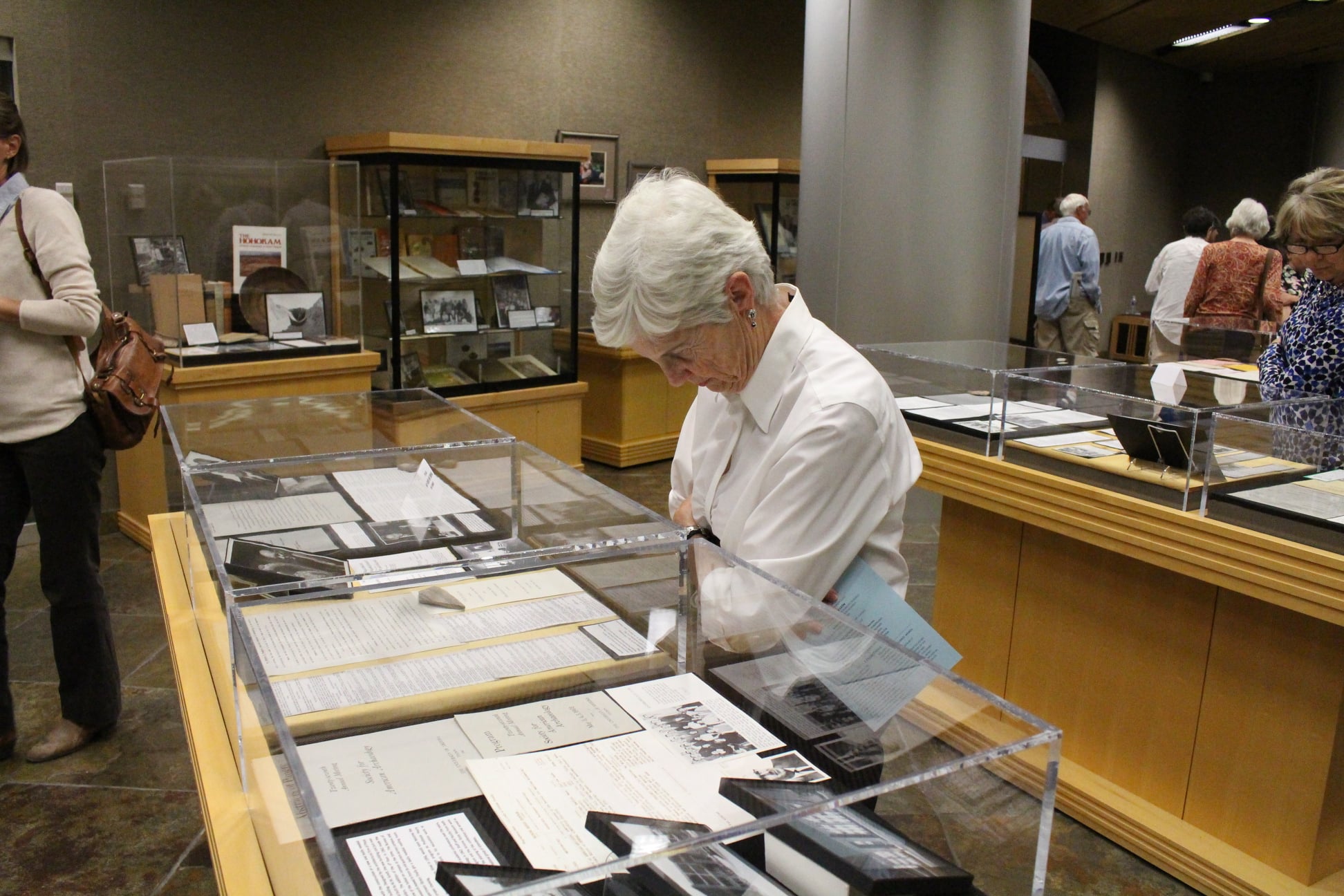
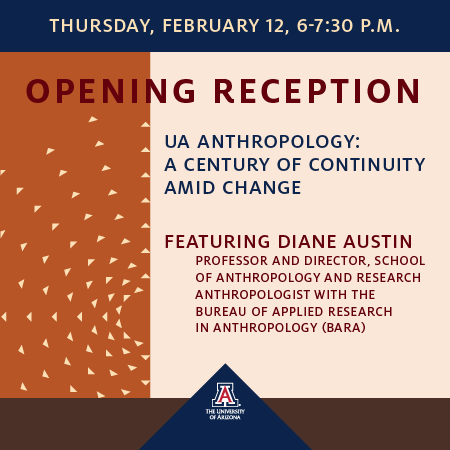
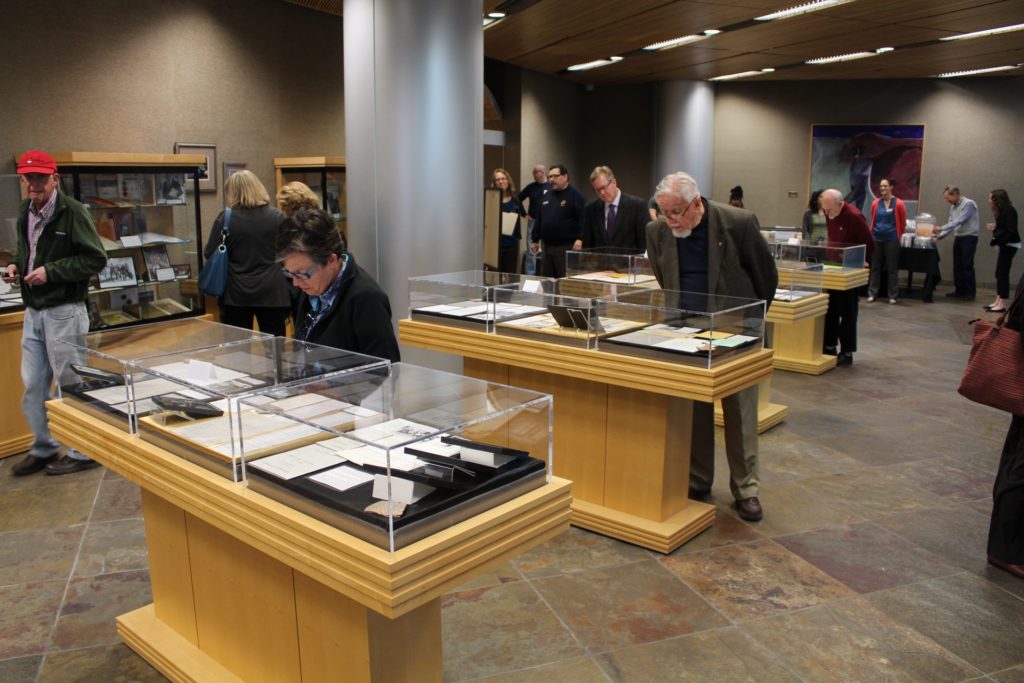
From the UA News Service: Join us for the second talk accompanying two concurrent exhibitions: “Celebrating Excellence: Women in Anthropology”, on display in the Main Library, and “Celebrating Excellence: 100 Years of UA Anthropology”, on display in Special Collections.
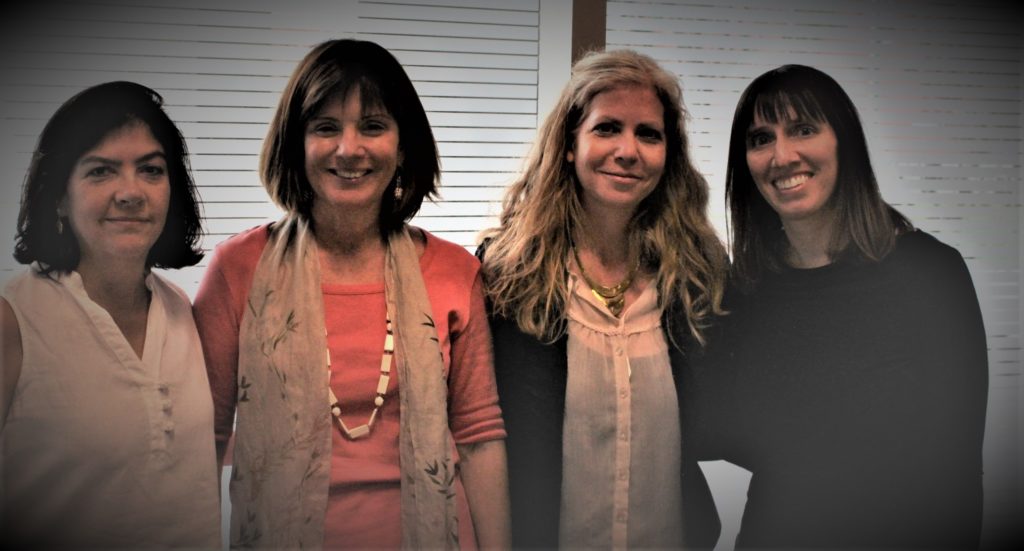
In this panel discussion, four distinguished female faculty members from the UA School of Anthropology share their perspectives on impact of their research and their professional experiences in the field of anthropology.
Panel Speakers:
Jennifer Roth-Gordon, Associate Professor, Anthropology Stacey Tecot, Assistant Professor, Anthropology Marcela Vasquez-Leon, Associate Professor, Anthropology & Associate Research Anthropologist, Bureau of Applied Research in Anthropology Mary Voyatzis, Professor, Anthropology
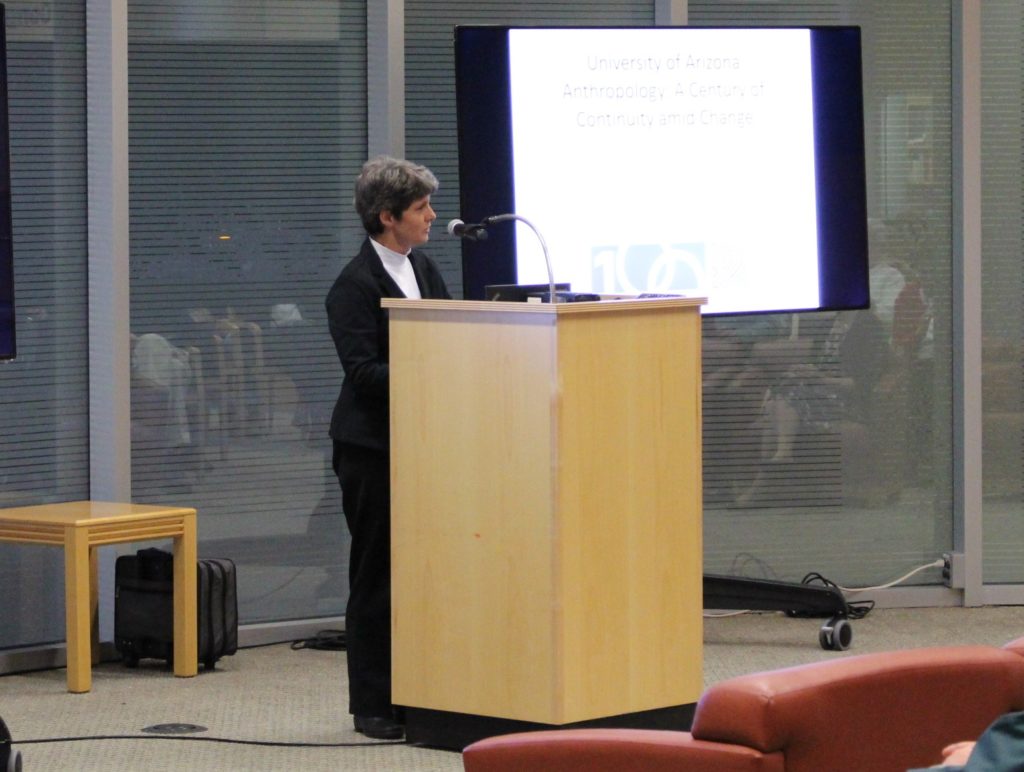
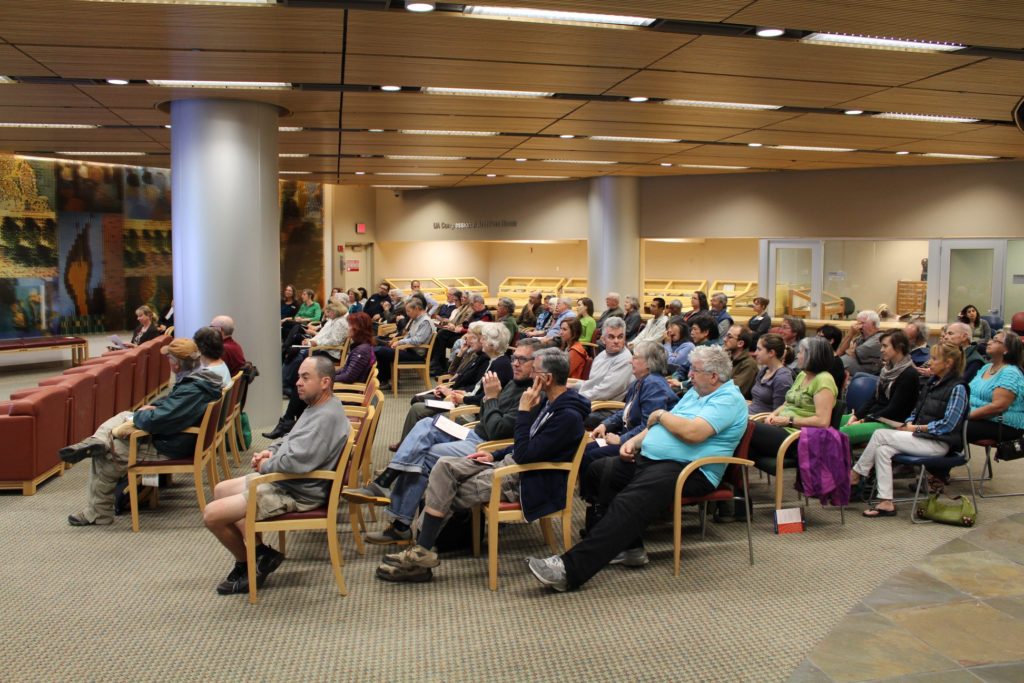
“Join us as Diane Austin, Professor and Director of the School of Anthropology and Research Anthropologist with the Bureau of Applied Research in Anthropology (BARA) opens Special Collections’ newest exhibition.
The presentation will highlight some of the key historical and current challenges addressed by University of Arizona anthropologists”
5:30: Welcoming Remarks by Karen Williams, Dean of The University of Arizona Libraries
5:45: Brief remarks from our guest elected officials Tucson Mayor Jonathon Rothschild and Pima County Board of Supervisors Chairperson, Richard Elias
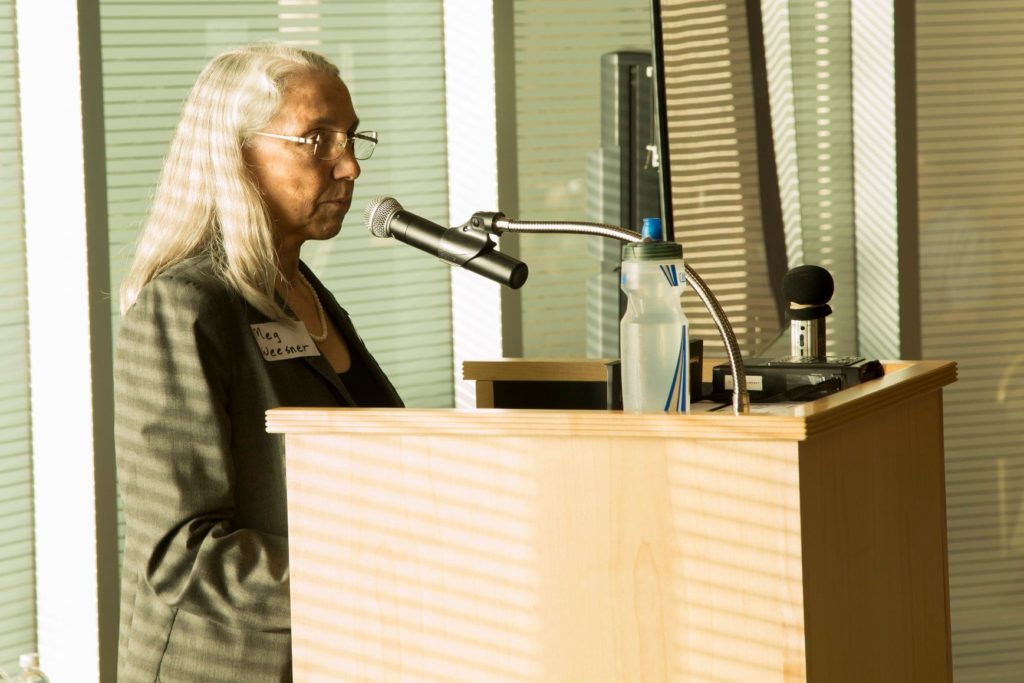
6:00: Presentation by Meg Weesner, retired National Park Service Ranger
6:45: Reception
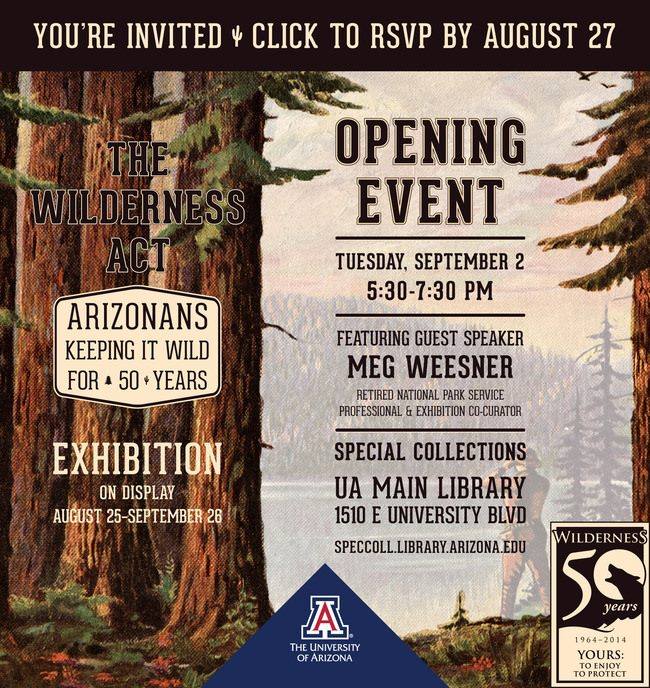
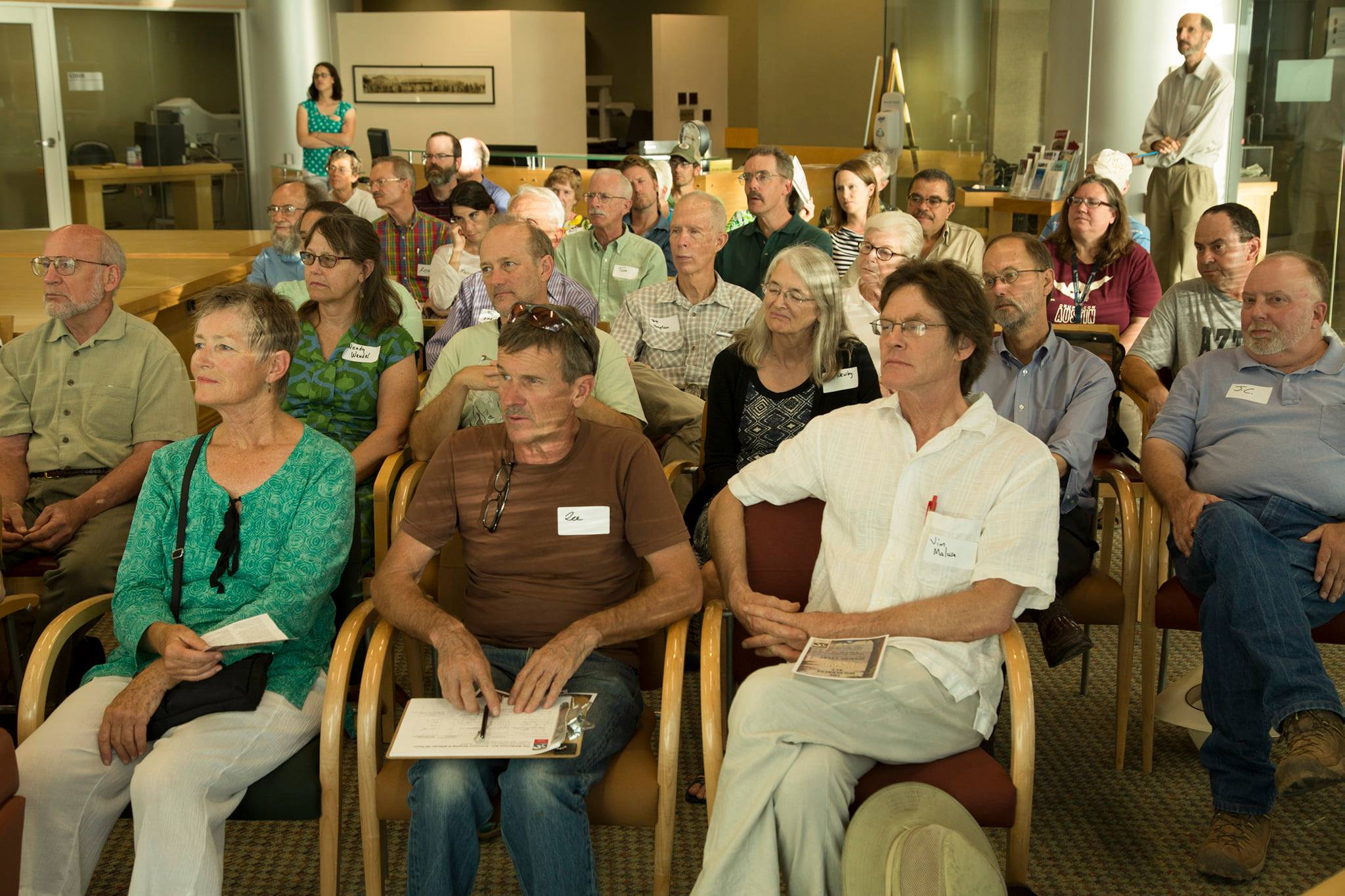
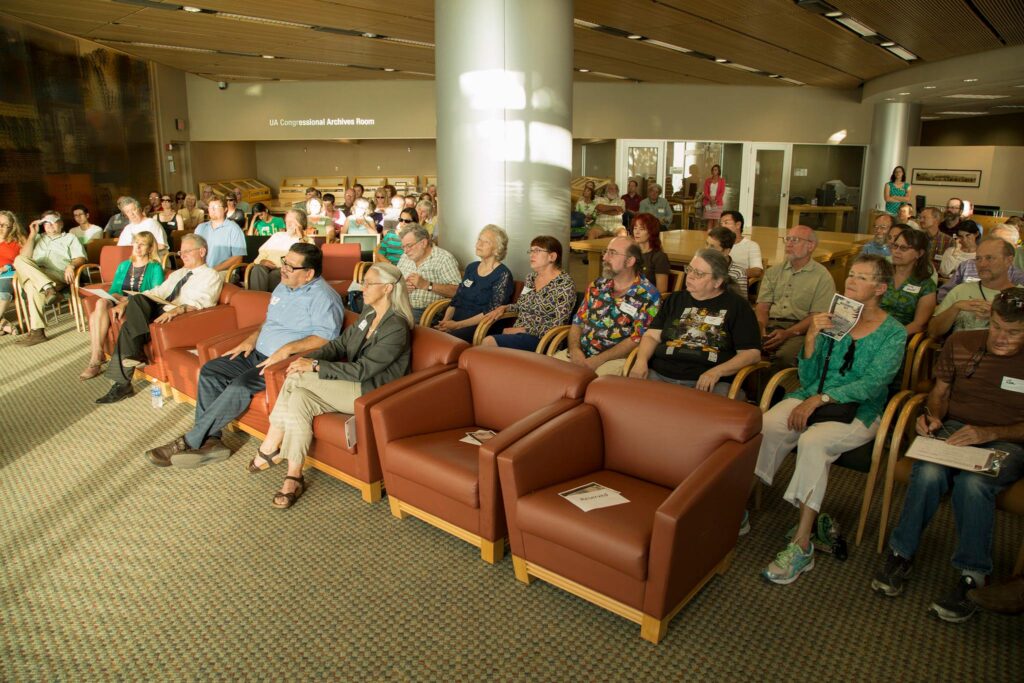
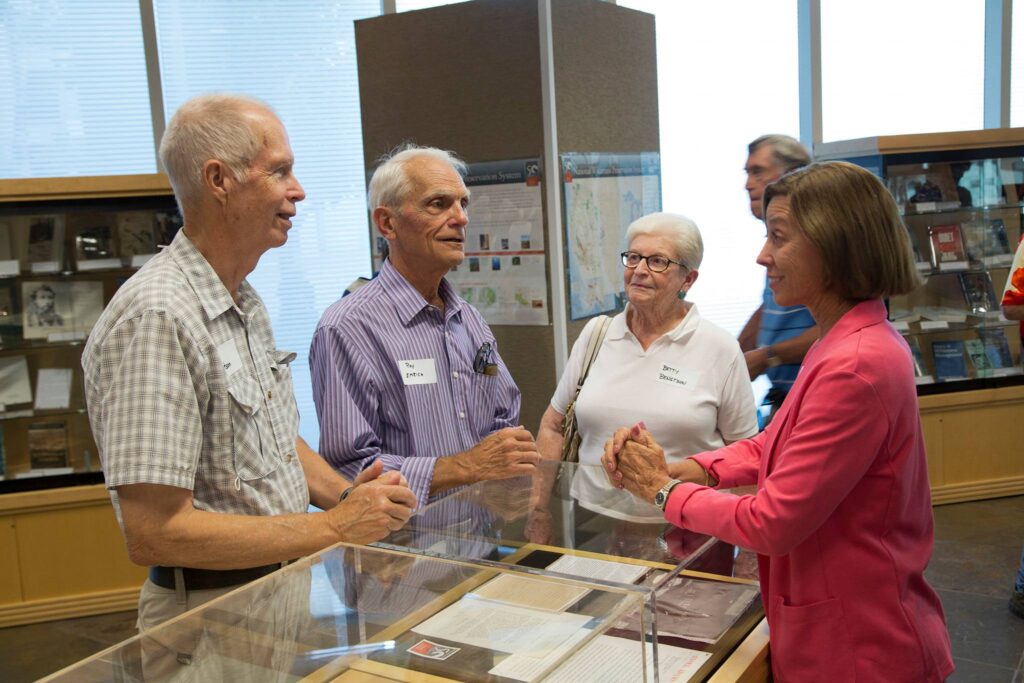
Welcome to the opening event for the “Wilderness Act: Arizonans Keeping It Wild for 50 Years” exhibition.
It has been a great pleasure to work with my co-curator and tonight’s featured speaker, Meg Weesner, on this exhibit, which celebrates the 50th Anniversary of the signing of the Wilderness Act and acknowledges the work of three key figures in the environmental movement: Stewart Udall, Morris K. Udall, and Edward Abbey, as well as the works of early and modern wilderness thinkers and writers.
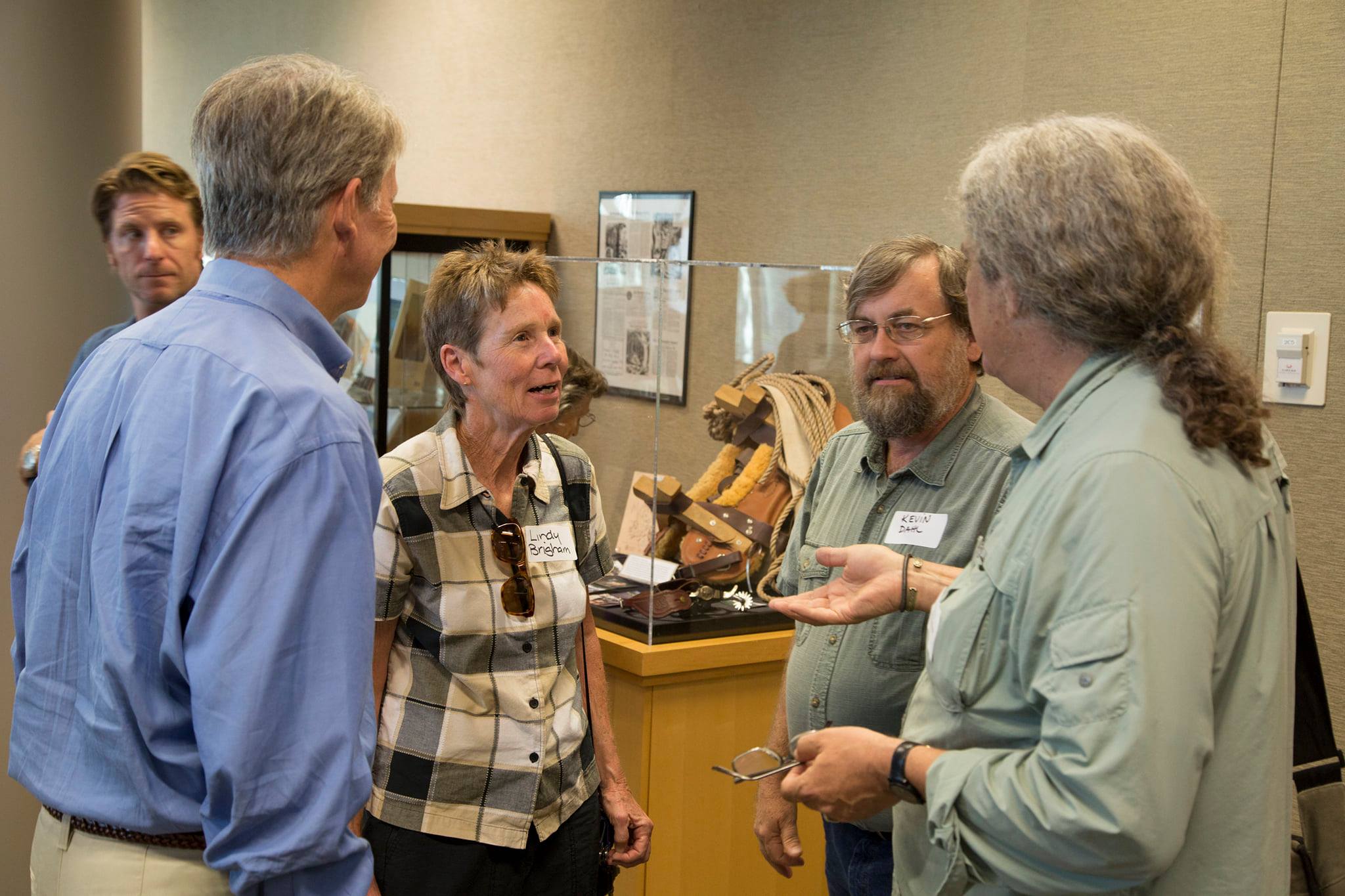
I’d like to thank Kevin Dahl, program manager of the field office of the National Parks Conservation Association, and Special Collections student assistant Jarrod Mingus, for their assistance with the exhibit. Curating this exhibit was indeed a labor of love, and a true team effort!
Thanks also to the Friends of the University Library and the Dean of the Library, Karen Williams for their support.
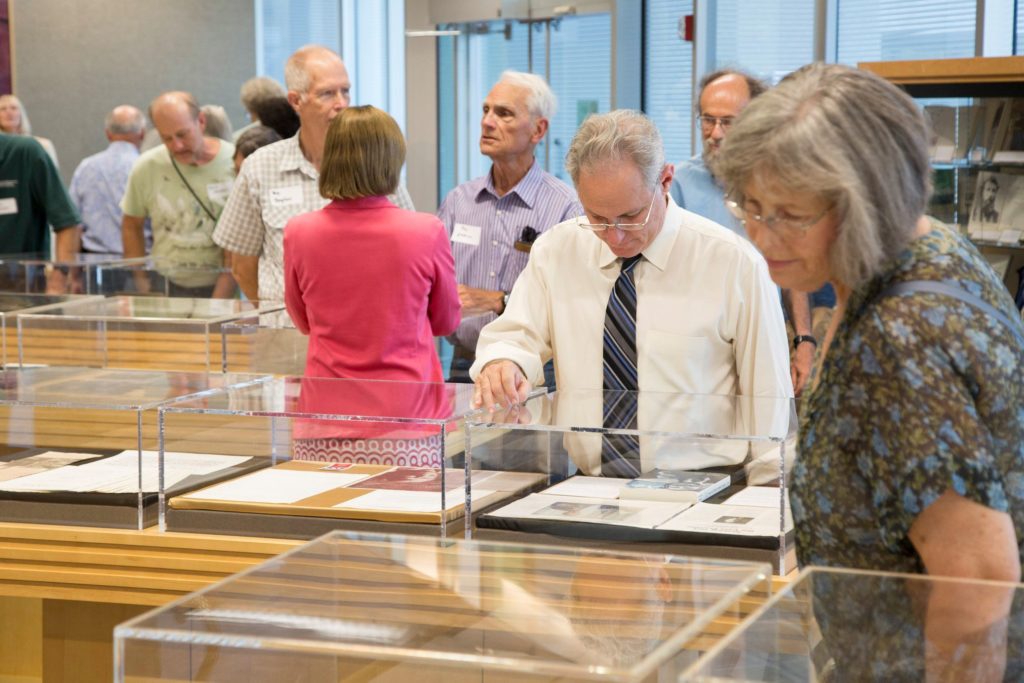
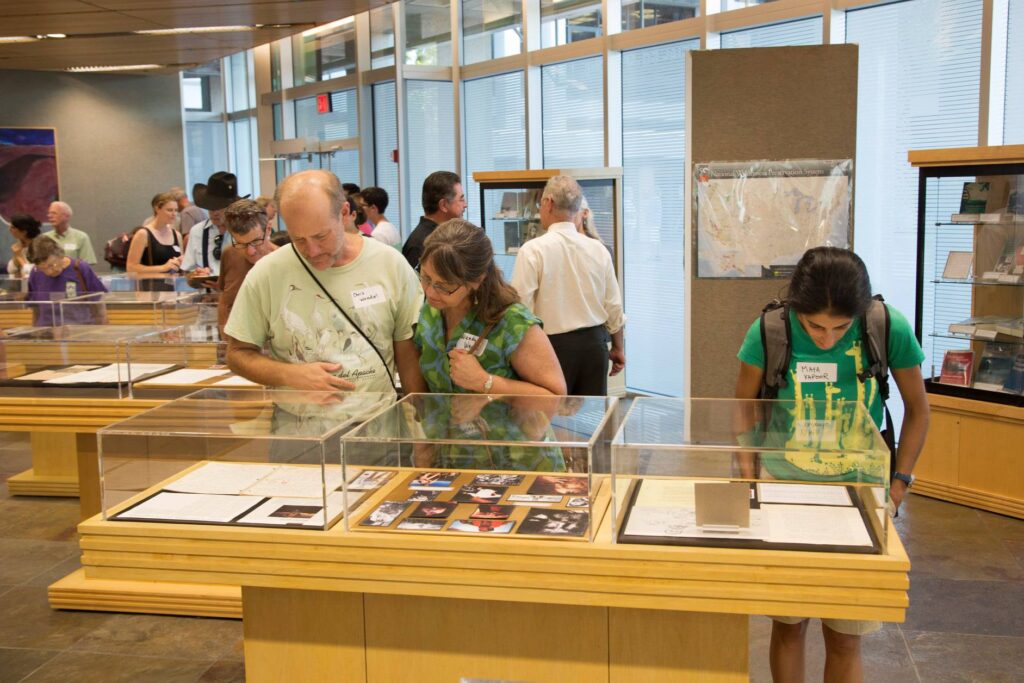
I hope you take some time tonight to examine the documents and photos and to read the quotes and descriptions in each of the exhibit cases. I’m sure you will be pleasantly surprised to learn how fortunate we Arizonans are to have so much wilderness in our midst.