Category Archives: My Favorite Things

Tina Turner remembered

Most of the material included here–record albums, photos, cds and magazine articles, etc.– comes from my personal archives. However, I’ve added a few videos, photos and graphics from other sources to help tell the story of my lifelong infatuation with the music of Tina Turner.  
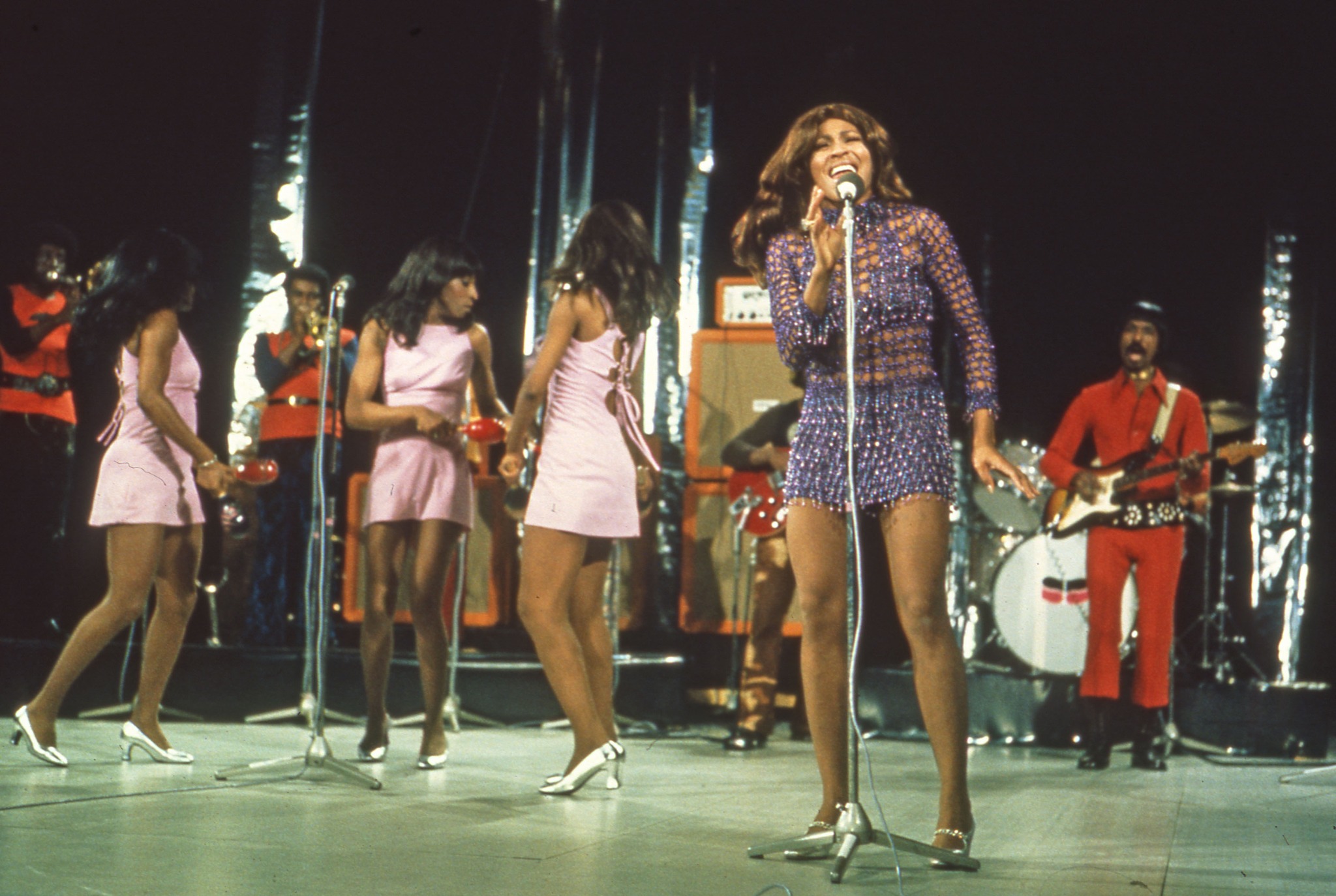
My earliest recollections of Tina Turner go back to when I was a 12-year old kid watching her on television performing Proud Mary with Ike Turner and the Ikettes back in the early 70s. She had long legs, wore mini-skirts and a long dark brown wig, and could dance and sing like nobody’s business. I can close my eyes and clearly see her and her girls dancing in unison like crazy, tossing their hair back and forth as they did a rolling motion with their arms, while Tina belted out the lyrics to Proud Mary. It was a wild thing to witness. The group must’ve appeared on several tv shows in the Sixties and Seventies. Their onstage energy was unmatched.
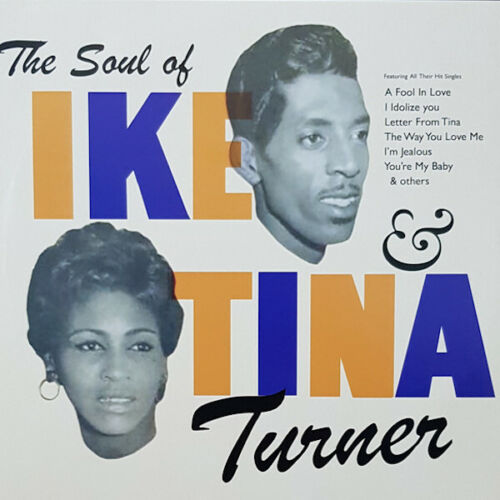
The Soul of Ike and Tina Turner / 1961

I must admit, I have not studied Ike and Tina Turner’s recording history much until just recently. Slowly but surely, I’m piecing things together. They first recorded together in 1960-61 and had a couple of hits that included “A Fool In Love” and “It’s Gonna work Out fine” which I remember hearing on some of the oldies anthologies that I had bought when I first started collecting albums in earnest while in college. I have a cd re-issue of their first album, shown above, titled “The Soul of Ike and Tina Turner”.
This version of A Fool In Love was recorded for the program, Shindig on November 25, 1964, not 1960 as the note on the video screen indicates.
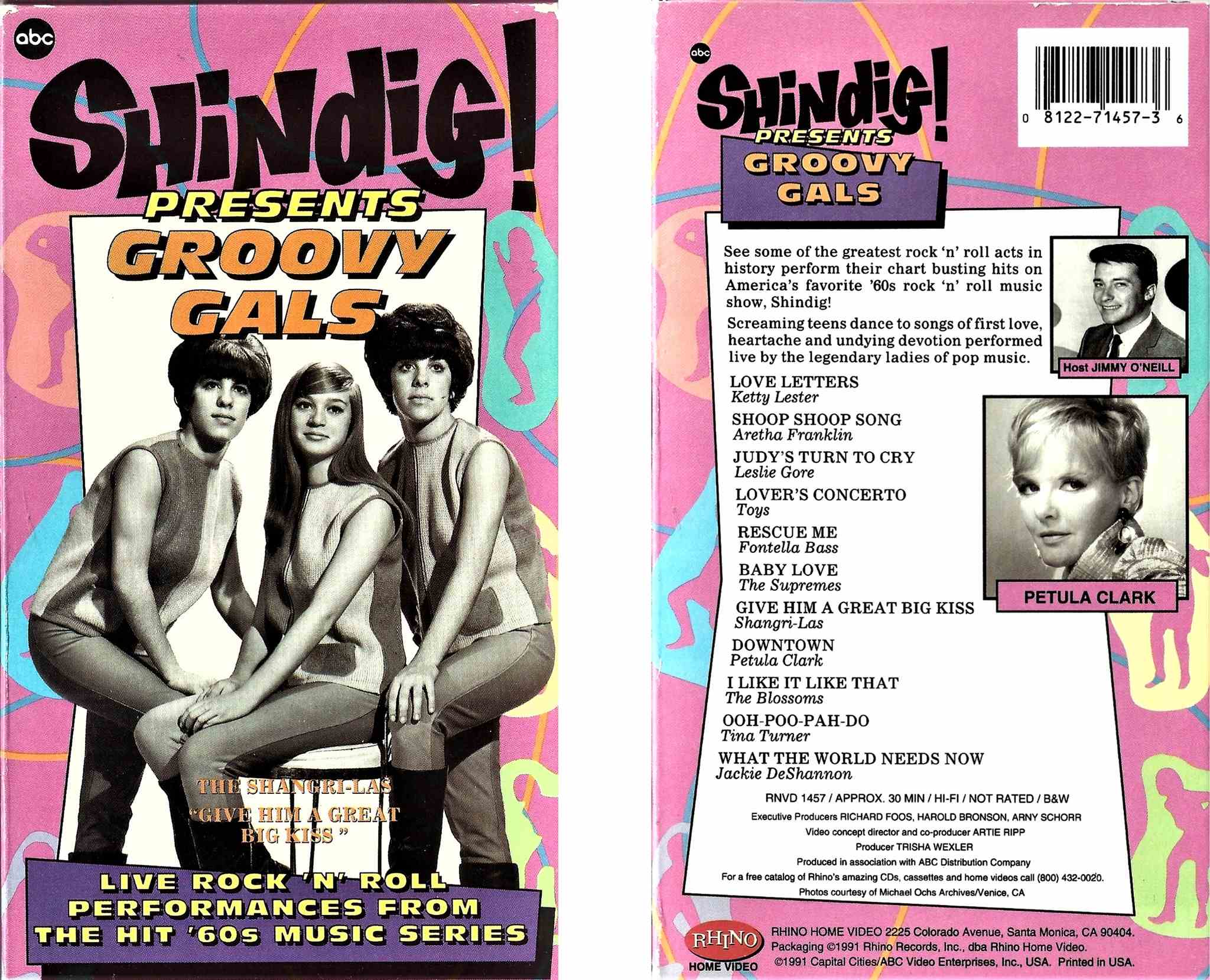
This is from my music videos collection. Tina performs Ooh Poo Pah Doo.

I also have a video of Tina performing with Marvin Gaye on the tv show Shindig in the mid-60s. I think they sang the song Money and I’ll be Doggone. She also performed A Fool in Love and Ooh Poo Pah Doo on the program. I used to love to watch the show on television. Aretha Franklin also appeared on it a number of times. It was great. Lots of popular groups performed on it and other shows like Hullabaloo.
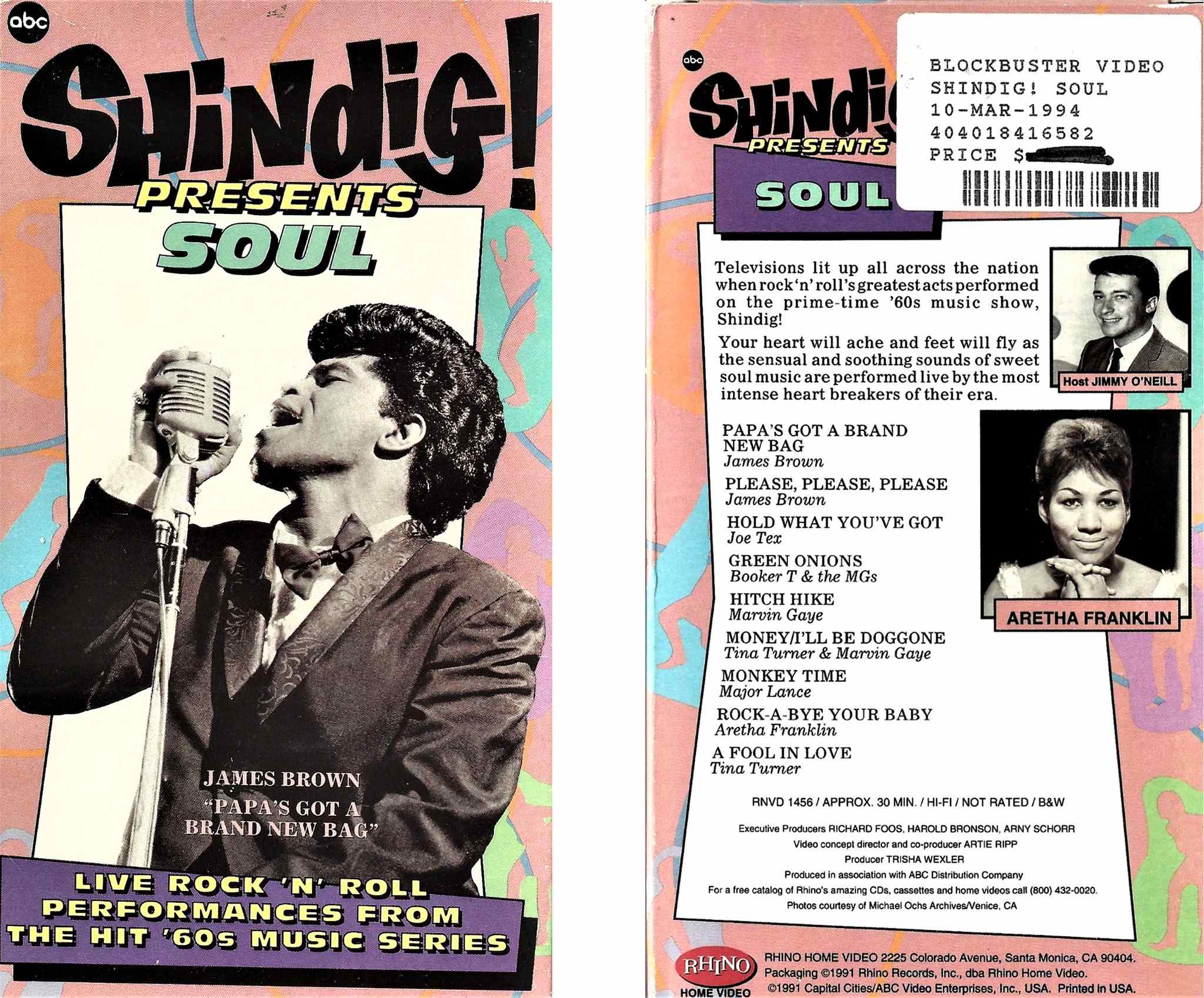
On this tape, also from my music videos collection, Tina performs A Fool In Love.
The medley includes the tunes, “Money”, “I’ll Be Doggone” and “That’ll Be The Day”. What a pair!
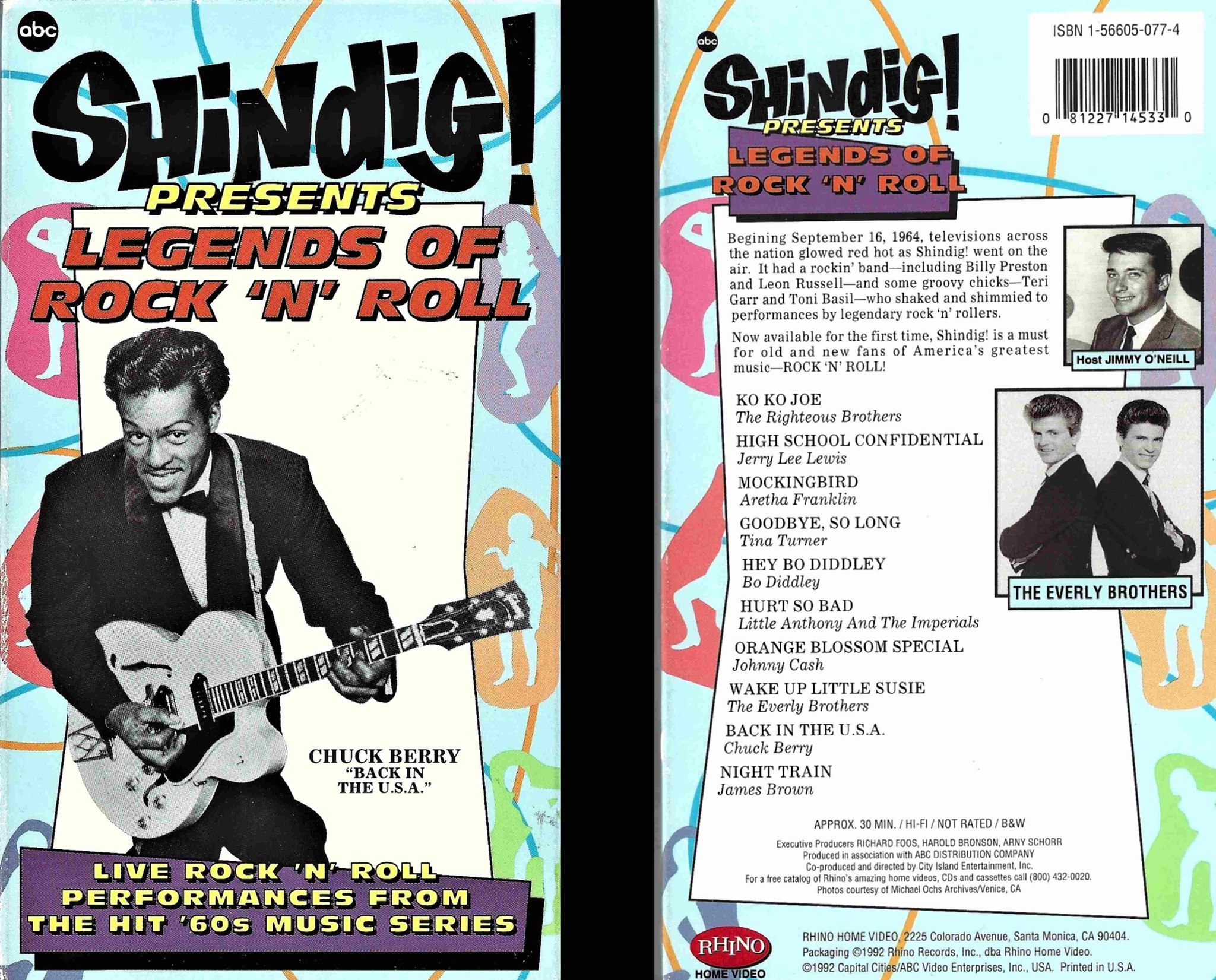
Here’s another TIna Turner performance on Shindig. It’s available on the following–“Shindig Presents Legends of Rock N’ Roll”:
1992 video compilation of Shindig programs from the Mid-1960s. From my collection of music videos..
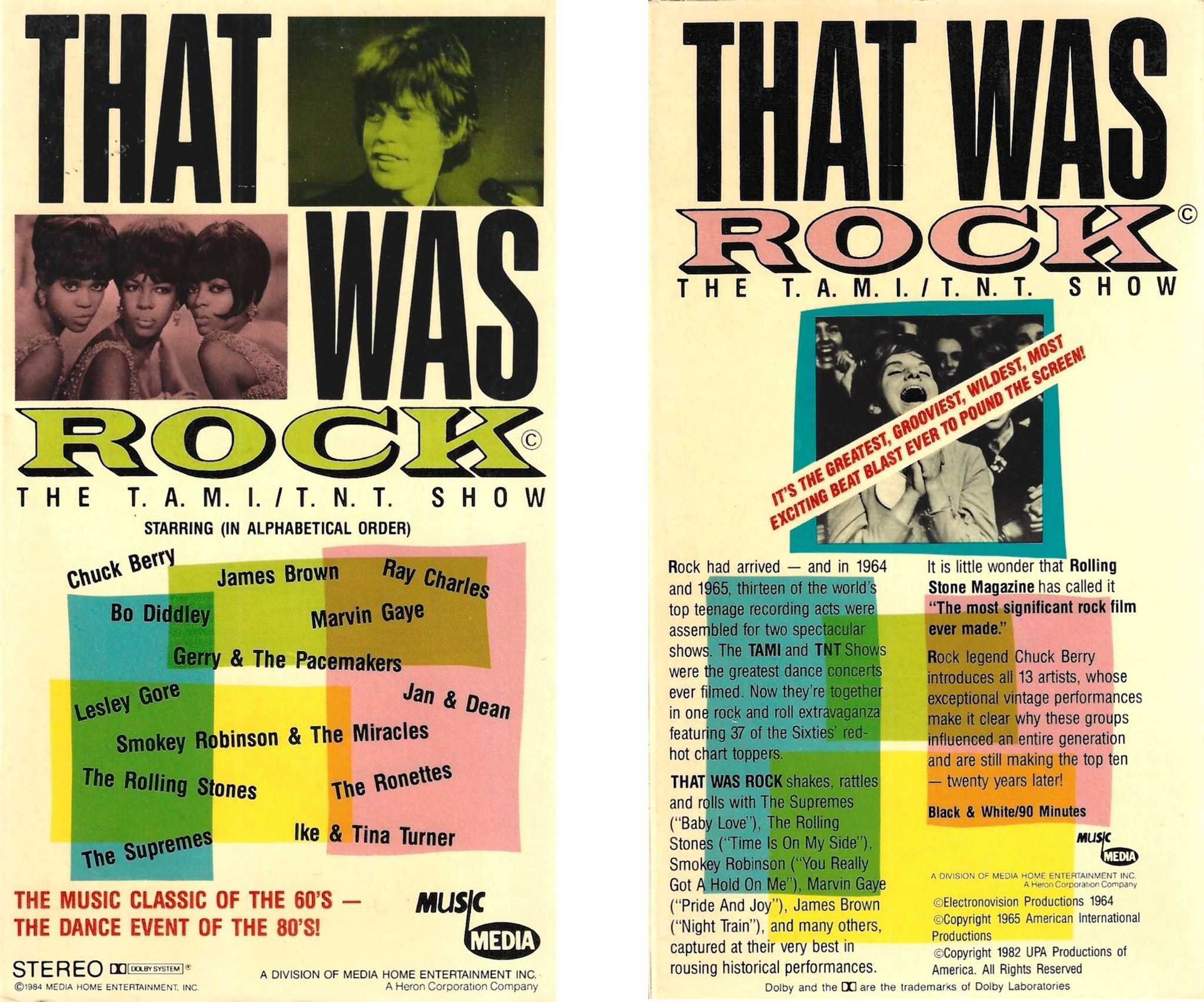
Ike and Tina also performed on a television concert program called the “Big T.N.T. Show” in 1966. The songs they performed were:  Shake, A Fool In Love, It’s Gonna Work Out Fine, Please, Please, Please, Goodbye, So Long and Tell The Truth. The above concert tape is from my music video collection.

Here’s more about the Big T.N.T. concert from Wikipedia : “The Big T.N.T. Show is a 1966 concert film. Directed by Larry Peerce and distributed by American International Pictures. It includes performances by numerous popular rock and roll and R&B musicians from the United States and the United Kingdom. A sequel to 1964’s The T.A.M.I. Show, and, like it, executive produced by Henry G. Saperstein, The Big T.N.T. Show was likewise shot on videotape and transferred to 35-millimeter film. Some footage from it was reused in the film That Was Rock,  a.k.a. The T.A.M.I. / T.N.T. Show (1984).”
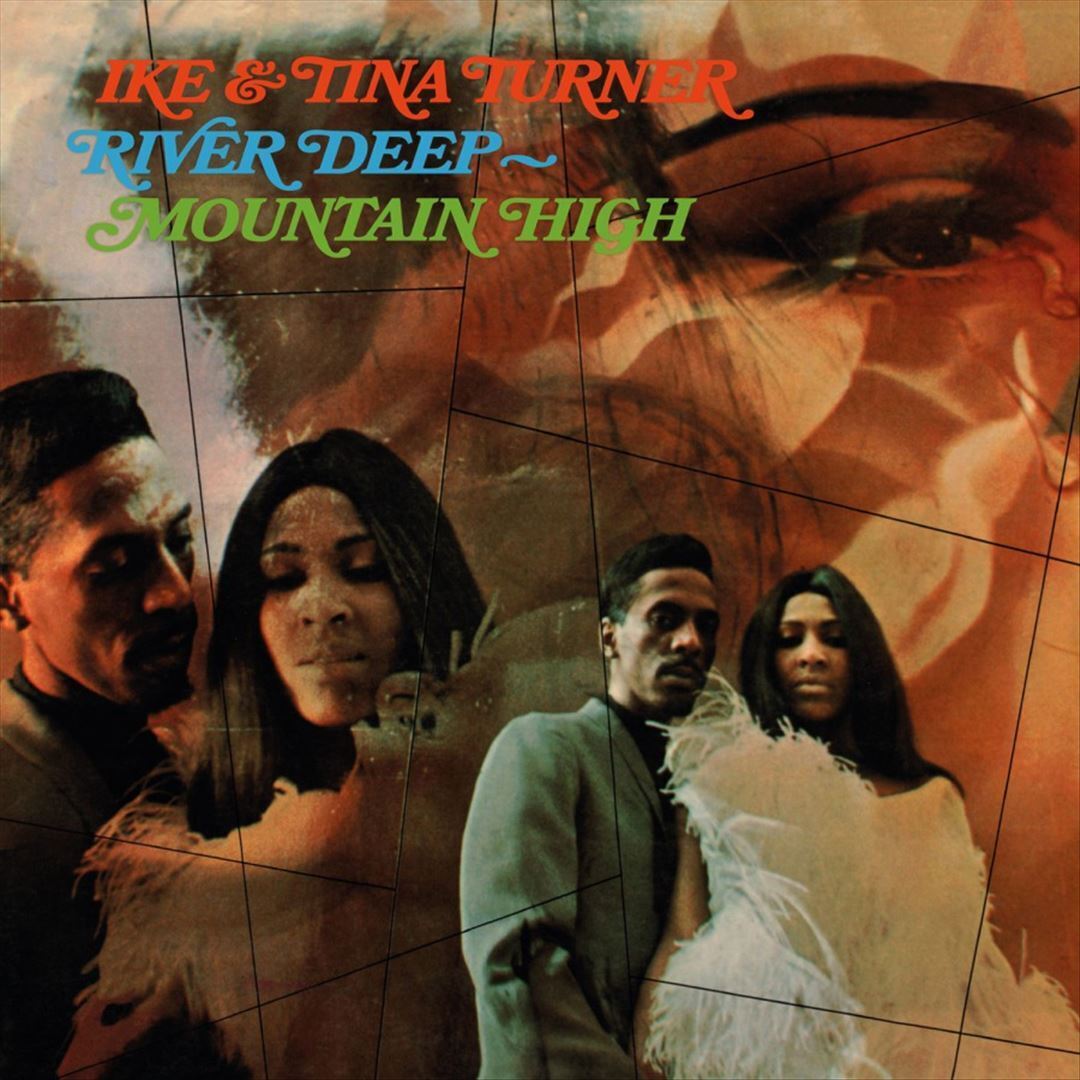
River Deep, Mountain High / released in the US in 1969.

Two of the first record albums I acquired when I was in college were the legendary recording, River Deep Mountain High, and a compilation album titled, The Soul of Ike and Tina Turner, which consisted of songs recorded in the mid-60s on the Kent record label. Phil Spector recorded Tina singing River Deep Mountain High in England. He paid Ike to stay away from the recording studio while he recorded Tina’s vocals. The song has that very unique “wall of sound” quality that Spector was so famous for, and it features Tina singing her heart out. It was released in both the US and England, where it was a big hit. It didn’t do well at all in the States, however, and it is said that Phil Spector closed down his record company and went into seclusion afterwards because he was so disappointed in how the song did in the U.S. The album, while recorded in 1966, was released in England in 1967. In the US, the A & M label issued it in 1969. My copy has a few snap, crackle and pops, but doesn’t skip.
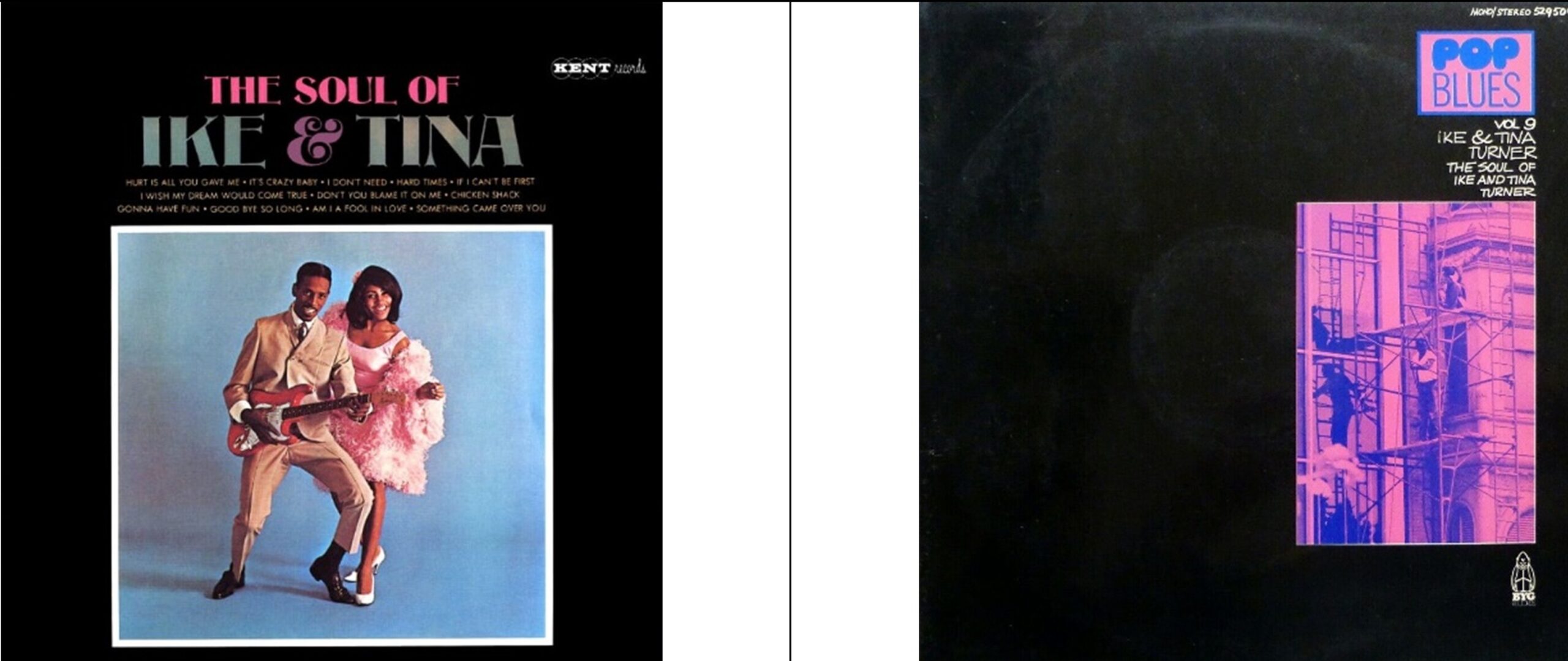
The original release of The Soul of Ike and Tina Turner, released in 1966, is on the left , and the 1971 French re-issue which I have in my collection is on the right.

I have a 1971 French import issue of the album, “The Soul of Ike and Tina Turner” (not to be confused with their very first release from 1961, which has the same title), which consisted of songs Ike and Tina recorded in the mid-60s on the Modern and Kent labels. The album was released originally in 1966 on the Kent label. The recording I have is in pristine condition and sounds amazing.

Two additional albums that I have are of live performances recorded at the Skyliner Ballroom (Fort Worth, Texas) and the Lovall’s Ballroom (Dallas, Texas) in 1964.
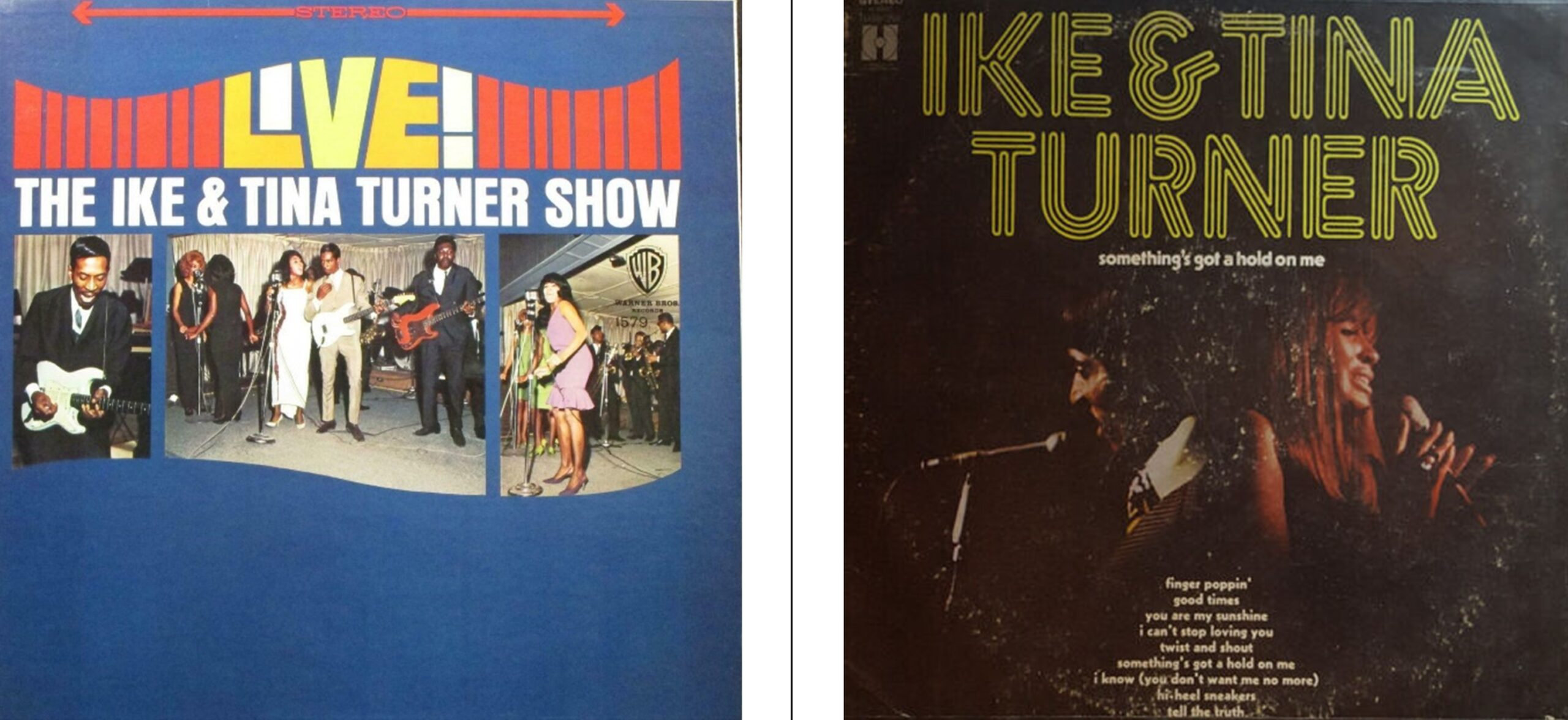
The first recording was originally titled, “Live!: The Ike and Tina Turner Show” and was released in January 1965 on the Warner Bros. label (Catalog Number: W 1579). The version I have is titled “Somehing’s Got A Hold On Me”. It was  released in 1971 on the  Harmony Records label. Three of the songs on the original recording are omitted from this version.
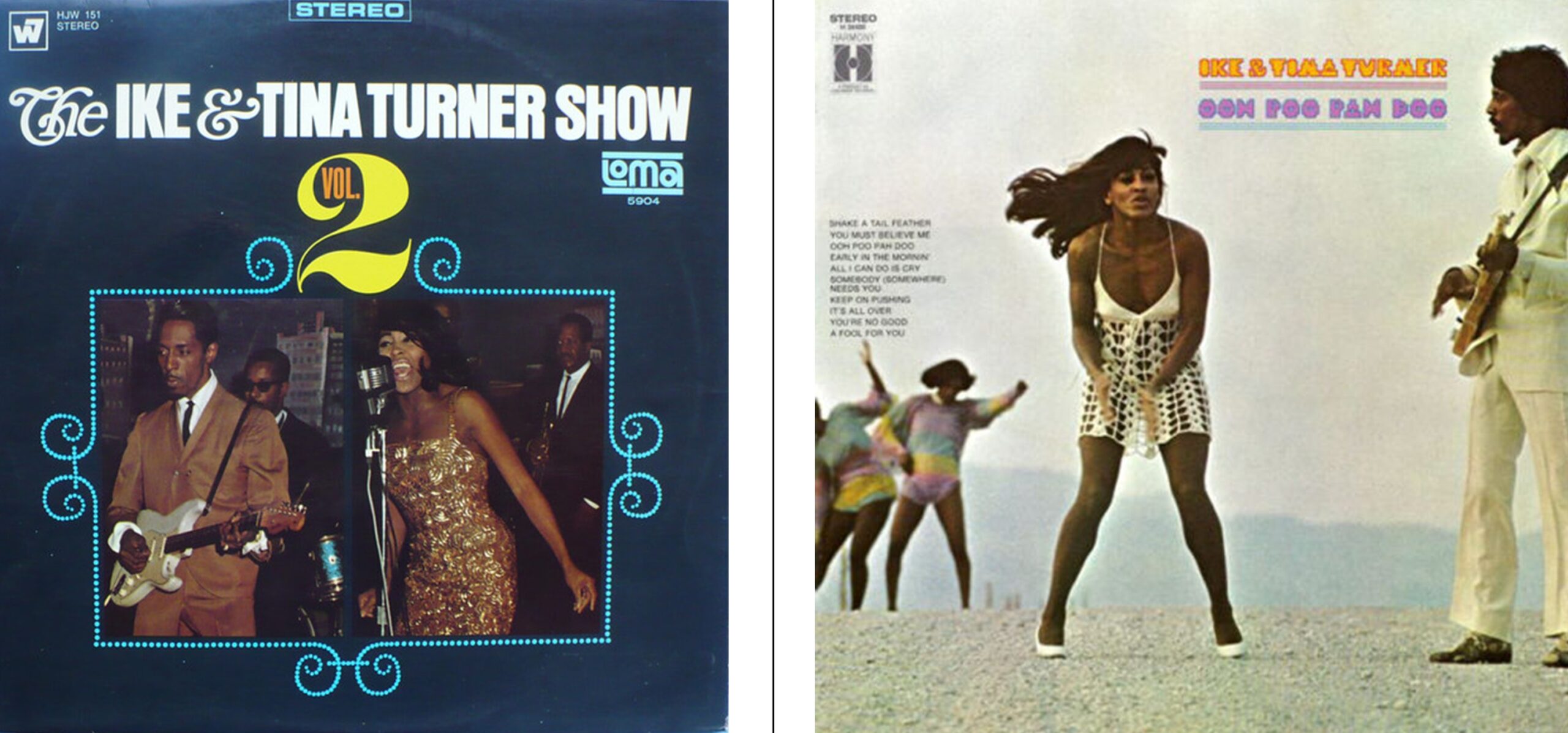
The second recording of the 1964 live performances was originally titled, “The Ike and Tina Turner Show, Vol. 2”, and was released in January 1967 on the Loma label, (Catalog number: LS 5904). The version I have was released in 1969 on the Harmony Records label,  and is titled Ooh Poo Pah Doo,

Because I had no idea of the details around the nearly 20 year recording history of Ike and Tina Turner, when I first started buying their records, I collected whatever I could find at the used record stores. There was no rhyme or reason to my collecting strategy, except that I liked finding records that cost under $5, and most of the ones I have averaged about $3 a disc.
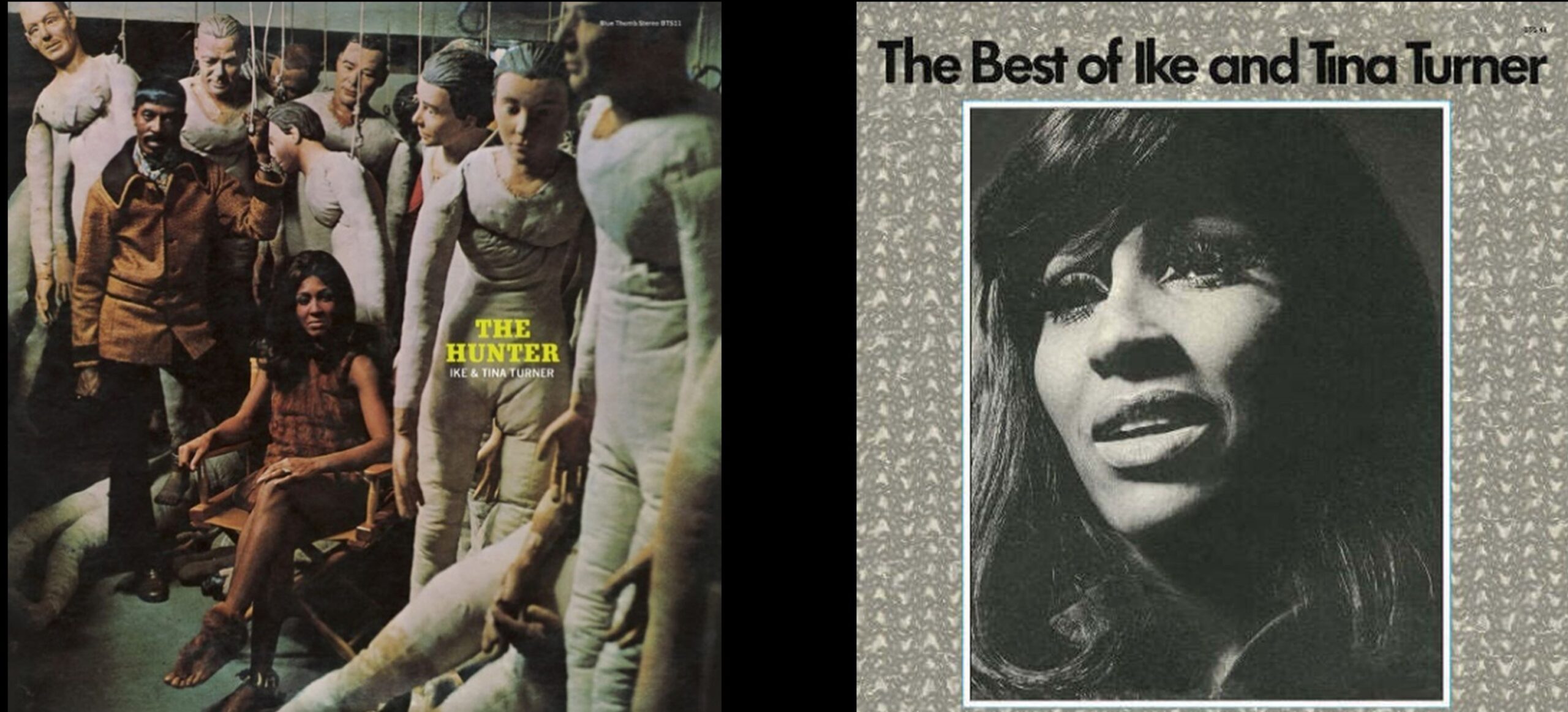
The Hunter / 1969________________________The Best of Ike and Tina Turner / 1973

In the late sixties, the group recorded for the Blue Thumb label, and many of the songs on the albums from this period are blues numbers. I really love the album, The Hunter, which I gave away to my good friends Mike and Denice. In hindsight, sometimes I think it was dumb of me to do that, but they were leaving town and I had to give them a gift, something memorable, so I chose that recording plus a John Lee Hooker album and a Taj Mahal album, all of which I had a hard time finding later. I did manage to find some of the Blue Thumb recordings on compact disc later.

She sang the blues like nobody’s business, but I’ve read that she didn’t like singing those songs that much. Dang. She’s one of the best blues singers I’ve ever heard. That’s really too bad, but there’s probably too much association with Ike Turner and the pain she endured while with him. I don’t think she sang the blues in the eighties at all.
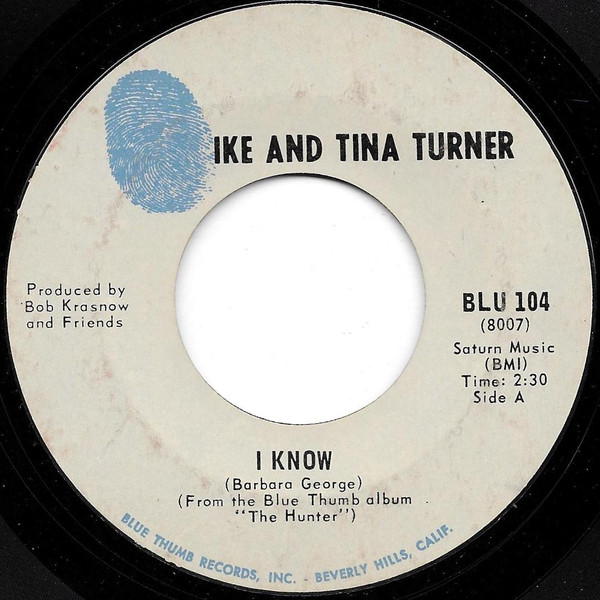
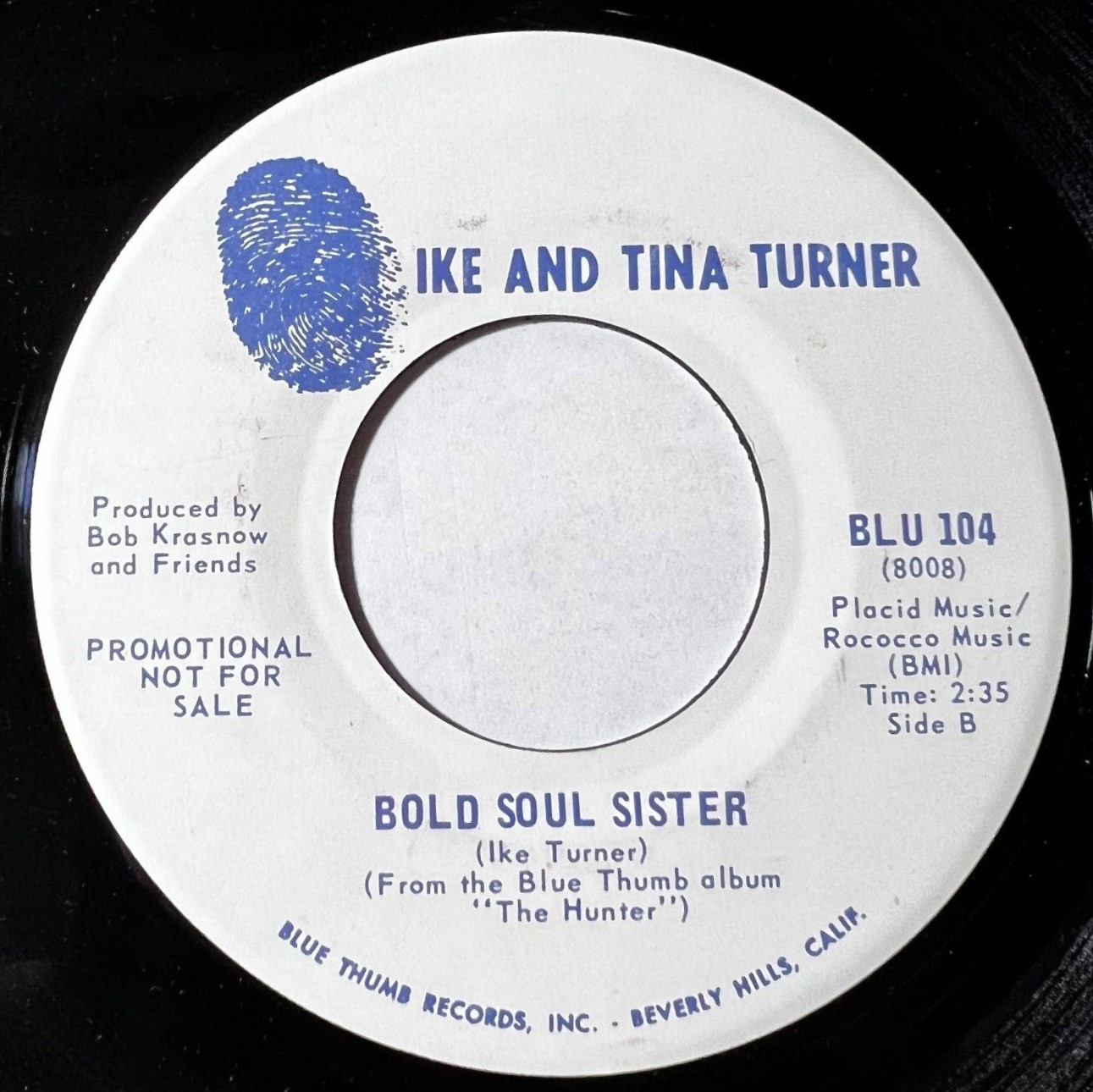
This is the only 45 I have of Ike and Tina Turner.

Ike and Tina Turner began performing Proud Mary in their live shows in 1969. In 1970, they recorded the song and it came out on their album, “Workin’ Together”. It became a huge hit in 1971. The performance that follows was recorded for the Ed Sullivan Show, where they appeared live on January 11, 1970. It also includes Bold Soul Sister.
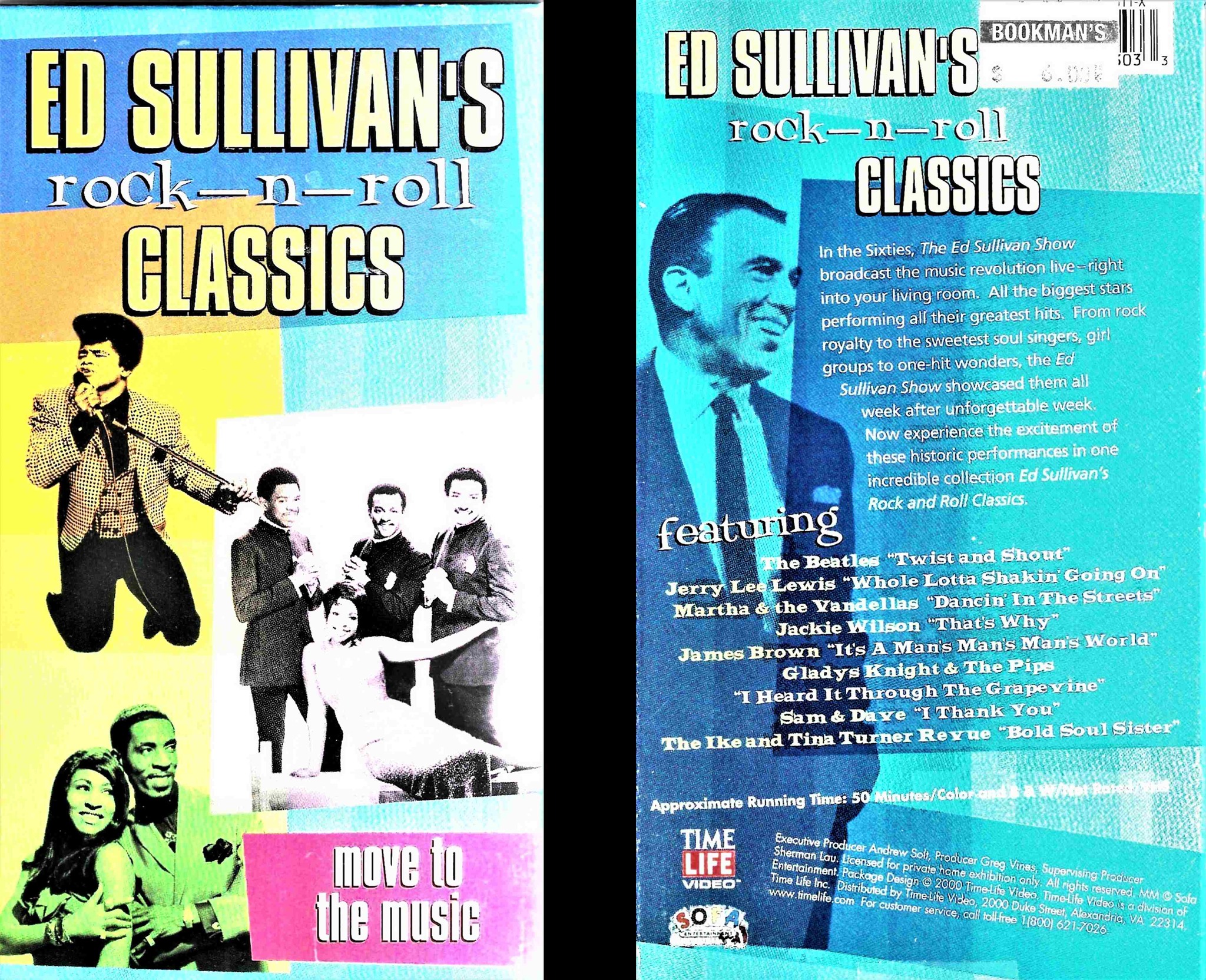
Bold Soul Sister appears on this anthology of musical performances from the Ed Sullivan Show. From my personal collection of music videos.

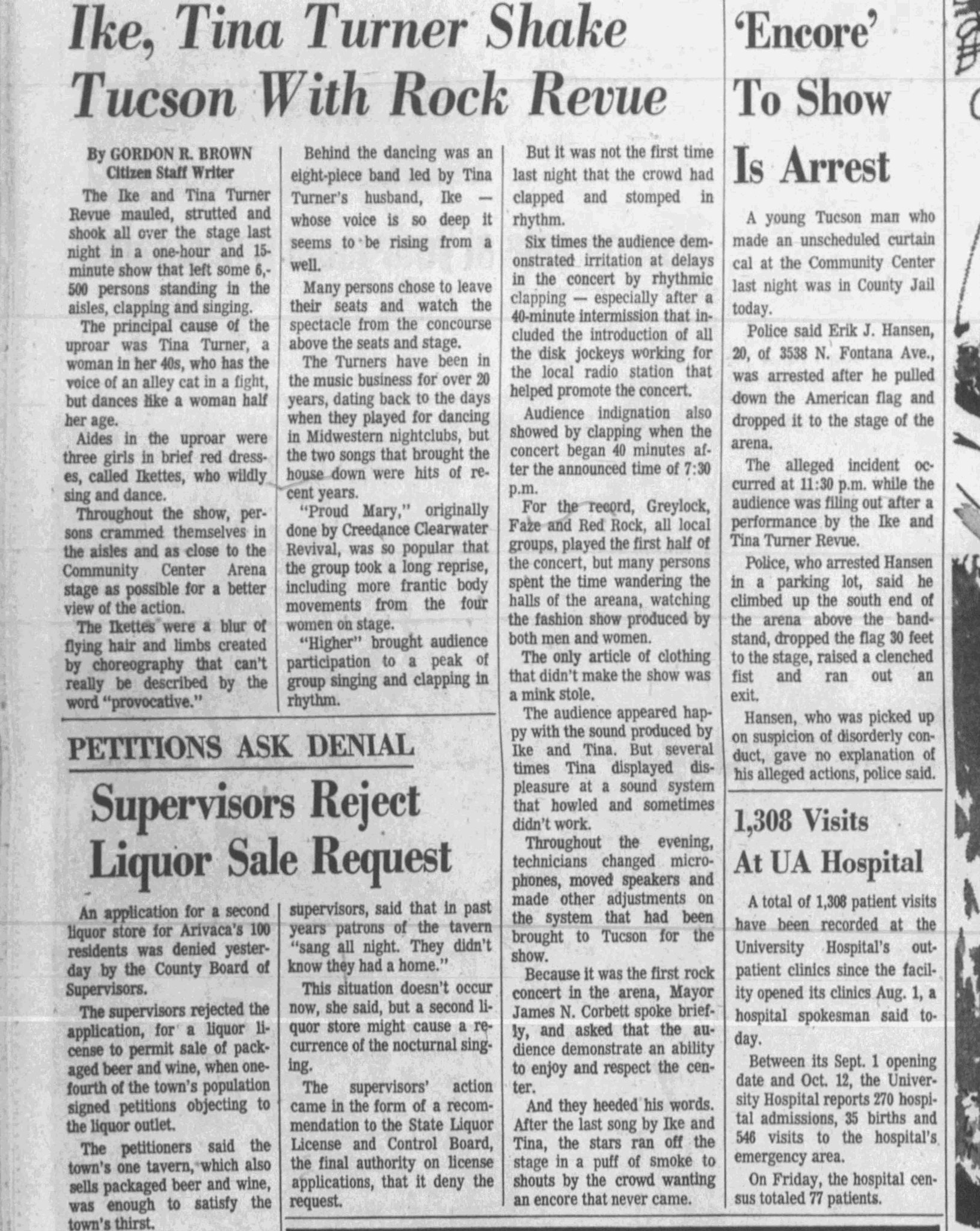
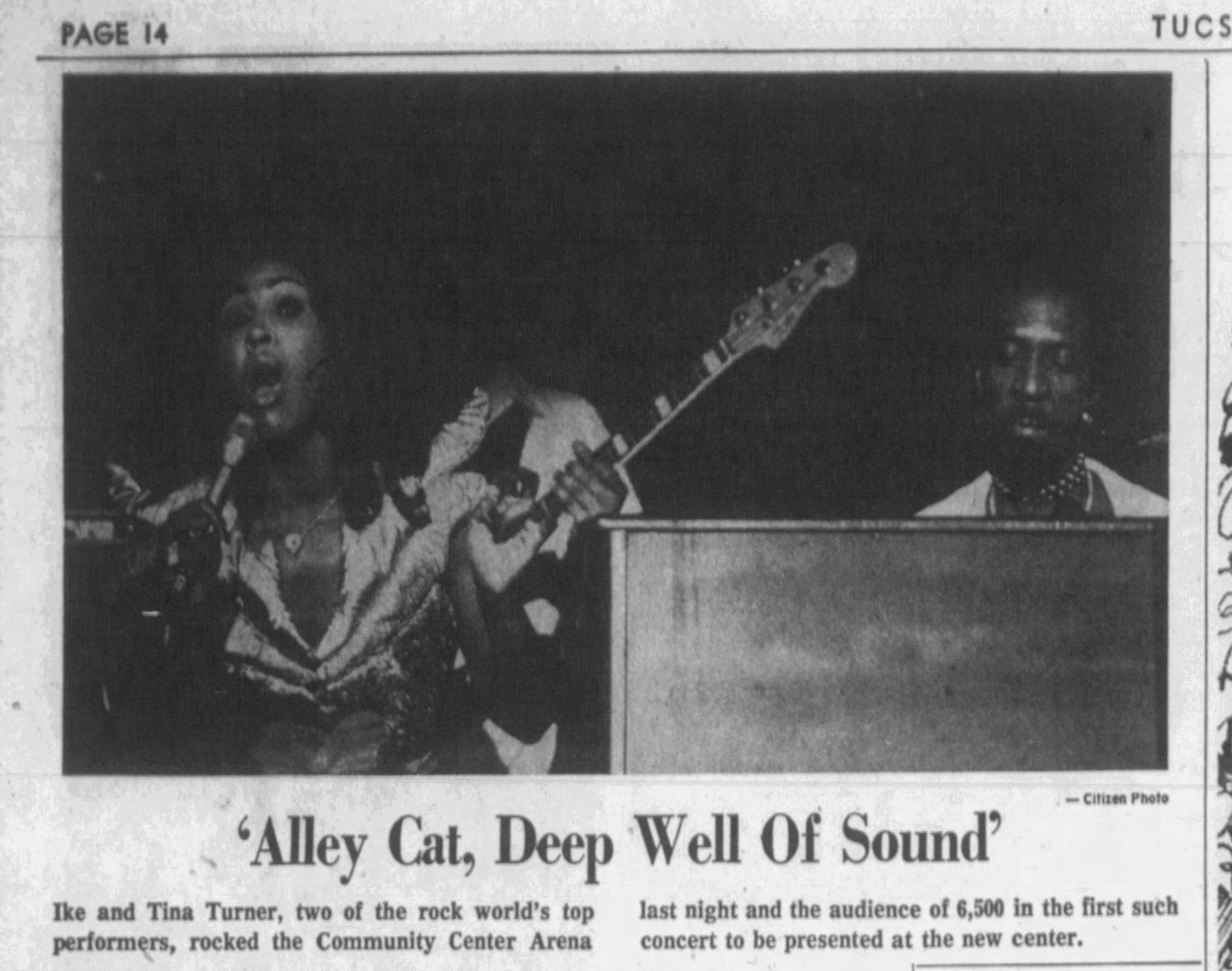
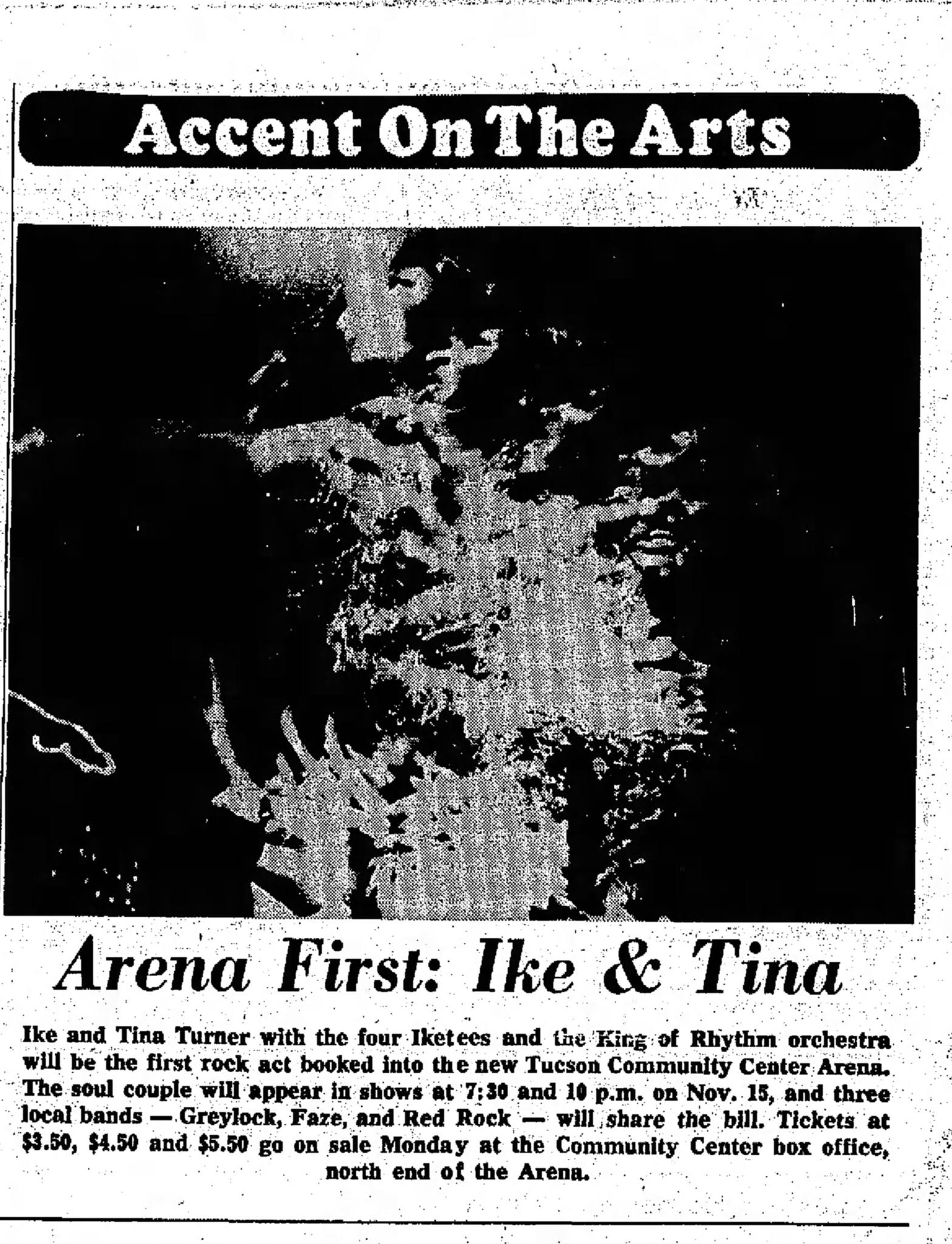
I didn’t know this, but Ike and Tina were the first rock act to play at the brand new Tucson Community Center back in October, 1971.  Here’s a brief announcement about the concert:
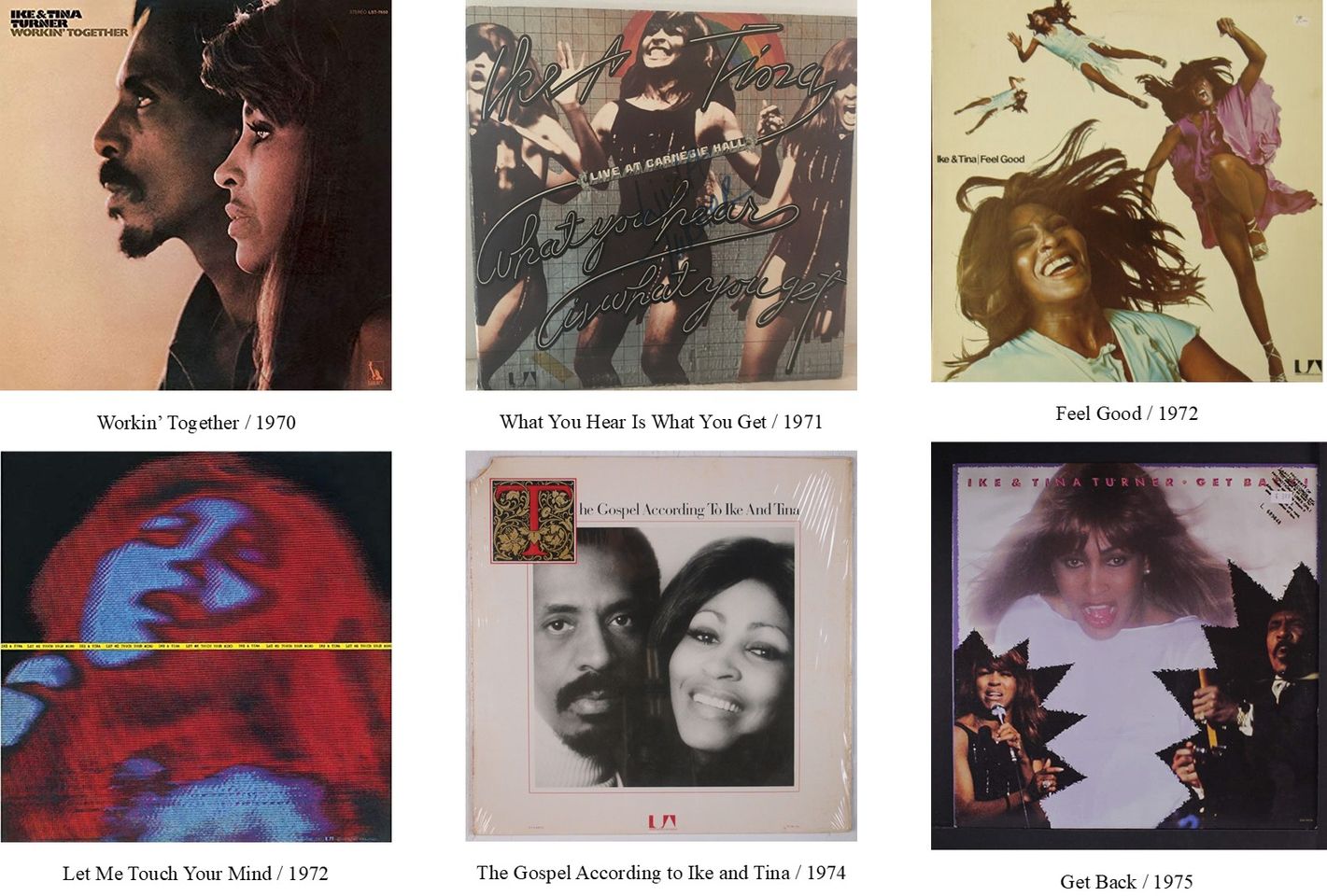
A lot of their recordings in the 70’s appeared on the United Artists label. Here are the ones I have in my collection:
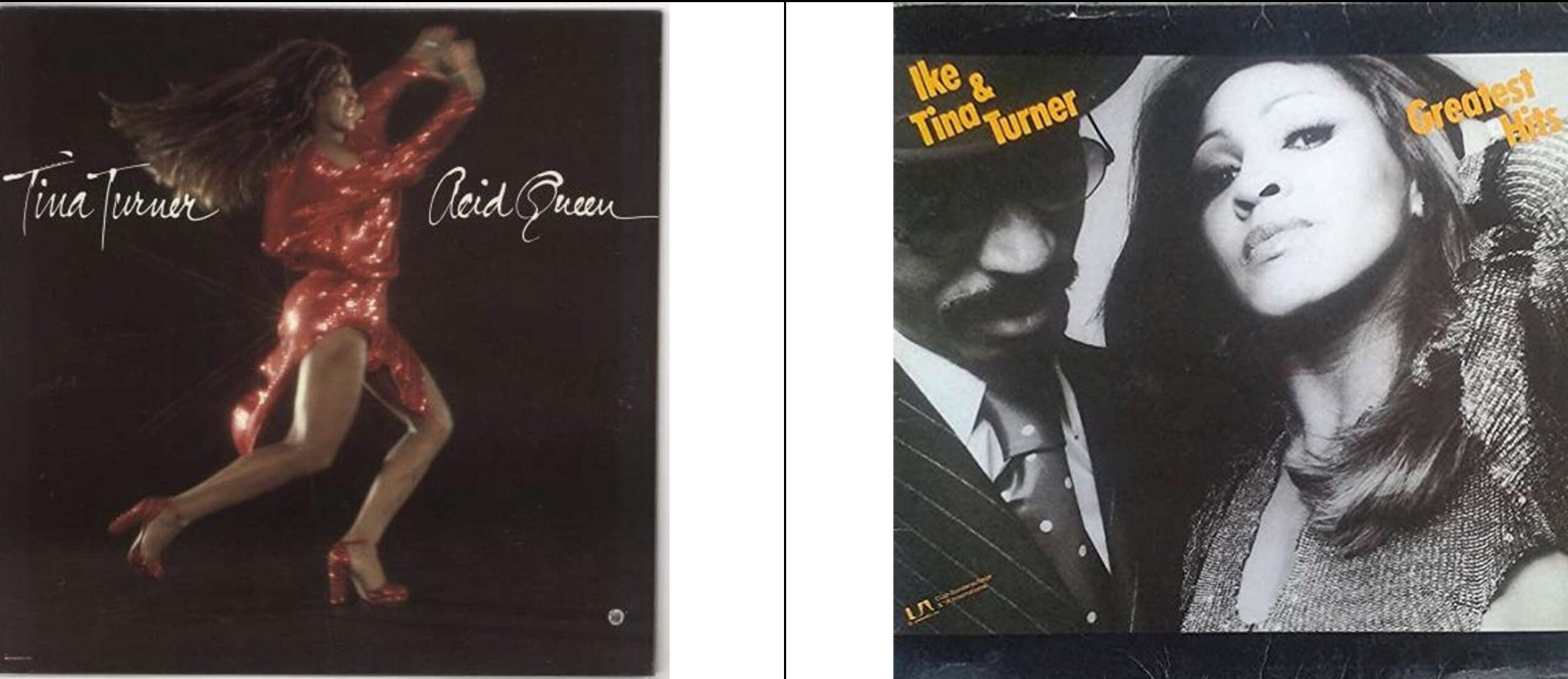
Acid Queen / 1975 _______ Greatest Hits / 1976

Tina suffered severe abuse as Ike’s wife, but she finally broke free in July, 1976, and never looked back. Their divorce was finalized in 1978. All she got out of it were two cars and her name, which Ike had trademarked years ago. The ensuing years were difficult for her, but she persevered. Her Buddhist faith kept her strong and focused.

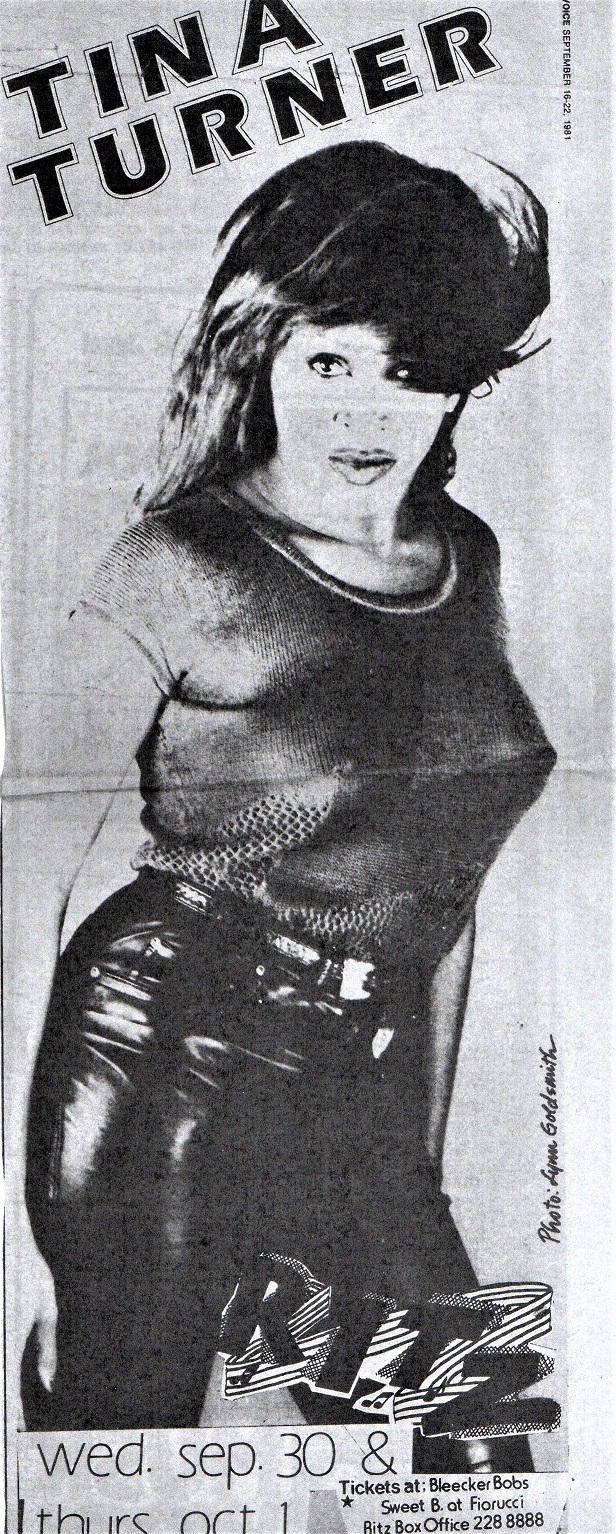
It took her a bit of time to get back on her feet and find her own way, but by the early 80’s she was once again performing and attracting attention as a great singer and performer, this time as a solo act. I hadn’t really known the details about what was going on with her, but in the early 80’s, I clipped and saved some Village Voice ads promoting her performances at the Ritz in New York in September and October of 1981. They appear below:
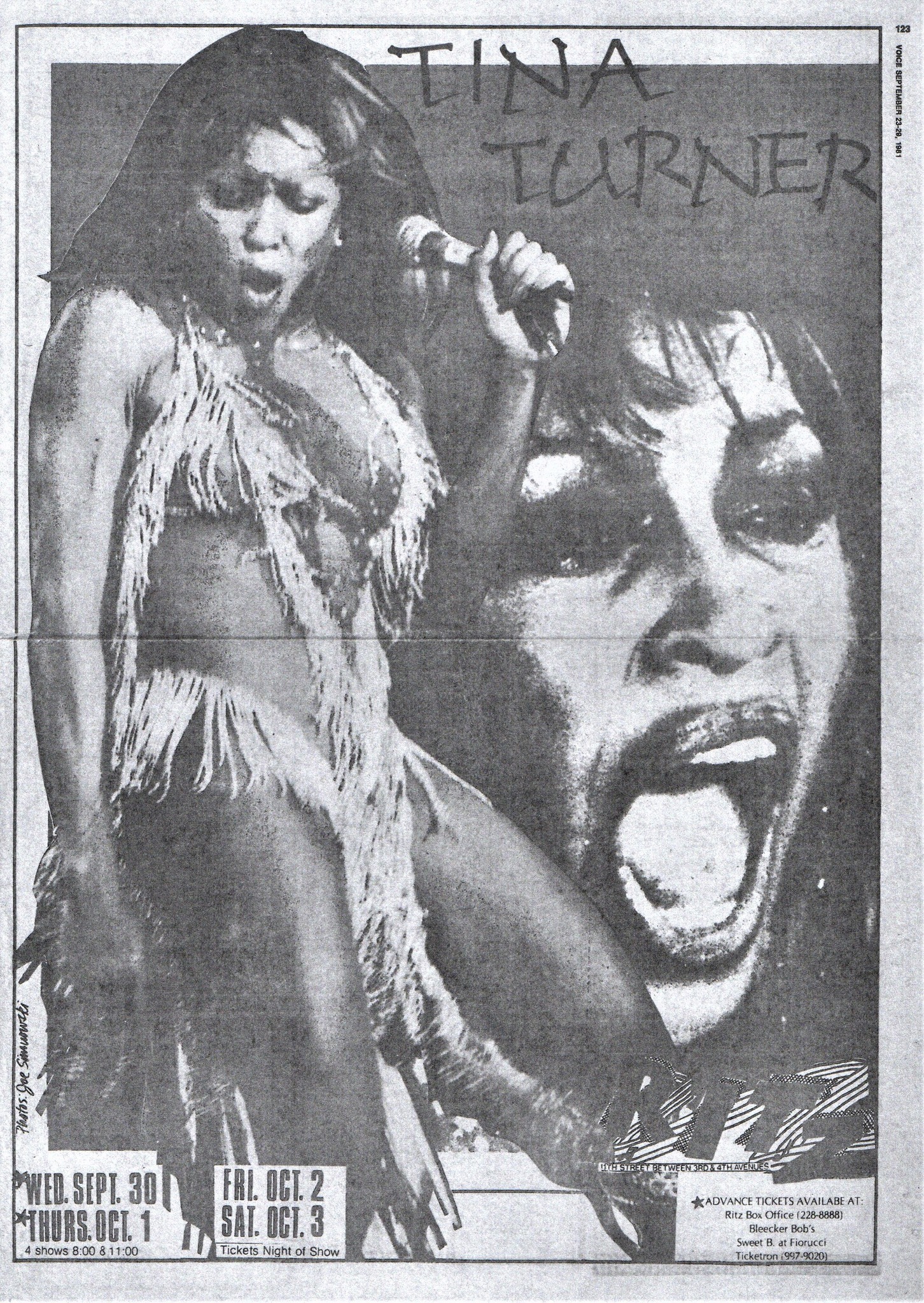
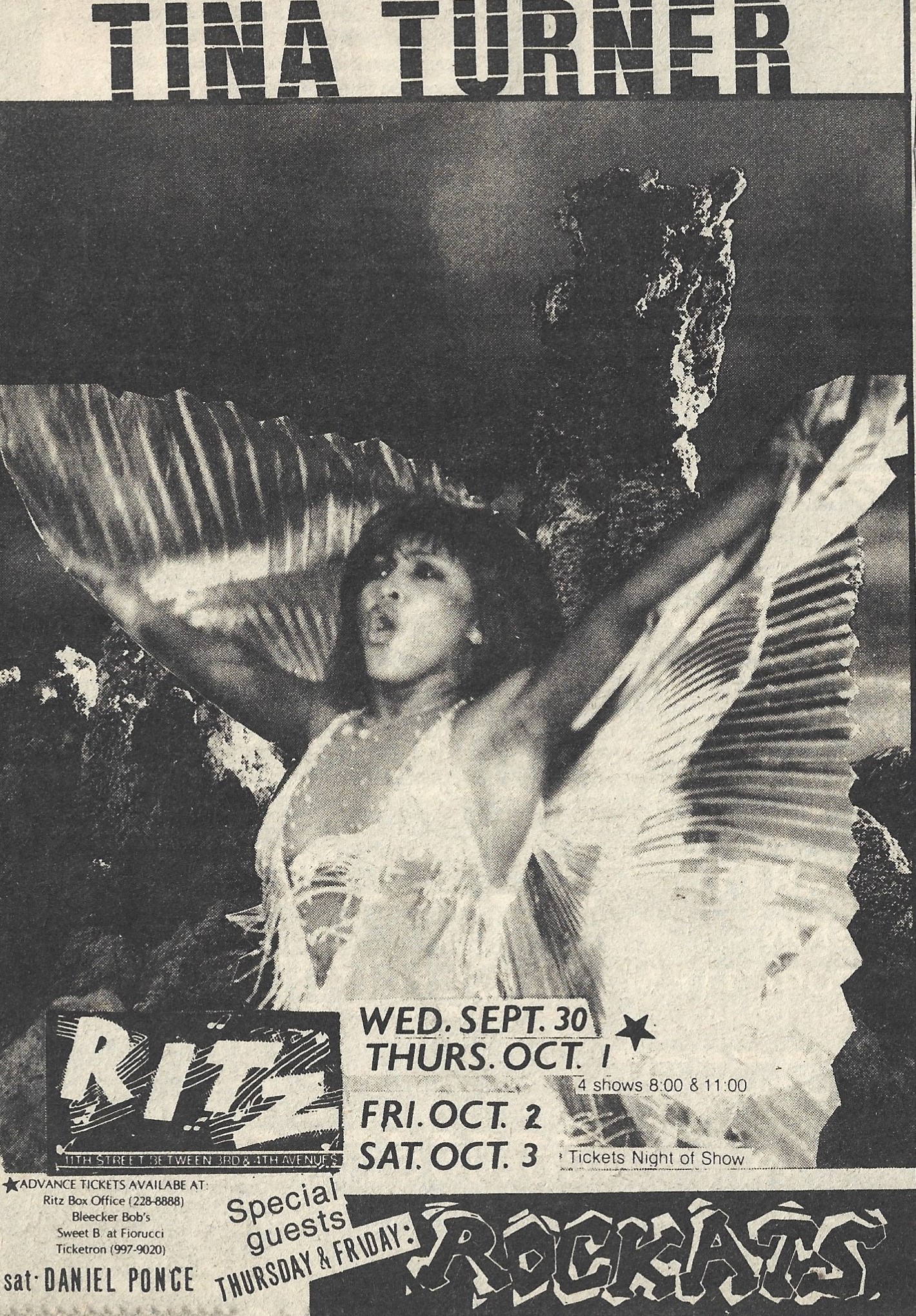
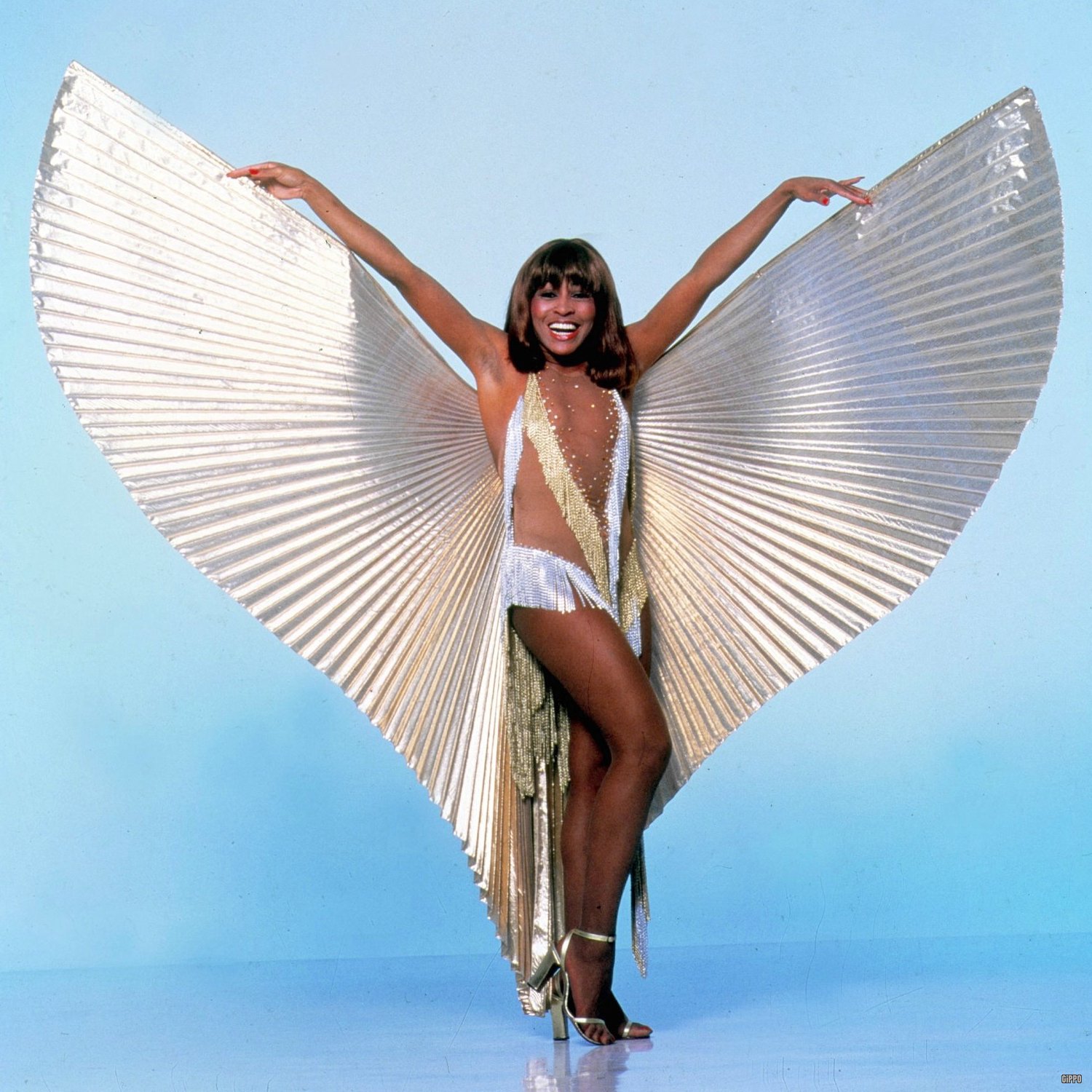
In the late 70s-early 80s Tina would make her entrance flapping these wings. It reminds me of the drag shows I used to see at Jeckyl and Hyde’s in Tucson back in the late 70s. This was a very popular costume!

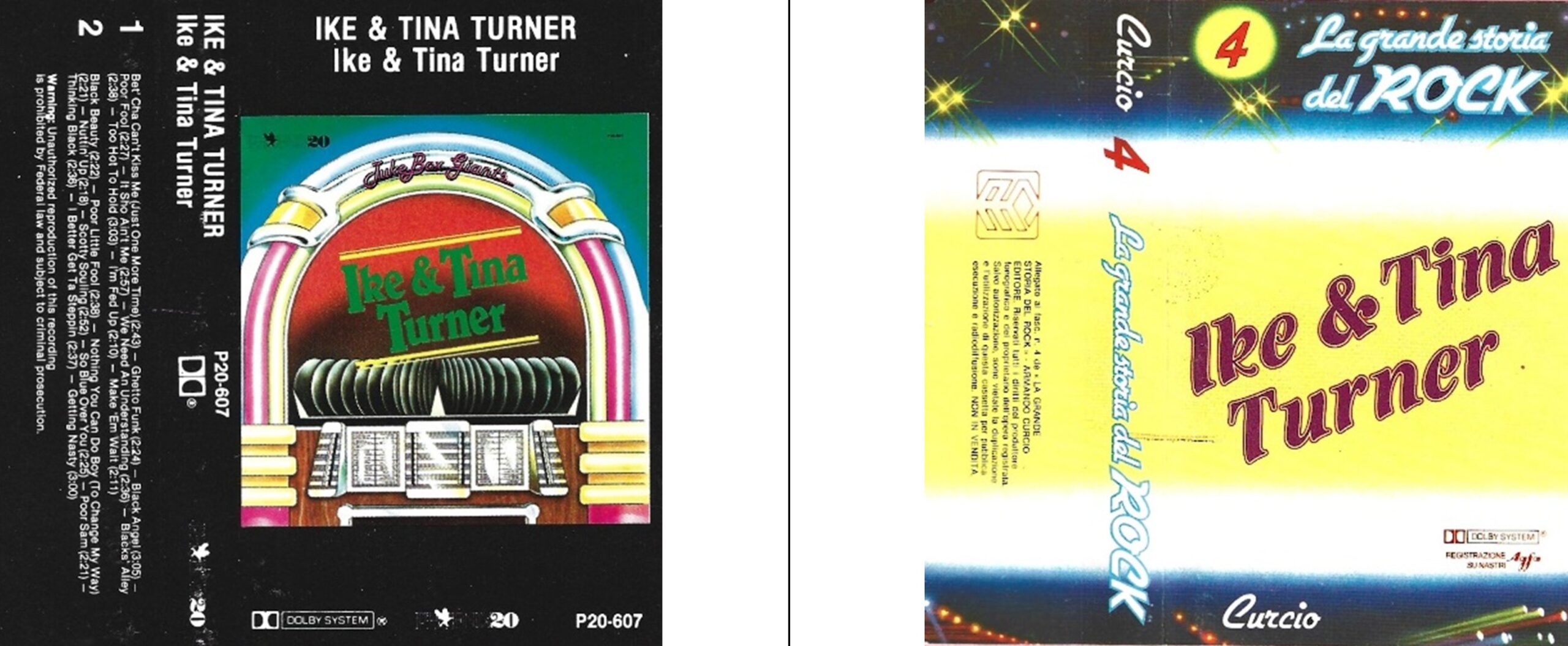
Here are a couple of import cassettes that I found, both released in 1981. Both have the exact same song lists too. I can’t seem to find the original albums in which these songs first appeared.
I found a copy of the 12” single, “Let’s Stay Together” shortly after it was recorded in 1983 and released early in 1984. Al Green wrote the tune and it was a big hit for him in 1972.   It was the first big record for her since she had left Ike, and it marked a major turning point in her career. She was especially big in England where the song went to the top of the charts.

Throughout her career, Tina has been on of the hardest working performers in show business. This concert is one of many examples of her amazing energy and talent. It’s from 1982, when she was performing on her own, a year before things started getting much better for her:

Here’s another amazing performance from around the same time:
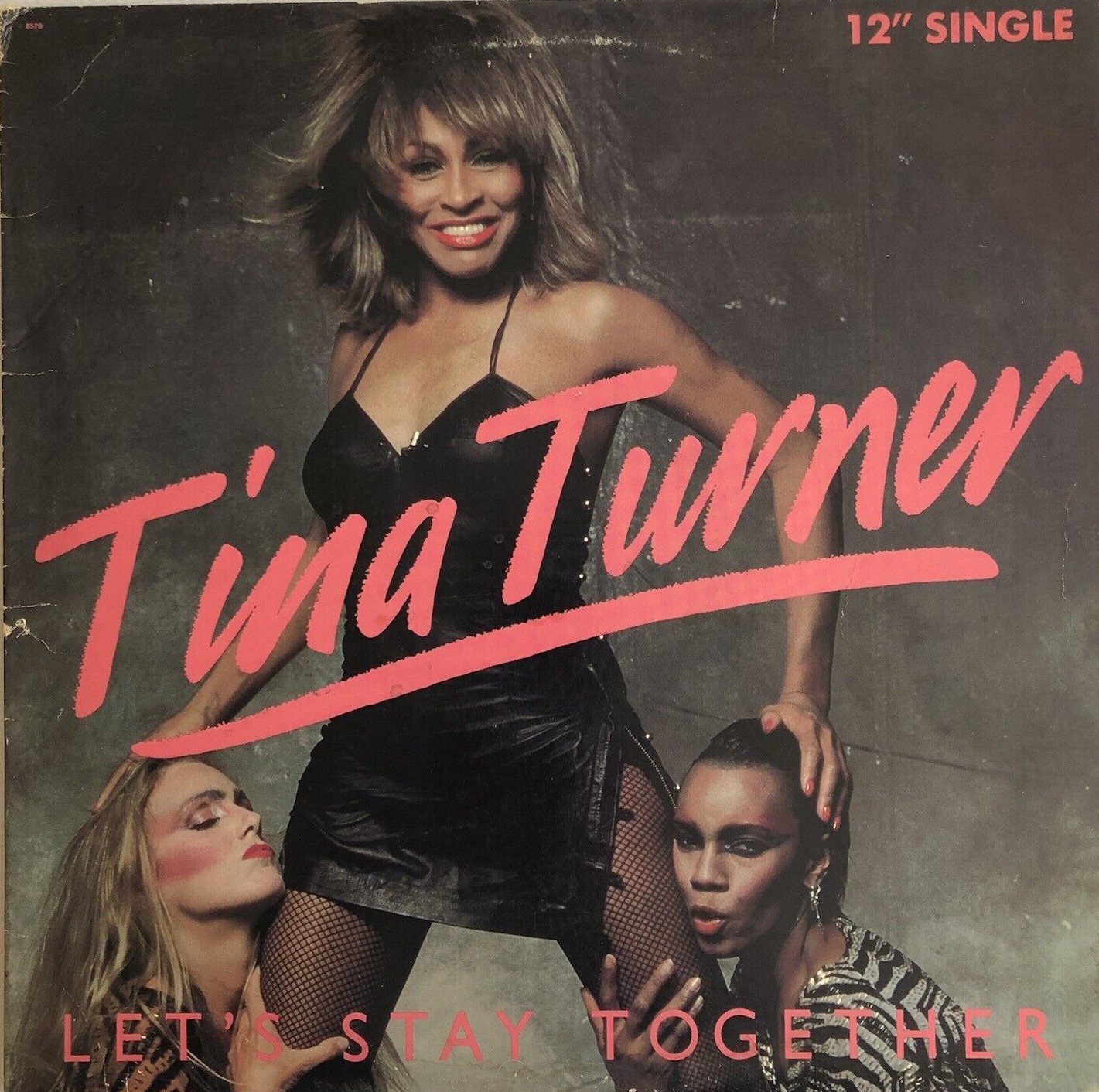
Tina’s version of Let’s Stay Together, released in late 1983 in England and early 1984 in the US, rose to the top of the charts in England, and was the beginning of her rise to superstardom. Within a year, her breakthrough recording of Private Dancer would change things for her in a big, big way. She finally got the recognition she deserved as the world’s queen of rock and roll.
This version of Al Green’s classic went to the top of the charts in England.
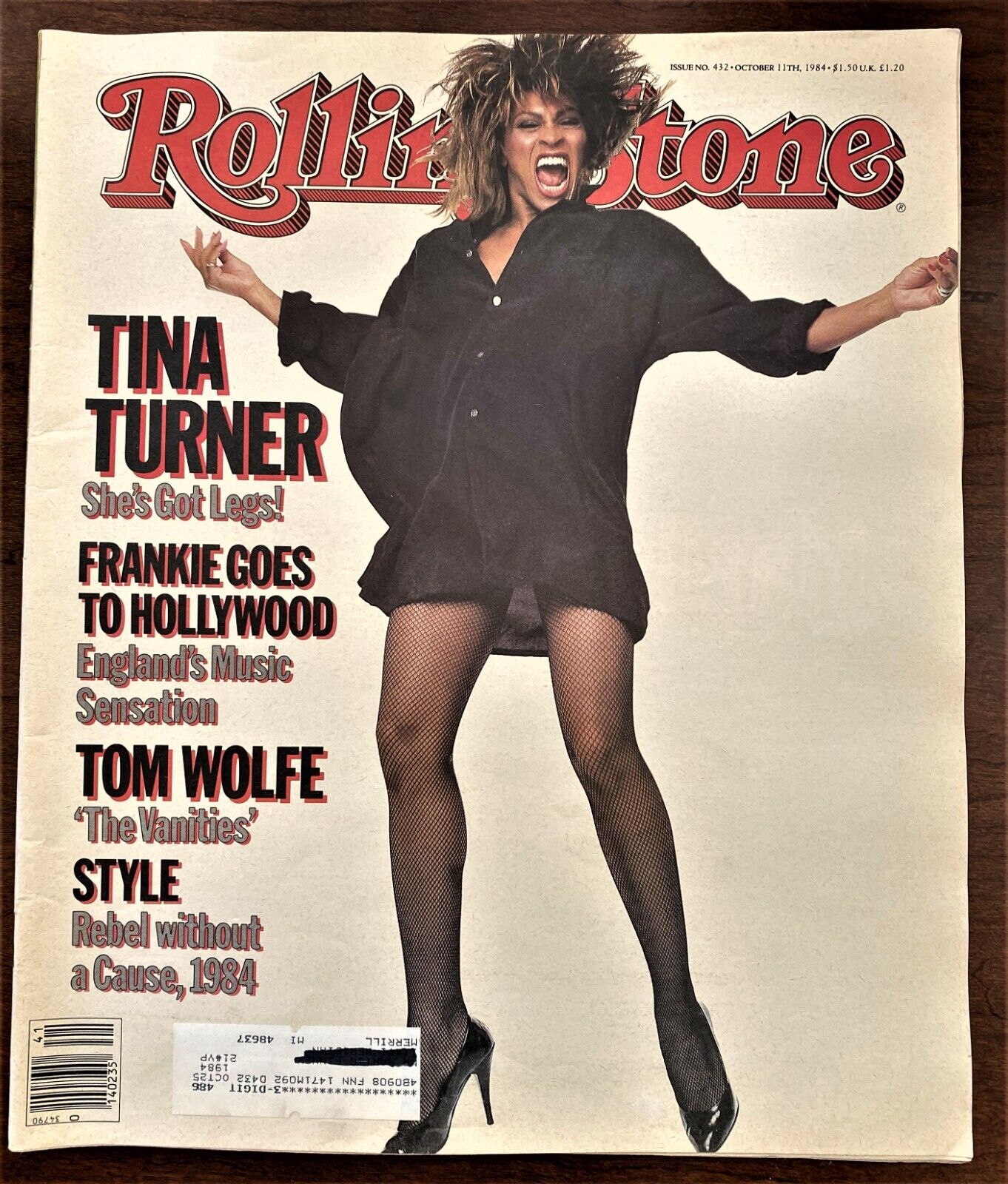
Rolling Stone, October 11, 1984. This is one of three Rolling Stone magazine covers on which Tina appears. Details of the abuse she endured are revealed in this lengthy feature. People Magazine, however, back in 1981, was the first national publication to reveal why Tina left Ike.

Private Dancer was released shortly after this in May, 1984.
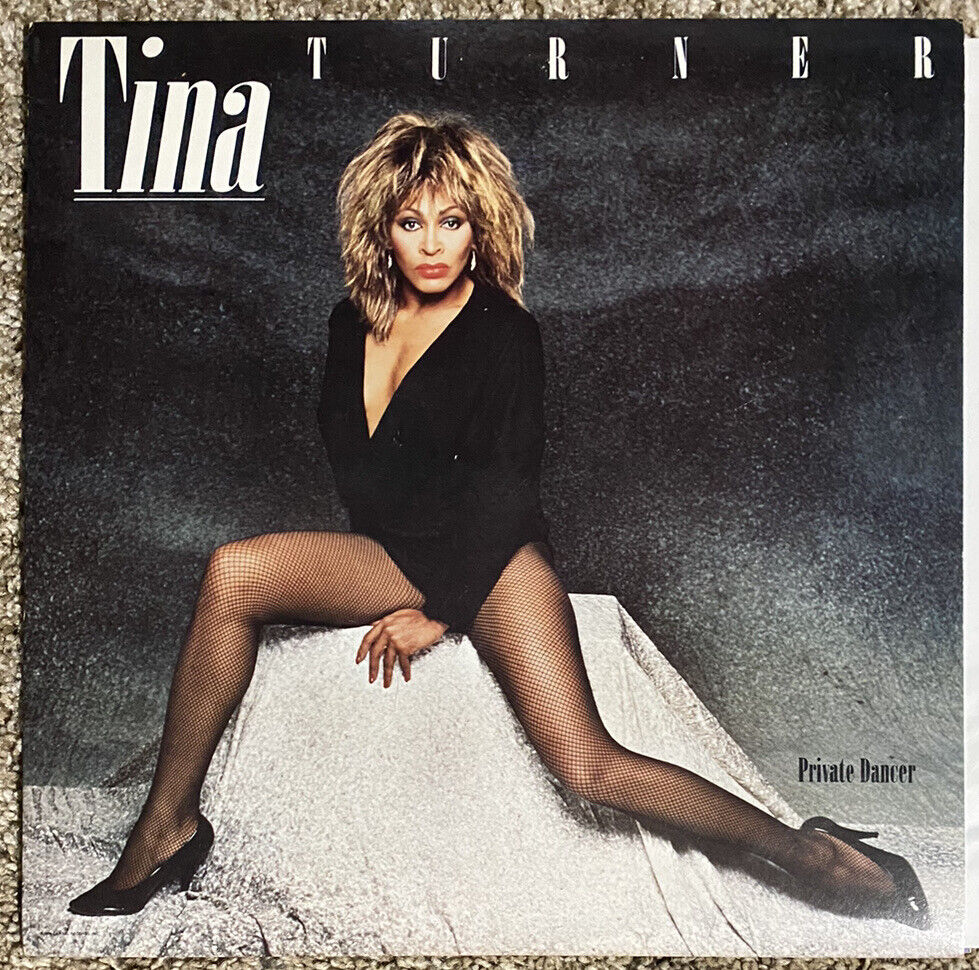
Here is a snippet from Wikipedia, that details the incredible success of this album:

“The album was released on May 29, 1984, and became an outstanding global commercial success.[20][21][22] The album peaked at number three on the Billboard 200 chart for ten consecutive weeks[23] and remained in the top ten for 39 weeks from August 1984 to May 1985. In the United States it was certified 5× platinum.[24] In Germany, the album went 5× gold becoming one of the best selling albums in history. It peaked at number two on the UK Albums Chart, where it was certified 3× platinum, remaining on the charts for 150 total weeks. It was certified 7× platinum for the shipment of over 700,000 copies in Canada by the Canadian Recording Industry Association. The album has sold more than 12 million copies worldwide.[25][26] At the 1985 Grammy Awards, Private Dancer won four of the six awards for which it was nominated.”

Her first big hit after her breakthrough album Private Dancer was released was “What’s Love Got To Do With It”. I liked the record a lot, but Tina has said she was reluctant to record it. She didn’t really care for it. I heard her say in an interview that “love has everything to do with it”, so I can understand why she didn’t care for the song. However, she also noted that the tune was catchy and that the public loved it. The video was quite popular, if I recall correctly.

The single, “Private Dancer” was also a big hit, but I didn’t like it much. I saw Joan Baez sing it in concert once with just her guitar. I thought it quite odd, but Joan loved Tina Turner, and there are several photos of them together, including the one below.
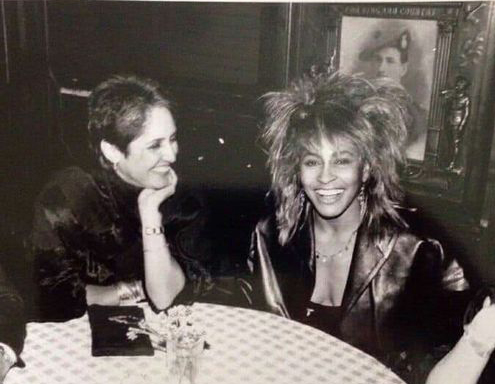
Joan Baez and Tina Turner

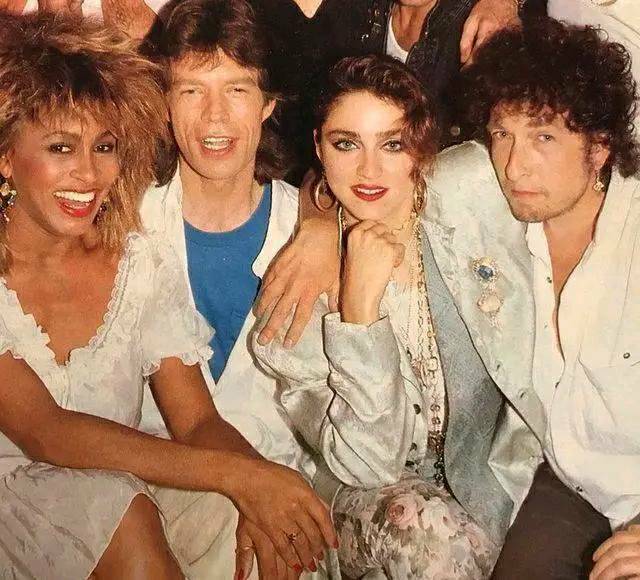
Tina sang on the We Are The World record, recorded on January 8, 1985. She was part of a huge superstar line-up that included Willie Nelson, Cyndi Lauper, Lionel Ritchie, Bruce Springsteen, Michael Jackson, Quincy Jones, Madonna and Bob Dylan.
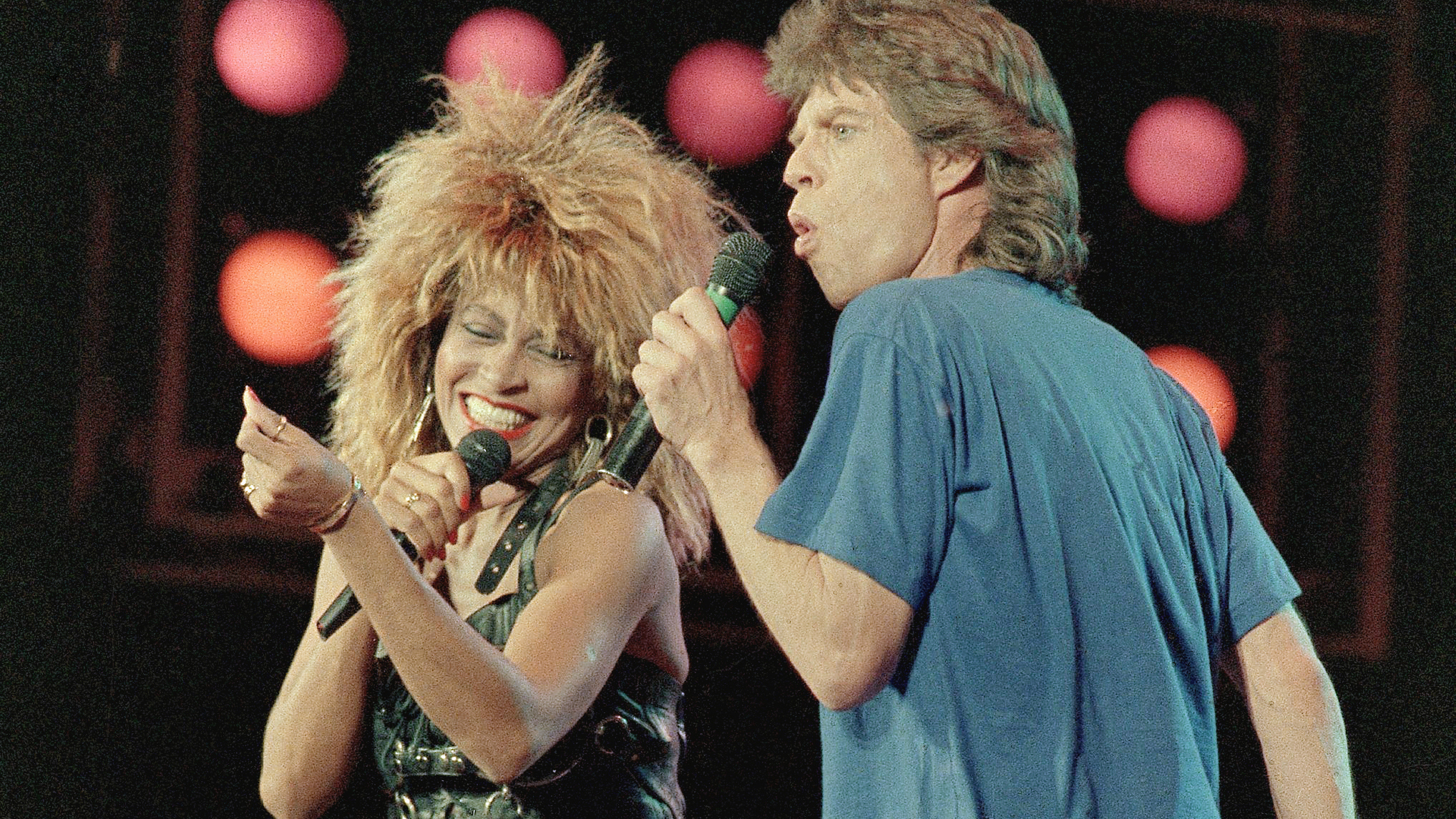
I enjoyed seeing her on Live Aid on July 13, 1985. Her duet with Mick Jagger was quite memorable, especially the part where he rips off her skirt. I vaguely remember Patti Labelle and Tina getting into a bit of a tiff over one of them touching the other, and there being a bad reaction from one of them, because of the sweat that was pouring out. What the hell?

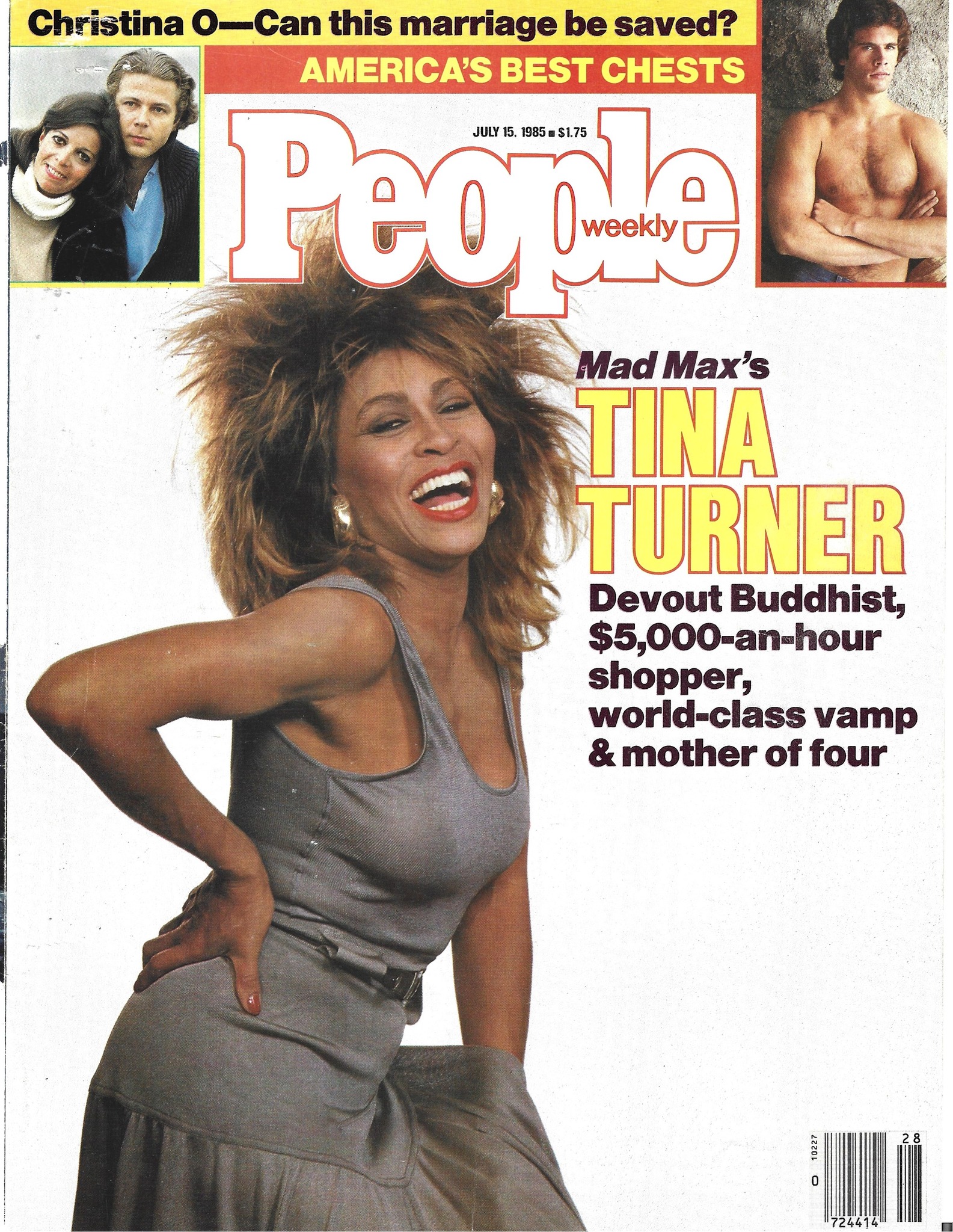
Just a few days after Live Aid, Tina appeared on the cover of People magazine. (This article and the US article are both in my personal collection of memorabilia). No mention is made of her life with Ike Turner and the abuse she endured during their marriage. She revealed all those details the following year in her autobiography.
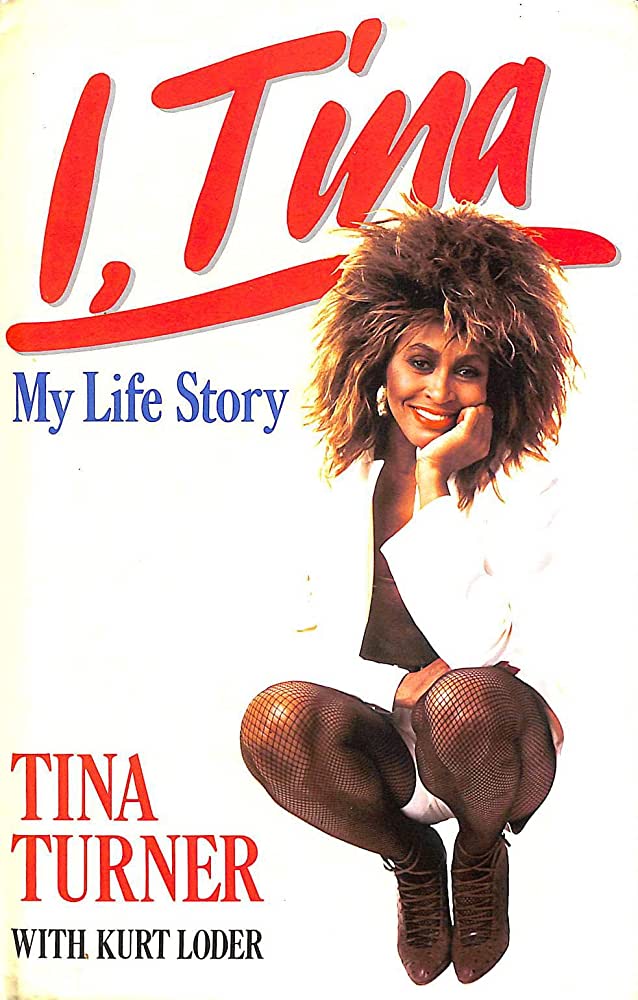
Released on September 1, 1986. I read it at the time, but never had my own copy.

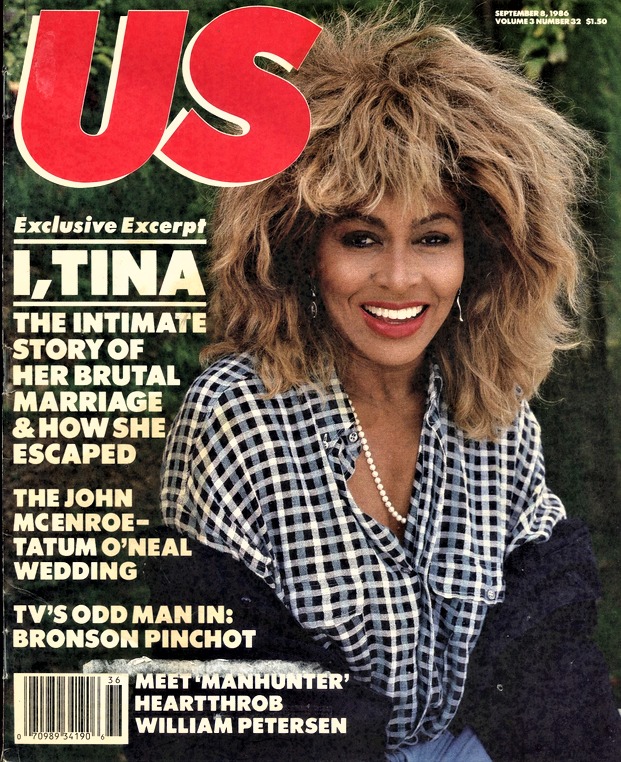
A week later, she appeared on the cover of US magazine. In this interview, she provides details about her relationship with Ike Turner. She had such a rough life with him, it’s incredible that she endured it for so long.
After Private Dancer, Tina appeared in the film, Mad Max: Beyond Thunderdome. I never saw the movie, nor do I have any of the recordings from it, although the song, “We Don’t Need Another Hero” was a big hit. I never took to it for some reason.

The following year, Tina released the cd, Break Every Rule. I never bought it, but I do have a 45 of one of the songs from it. I also have just the cover of another song from that album. I have no idea where I acquired it.
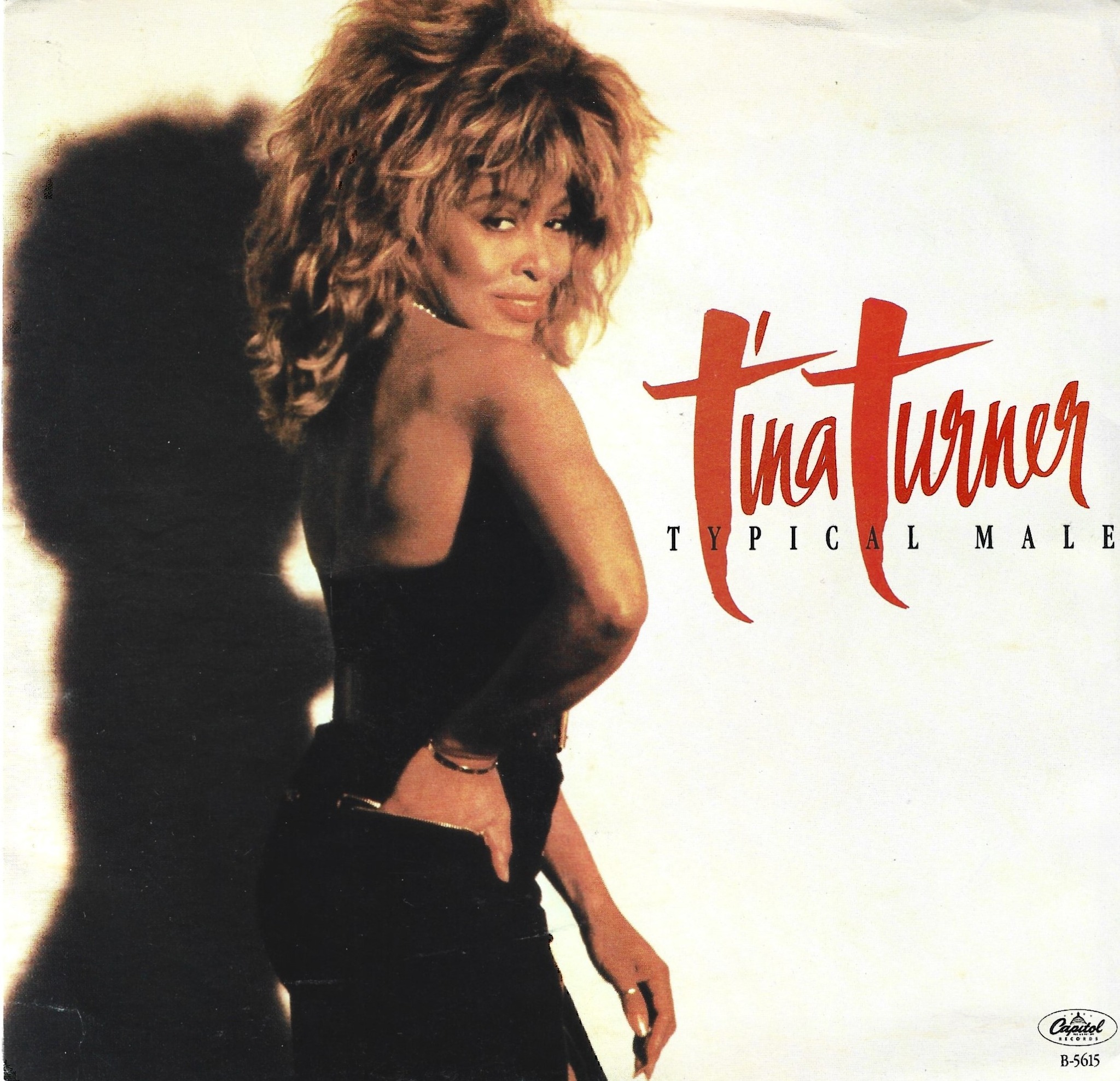
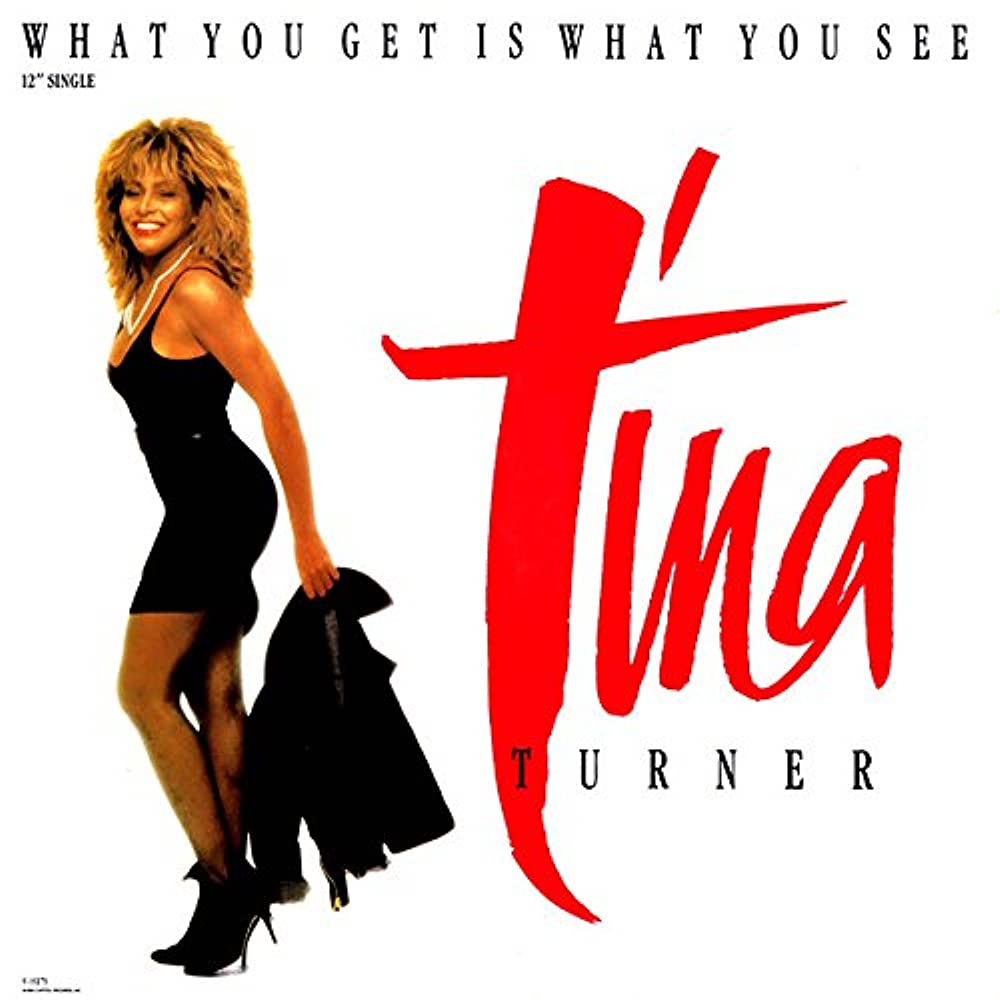
I just love this song. Man oh man!

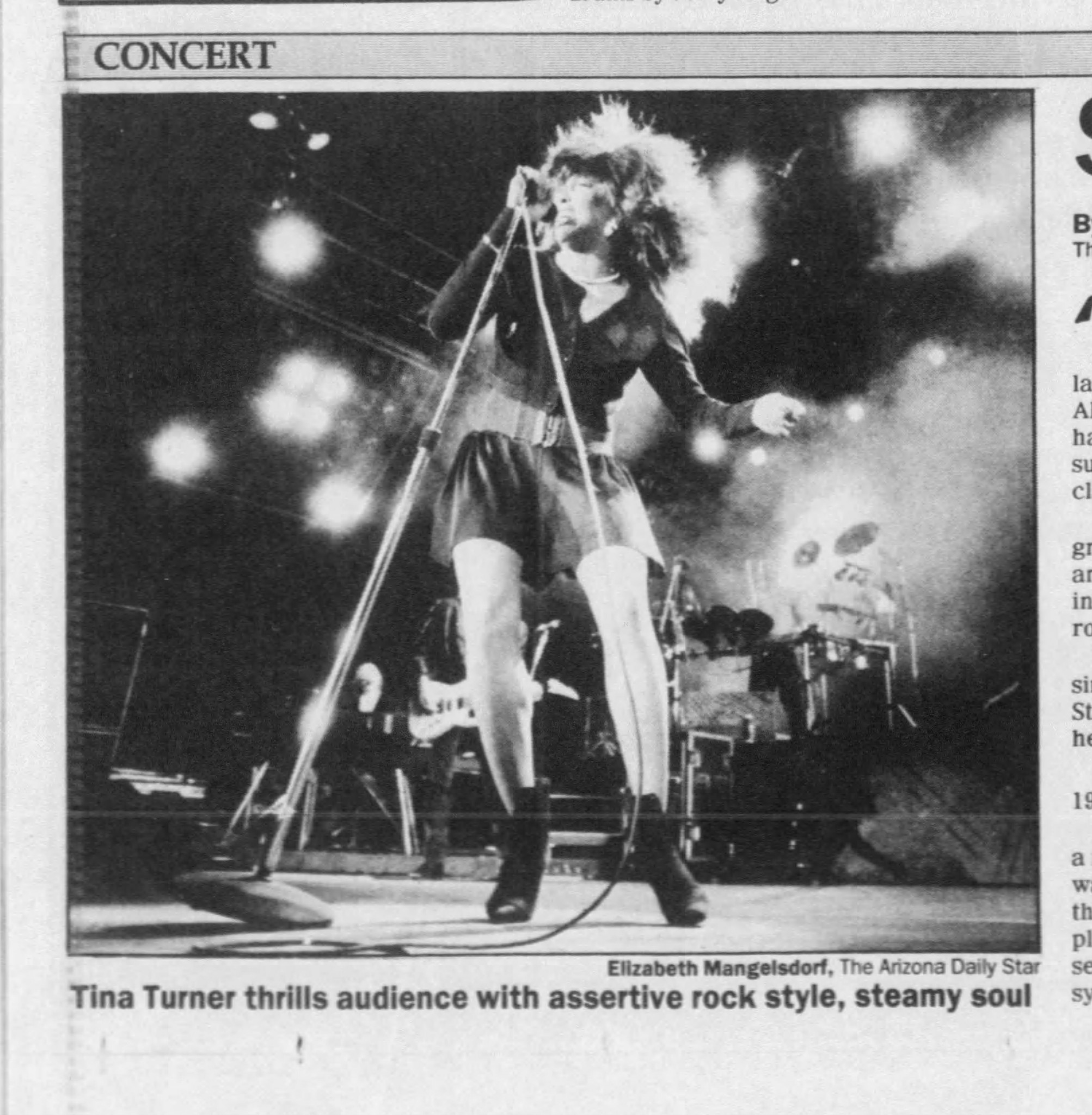
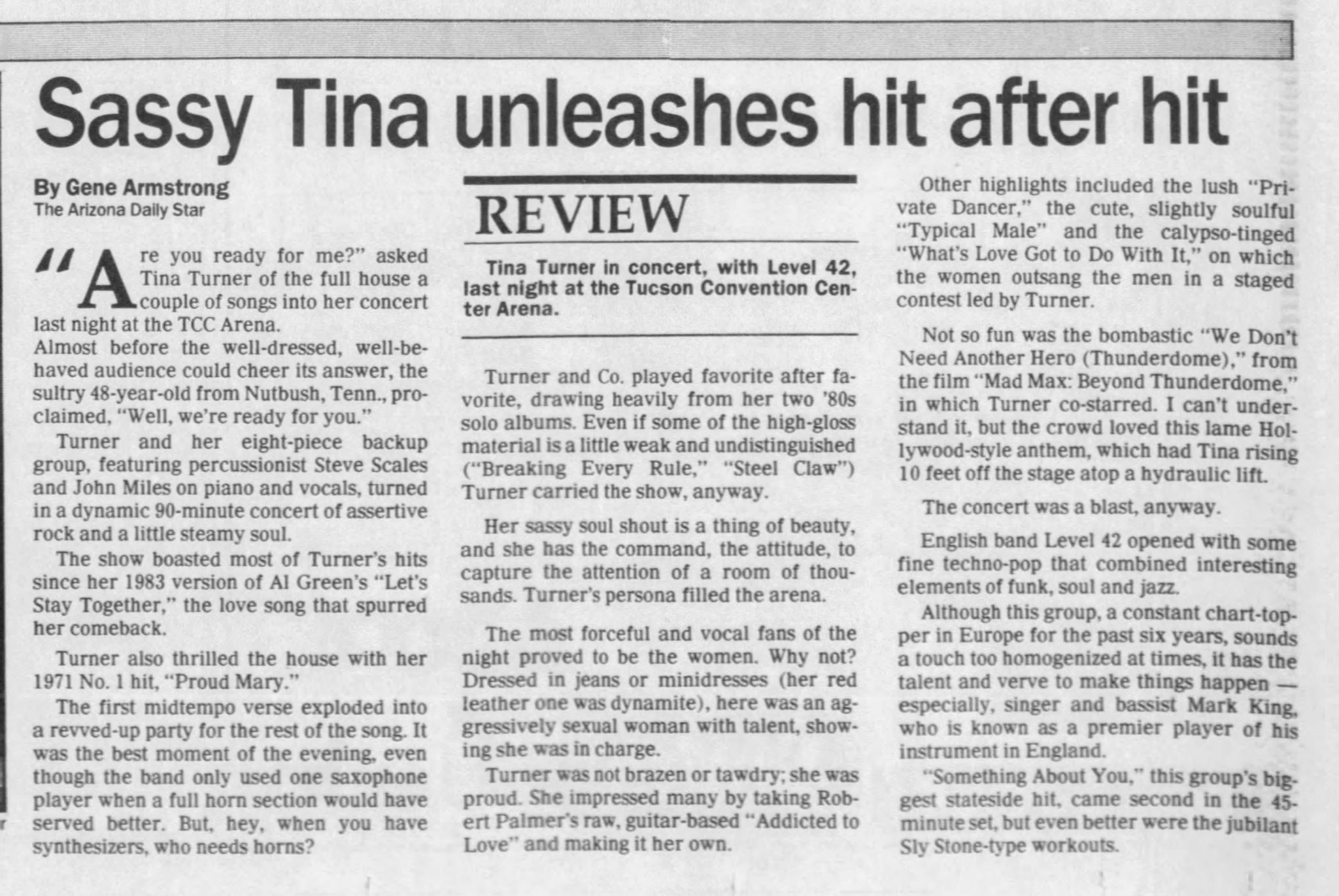
Tina appeared in concert in Tucson in early December, 1987. I was living in Ann Arbor at the time, but would have gone if I’d been here.
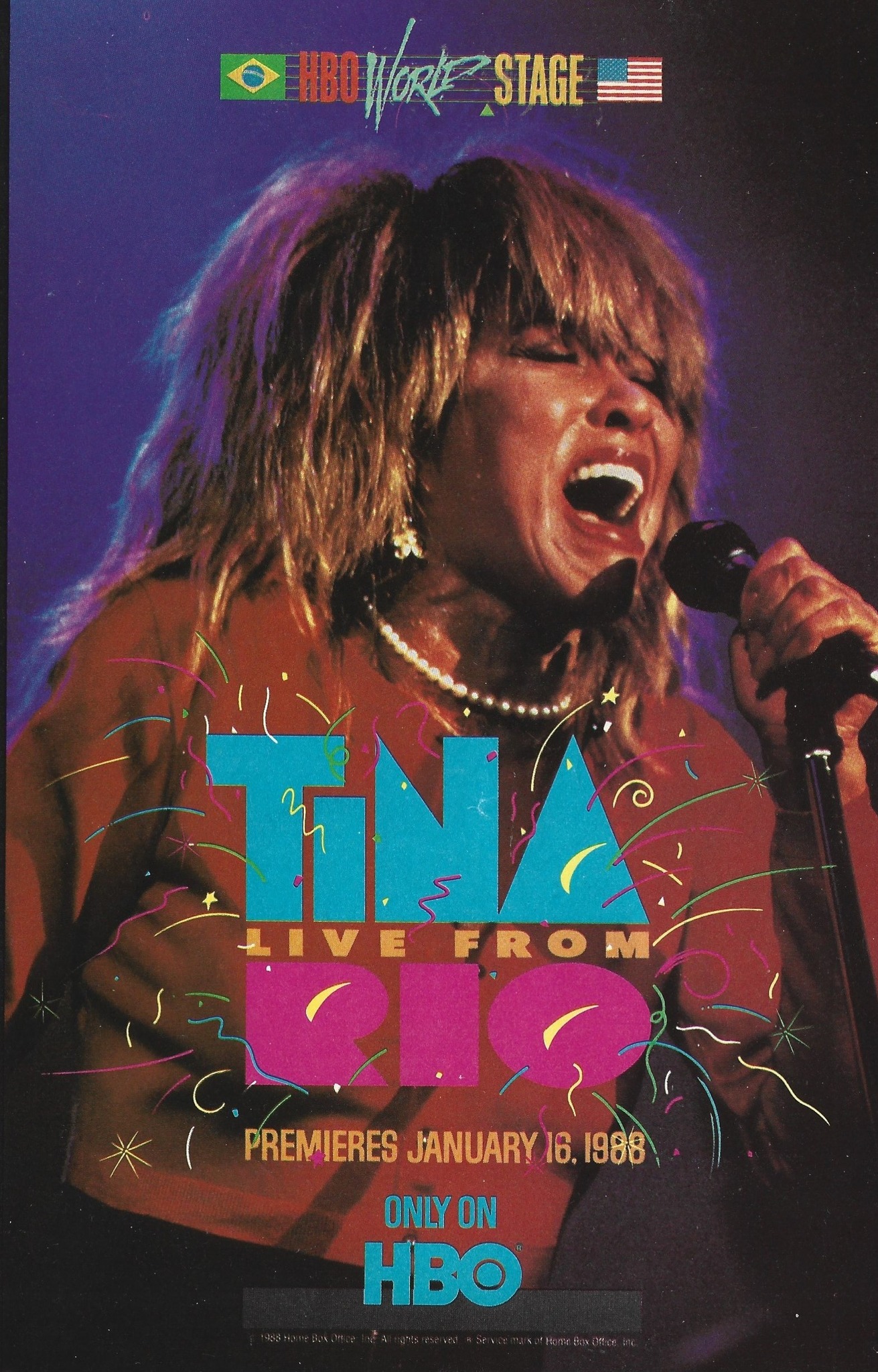
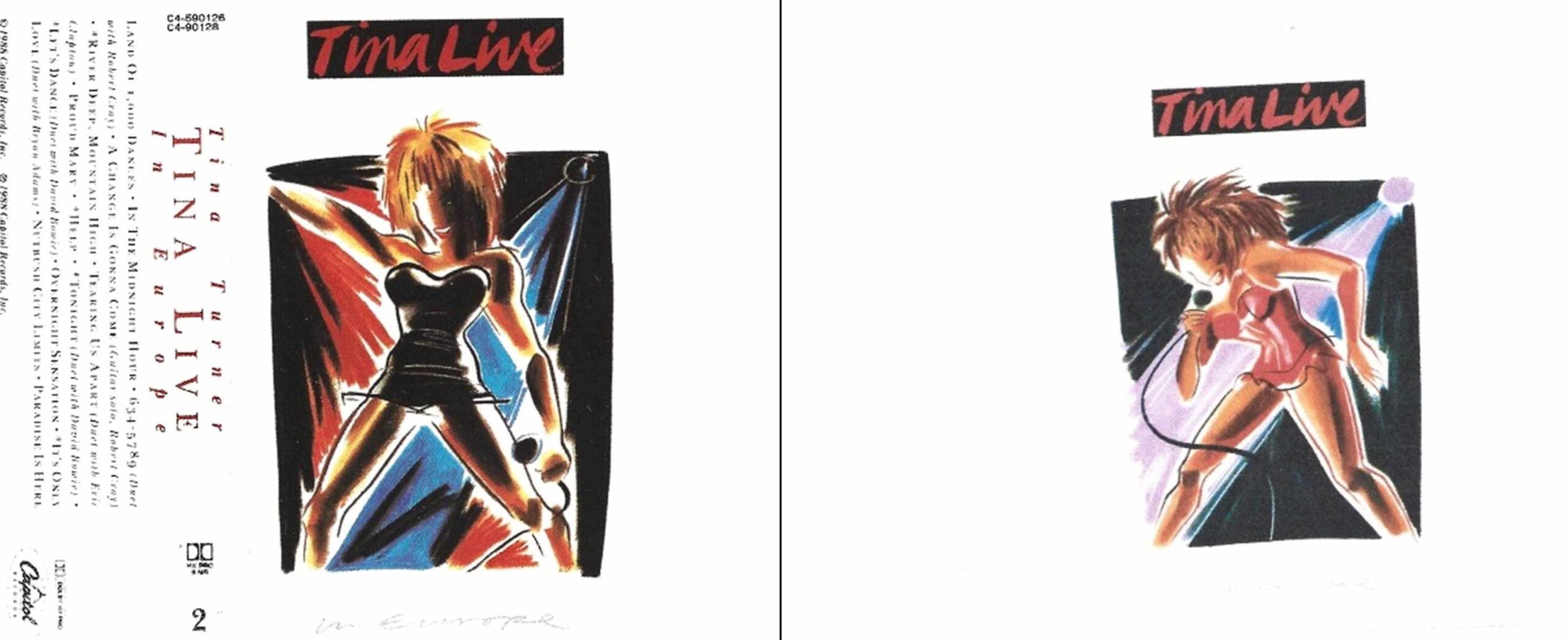
By 1988, Tina was an international super star She had millions of fans, and drew immense crowds to her concerts. Here are some items from my collection, including her live album (part 1 is on cd, part 2 is on cassette. I don’t know how that happened) and an ad for a HBO special of a concert she gave in South America.
Tina turned 50 in 1989. I clipped this article from the Ann Arbor news.
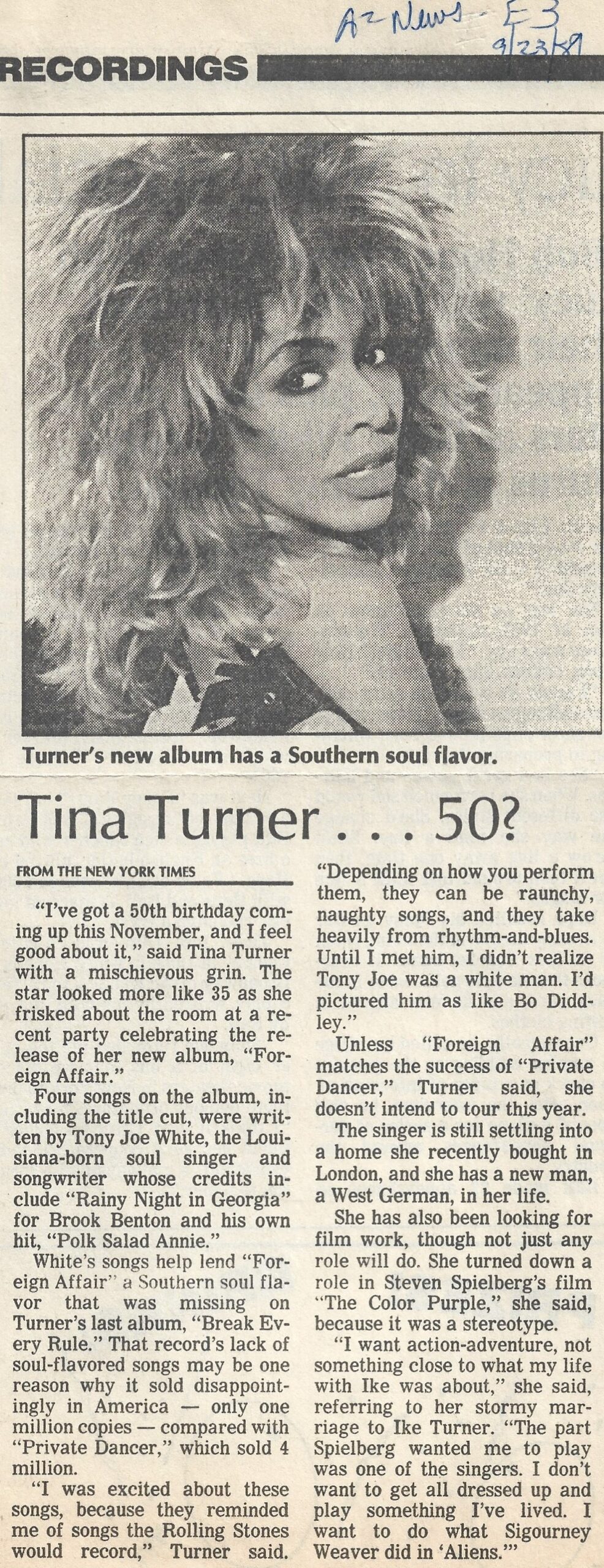
I also have the following two photos in my Tina Turner file. These are from 1990.
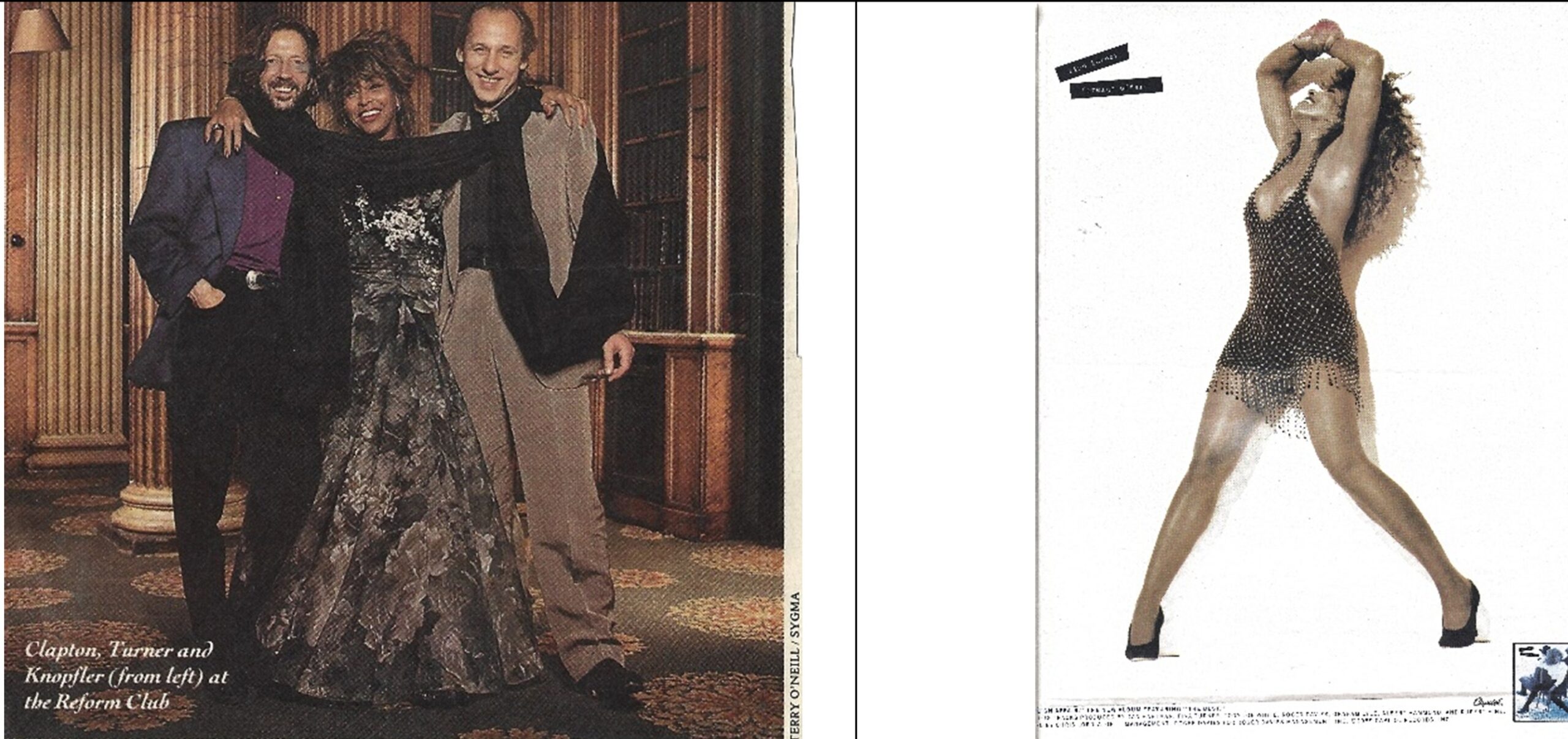
In 1991, Tina released the following greatest hits compilation, which I have in my collection.
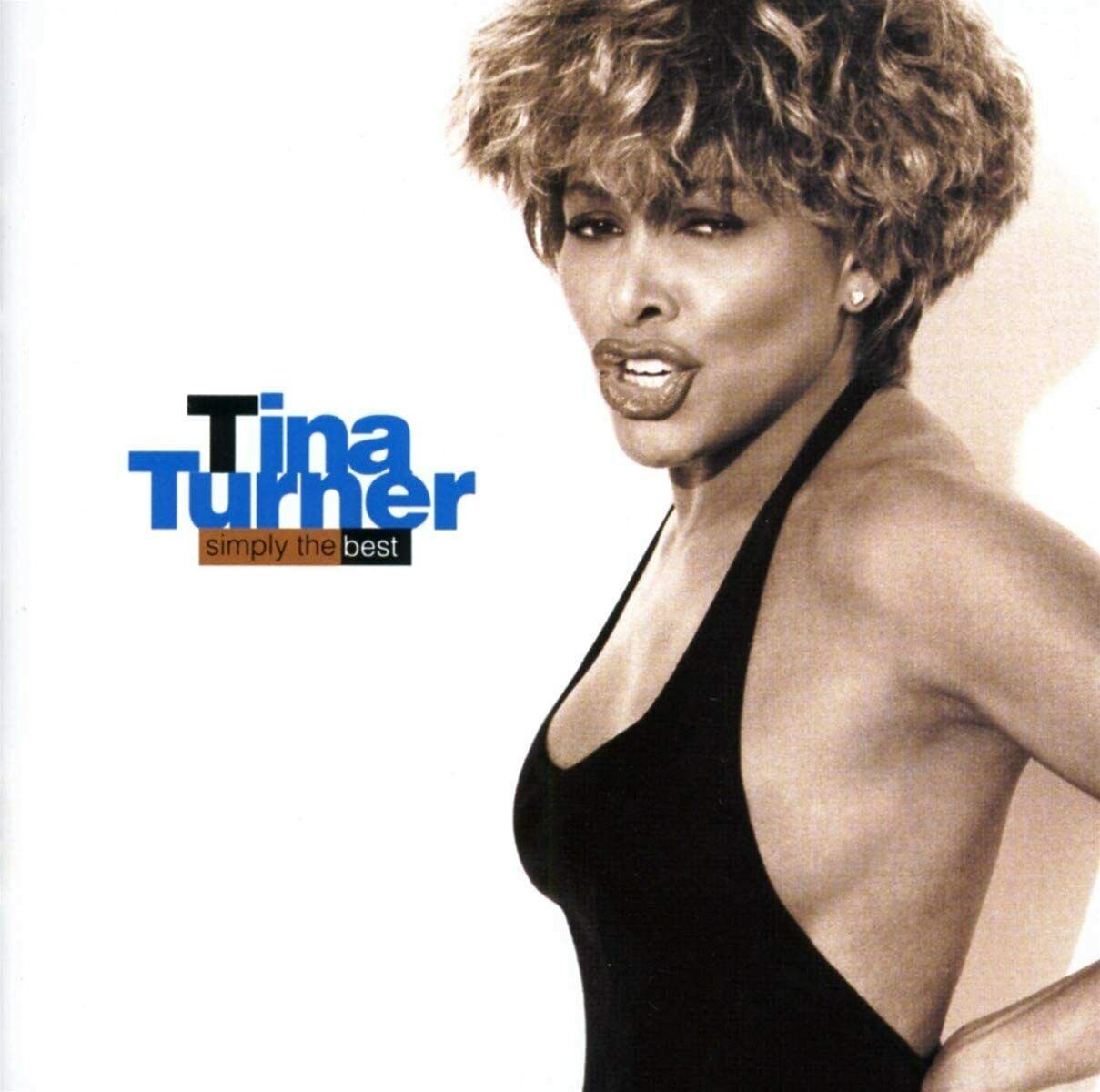
She has said that her favorite song is “Simply the Best”. She noted that her record producers didn’t care for the tune, but that she fought hard to have it recorded. Thank goodness. It’s become her signature song, and every time I see her perform it, I’m amazed at her energy and joy.
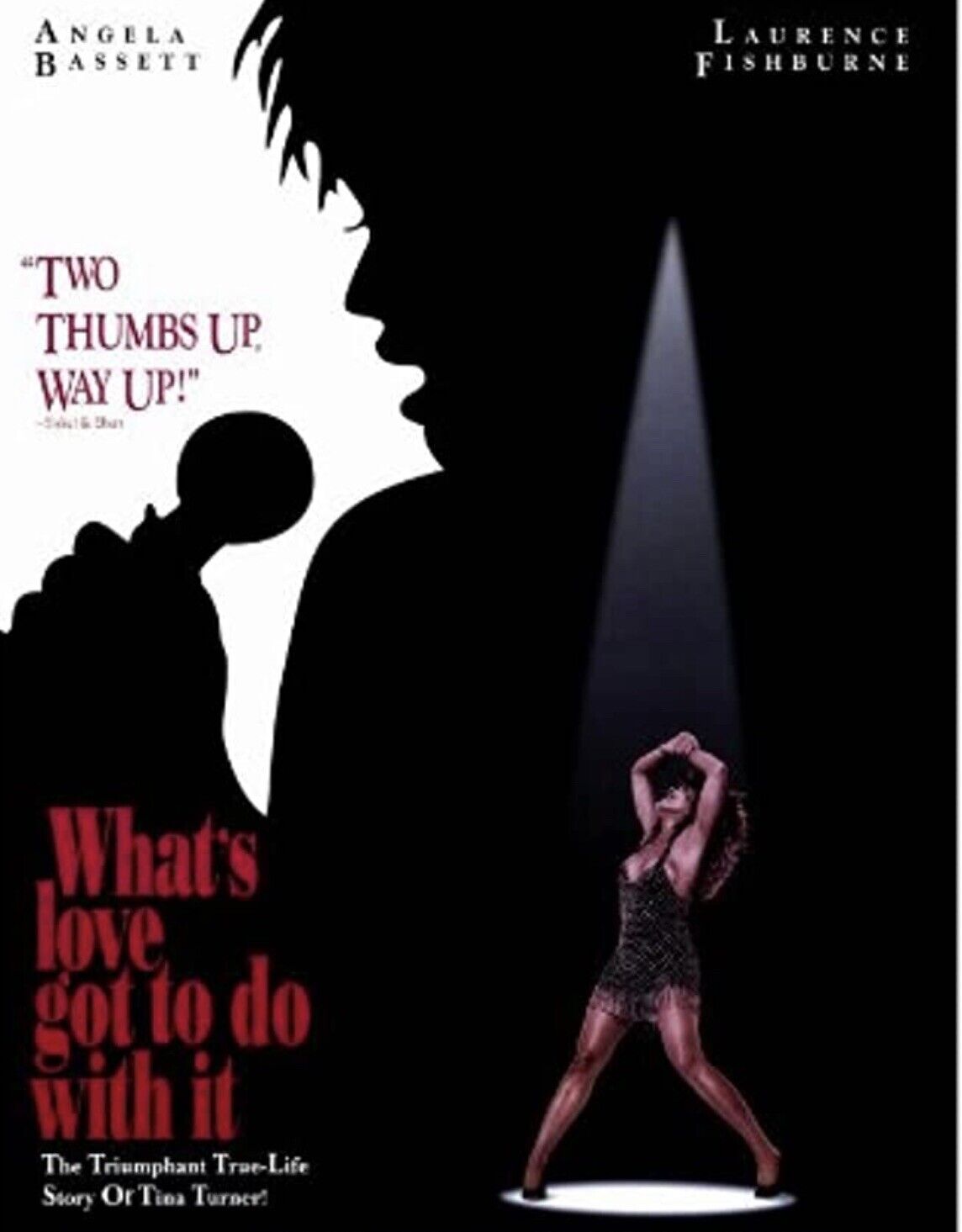
Little did I know, but I had this in my movie collection all along!

In 1993, the movie, “What’s Love Got To Do With It?” was released. Directed by Brian Gibson and written by Kate Lanier, it is based on Tina’s 1986 autobiography I, Tina, and stars Angela Bassett as Tina and Laurence Fishburne as her abusive husband Ike Turner. I’ve seen bits and pieces of the film, but not the entire thing. It’s something I plan to do soon.

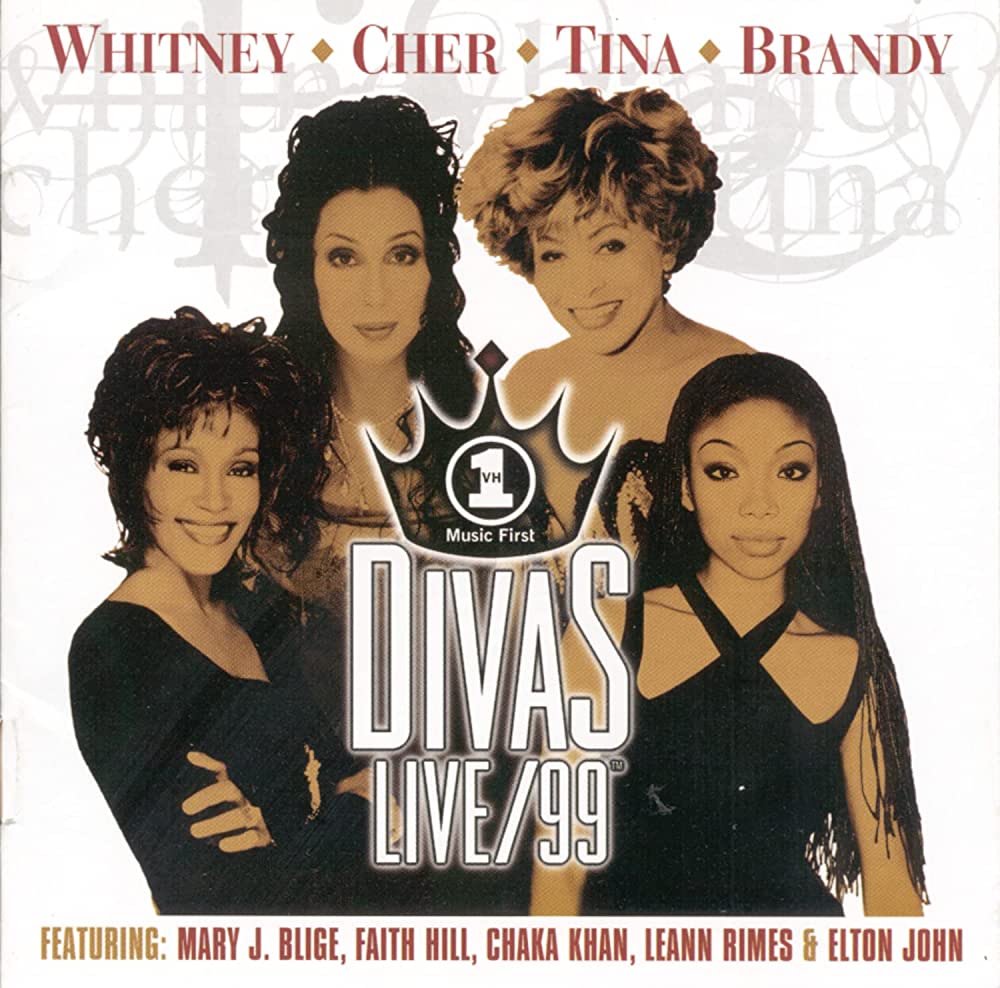
Jumping forward to 1999, Tina appeared in the VH1 Divas 1999 concert. She tore the place up with her songs, “The Best” and “Proud Mary” on which she shared the stage with Elton John and Cher. She arrived in a limousine, and walked right on to the stage to sing Simply the Best. It was a moment to behold.
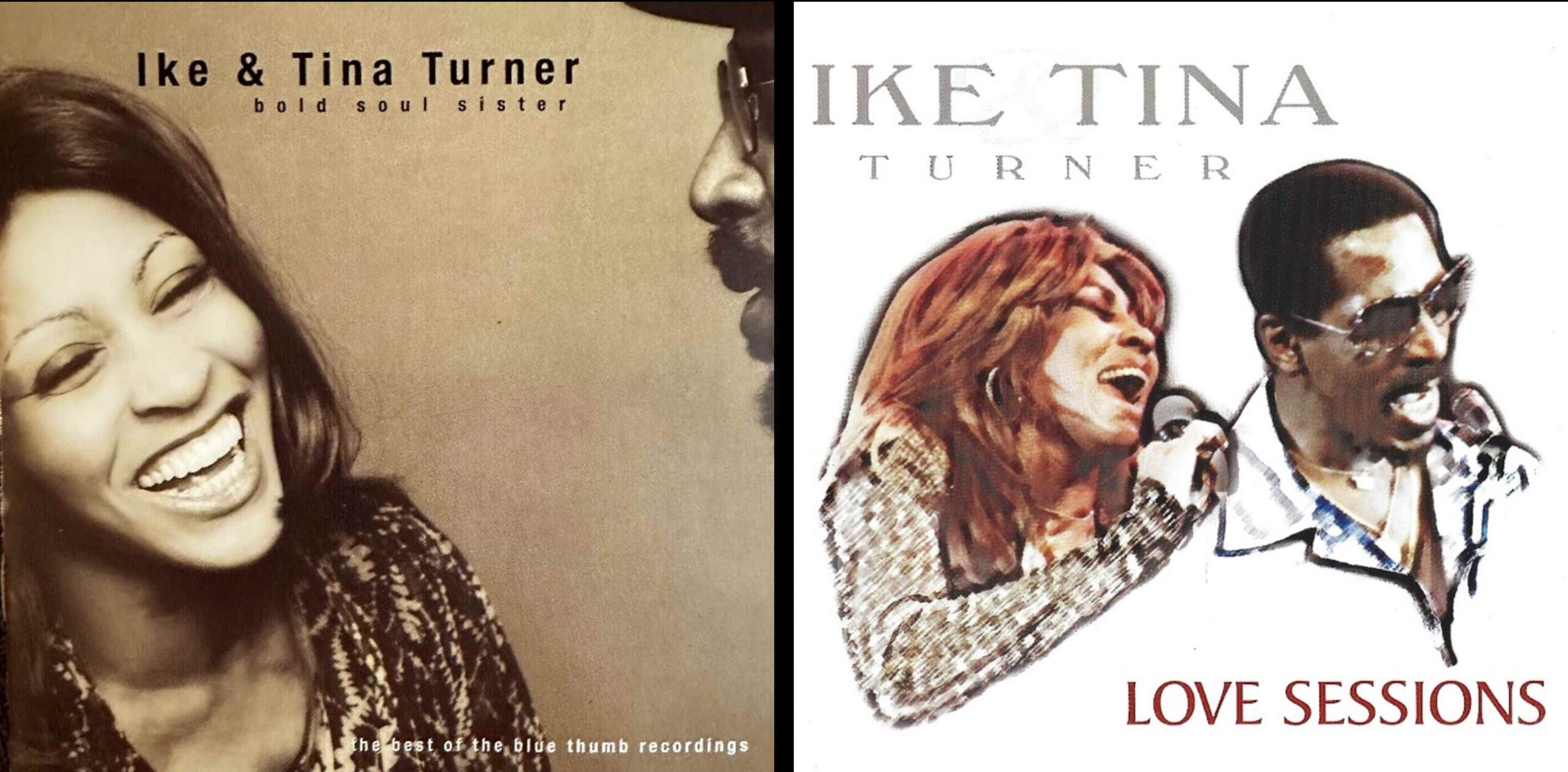
Rounding out my collection of Ike and Tina Turner recordings are two cd compilations from the late 60s, both consisting of material recorded on the Blue Thumb label.
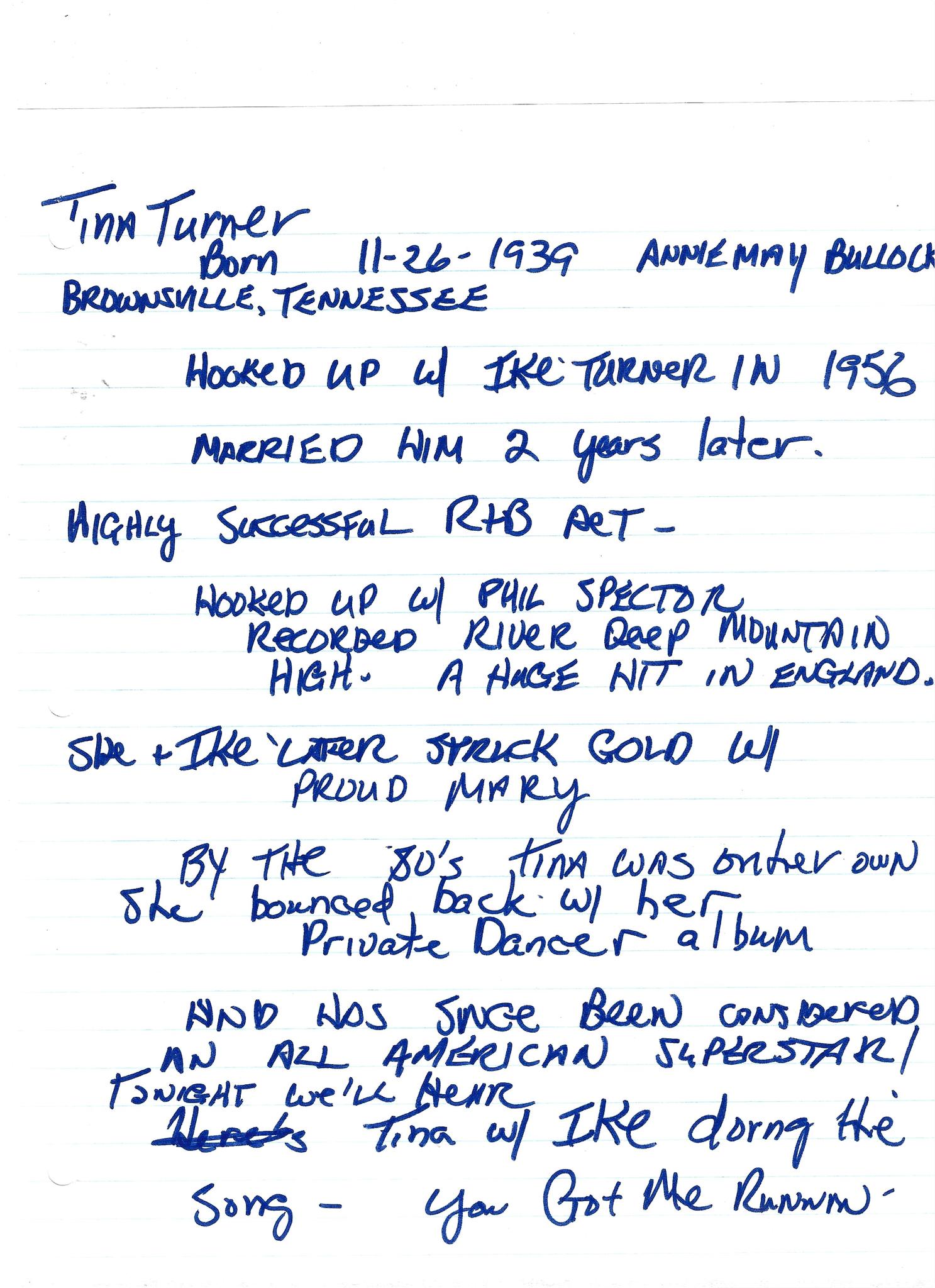
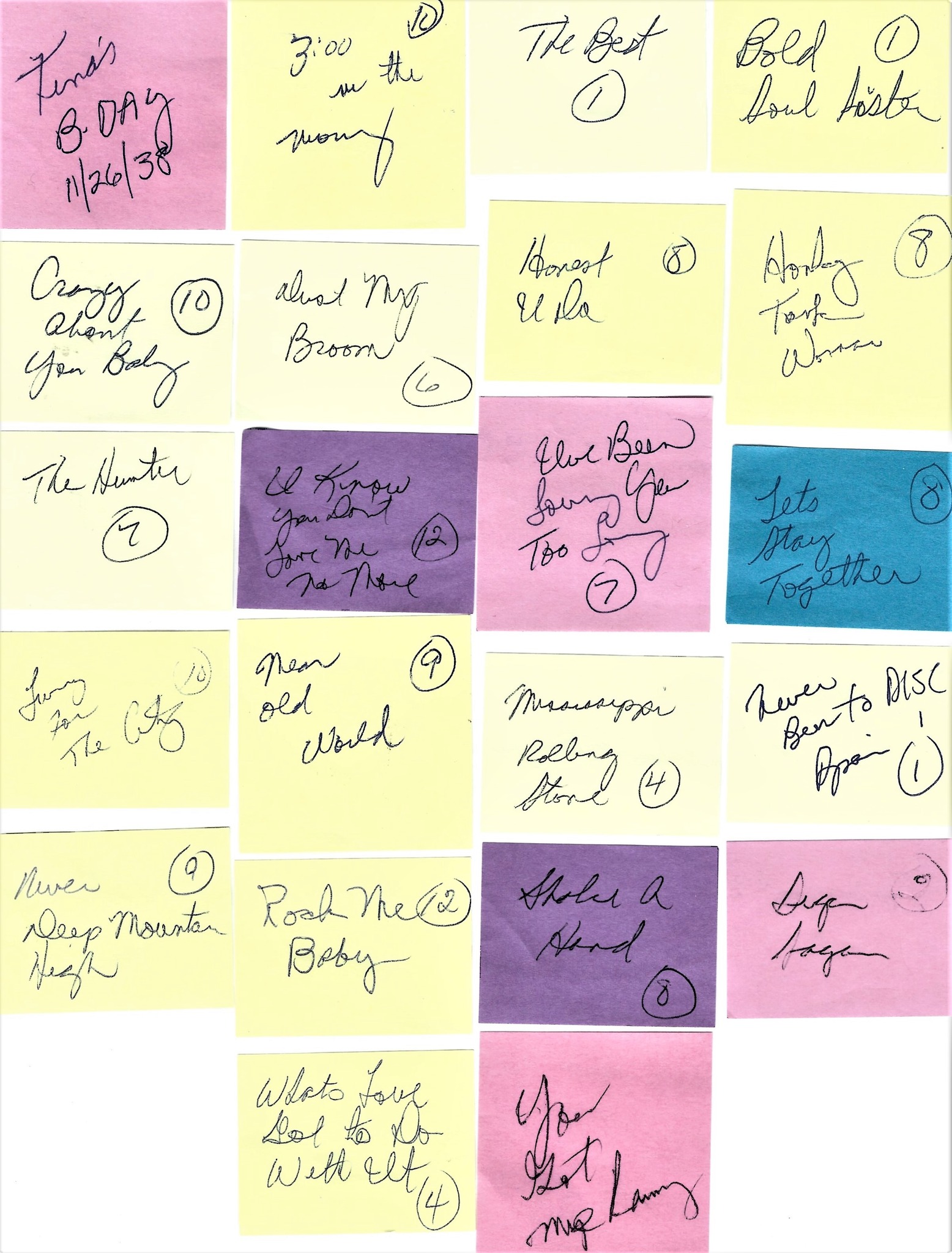
When I hosted my radio show, “The Chicano Connection” (1983-1986, 2005 to 2020), I would regularly feature the music of Ike and Tina Turner. Below is a quick bio sheet I wrote up for my segment on Tina Turner in celebration of her birthday one year. I’ve also included a sheet full of the songs by Ike and Tina Turner that I played over the years while on the air.
Aretha Franklin had her feathers ruffled in 2015 when Beyonce’ called Tina “the queen” at the Grammys 50th anniversary show. This only made Aretha look bad.  She was always quite insecure about her status as one of the world’s greatest singers. Tina later noted that Aretha was the queen of soul and that she was the queen of rock and roll and said there’s room for more than one at the top. I heartily agree.

Those performances that Tina Turner did live on television with Ike and her dancers will be forever embedded in the collective memory of people from my generation. There’s no justification, however, for what Ike did to her over the years, but I believe that you can’t just erase what you don’t like about the past. You have to acknowledge it. It happened and that’s that. However, there are indeed other things one can focus on at present, so I would rather just do that rather than ever, ever glorify Ike Turner.

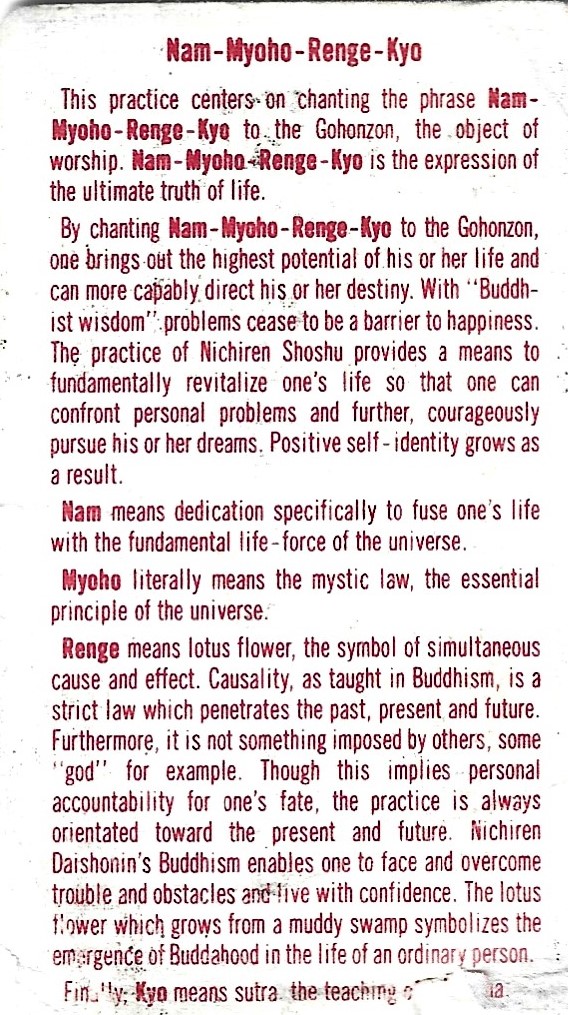
Tina didn’t let her fame go to her head. She was a devout Buddhist and remained so from the mid-70s to the very end. She chanted the same chant my cousin Tish chants. I still have the card Tish gave me with the words Nam Myoho Renge Kyo.
For a long time, my favorite songs were the blues tunes from the late 60s. 3 O’Clock in the Morning Blues, Dust My Broom, You’ve Got my Running, and Mean Old World are all very heartfelt and beautifully sung. Tina’s raspy, low voice is well suited to these kinds of songs. Too bad she didn’t care for the genre much. Oh well. At least we have the Blue Thumb records and cd compilations.  

Lately, I’ve been enjoying discovering some of her newer work. I really like, “It’s Only Love”,  the duet she sings with Bryan Adams, and I enjoy the song Steamy Windows a lot. I’m sure there are a lot more songs that I’ll enjoy as I continue to listen and learn.

What a wonderful recording legacy she left us. And it started in 1960, not 1983.

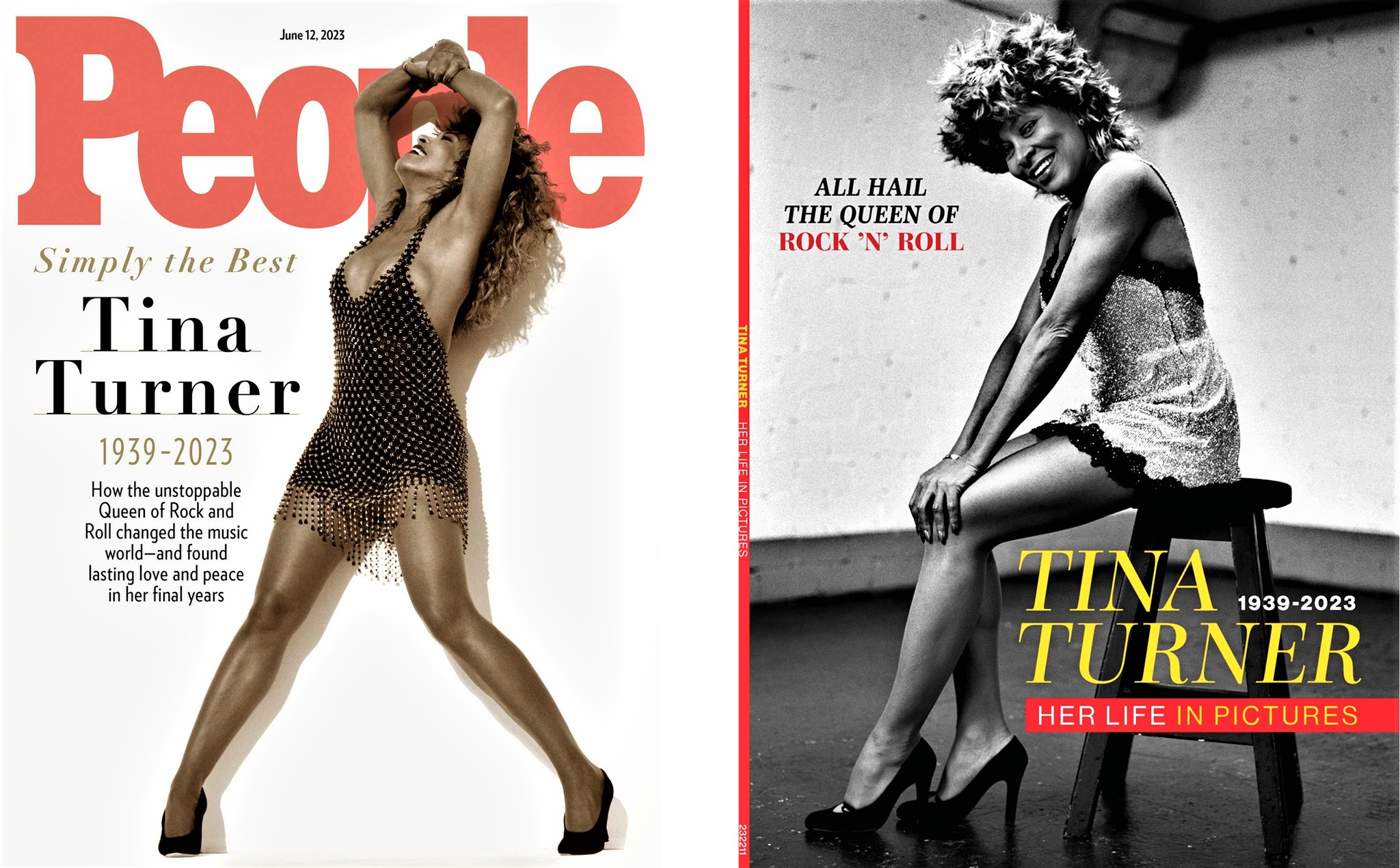
Here are two recent magazines featuring Tina Turner that I bought for my collection at Walgreens in early June, 2023.
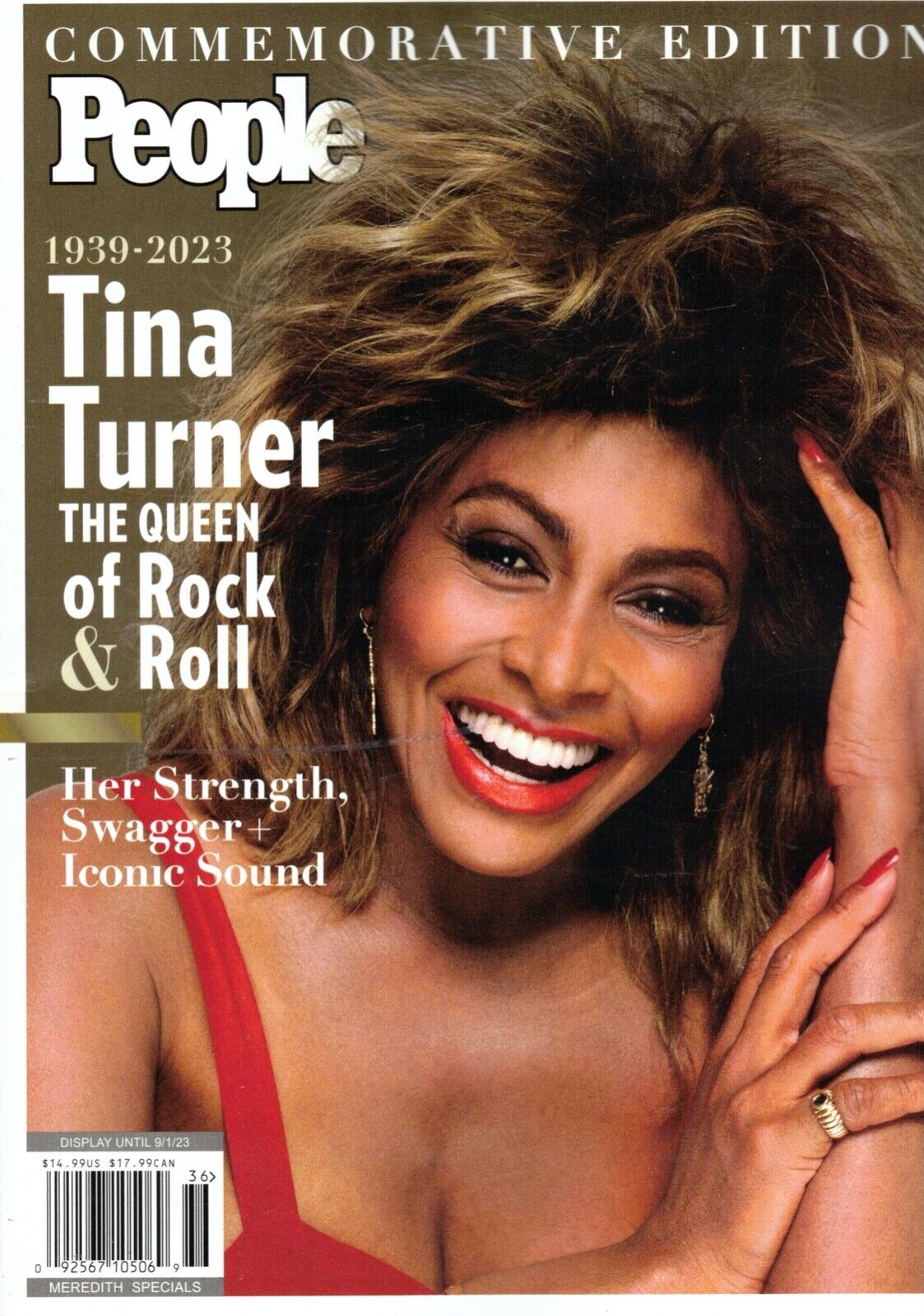
My newest acquisition, People’s Tina Turner commemorative issue, published in June 2023.
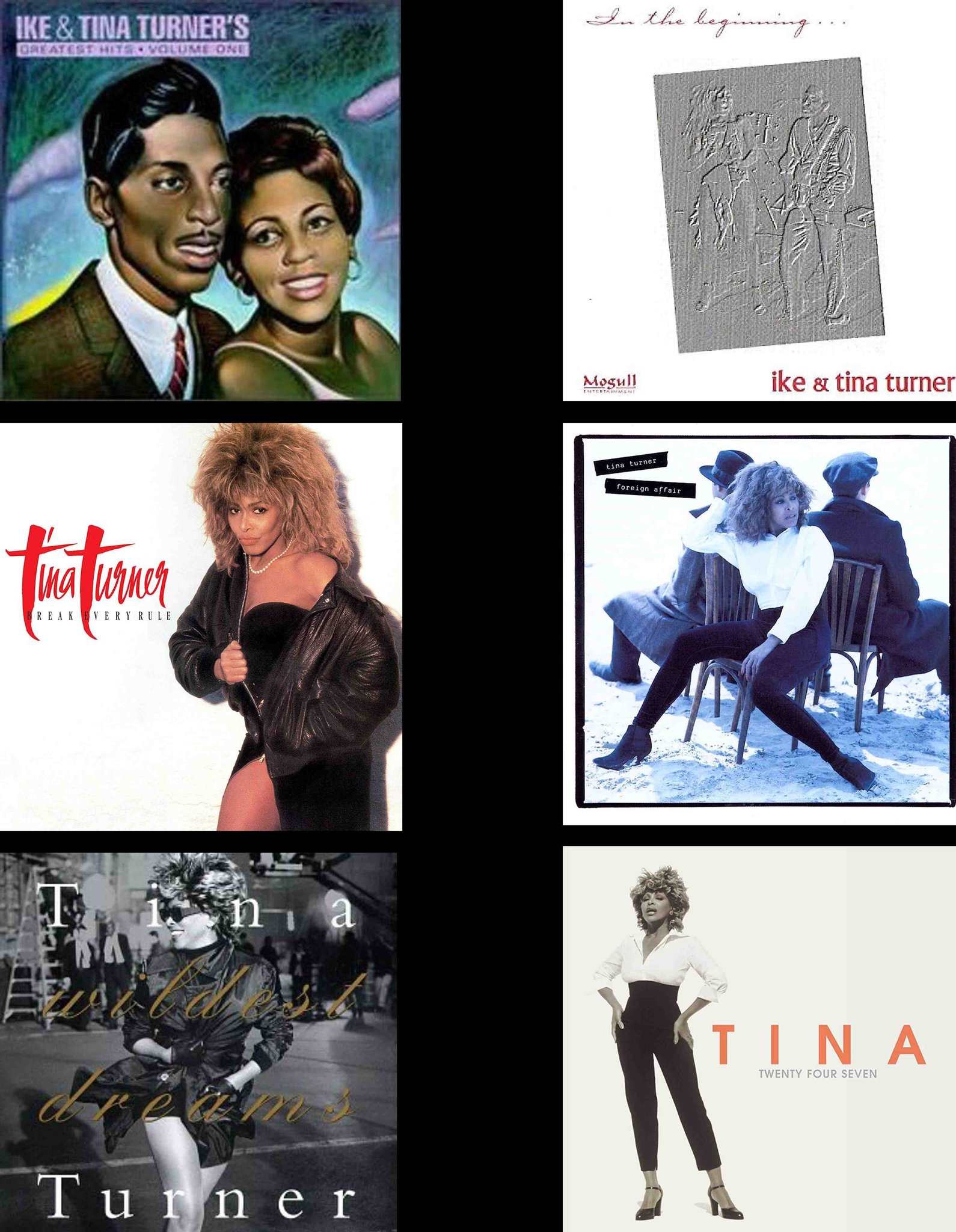
I recently went on a shopping spree and found these cds–Greatest Hits Vol. 1 (1989); In The Beginning (1993); Break Every Rule (1986); Foreign Affair (1989); Wildest Dreams (1996); and Twenty-Four Seven (1999). The first two are Ike and Tina Turner compilations from the Sixties and Seventies, and the rest are from Ms. Turner’s solo career.
I couldn’t resist. My very own Tina Turner T-Shirt!
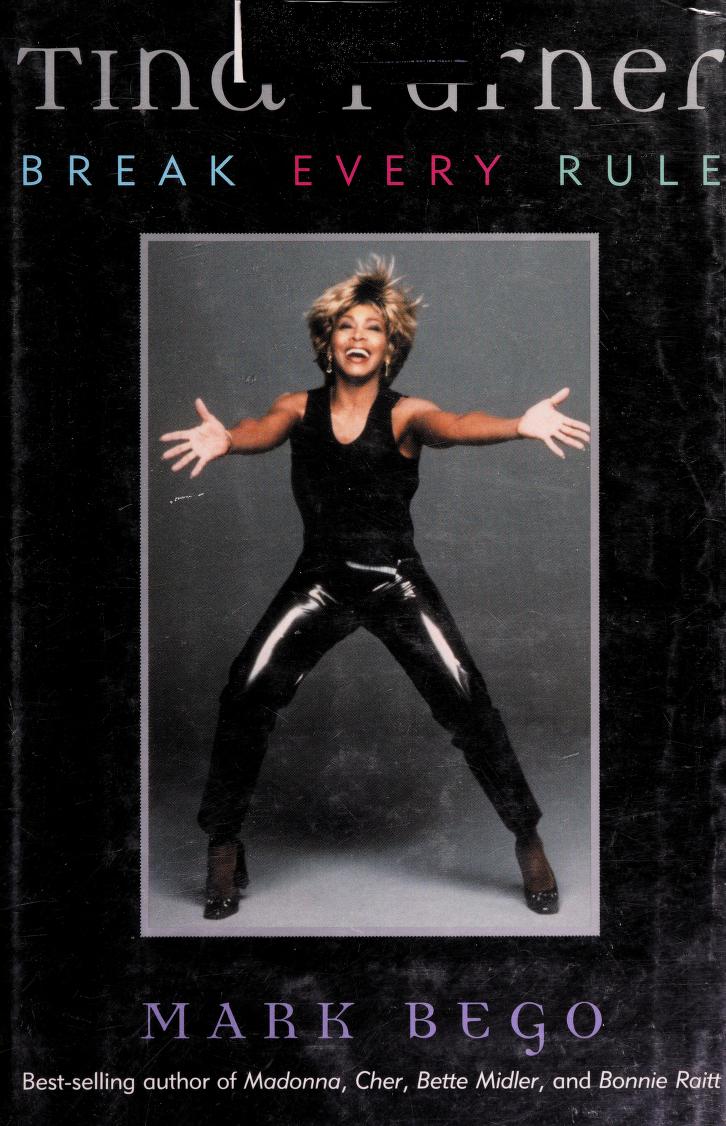
I borrowed this book from the University of Arizona Library and read it in just a few days. It was published in 2005. I finished in on 6/21/23. It was okay. Bego got a lot of the details of Turner’s life wrong and he’s very repetitive. A good editor would have helped clean it up a bit. Nevertheless it did have a lot of interesting information, especially about Tina’s relationship with Ike Turner.
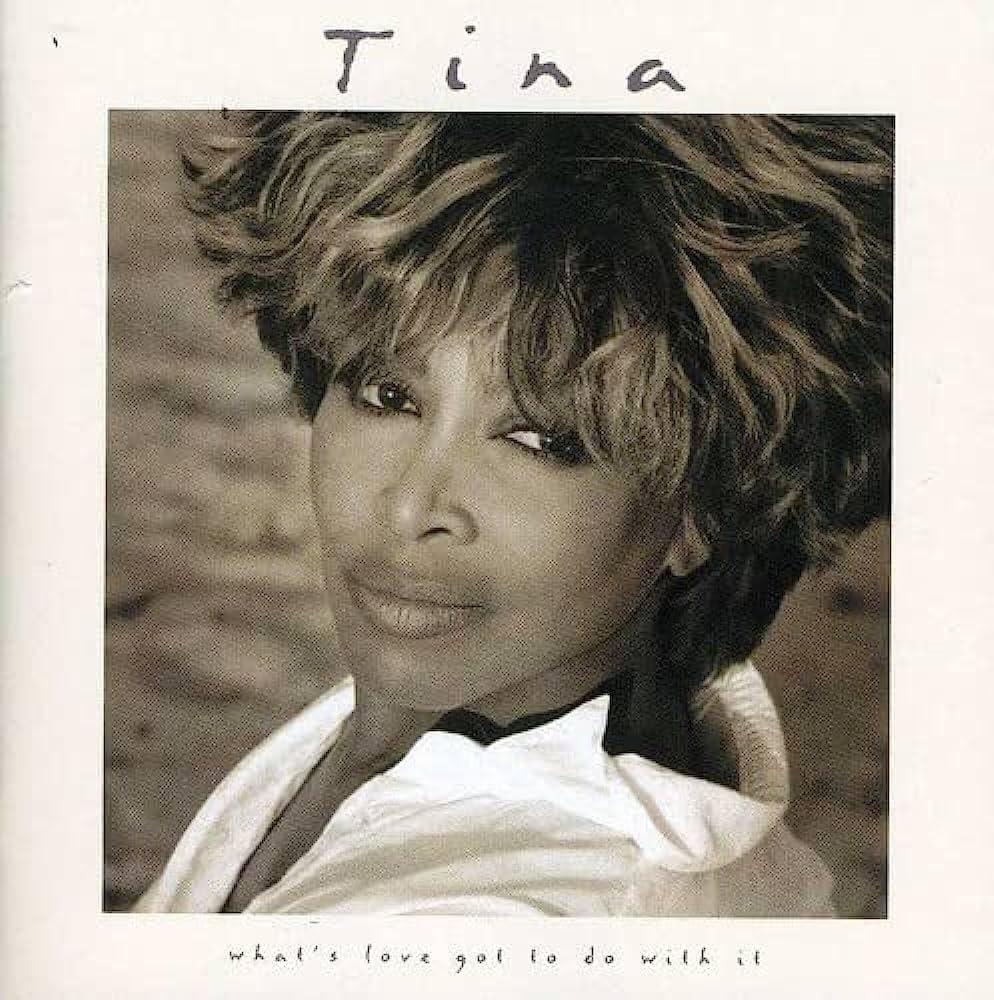
My latest acquisition, received in the mail on 6/23/23, “What’s Love Got To Do With It?” released in conjunction with the movie by the same title in June 1993. This compilation includes versions of some of Tina’s earliest hits as well as her latest efforts.

I had no idea this duet existed until today, which is July 12, 2023. It’s amazing. The are great together. I’d never even heard of Jimmy Barnes until today, but he’s quite popular.

For more information, consult Wikipedia’s entries on Ike and Tina Turner and Tina Turner. Also see the entries, Ike and Tina Turner Discography and Tina Turner Discography for a more complete listing of their recordings than what I have included in this post. The site Discogs includes a lot of additional information about their various recordings.

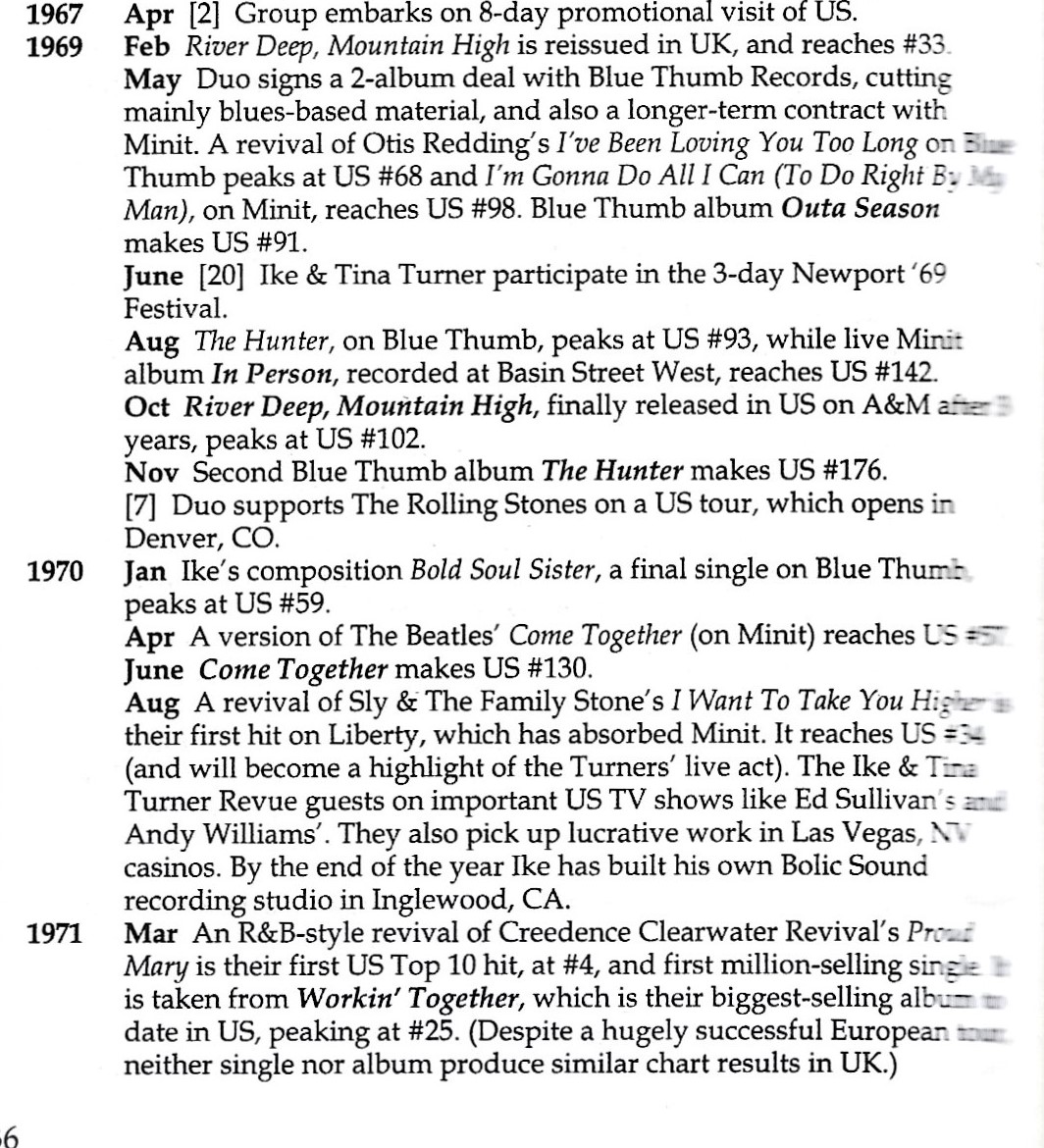
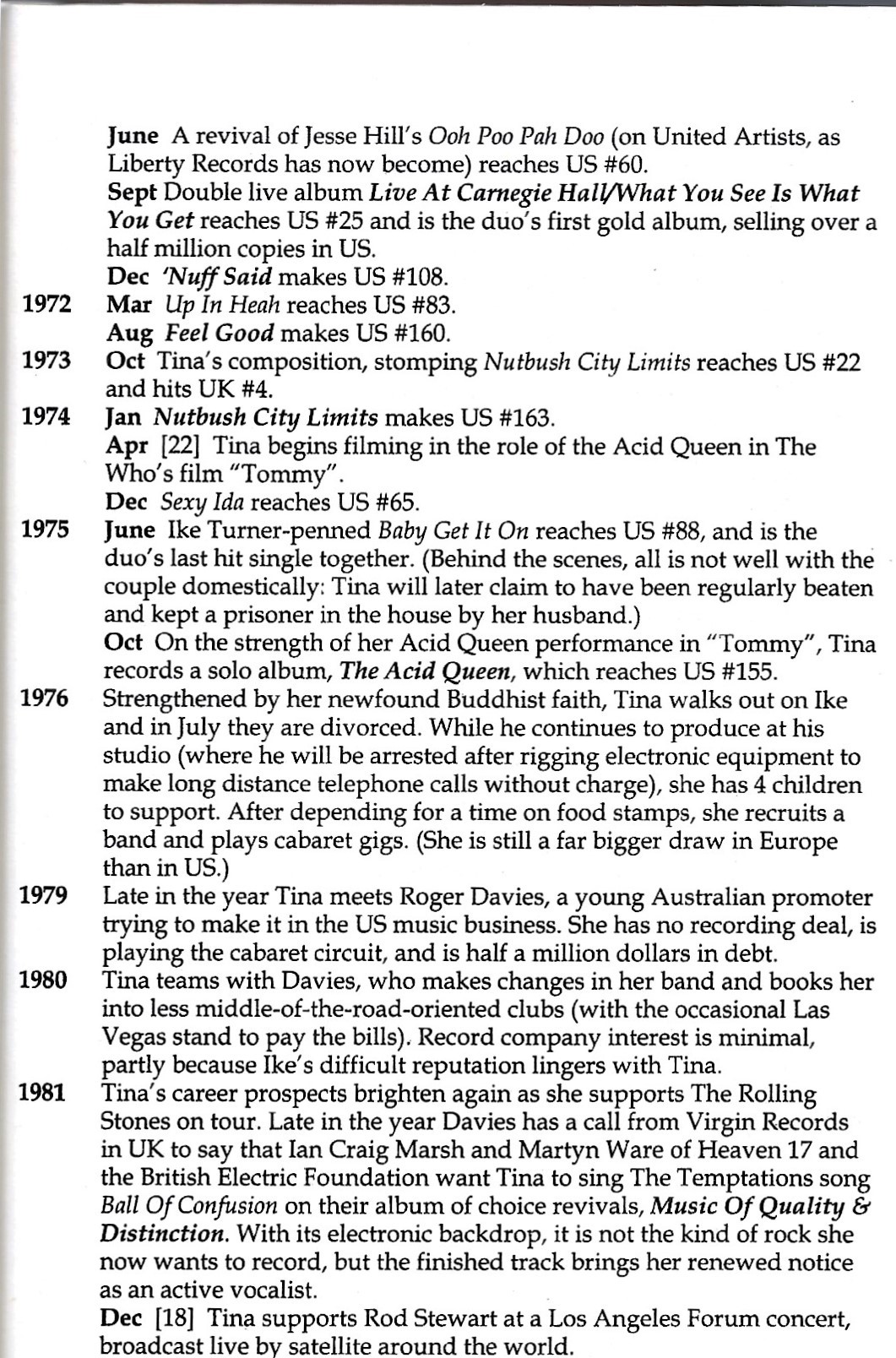
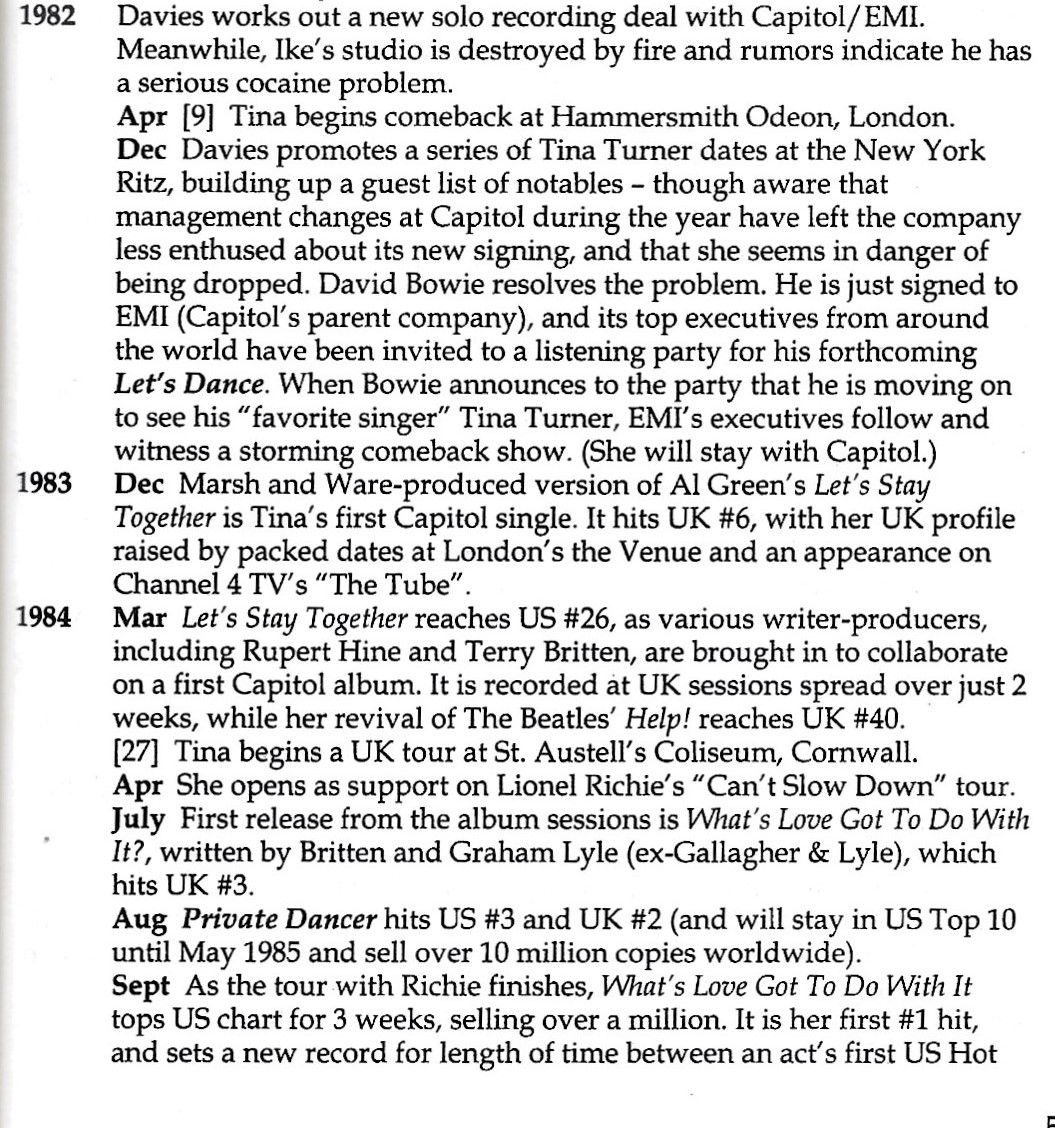
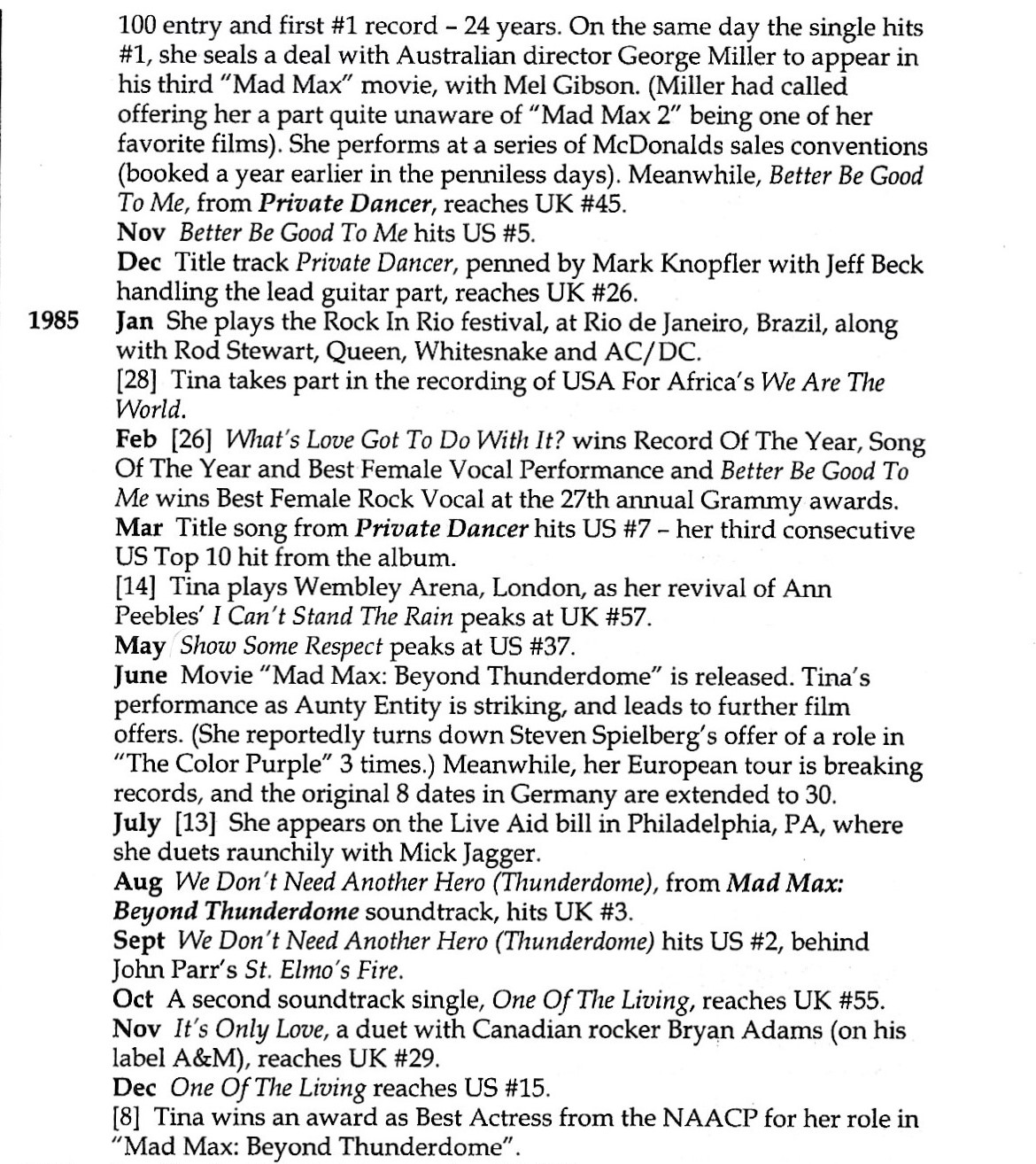
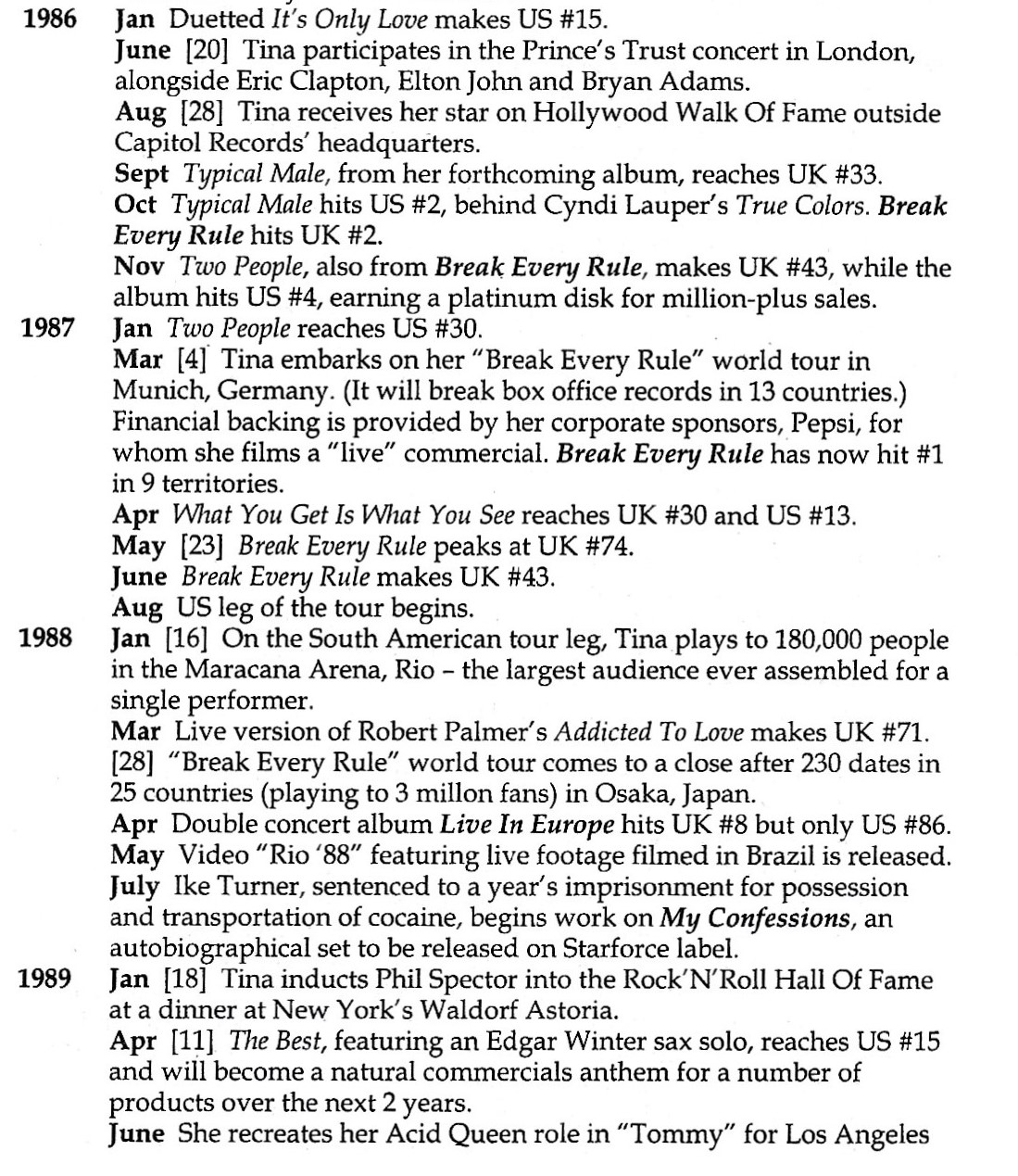
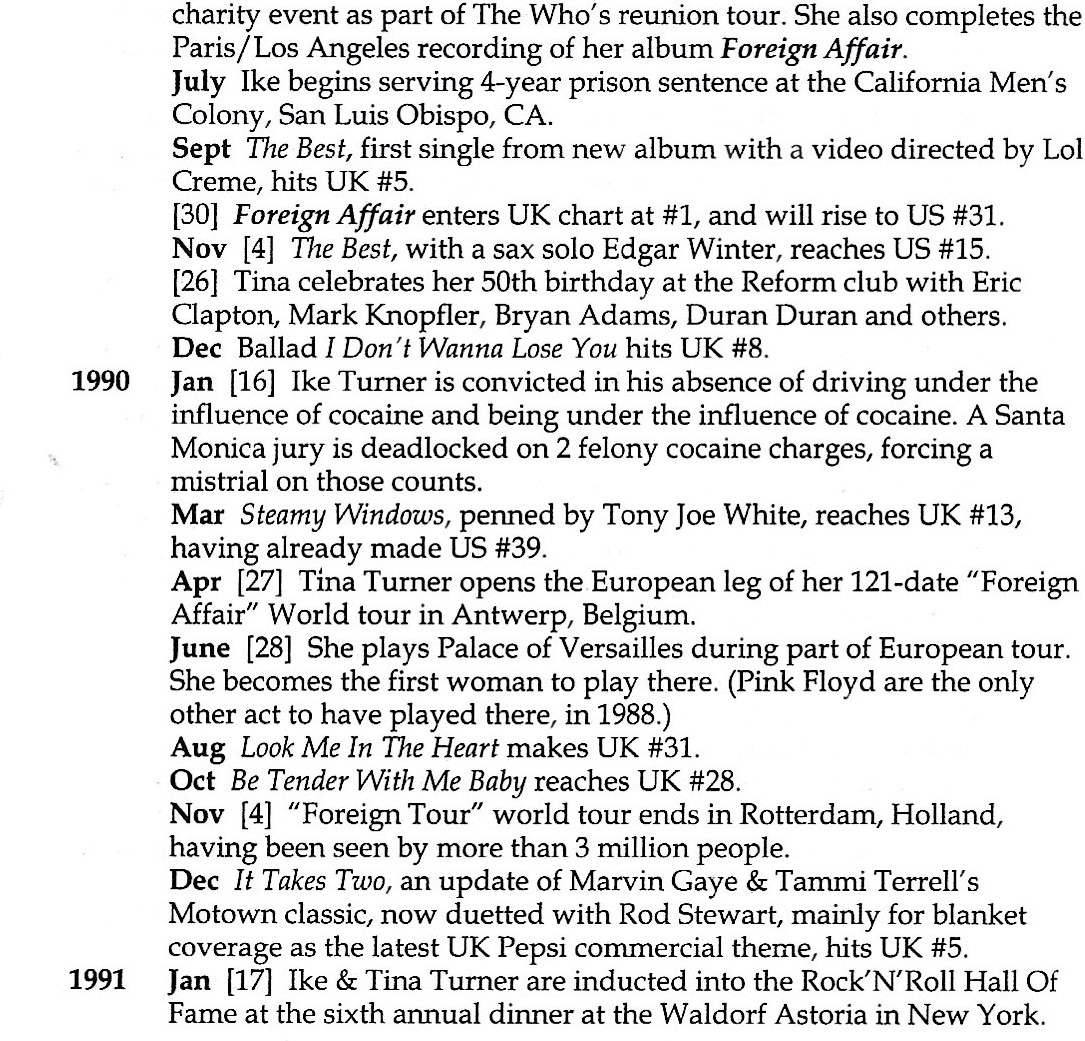
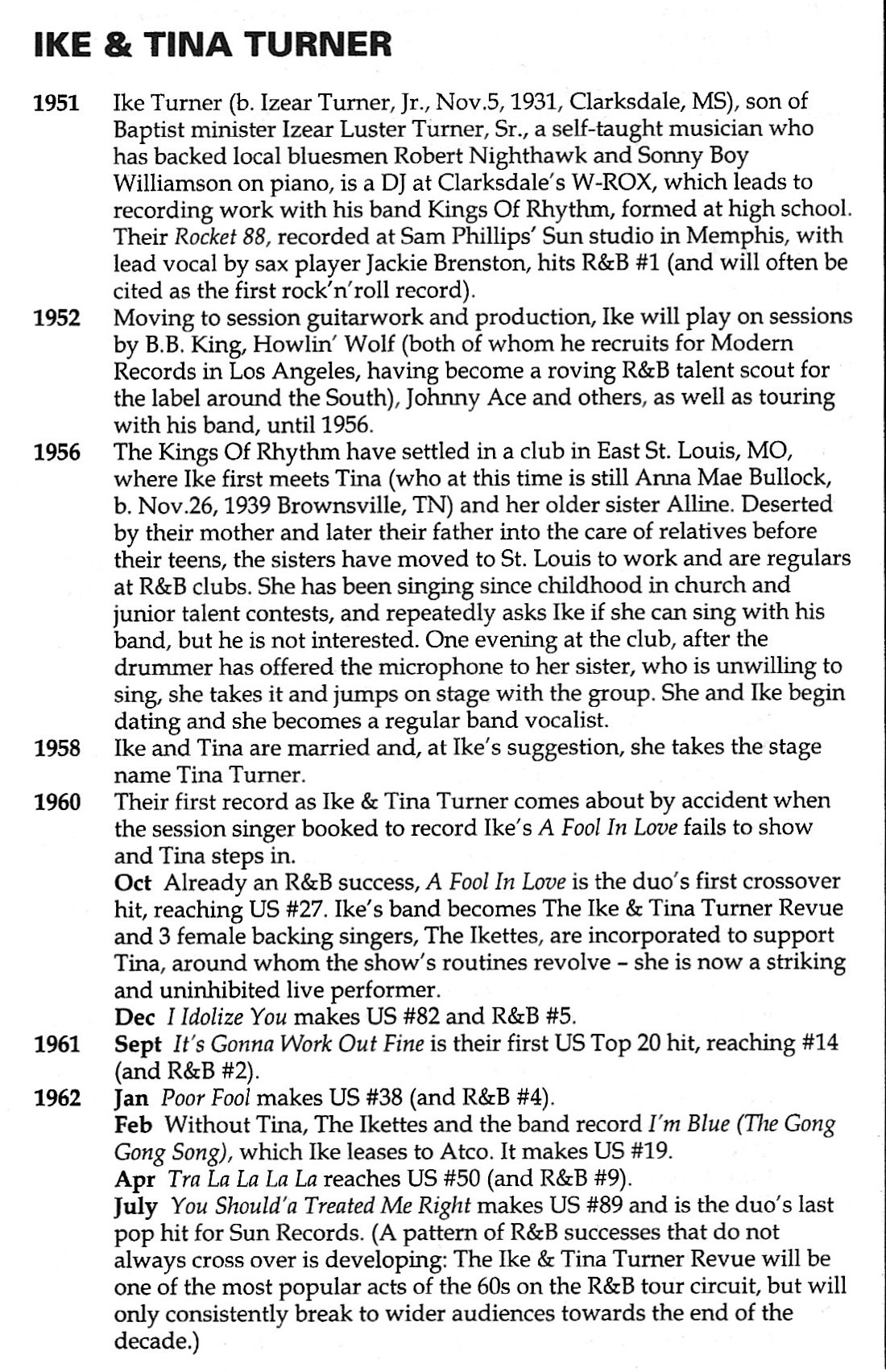
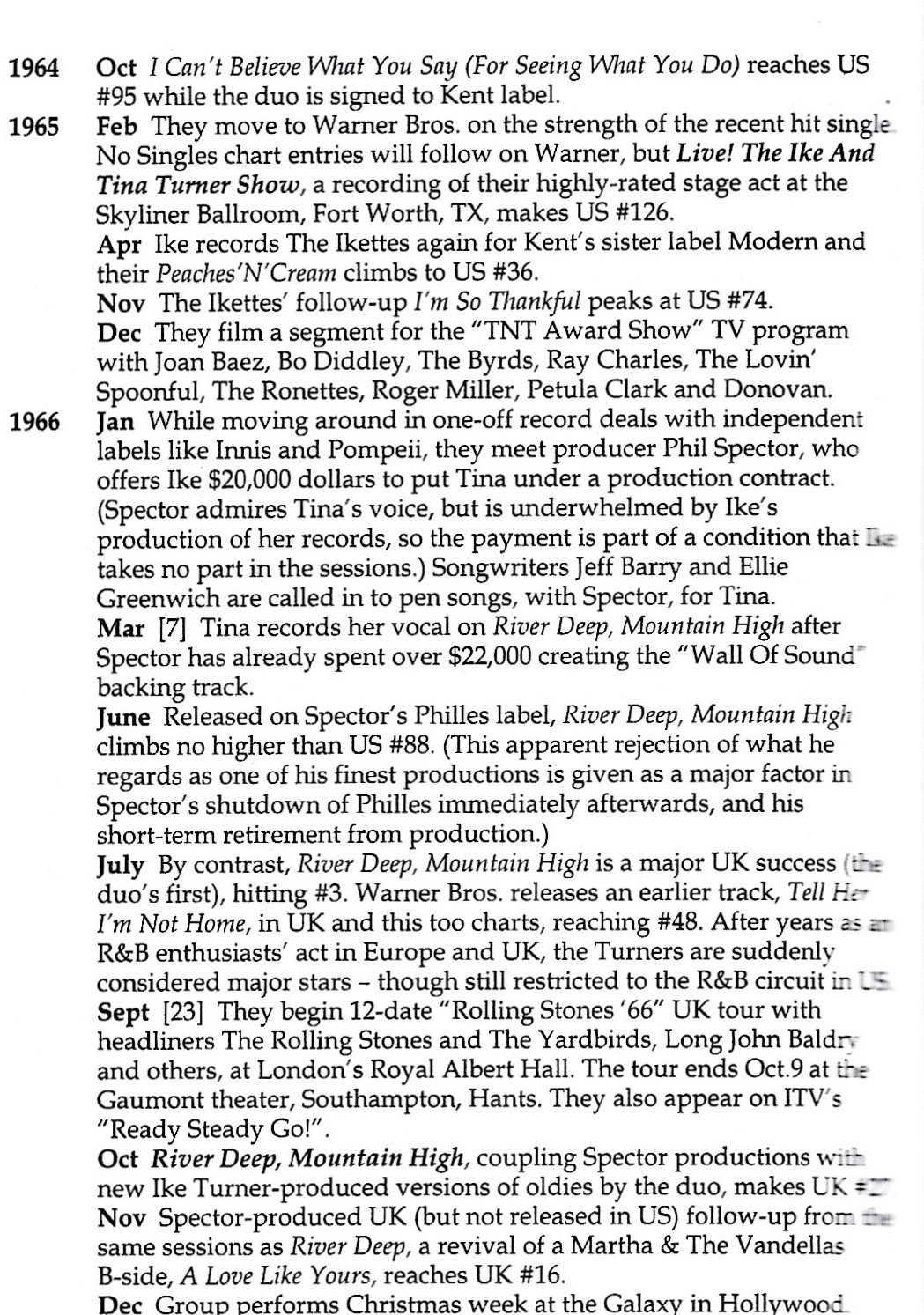
AN IKE AND TINA TURNER TIMELINE TO EARLY 1991 (borrowed from the book, “Rock Movers and Shakers” by Dafydd Rees).
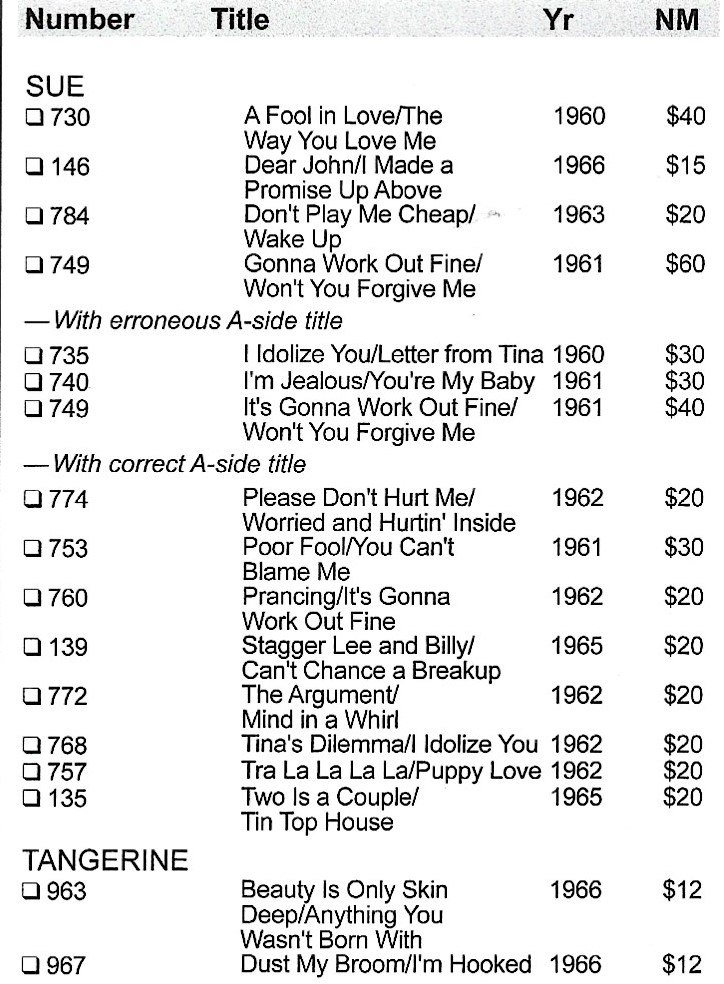
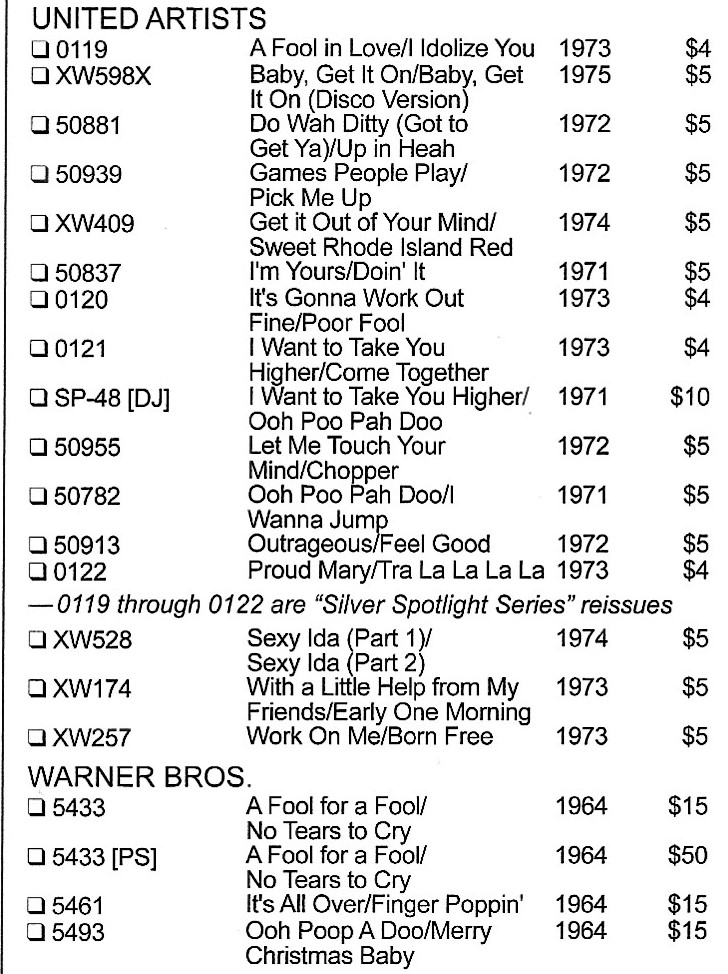
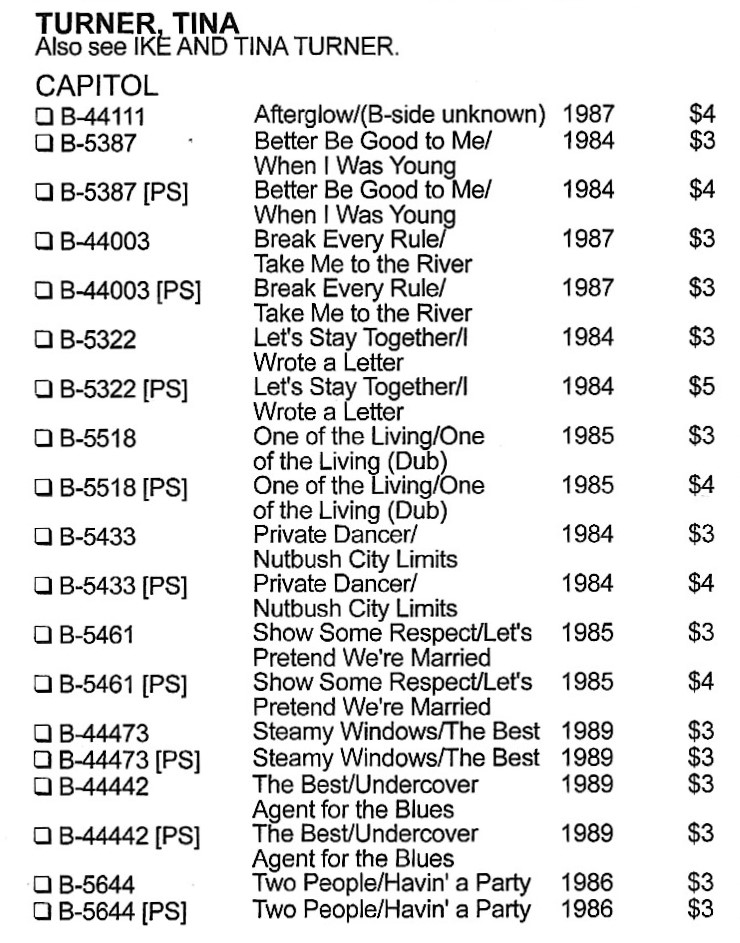
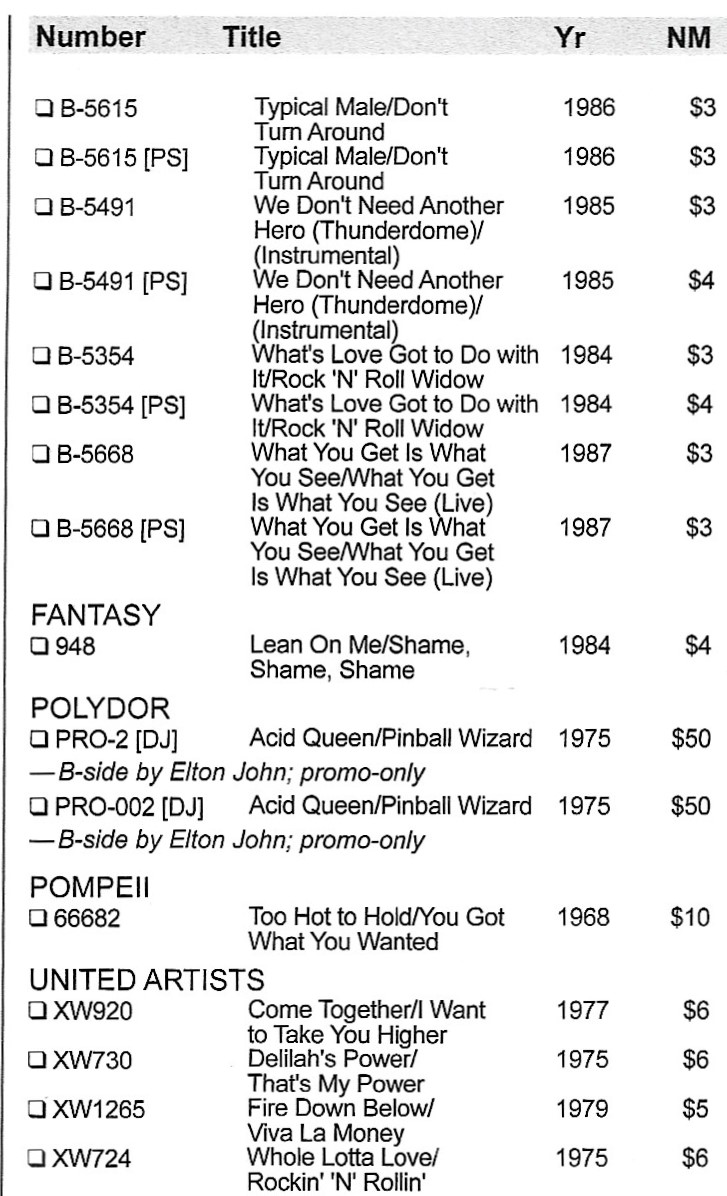
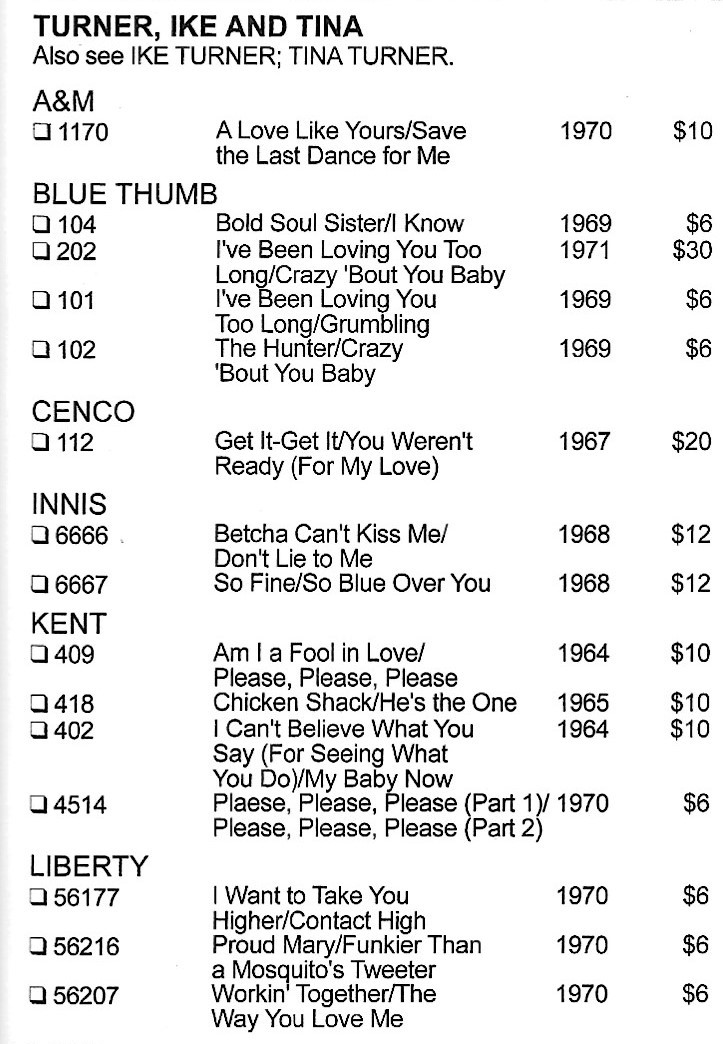
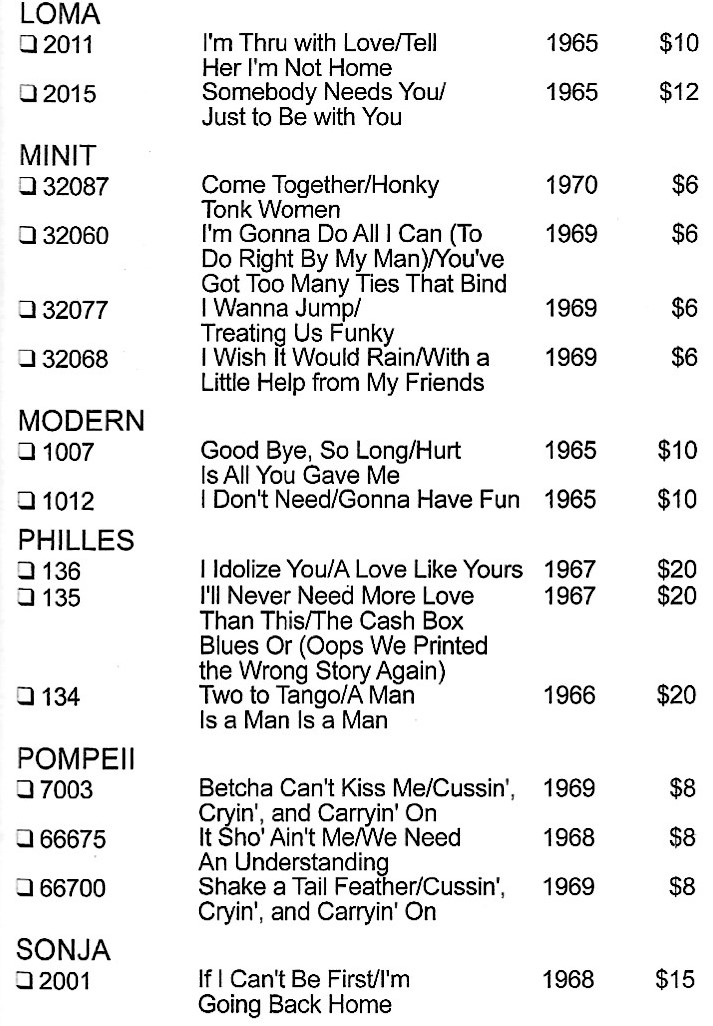
Tina Turner left behind a lengthy, rich recorded legacy going all the way back to 1960. The following lists of Ike and Tina Turner and Tina Turner 45 rpm singles is borrowed from the book “Goldmine 45 RPM Records Price Guide, 8th edition“, by Dave Thompson. (Krause Publications, 2018).
Benny Goodman (May 30, 1909-June 13, 1986)

My first eight years of schooling took place in the public schools. I started learning the cello in the 4th grade at Robison Elementary School, using an instrument provided by the school. I continued playing while at Mansfeld Junior High, and really came to love it. I even went to music summer camp one year at the University of Arizona, and was beginning to get better and better at playing, even though I never had private lessons.

All of my brothers and sisters attended Tucson High School, and I was expecting to do the same. Instead, however, I begged my parents to let me go to Salpointe, a private Catholic school with a great academic reputation, but no orchestra. Sadly, the move to Salpointe meant that I had to give up playing the cello, because my parents could not afford to buy me one of my own, and there was nowhere else to play the instrument. I hadn’t heard of Tucson Junior Strings, a local youth orchestra that I could have joined, but even if I had, I likely would not have been able to participate because of the costs involved. Going to Salpointe was going to stretch my parents’ budget beyond what they could afford as it was.

During orientation at Salpointe, the band director recruited me and encouraged me to try the saxophone. I really didn’t know much about the instrument, but I really liked the saxophone solos I had heard on the pop tunes of the late fifties and early sixties. Songs like Tequila, the Twist and the Mashed Potato featured saxophone solos that really helped make the tunes come alive. So I gave it a try.

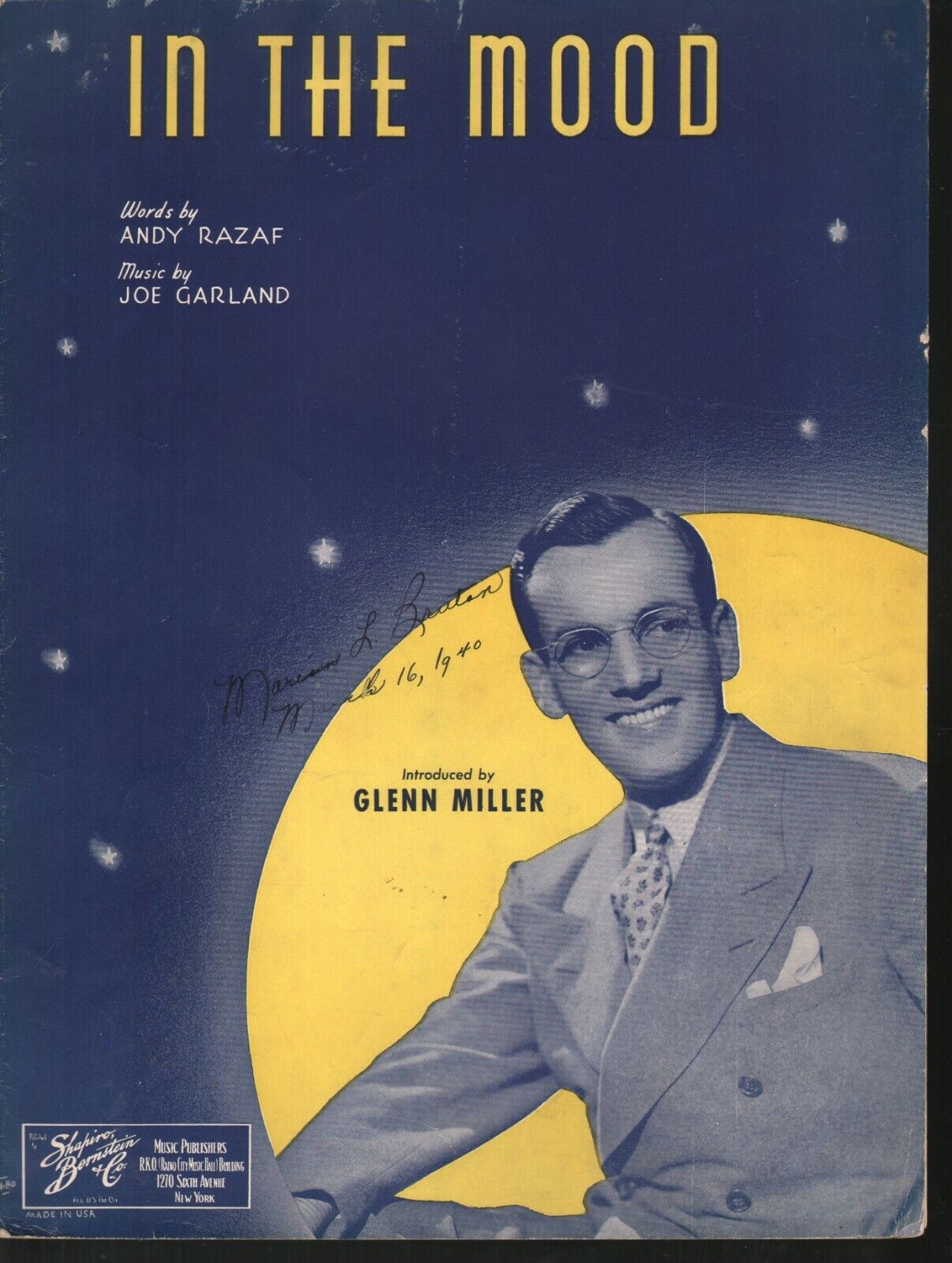
At first, I played the tenor saxophone, and later the alto, using instruments provided by the school. The band director at one point bought a brand new alto and let me be the first to play it. I liked it a lot and took to it quickly. Before long, I had learned how to play the song “In the Mood”, made famous years ago by the Glenn Miller Orchestra. As I think back, this was really my first exposure to the music of the swing era. I didn’t really know any other songs from that time period, except for maybe Boogie Woogie Bugle Boy by the Andrews Sisters. Everyone knew those tunes. Sometimes there would be commercials on tv advertising the music of the big band era, and while it sounded intriguing, I didn’t go crazy over it. This was the music of my parents, so it was considered old-fashioned.

I learned how to play this song in while in the high school band.

Once I started earning money my junior year of high school, I began to collect record albums, and expanded my musical interests in many directions. Around the time I started college, I began listening to jazz. I have been collecting jazz recordings and books for many years now. My love of the music of Billie Holiday and Ella Fitzgerald, and my reading about their lives led me to the swing era, and I learned a little bit about all the great musicians of the time, and a few of the orchestras. I knew that the Chick Webb Orchestra, for example, was one of the best swing bands of the era, and that Ella Fitzgerald worked with him when she first started singing. I also knew that Billie Holiday worked with both the Count Basie band and the Artie Shaw orchestras, and had recorded with Benny Goodman and Teddy Wilson at the start of her career. And, of course, I knew about Glenn Miller and “In the Mood”. However, I was never a fanatic about swing era music to the point where I collected everything I could find and knew the repertoire of all the great bands. It wasn’t until recently that I realized what an impact this music had on American culture. Swing was a real phenomenon. It was huge. The youth of America went crazy over it.

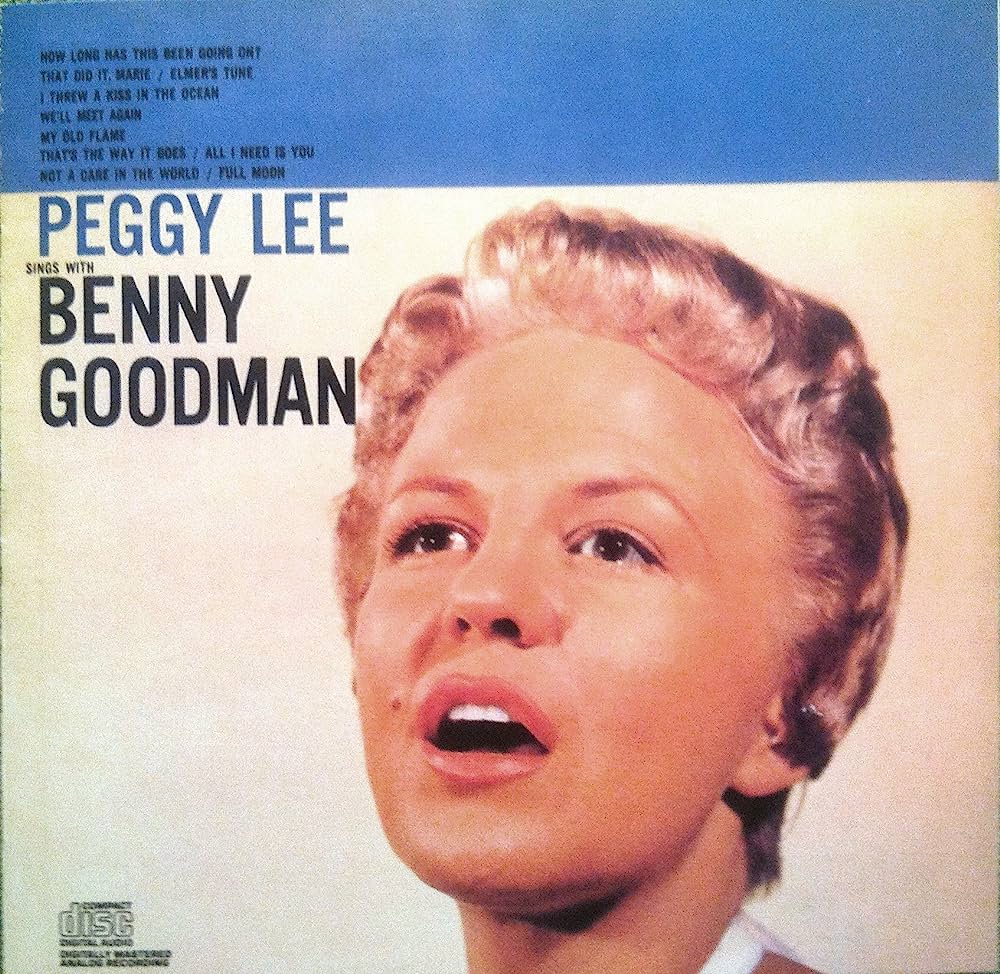
Benny Goodman was always one of those musicians in whom I was interested, and when I was collecting 78’s, I found a lot of his recordings. I didn’t know a whole lot about him or the details of his life and work, however, except that Peggy Lee worked with him in the early 1940s and that he was known as the “King of Swing”. On a whim, I recently decided to read a biography about him by James Lincoln Collier. The book was titled, “Benny Goodman and the Swing Era”. I found the book fascinating and especially liked reading about Chicago and New York in the 1920s and 1930s, how the Great Depression affected popular culture, and how popular music made a comeback in the mid-30s, in large part due to the popularity among American youth of Benny Goodman and his Orchestra. The musical analysis provided in the book was a bit beyond me, but I made it a point to listen to Goodman’s music along the way, and I watched a lot of videos of Goodman and his band. The most fascinating were the ones that included Gene Krupa, the famous drummer and bandleader. That guy was a bundle of energy. His playing on the tune “Sing, Sing, Sing” is just outrageous!

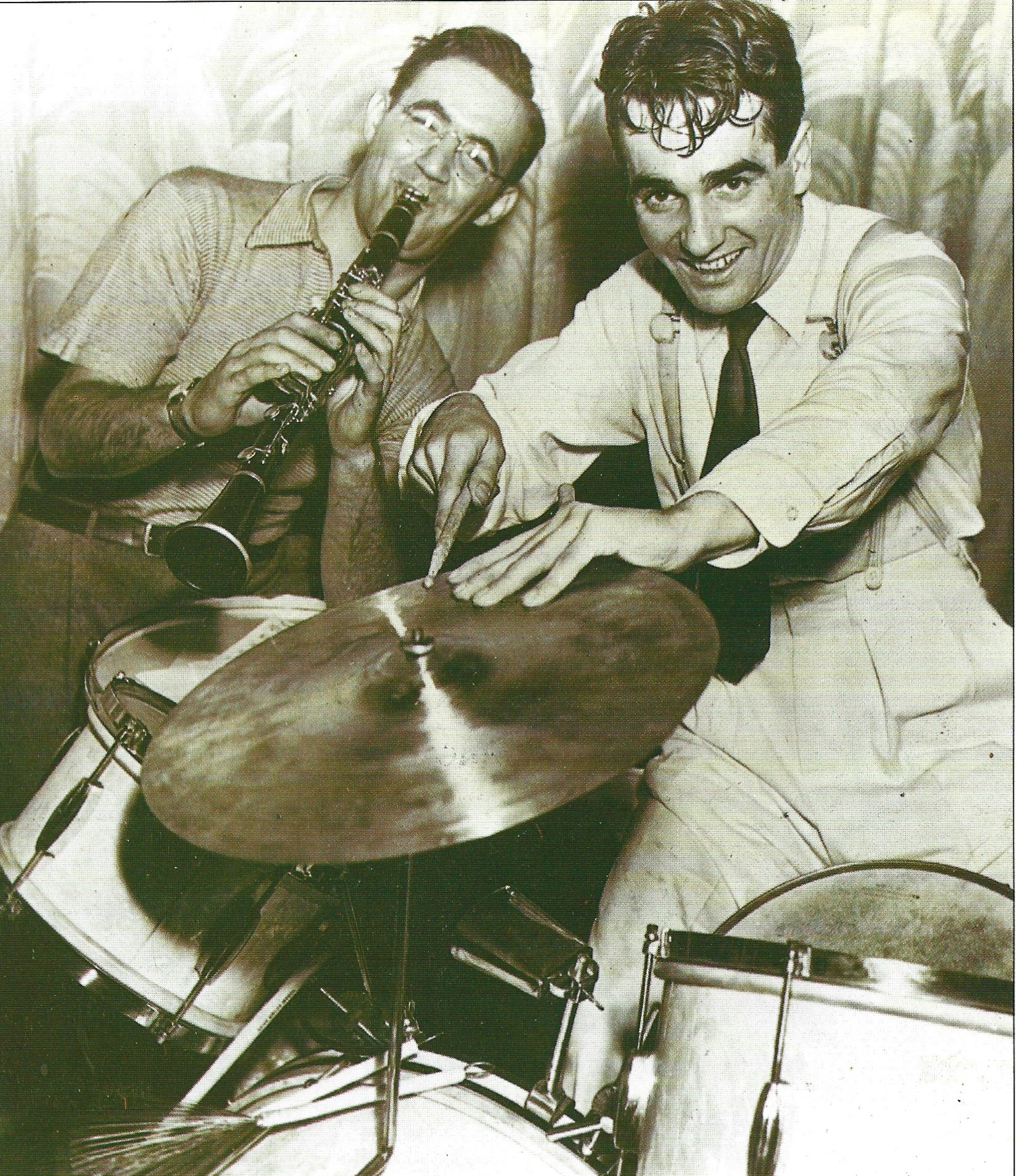
Benny Goodman and Gene Krupa. They were quite a pair!
Sing, Sing Sing is one of Goodman’s signature tunes, and this clip features Gene Krupa going crazy on the drums.

I’ve been intently listening to Goodman’s work for the past few months, and I must admit I like his early work (mid to late 30s) better than what he recorded in the latter part of the 40s. The trio and quartet material is great too, as are the tunes he recorded when Peggy Lee was his vocalist in the early 40s. As bebop became more popular in the 40s, Goodman tried to incorporate it, but it just doesn’t sound right to me. The high pitch of the clarinet and the band playing at full throttle on tunes that are more dissonant and experimental in nature, sounds awful to my ears. I know everyone has their own tastes and preferences, however. By the mid-40s, interest in swing had faded, and more attention was paid to individual performers, particularly singers. Goodman never stopped recording or performing, but he reached his peak as early as 1940, and was never able to get “back on top” again, so to speak.

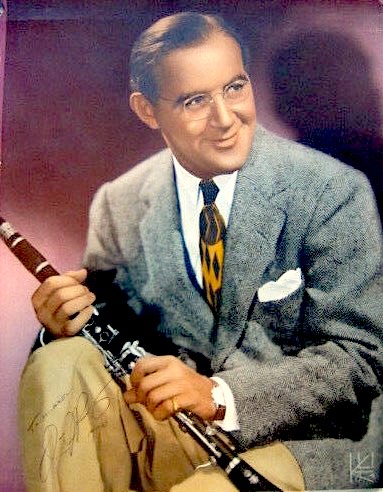
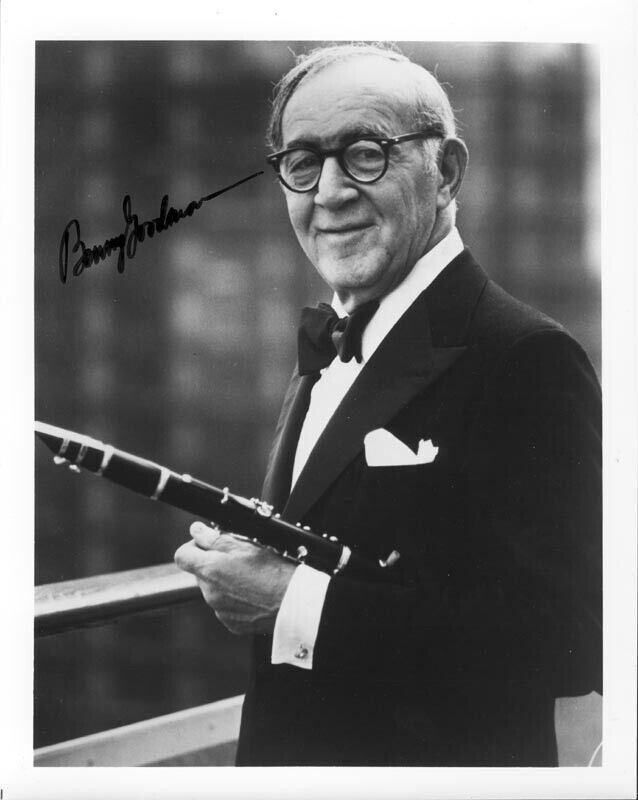
I’ve put together some materials in my collection. I purchased most of the cds on Ebay while I was reading the biography, but I’ve had the albums for many years, and I have more 78s in storage that I need to find. I even have an extended play (these feature two songs on each side, rather than one) 45rpm record that I just dug out from my 45’s collection. I didn’t realize until I started looking, how many books about Benny Goodman and the swing era were already in my collection. I now have 5 Goodman biographies, after having purchased two on Ebay recently. I even have a glossy, 8 x 10, autographed portrait. I’m not sure the signature is real or if the portrait was published with the signature on it, but it doesn’t matter. I’ve put everything together and wow, I’ve got a very nice collection!

I was saddened to learn that many of his fellow musicians thought Goodman was such a jerk in real life. Collier alludes to this several times in his biography, but never really goes into any depth. However, toward the end of the book,he makes reference to a publication called “Jazzletter” and a very revealing four-part series about the Benny Goodman tour of the USSR in 1962, written by a member of the band. The story, which I found available online in Jazzletter, (see below), was quite revealing. Goodman’s band members thought he was a tightwad, aloof and bad-mannered, and that he always needed to be top dog, in the spotlight at all times.

I’ve since read other material about Goodman, and have learned that John Lincoln Collier’s biography leaves out a lot of interesting information, such as the fact that Goodman performed in concerts for various progressive causes, and that his role as a band leader with an integrated ensemble was groundbreaking and had an impact that was felt far and wide. It helped to bring down at least some of the racial barriers in place at the time in American entertainment. His defense of fellow musician Gene Krupa, who was busted and jailed for possession of marijuana also stands out as a noble act. He publicly stated after Krupa was released that he could play in his band any time. Goodman’s brother-in-law, John Hammond was immersed in the American left, and he undoubtedly influenced Goodman to take risks he may not have otherwise taken.

In the end, Goodman’s music has stood the test of time, and is absolutely wonderful.

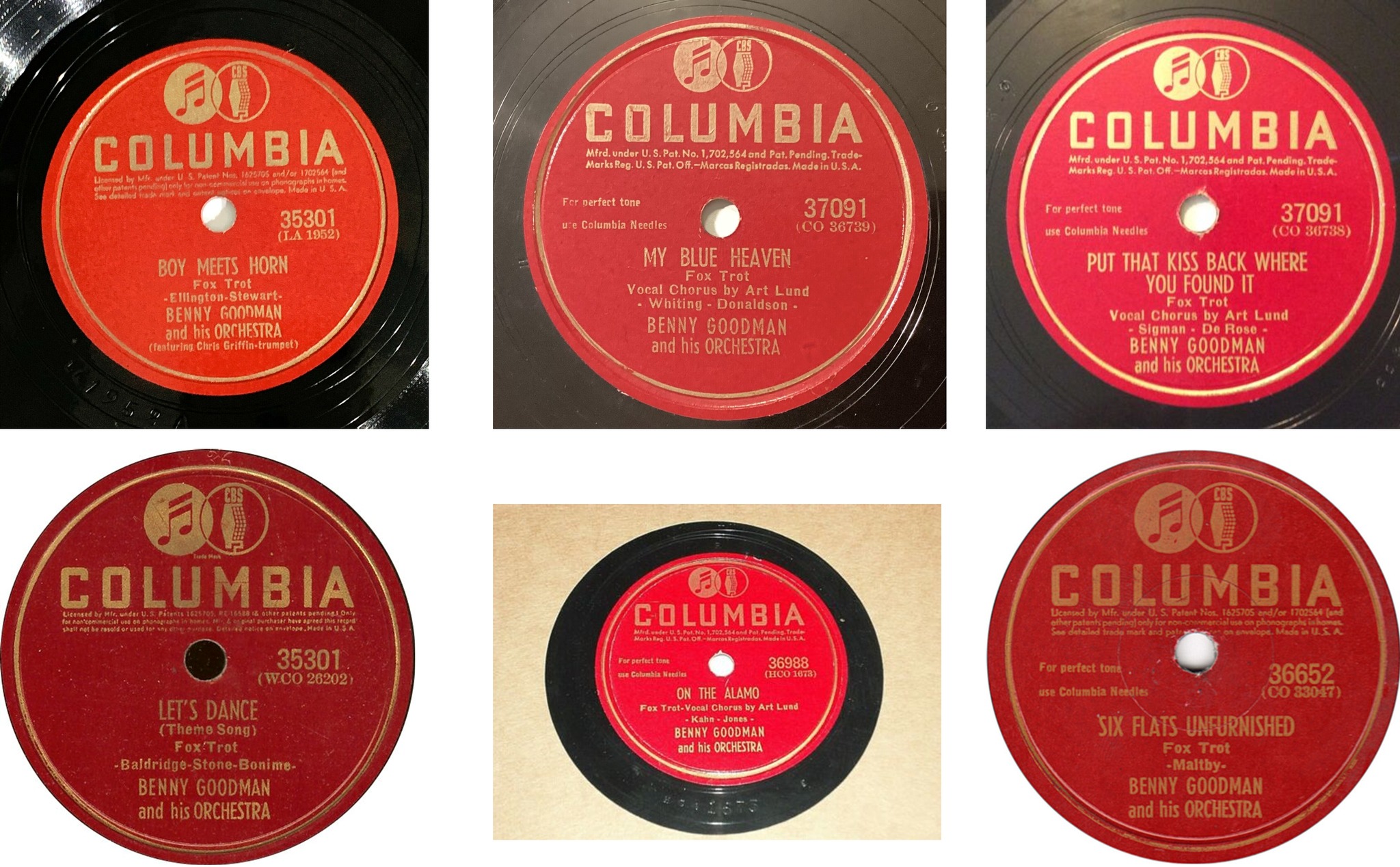
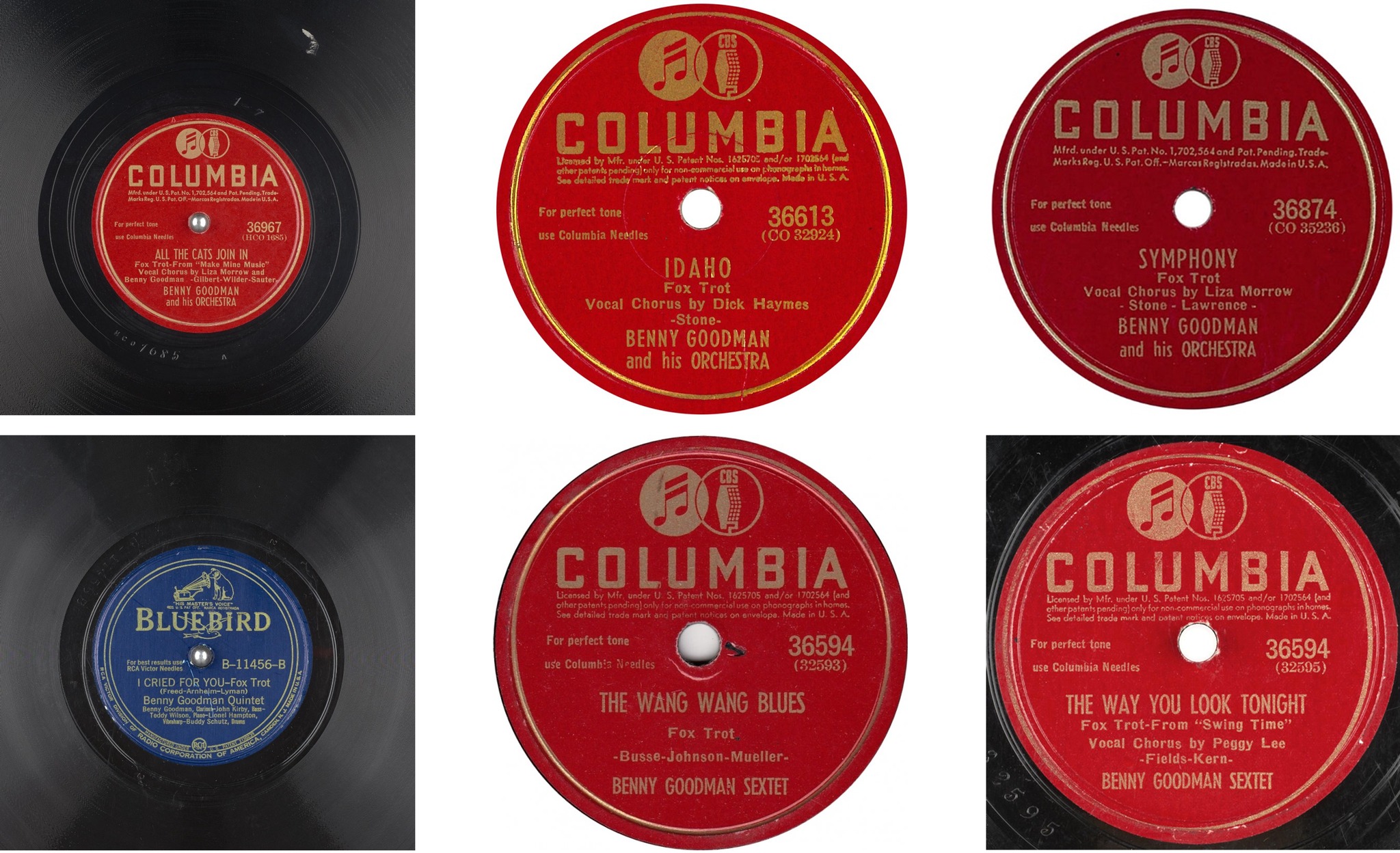
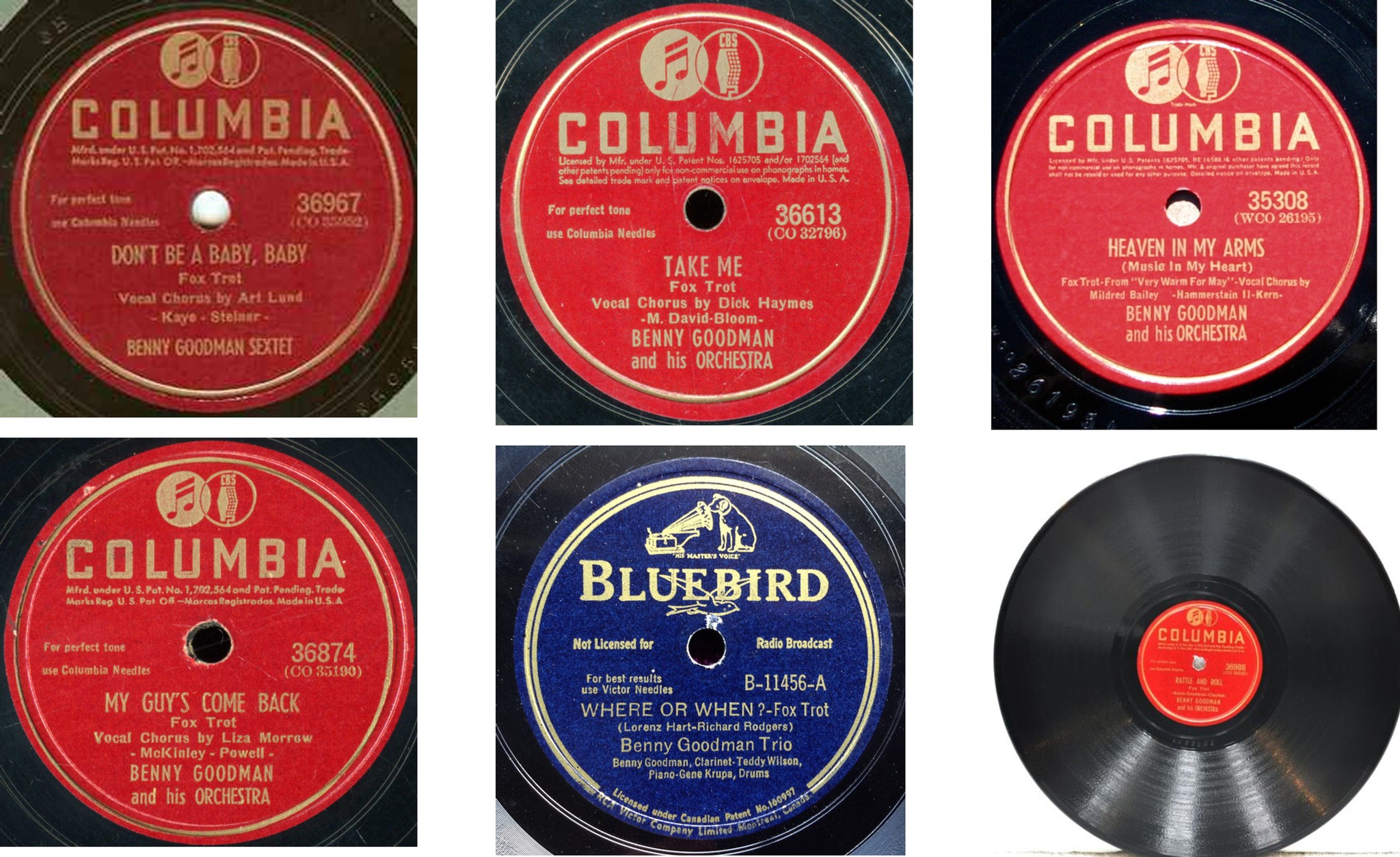
I found some of my 78s. I think I have more…
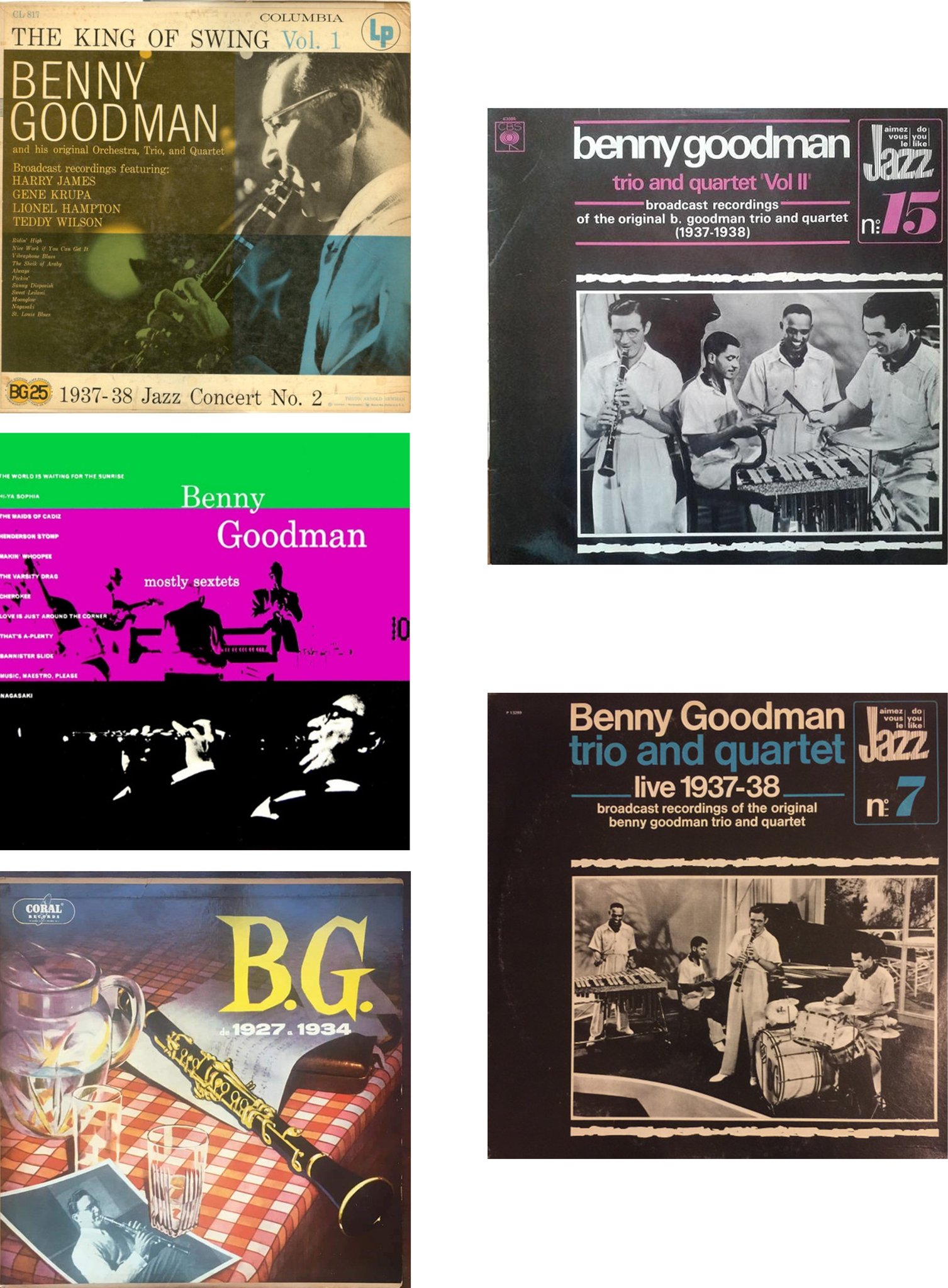
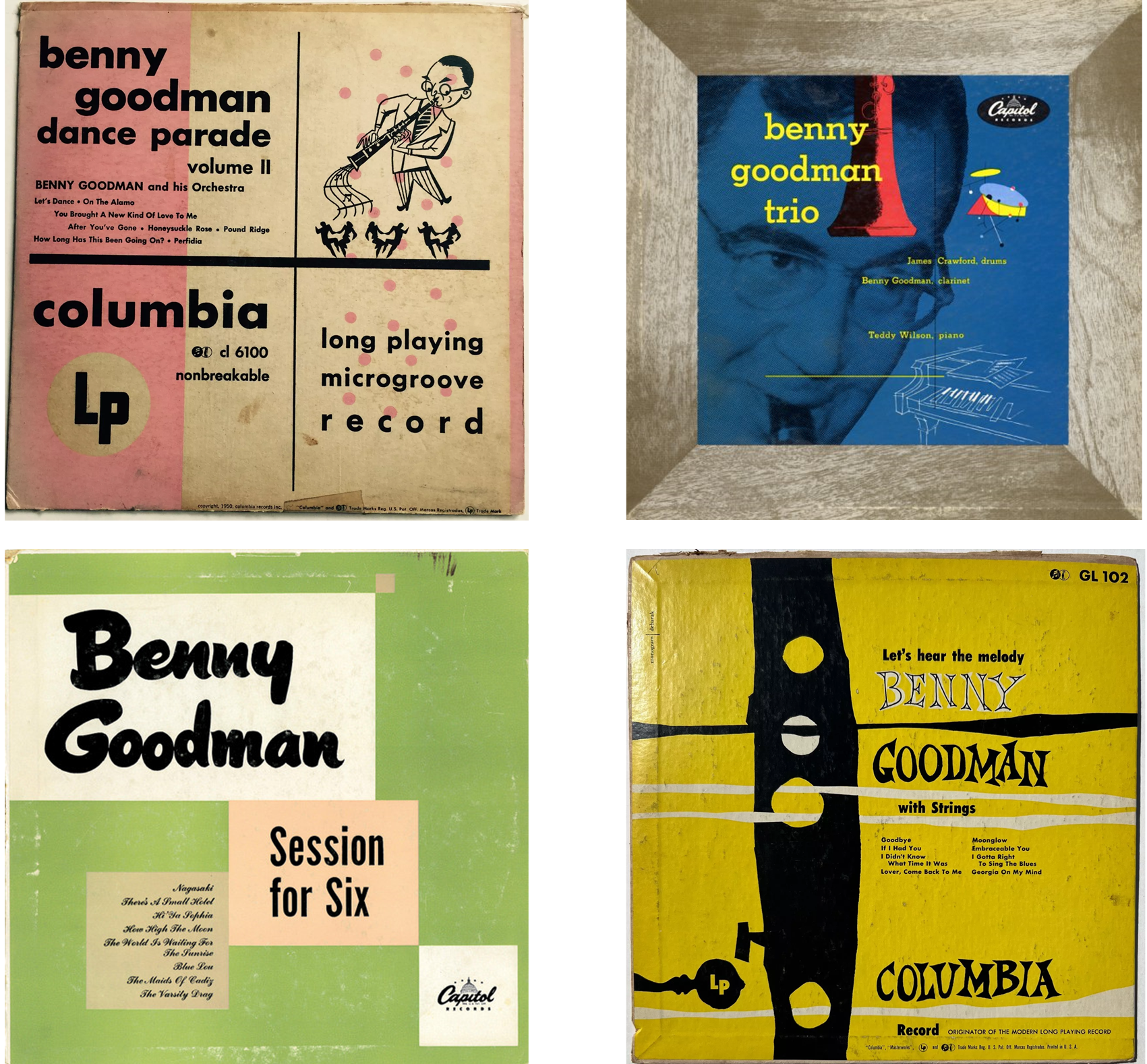
Record albums in my collection, including a 10″ lp recording of Peggy Lee singing with the Benny Goodman Orchestra. “The Best of Benny Goodman: 30 years of his greatest Hits” is a four record anthology produced by Columbia House and issued in 1972. The rest are all standard 12″ single lps. Goodman recorded for Columbia, Decca, RCA and Capitol over the years. I’m sure there were others as well.
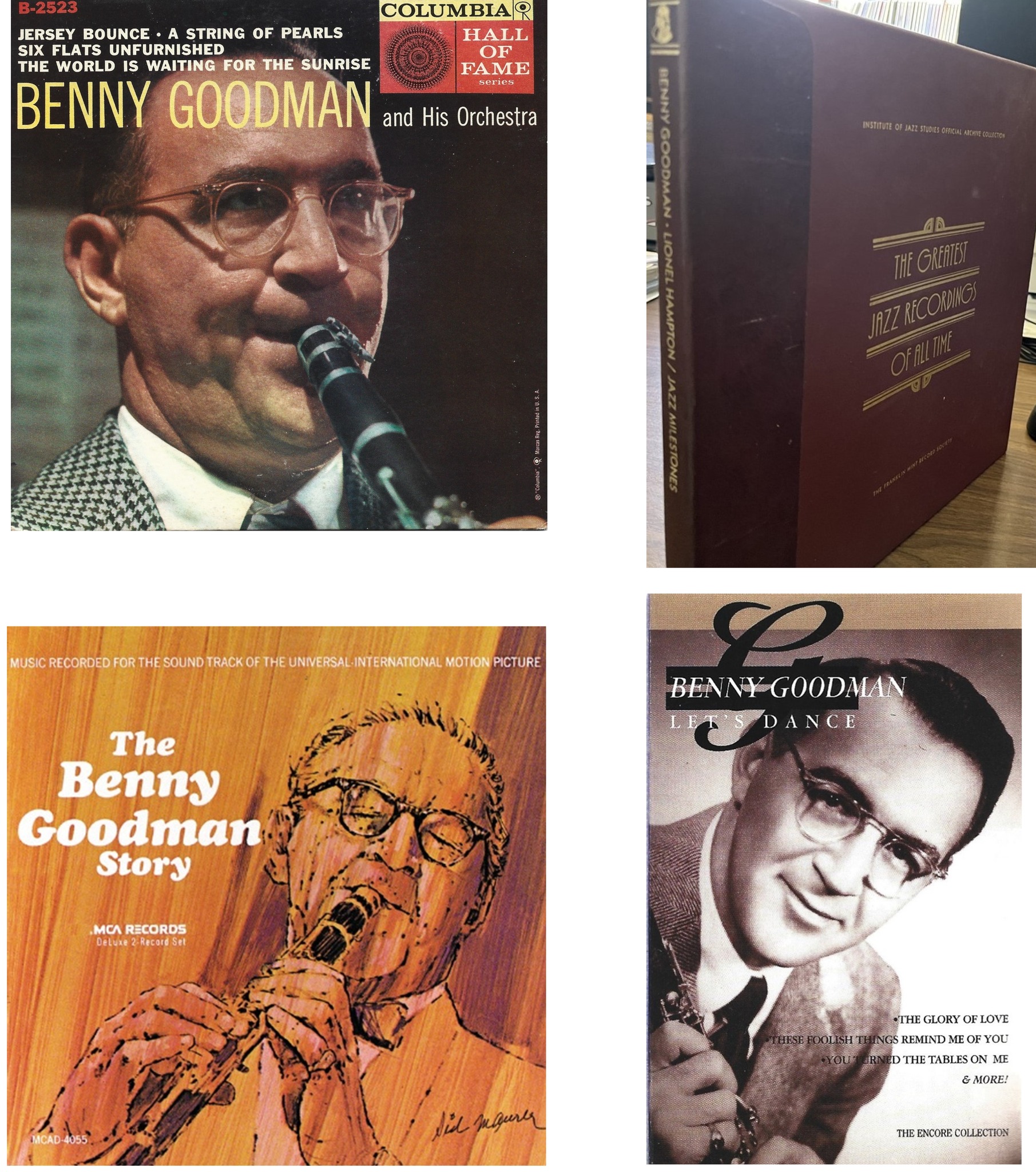
A mish mash of stuff in my collection, including a 7″ 45rpm e.p, a cassette, the soundtrack to the Benny Goodman Story, and an anthology of Goodman’s best music on red vinyl that is part of the legendary “Greatest Jazz Recordings of All Time” series produced by the Institute of Jazz Studies and the Franklin Mint back in the mid-1980s.
New acquisitions. I purchased these lps at Zia Records on October 12, 2022.
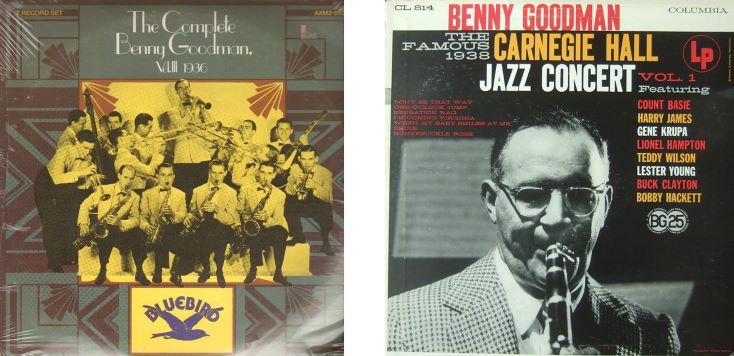
I picked these lps up on a recent trip to Phoenix and Prescott, Az. The first one is a two-record set.
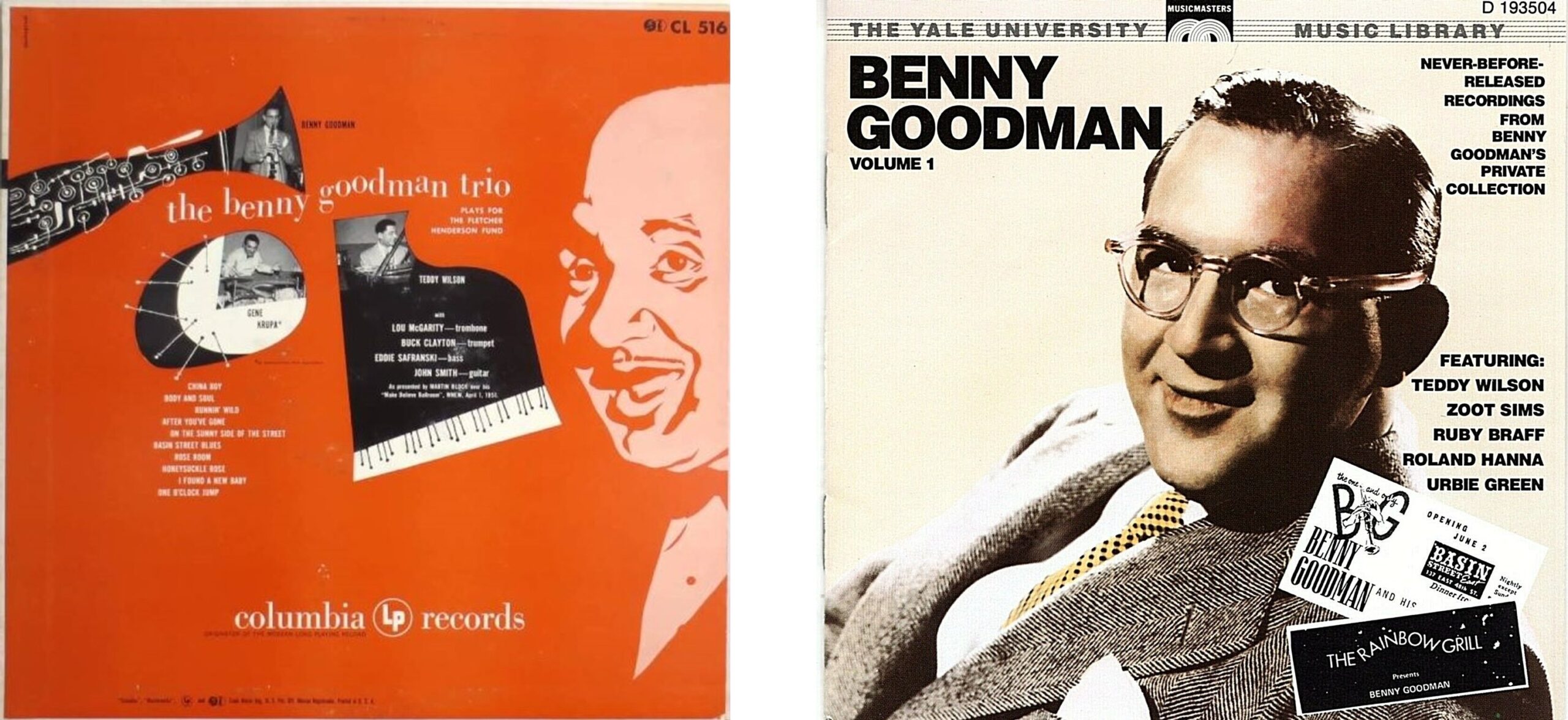
Here are two more recent additions. The one on the left is a vintage lp, and the other is a cd. The lp is a bit beat up, but I’m glad I bought it anyway. It’s an original copy, released in September, 1954.
My latest acquisitions as of 12/18/22. All lps.
Here is one more lp. Purchased on 1-16-2023 at the Goodwill for $1.49. It sounds pretty good!
CDs in my collection.
2 new cd acquisitions. Purchased October 12, 2022.
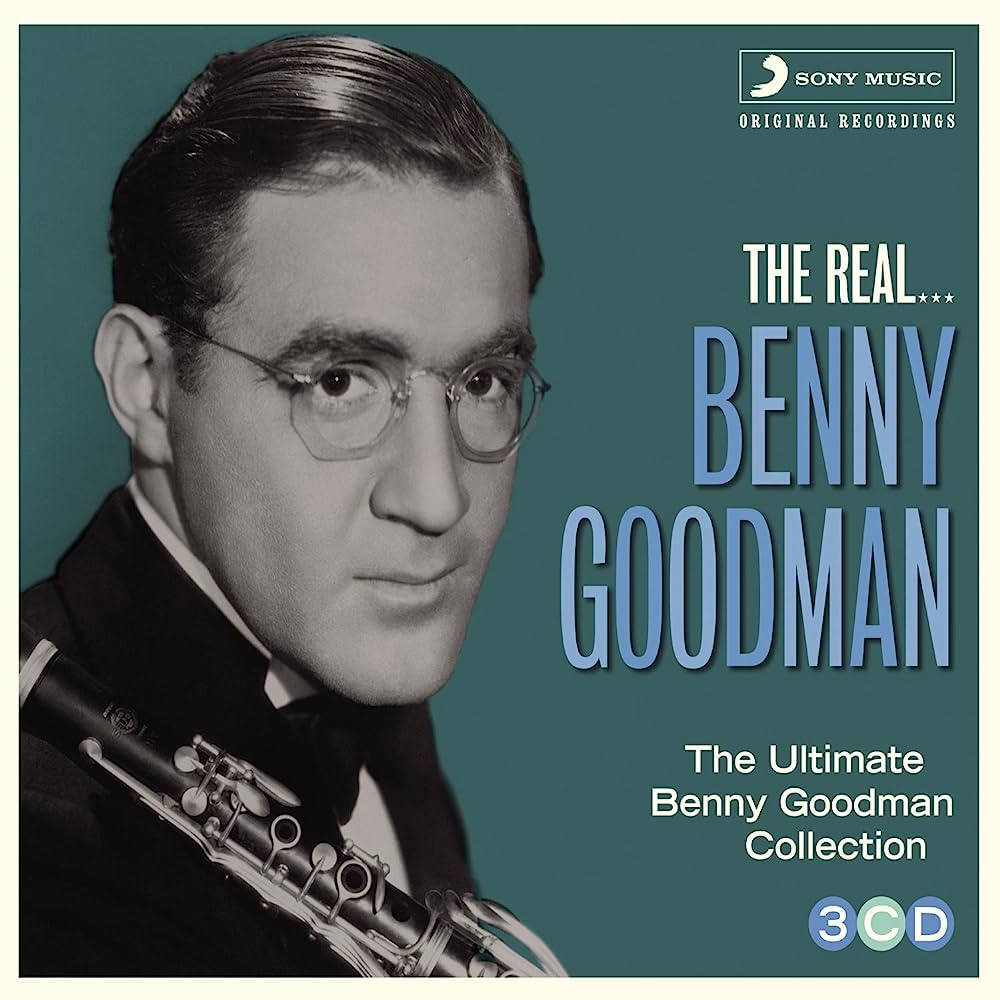
I purchased this 3 cd set in New Orleans in January, 2023. It was released in 2012.
Four recent acquisitions, all 10″ lps. Purchased on August 7, 2024.
Books in my collection. The one called “The Kingdom of Swing” is a small paperback called “An Armed Services Edition”, produced specifically for American soldiers during World War II. There are other books about Goodman, but this is what I have…so far.
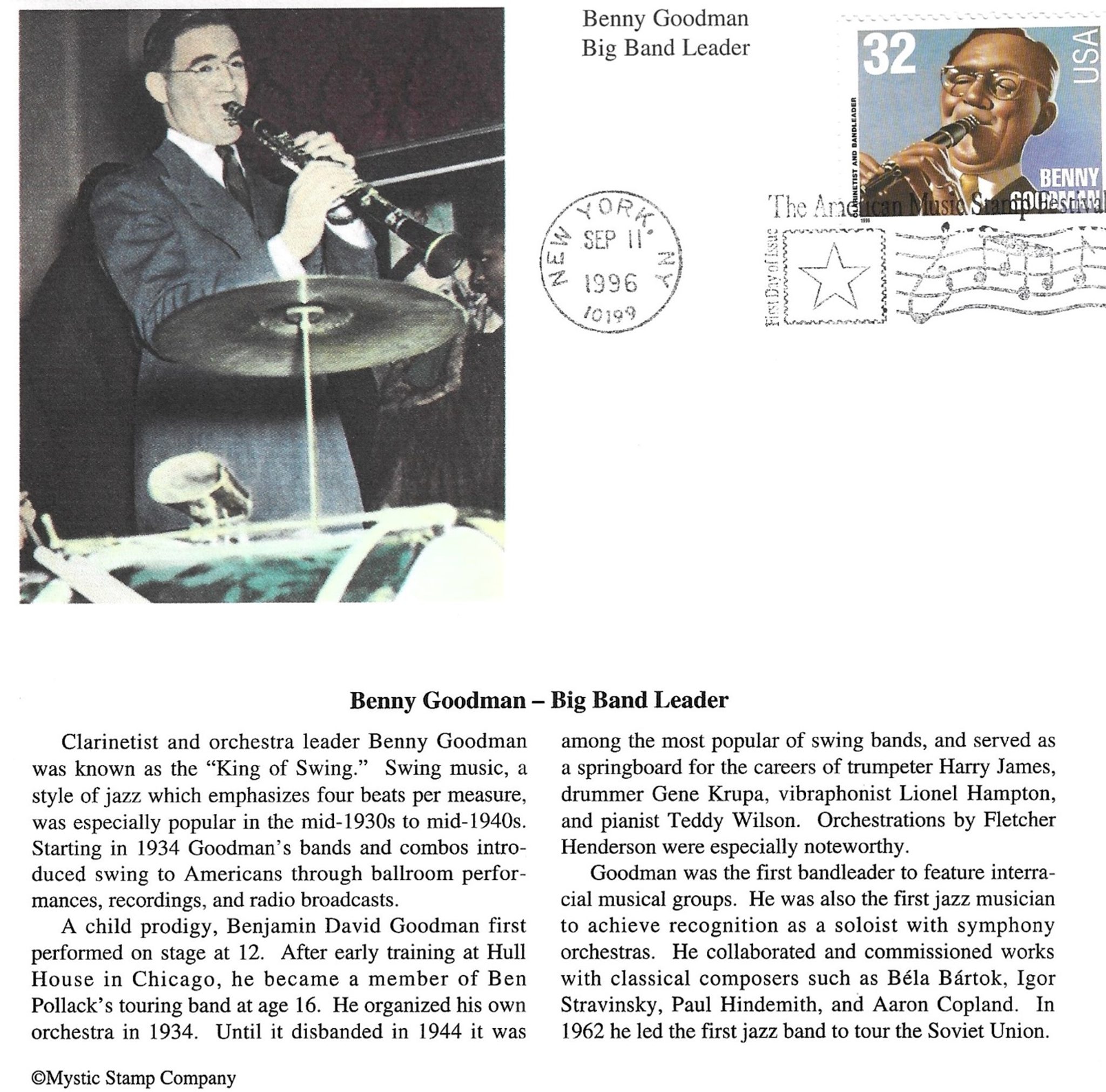
Another recent acquisiton. Benny has his own postage stamp!
The Benny Goodman Quartet, including Lionel Hampton on vibes, Teddy Wilson on piano, Gene Krupa on drums and Benny Goodman on clarinet, performing “I Got a Heartful of Music” from the movie, Hollywood Hotel.
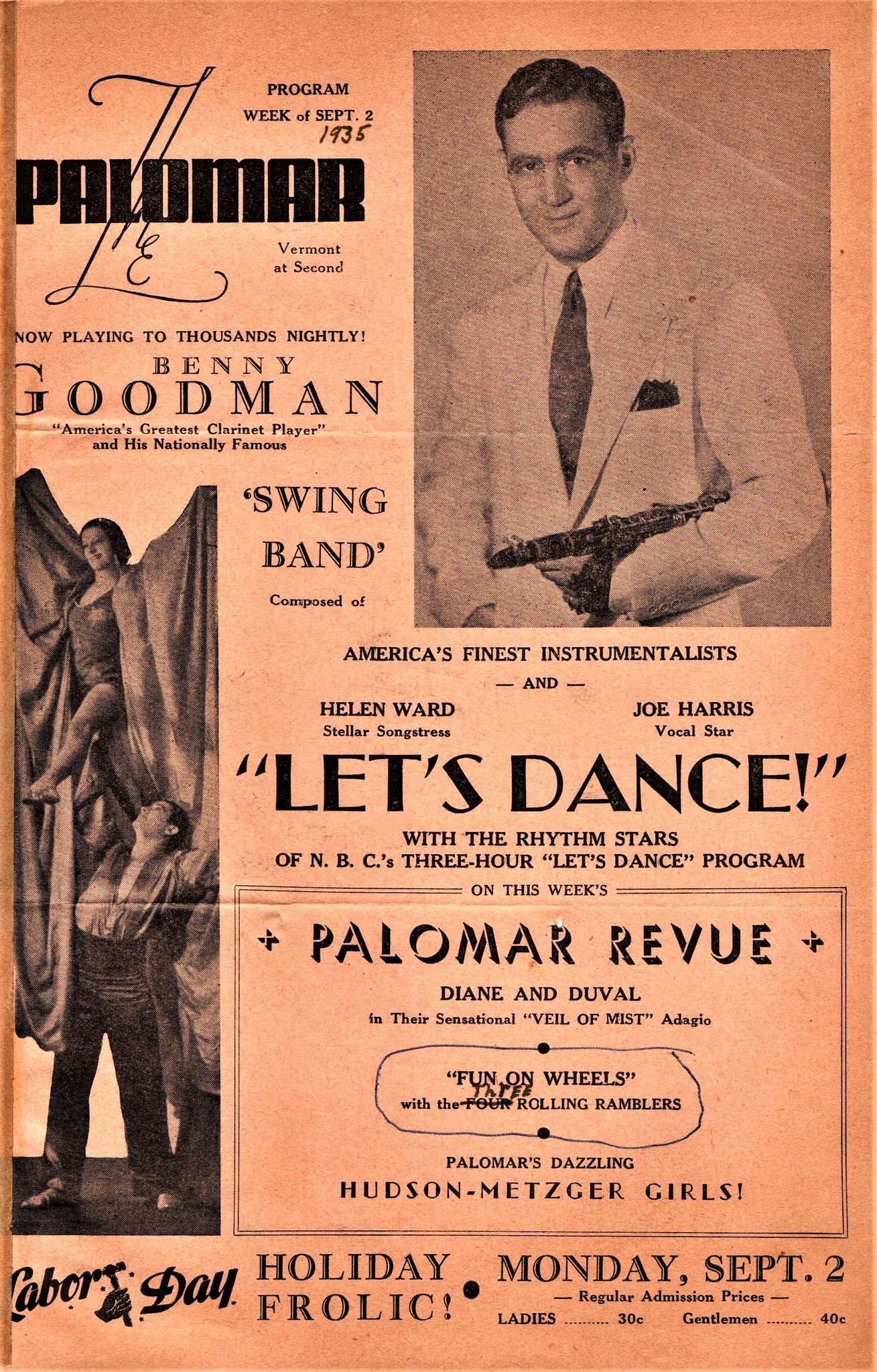
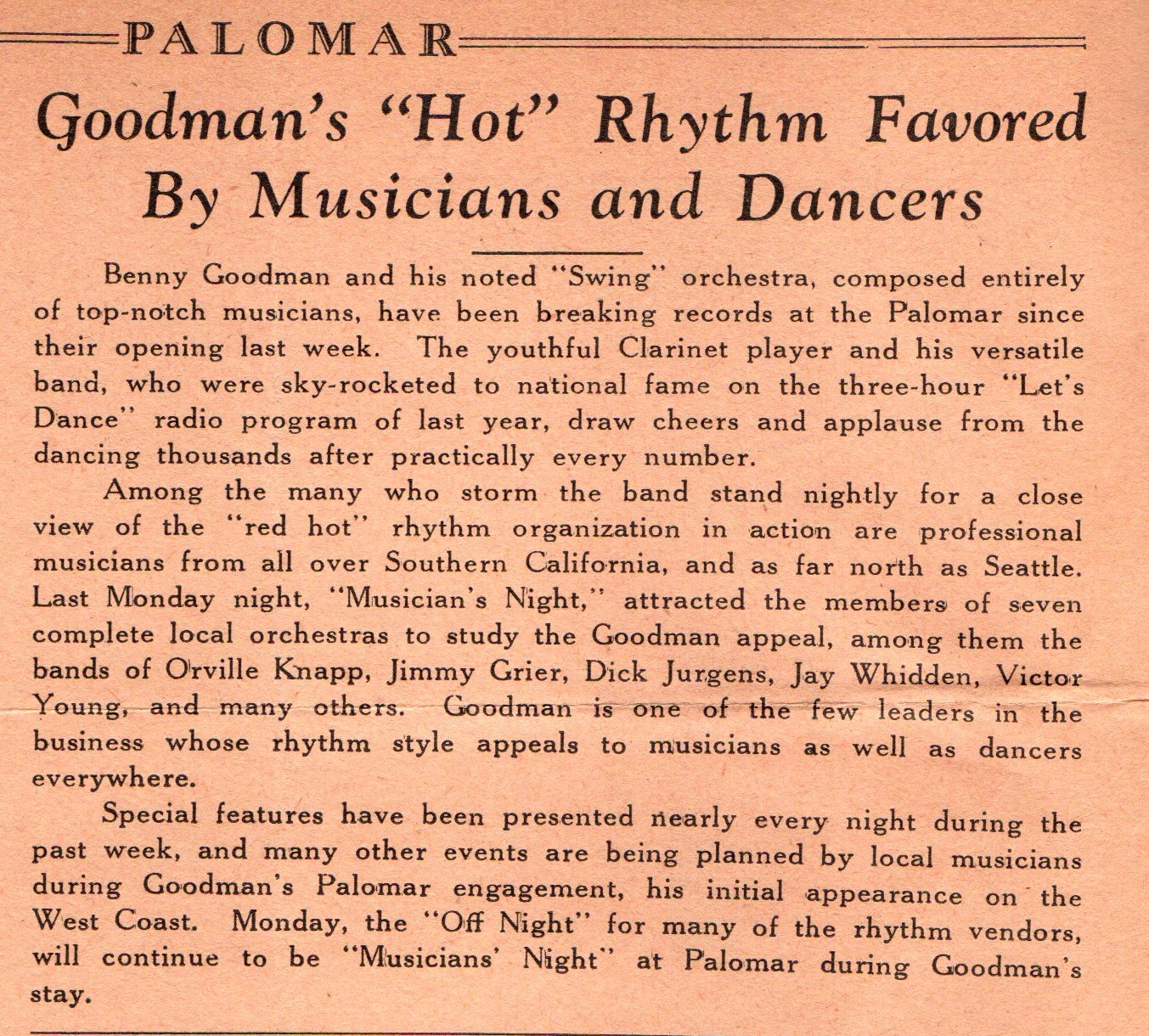
Original 1935 program advertising the Benny Goodman Orchestra at the Palomar Ballroom.
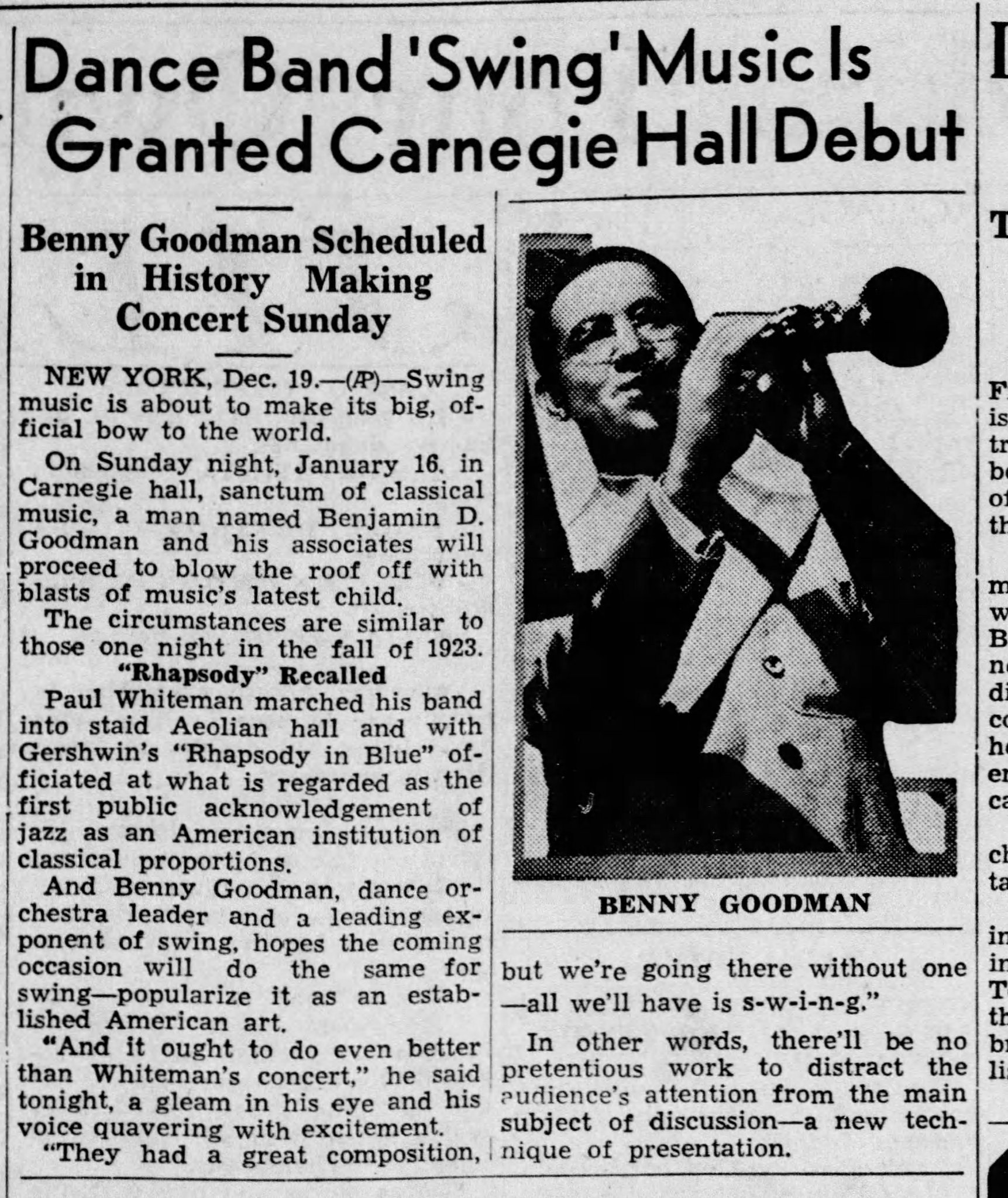
Goodman made national headlines back in late 1937. This article is from the Arizona Daily Star, Monday, December 20, 1937.
Two years later, Goodman appeared in Tucson. April 23, 1940. Az Daily Star.
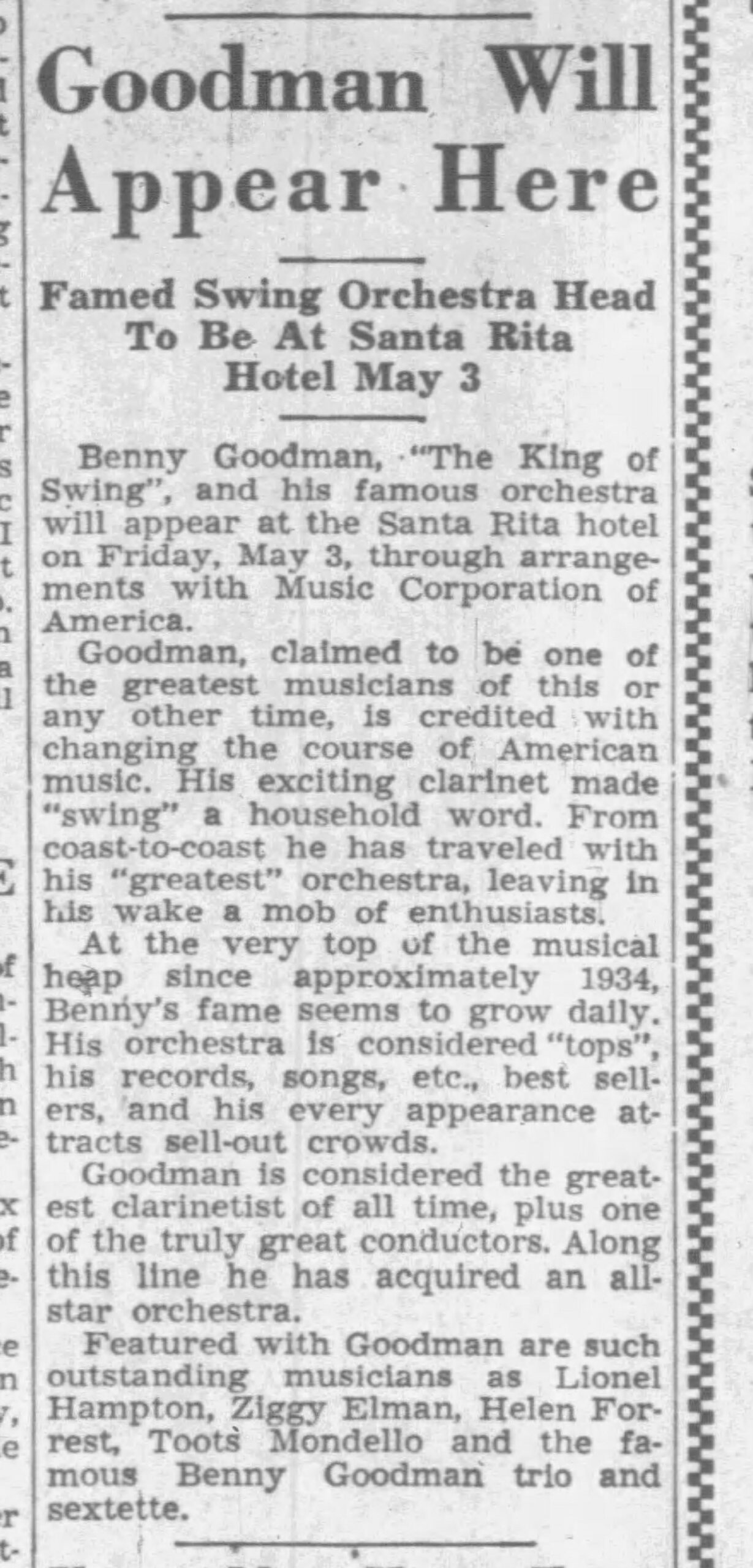
Ad from the Arizona Daily Star, May 2, 1940. In addition to the show on May 3rd, Goodman and his band made a special appearance at the University of Arizona the following afternoon.
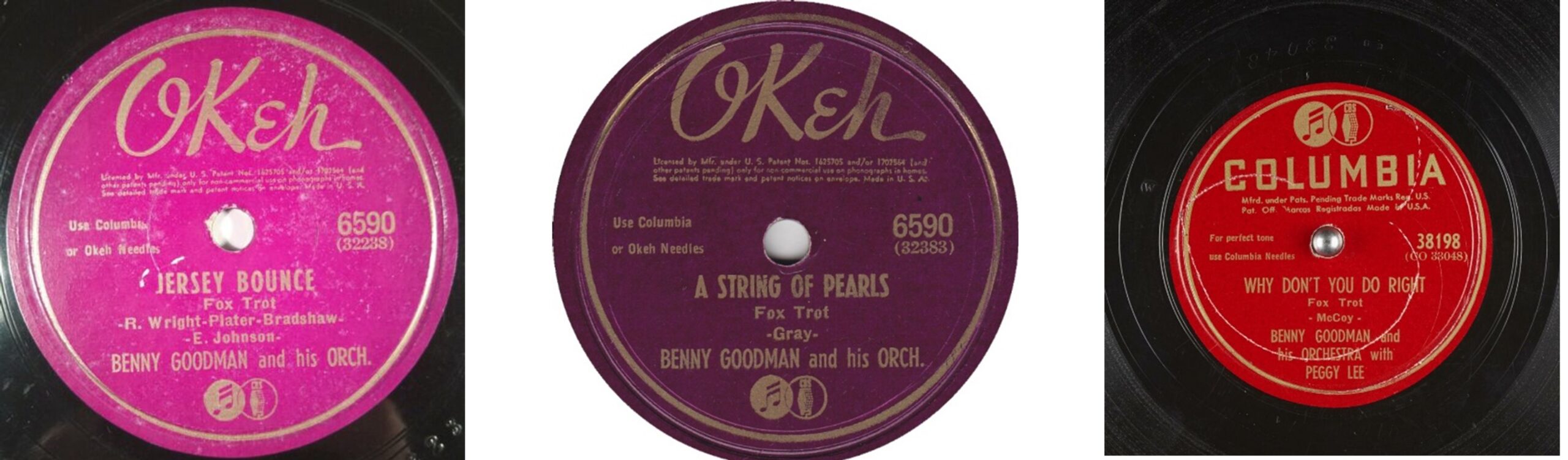
Why Don’t you Do Right? featuring Peggy Lee, early 1940s.
This compilation of tunes that Peggy Lee sang with the Benny Goodman orchestra in the early 1940s was originally released on lp in 1957. I have the cd version.
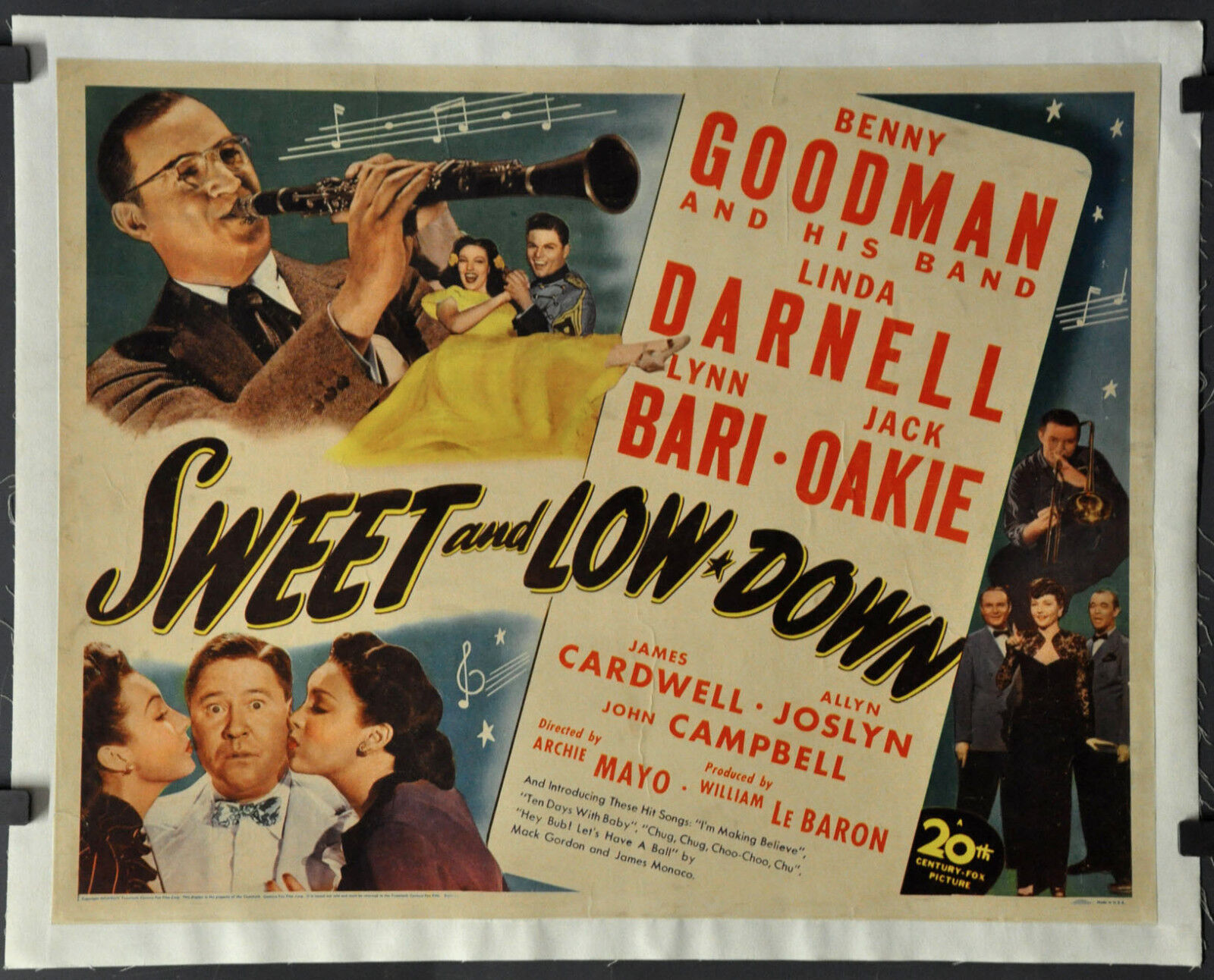
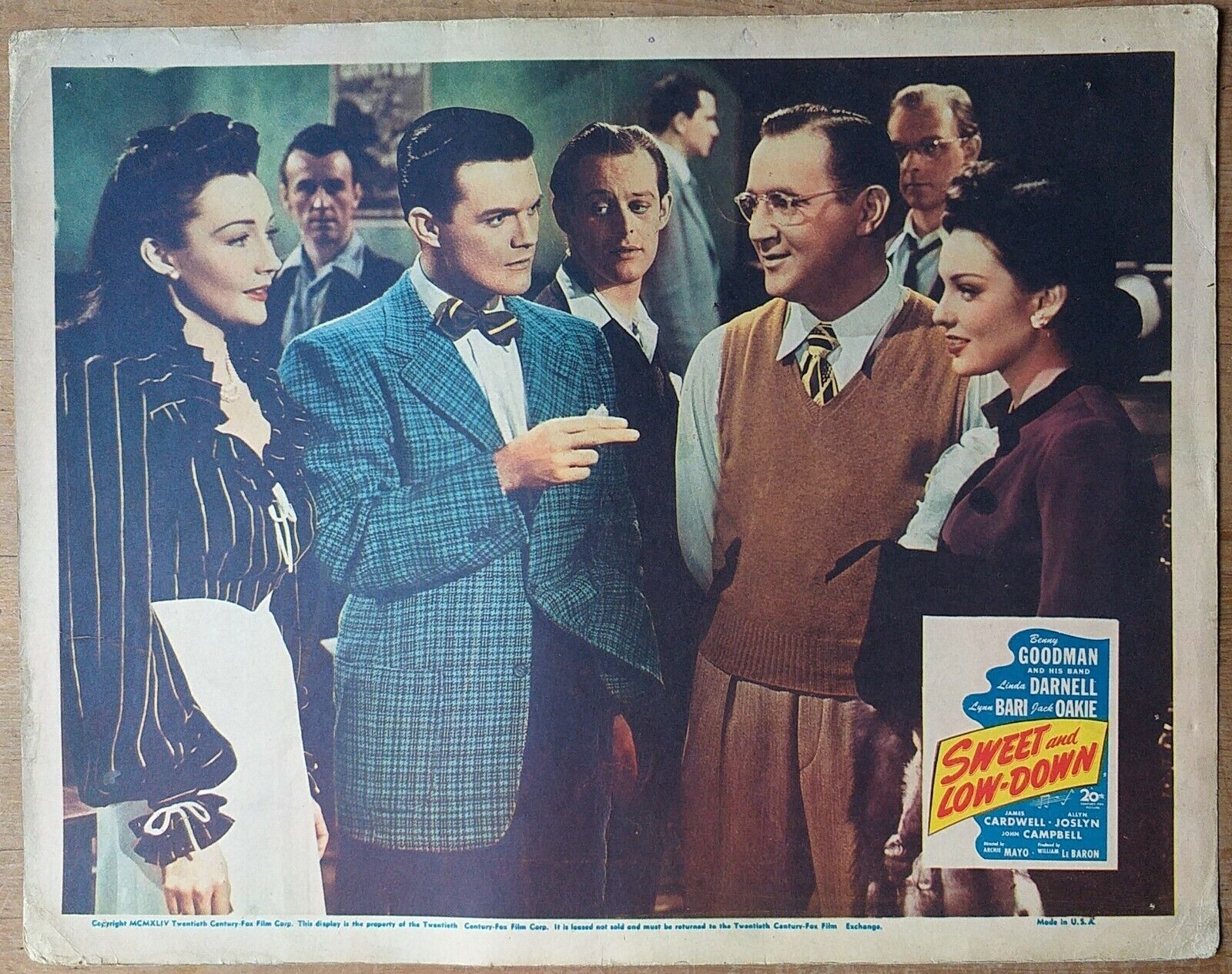
Goodman appeared in the 1944 movie, Sweet and Lowdown, with Linda Darnell.
Charlie Shavers was the featured trumpeter in this film clip from the Sid Caesar show in the mid-50s.
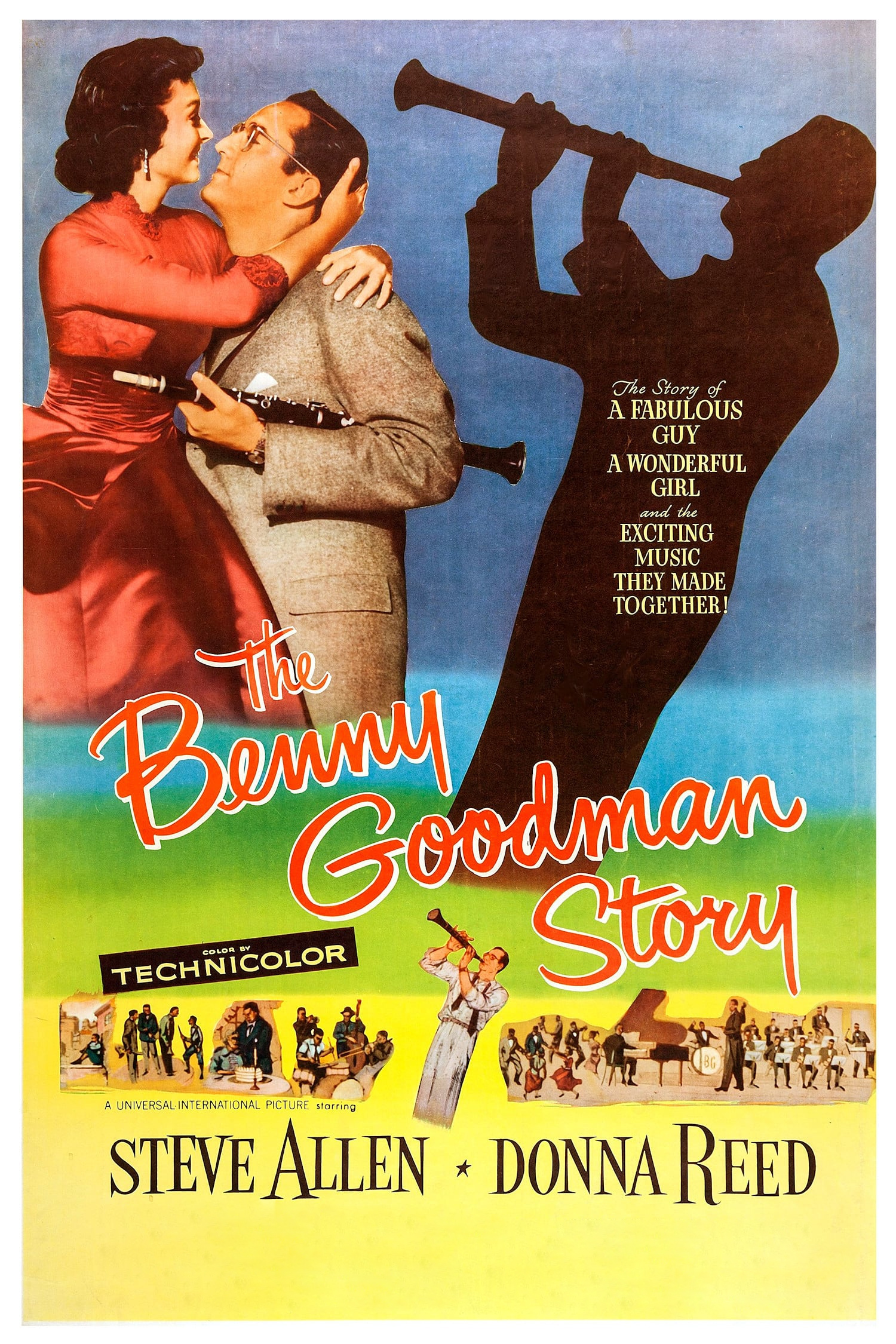
Released on February 2, 1956, this film loosely follows Benny Goodman’s real life up until his 1939 Carnegie Hall concert. The soundtrack is excellent.
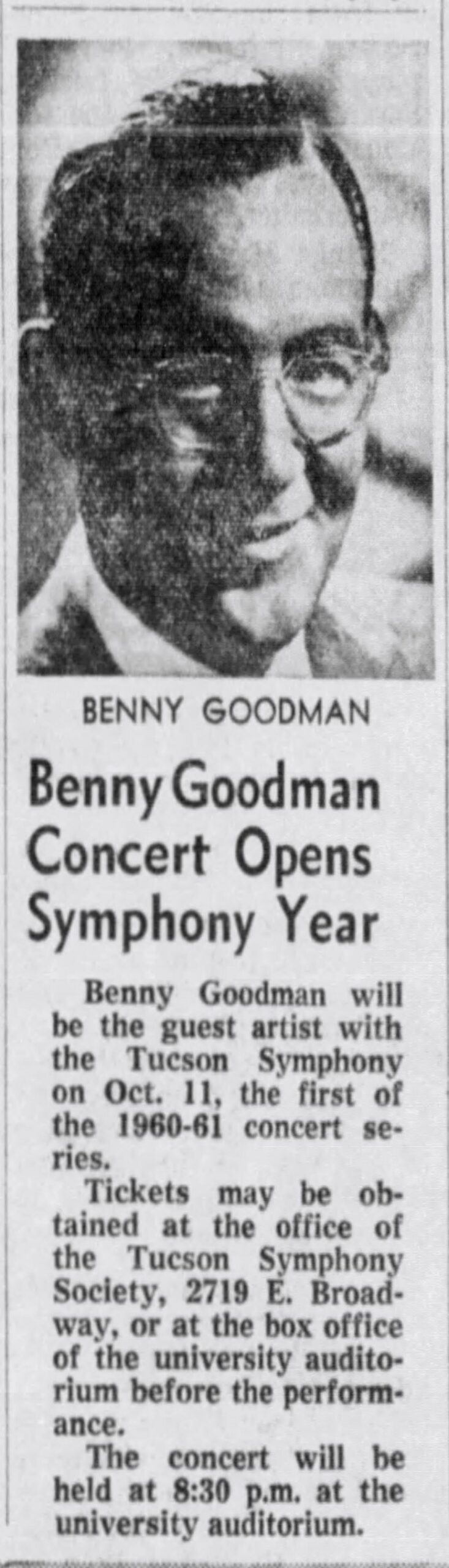
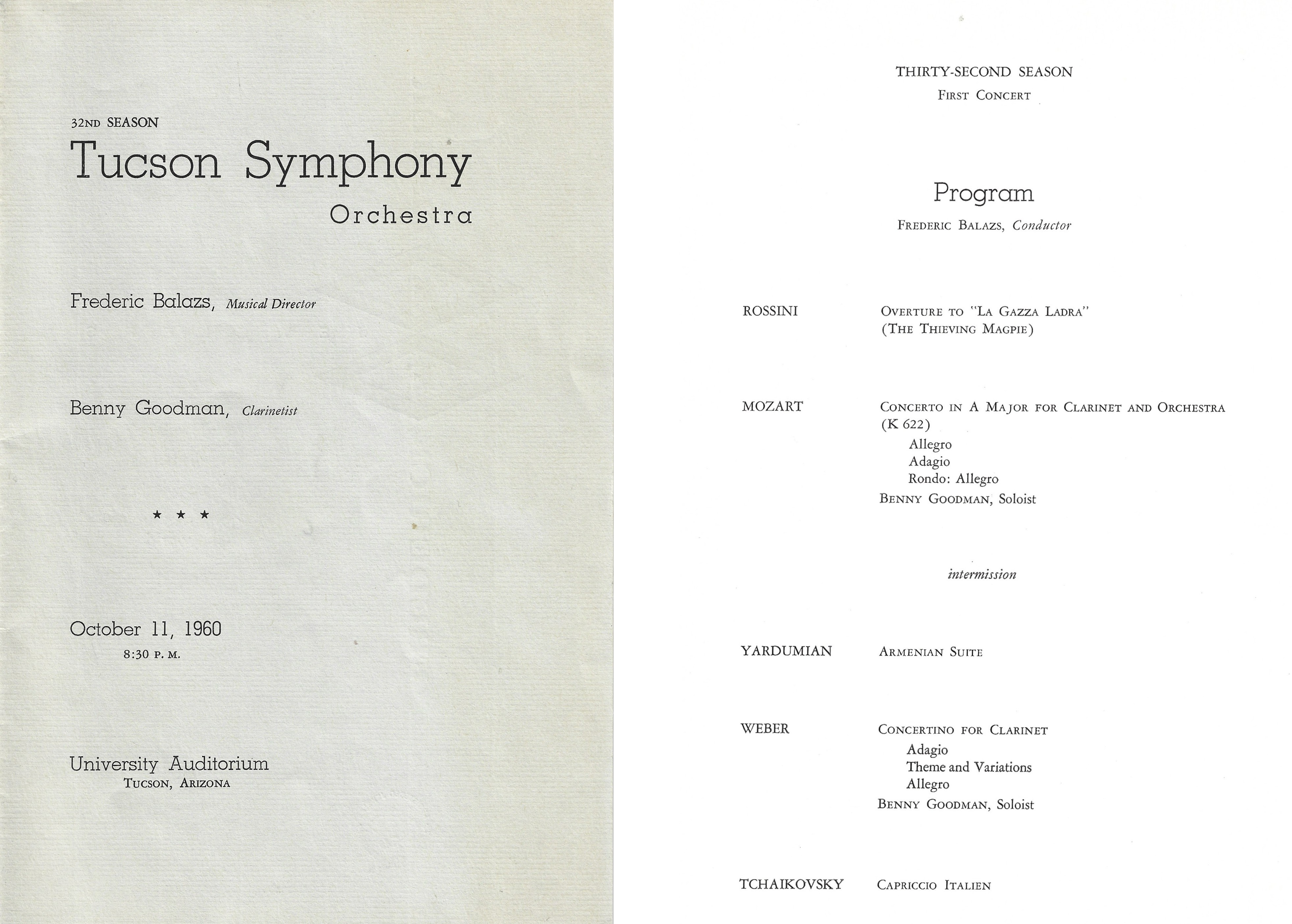
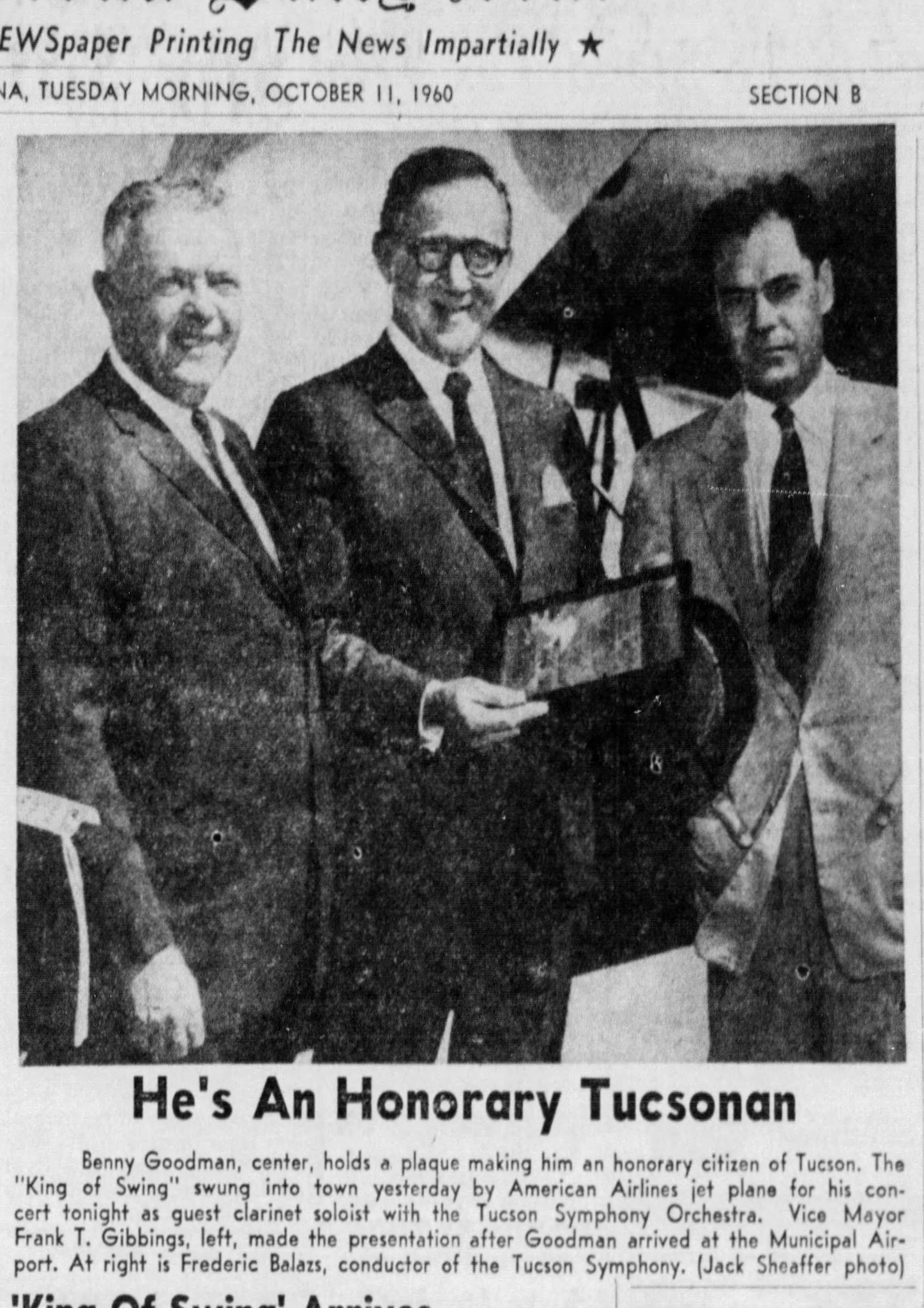
Goodman visited Tucson again in 1960, appearing wiht the Tucson Synphony Orchestra.
China Boy and Sheik of Araby, Benny Goodman, Teddy Wilson and Gene Krupa, 1961.

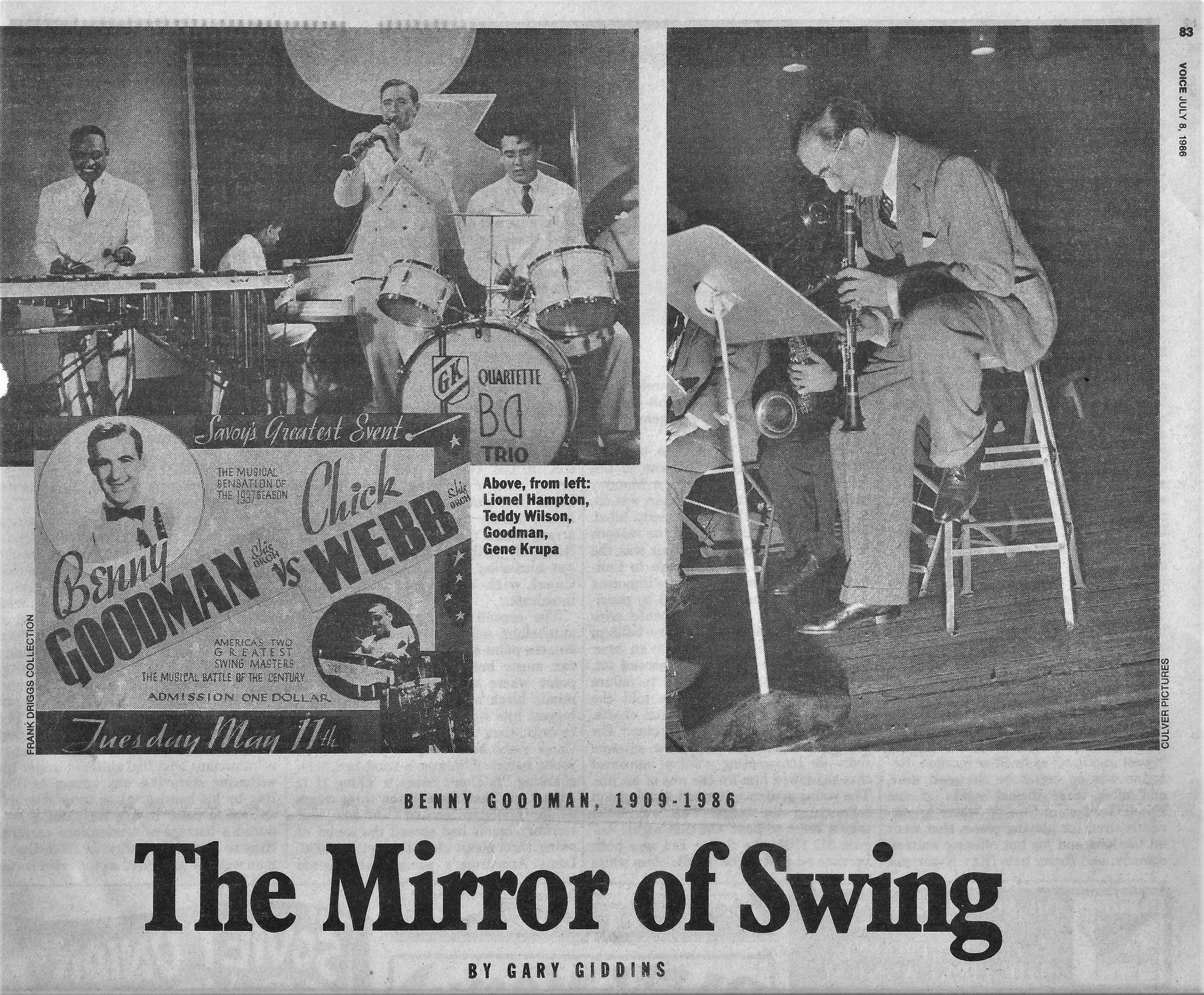
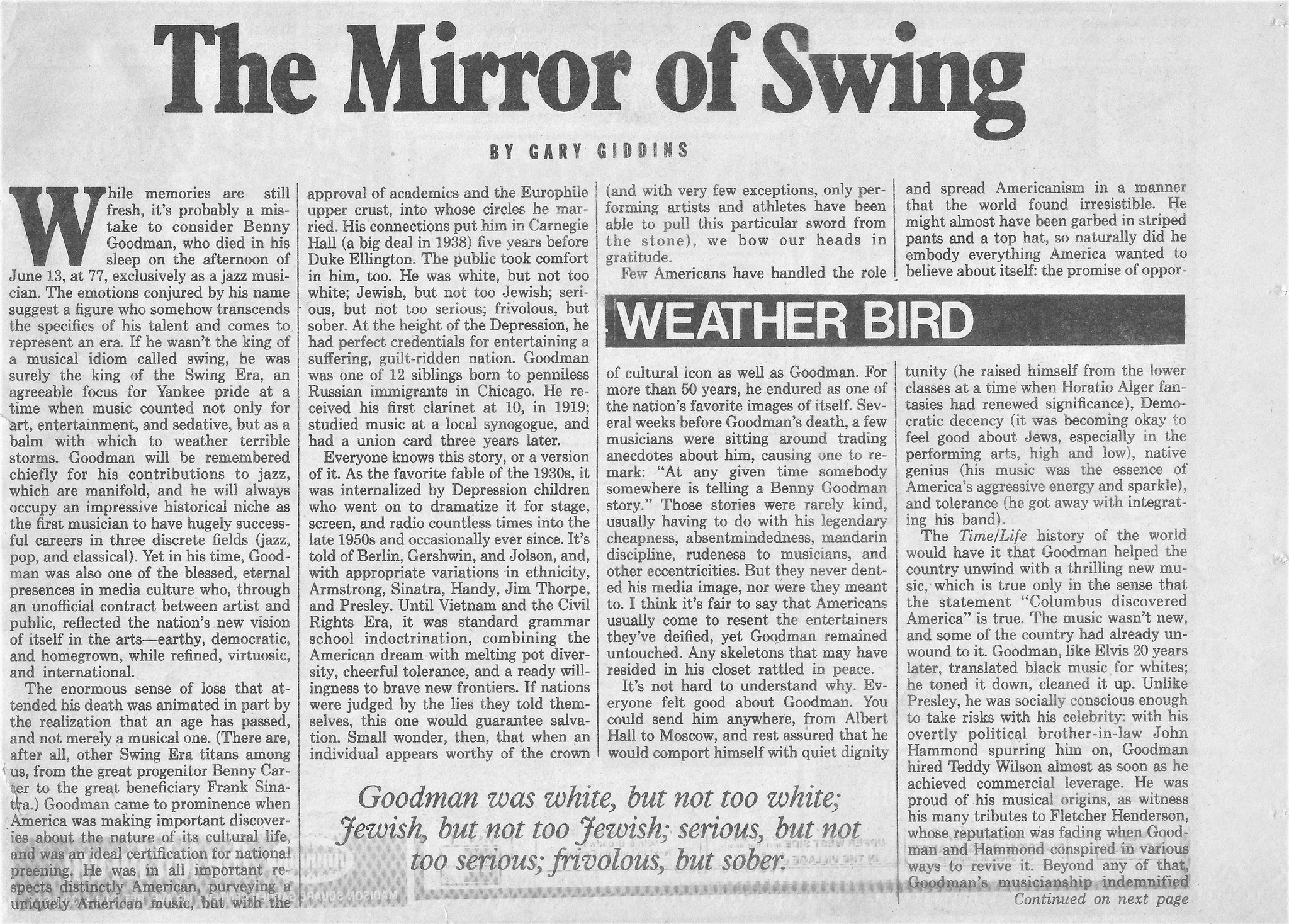
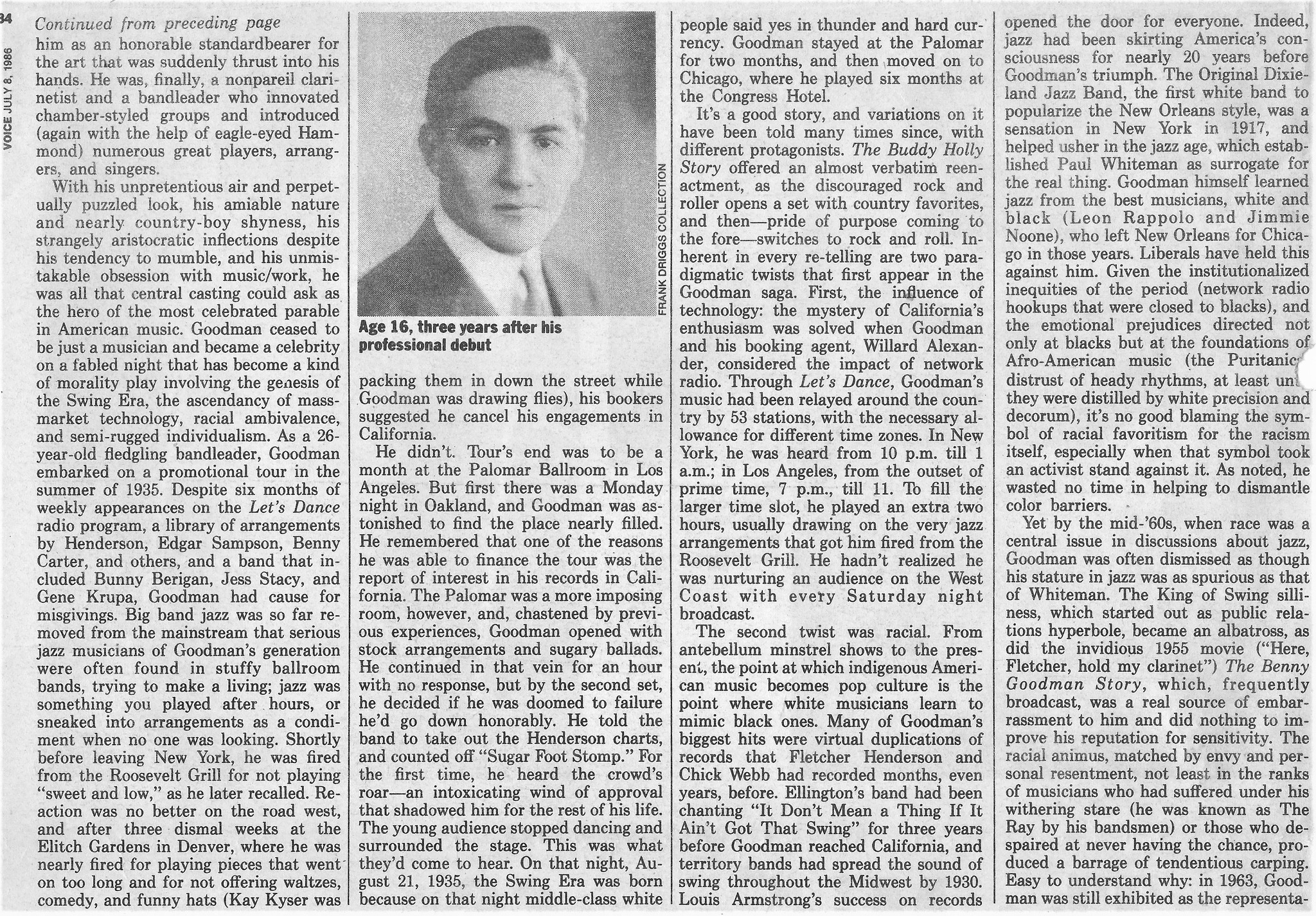
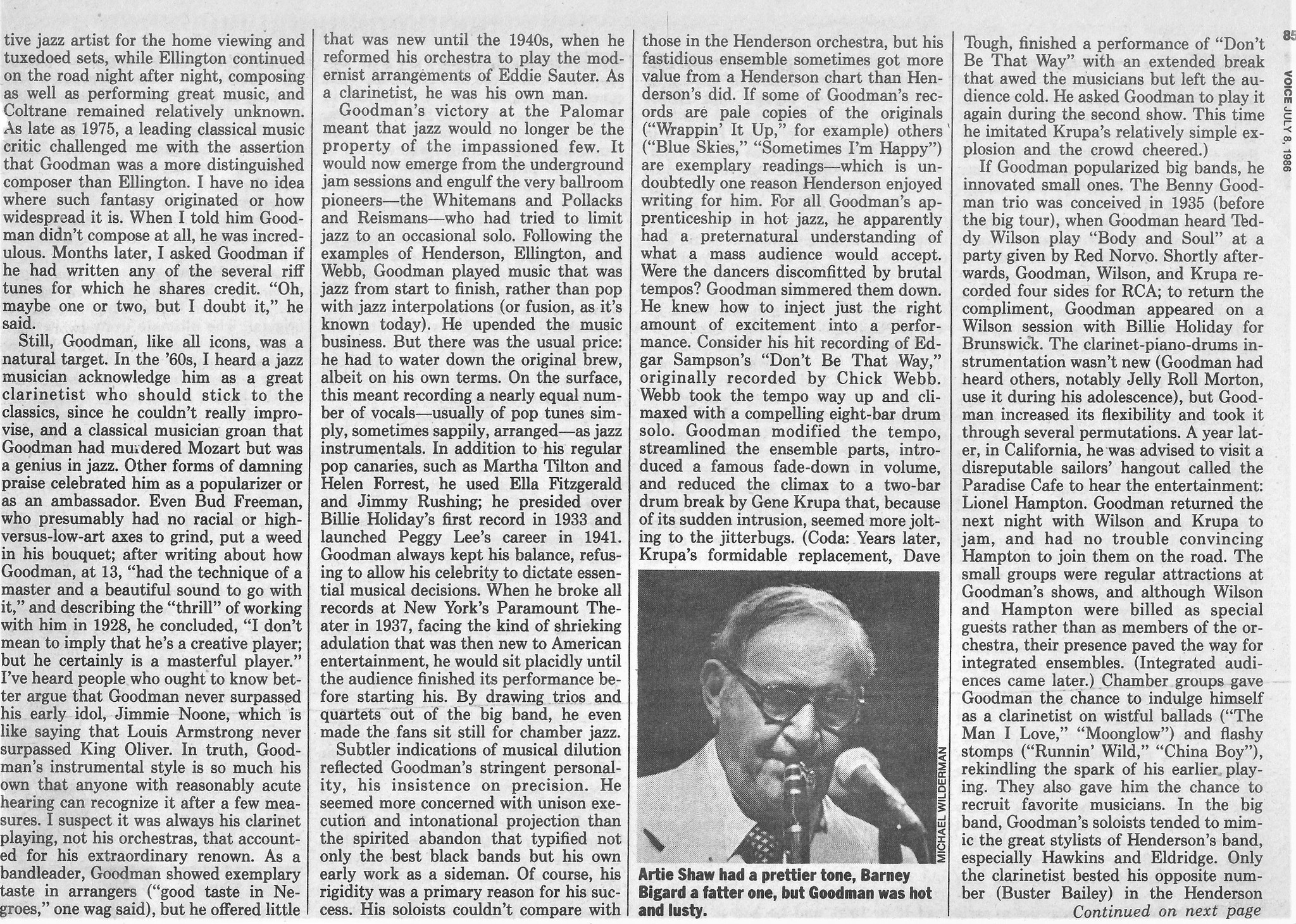
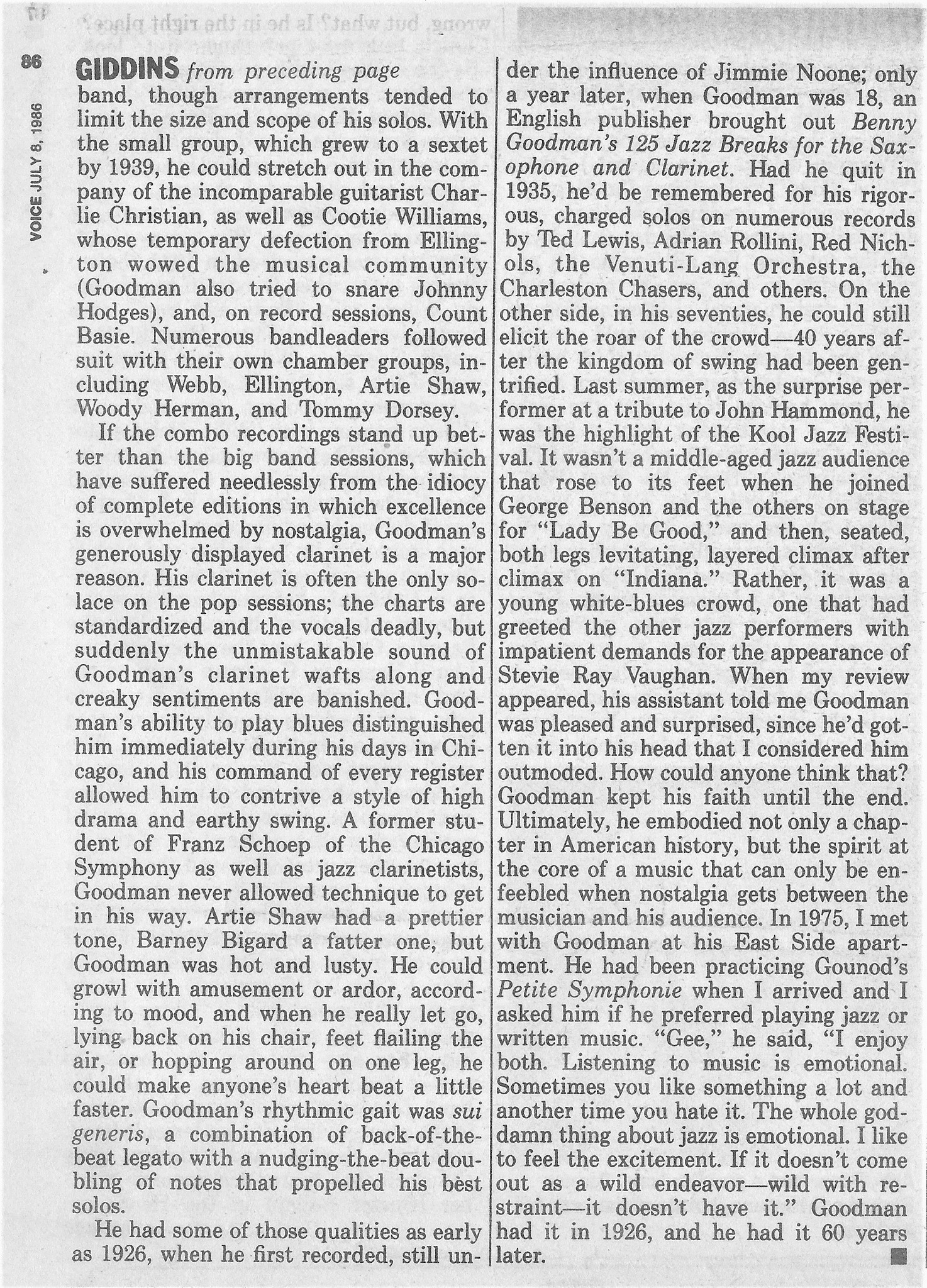
I’ve had the following article in my research files since 1986, when the article first appeared. It’s an obituary/tribute written for the Village Voice by writer Gary Giddens. It was published on July 8, 1986, shortly after Goodman died.

Benny Goodman materials in my collection

September 5, 2022, updated October 8, 2022

Cassettes

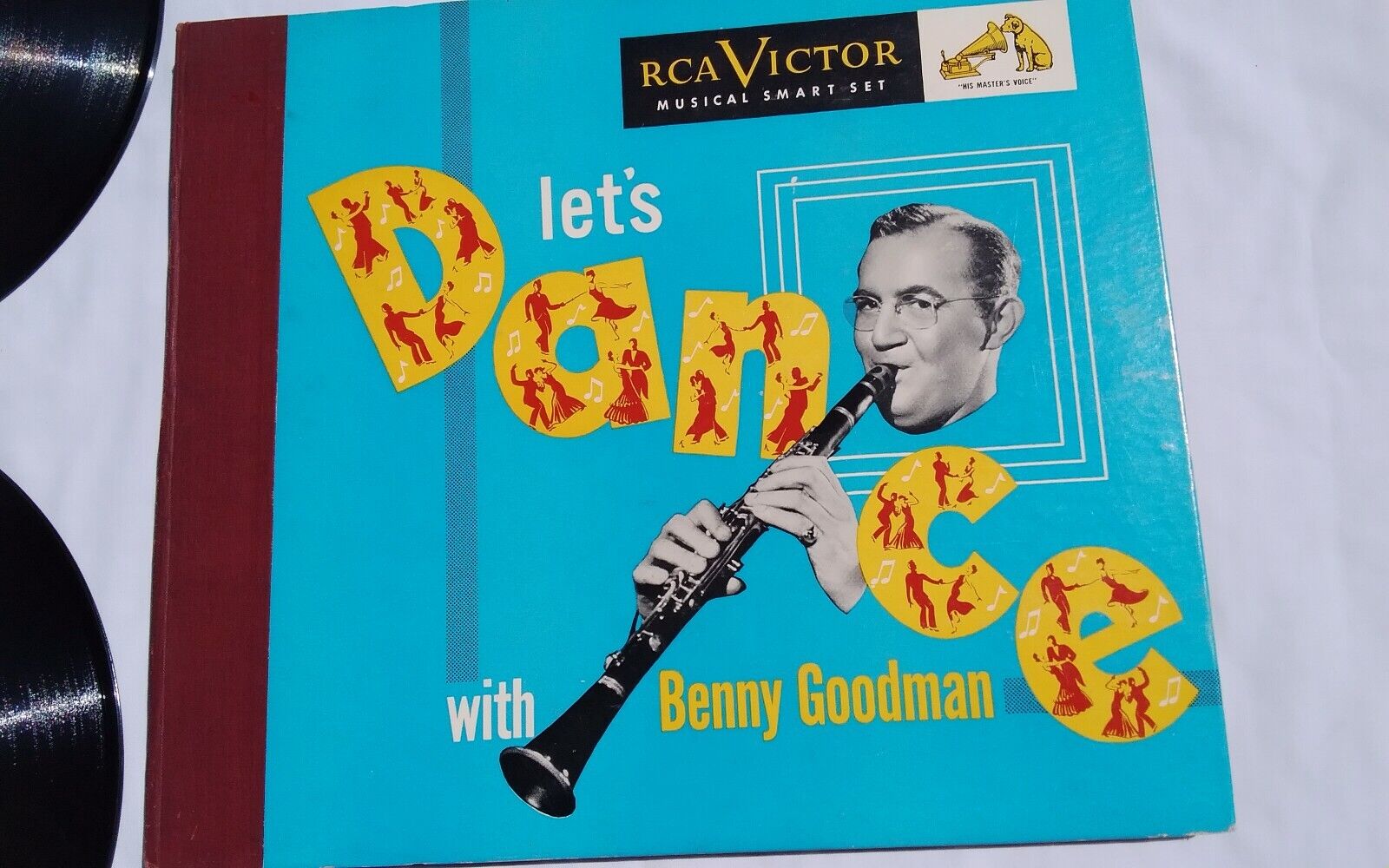
  • Let’s Dance 1999 compilation

Compact discs

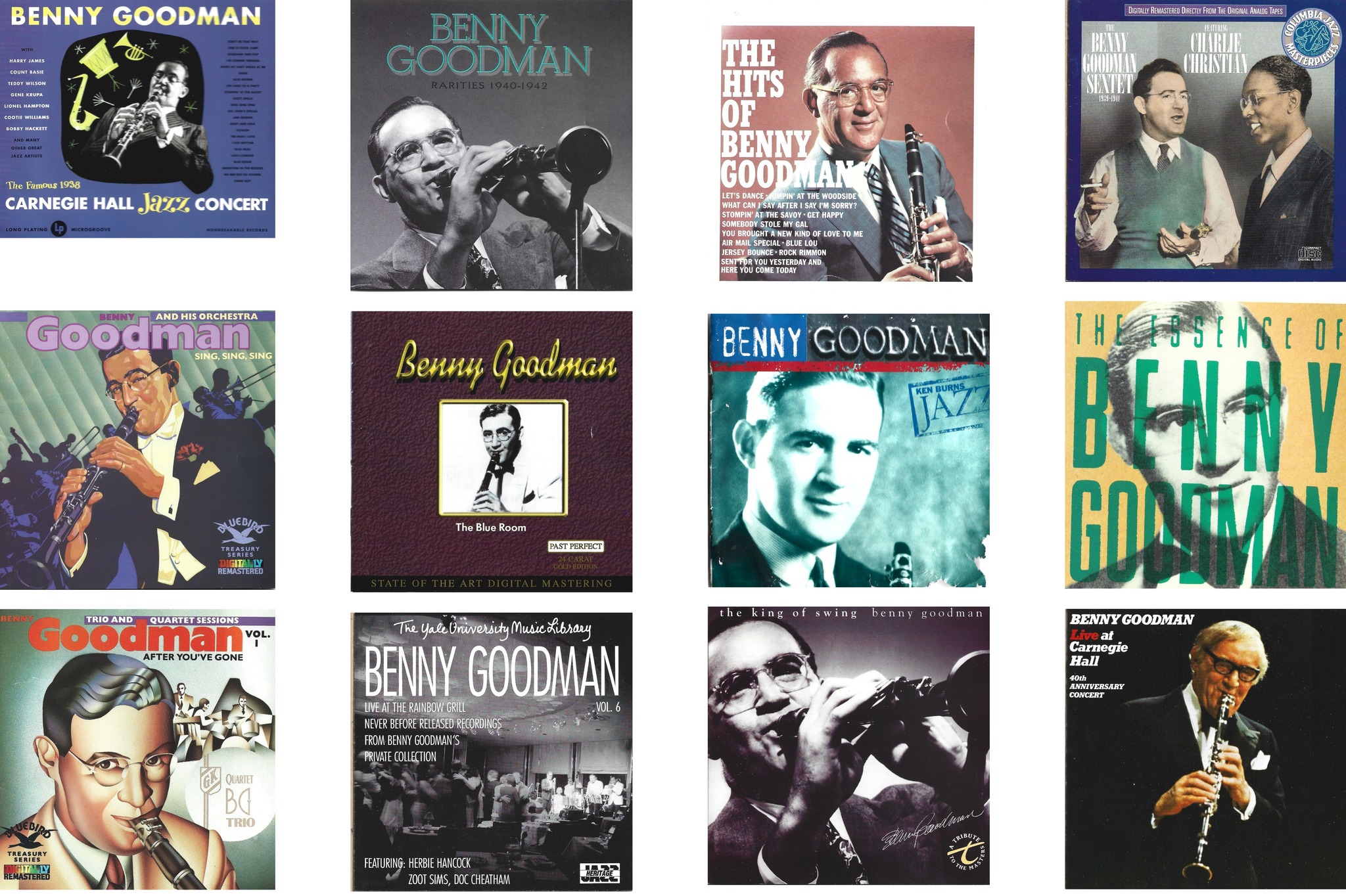
  • The Hits of Benny Goodman Capitol 1989 cd
  • The Essence of Benny Goodman Columbia/Sony 1991 cd
  • The Original Benny Goodman Trio and Quartet Sessions  Vol. 1 After You’ve Gone RCA / Bluebird 1987 cd
  • Benny Goodman at Carnegie Hall 1938 Complete Columbia 1999 cd
  • Benny Goodman Live at Carnegie Hall 40th Anniversary Concert 2 cd set. London 1978, 1986.
  • The Blue Room, cd.  TIM no date.
  • Benny Goodman: The King of Swing 1998 Sugo Music cd
  • The Best of the Big Bands: Benny Goodman Madacy1994
  • Benny Goodman Yale Archives Vol.  6 Amerco/Musical Heritage Society 1991 cd
  • Benny Goodman Rarities 1940-1942
  • The Benny Goodman Sextet, featuring Charlie Christian (1939-1941)
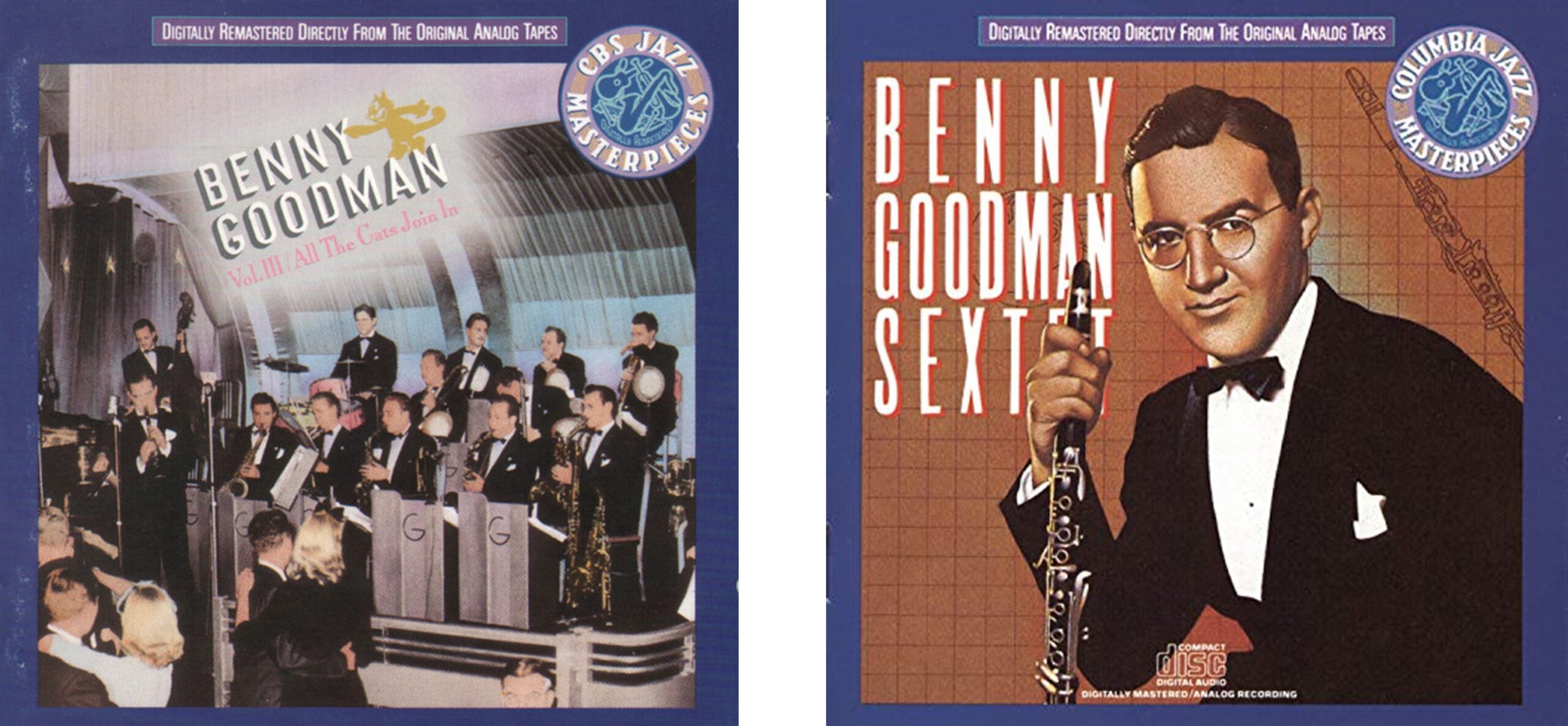
  • Benny Goodman, Vol. III / All the Cats Join In 1986 cd
  • Benny Goodman Sextet 1988 cd
  • Benny Goodman, Vol 1 (Yale University Music Library Series)
  • Benny Goodman (Ken Burns Jazz) Sony 2000 cd
  • Benny Goodman and His Orchestra: Sing, Sing, Sing 1987 cd RCA/BMG

LPs

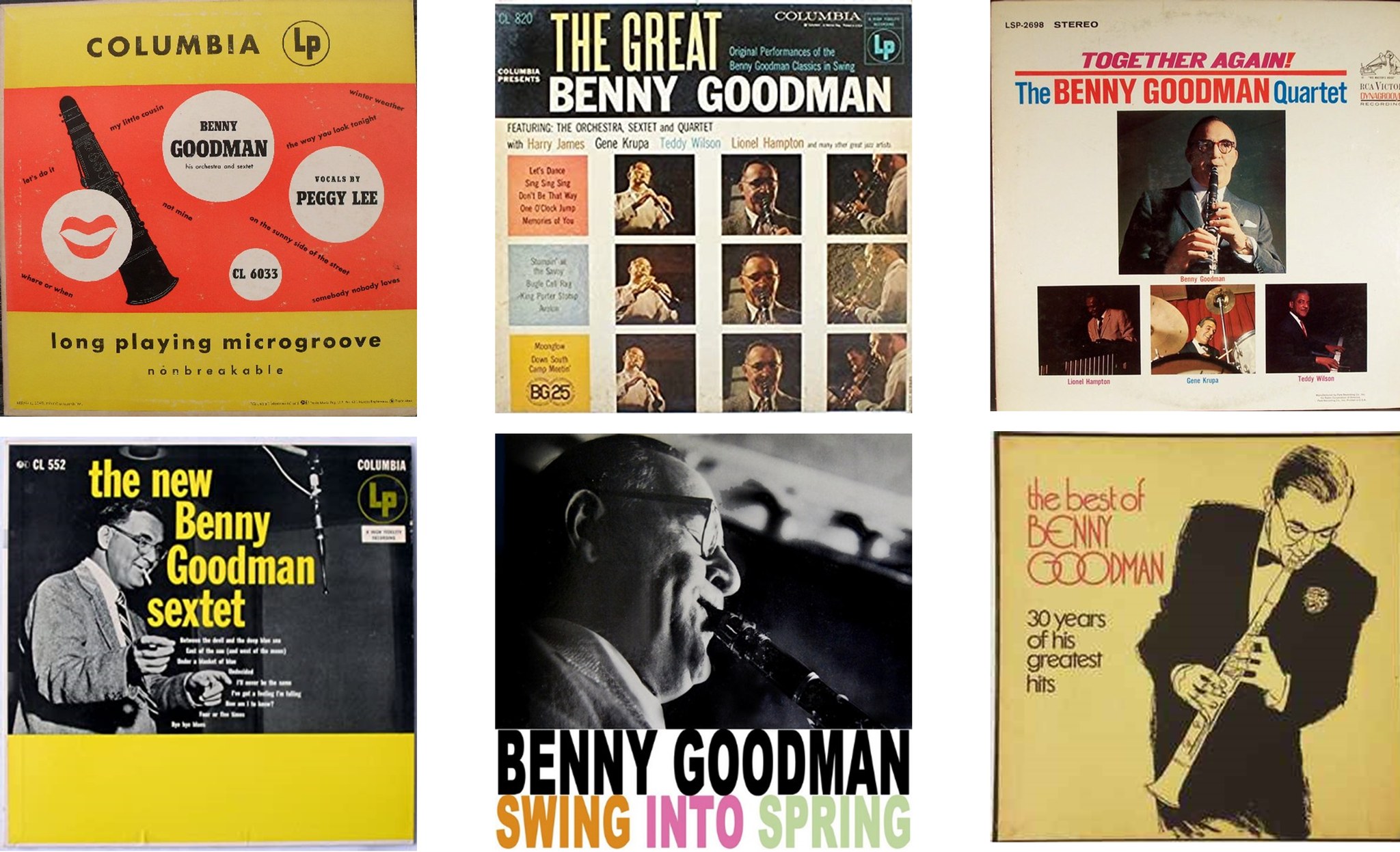
  • Benny Goodman, His Orchestra and Sextet, Vocals by Peggy Lee Columbia 10” lp CL 6033
  • Columbia Presents The Great Benny Goodman Columbia lp CL 820
  • Benny Goodman: Swing Into Spring Columbia XTV28995 Prepared expressly for Texaco
  • The New Benny Goodman Sextet Columbia lp CL 552
  • Together Again: The Benny Goodman Quartet RCA Victor LPM-2698  1964
  • The Benny Goodman Story Decca Records DXB 188 2 lp set. I only have one of the lps, however.
  • The Best of Benny Goodman: 30 Years of His greatest hits 4 record set Columbia House P4M 5678
  • Benny Goodman–Lionel Hampton/Jazz Milestones (The Greatest Jazz Recordings of All time, vols. 37-40)
  • Benny Goodman: Mostly Sextets Capitol T668
  • The King of Swing, Vol. 1 1937-38 Jazz Concert No 2 Columbia lp CL 817
  • Benny Goodman Trio and Quartet Live 1937-38 Columbia Special Products/Aimez Vous le Jazz No. 7
  • Benny Goodman Trio and Quartet Vol. II (1937-38) Columbia Special Products/Aimez Vous le Jazz No. 15
  • B.G from 1927-1934 Brunswick Records BL 54010
  • The Benny Goodman Trio Plays for the Fletcher Henderson Fund Columbia lp, GL 516
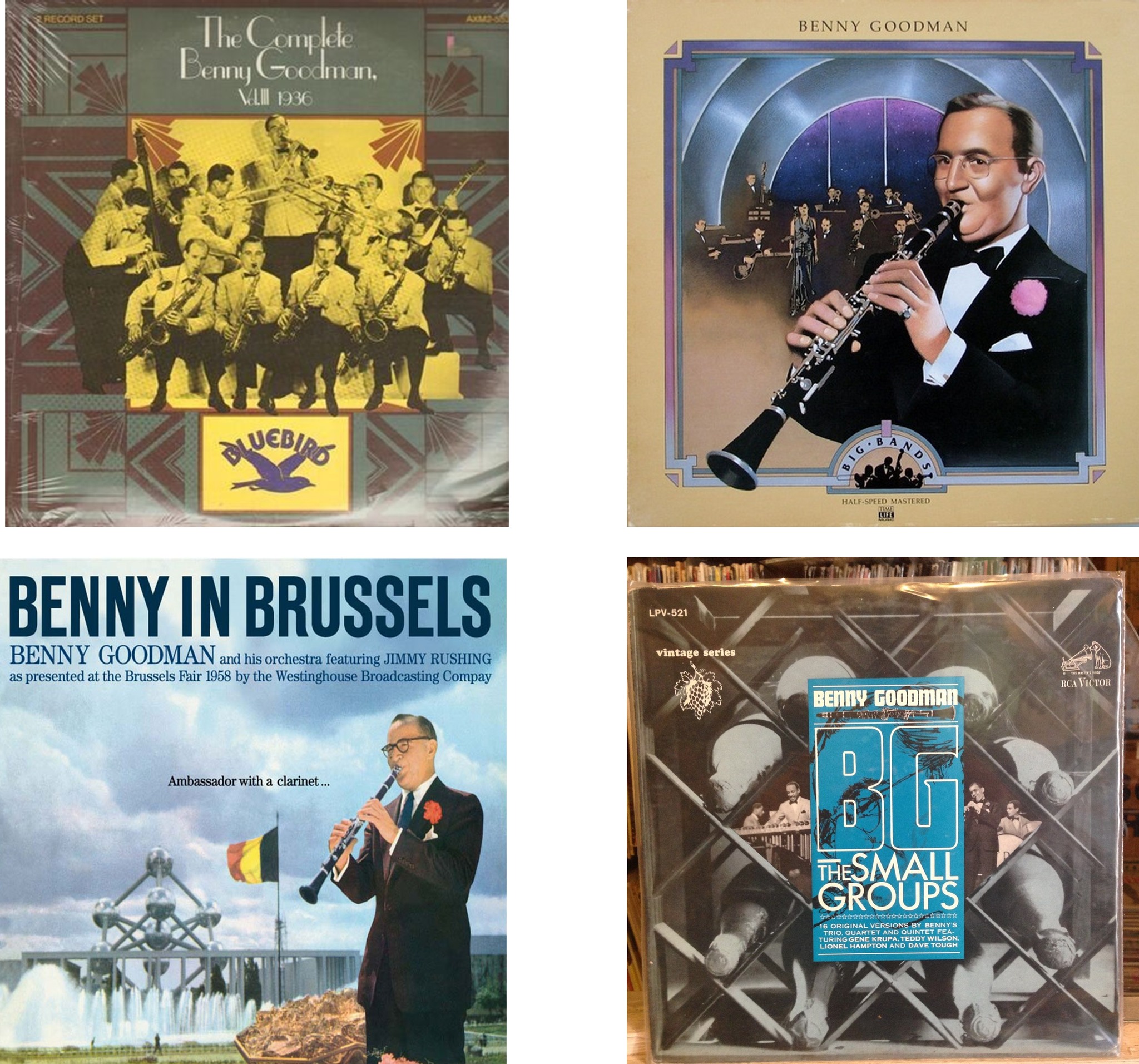
  • Benny Goodman 2 lp set (Time-Life Music: The Big Bands series STBB003)
  • The Complete Benny Goodman, Vol. III 1936 2 record set Bluebird AXM2-5532
  • BG: The Small Groups RCA Victor LPV-521 (RCA Victor Vintage Series)
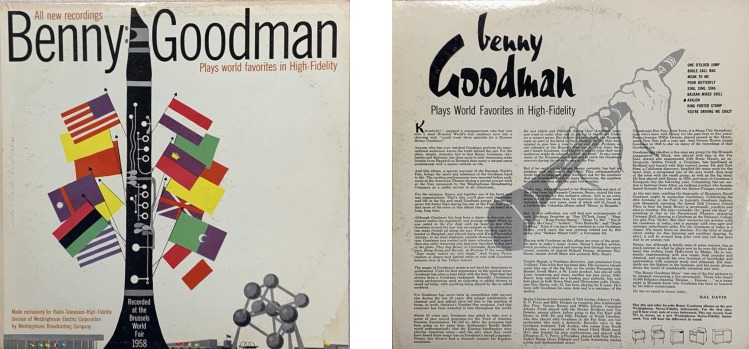
  • Benny In Brussels, featuring Jimmy Rushing, Vol. 1 Columbia lp CL1247
  • The Famous 1938 Carnegie Hall Jazz Concert, Vol. 1 Columbia lp CL 814

7 inch 45 rpm EP’s

  • Benny Goodman and His Orchestra

78’s

  • My Blue Heaven / Put That Kiss Back Where You Found It
  • On the Alamo / Rattle and Roll
  • Don’t Be A Baby, Baby / All The Cats Join In
  • My Guy’s Come Back / Symphony
  • Six Flats Unfurnished / Why Don’t You Do Right?
  • Idaho / Take Me
  • The Way You Look Tonight / The Wang Wang Blues
  • Heaven In My Arms / That Lucky Fellow
  • Boy Meets Horn / Let’s Dance
  • Where or When / I Cried For You
  • A String of Pearls / Jersey Bounce
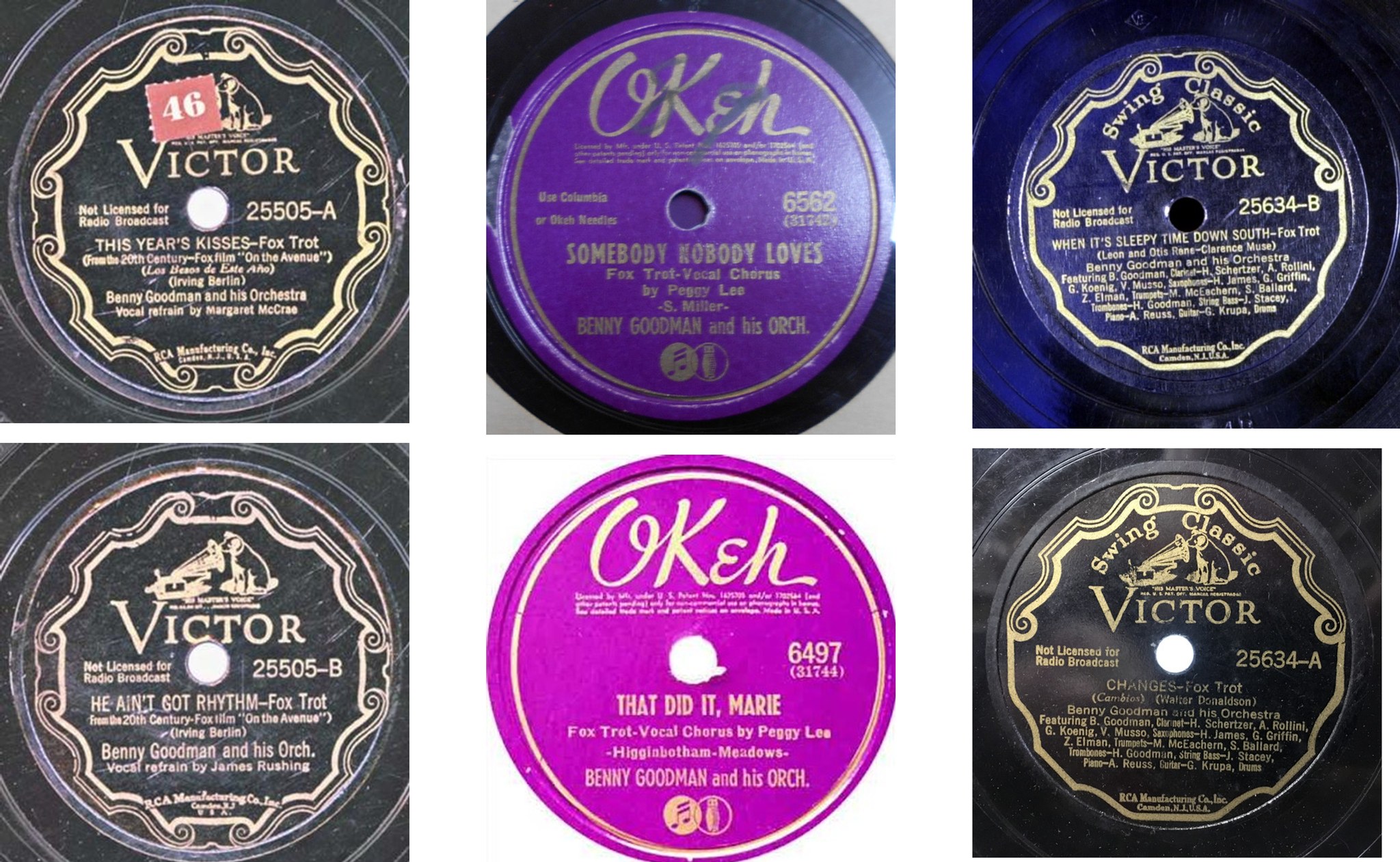
  • He Ain’t Got Rhythm / This Year’s Kisses
  • When It’s Sleepy Time Down South / Changes
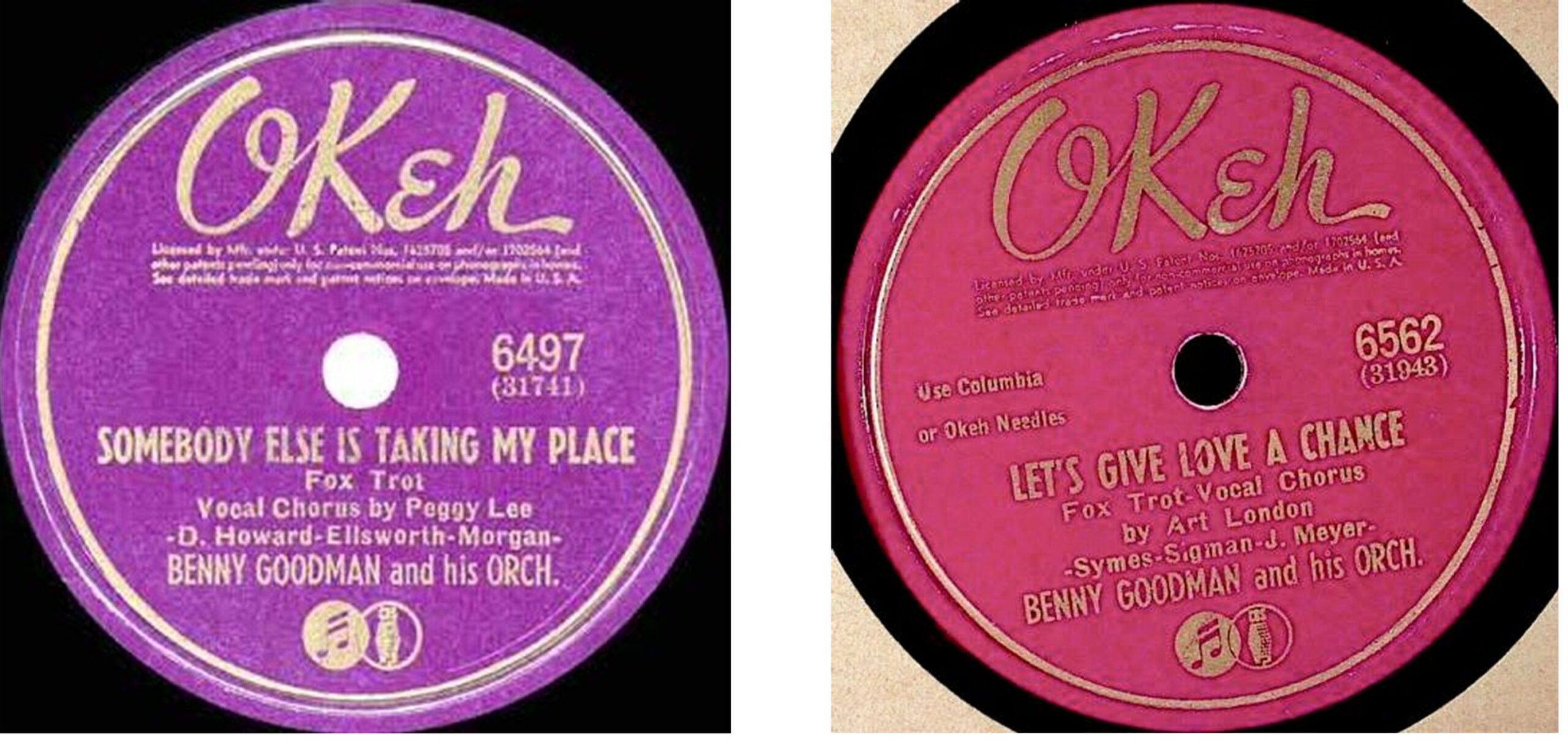
  • Let’s Give Love A Chance / Somebody Nobody Loves
  • That Did It, Marie / Somebody Else Is Taking My Place

Books:

  • Benny Goodman and the Swing Era, by James Lincoln Collier. NY: Oxford, 1989.
  • Benny: King of Swing, a pictorial biography based on Benny Goodman’s own archives, with an introduction by Stanley Baron. NY: Morrow, 1979.
  • Swing, Swing, Swing: The Life and Times of Benny Goodman, by Ross Firestone. NY: Norton, 1993.

Memorabilia and other stuff:

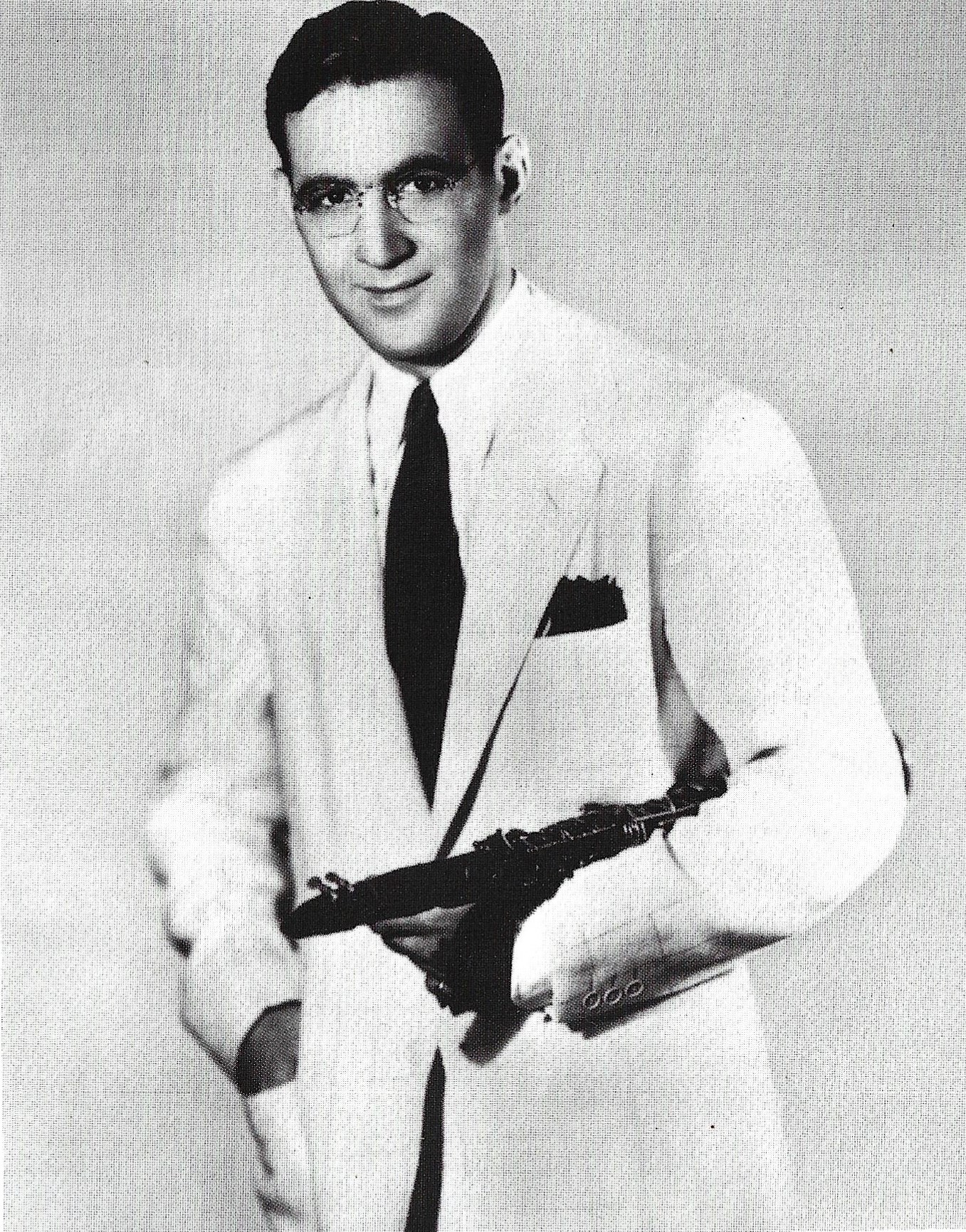
  • Signed autograph black and white 8 x 10 portrait of Benny Goodman
  • Ad: Benny Goodman Sextet Gammage Center, Sunday, February 20, 8pm. (Tempe, Az.)
  • “The Mirror of Swing, by Gary Giddens. Village Voice July 8, 1986.
  • “To Russia, Without Love: The Benny Goodman Tour of the USSR”, by Bill Crow. This is a 4 part story featured in Jazzletter (August, September, October November, 1962). Crow writes a critical review of the trip, and describes Goodman as a difficult bandleader and all around asshole. A very unflattering portrayal, to say the least.
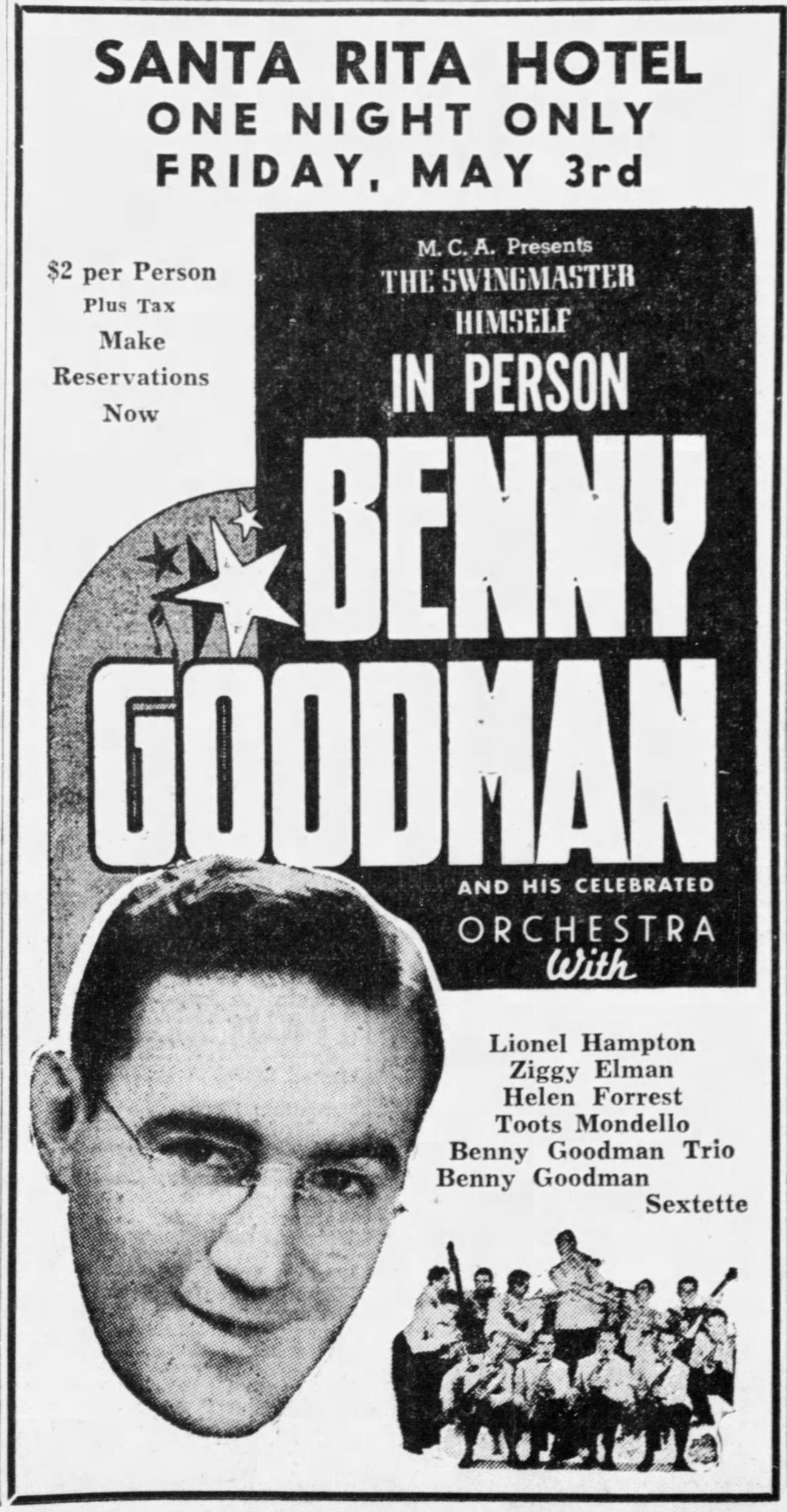
  • Newspaper ad, Arizona Daily Star May 2, 1940. Benny Goodman in person at the Santa Rita Ballroom, Friday, May 3, 1940
  • Newspaper artcle, “Goodman Swings in City Tonight” Arizona Daily Star, May 3, 1940.

This is a 78 rpm anthology of Benny Goodman tunes that I have in my collection. These “albums” usually included 4 10″ discs with a song on each side.

Gene Lees’ Jazzletter includes four issues devoted to Benny Goodman’s 1962 trip to Moscow. It’s not a very flattering portrayal, but from what I understand, this is how Goodman behaved with his band mates throughout his career as a band leader. His music was great, but he was not a nice guy. You can read about the tour by looking up the August, September, October and November 1986 issues of the newsletter.

For more information about Benny Goodman, see:

“Benny Goodman: The Official Website of the King of Swing”

“Benny Goodman” in Wikipedia

“Benny Goodman Discography” in Discogs

“Ellington, Goodman, Shaw” by John S. Wilson, in Liberty Magazine, Spring, 1973. (I’ve had this magazine in my personal collection for many years, and only recently realized that there was a very good article on these three jazzmen included in it.

I recently found this in my music research files. I had no idea I had this! Not sure if the signature is “original” or if it’s a print, but that’s okay.
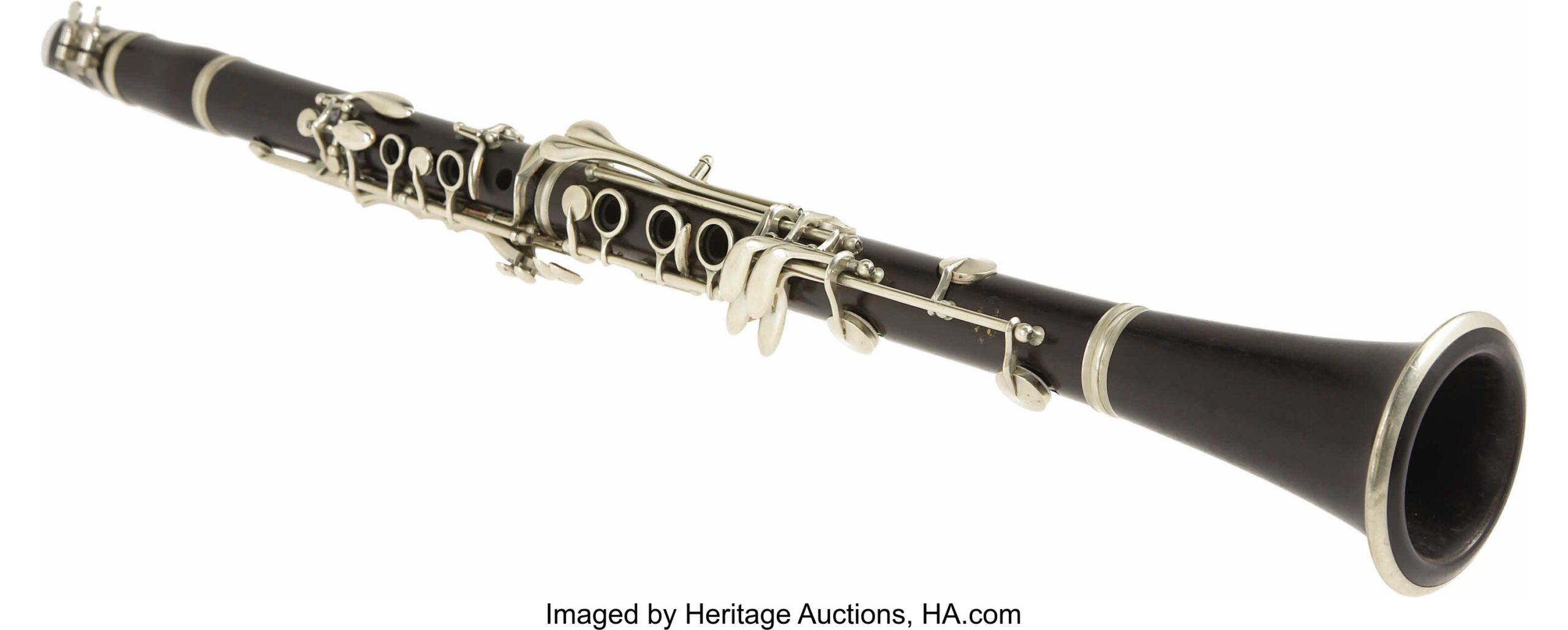
Benny Goodman’s clarinet.

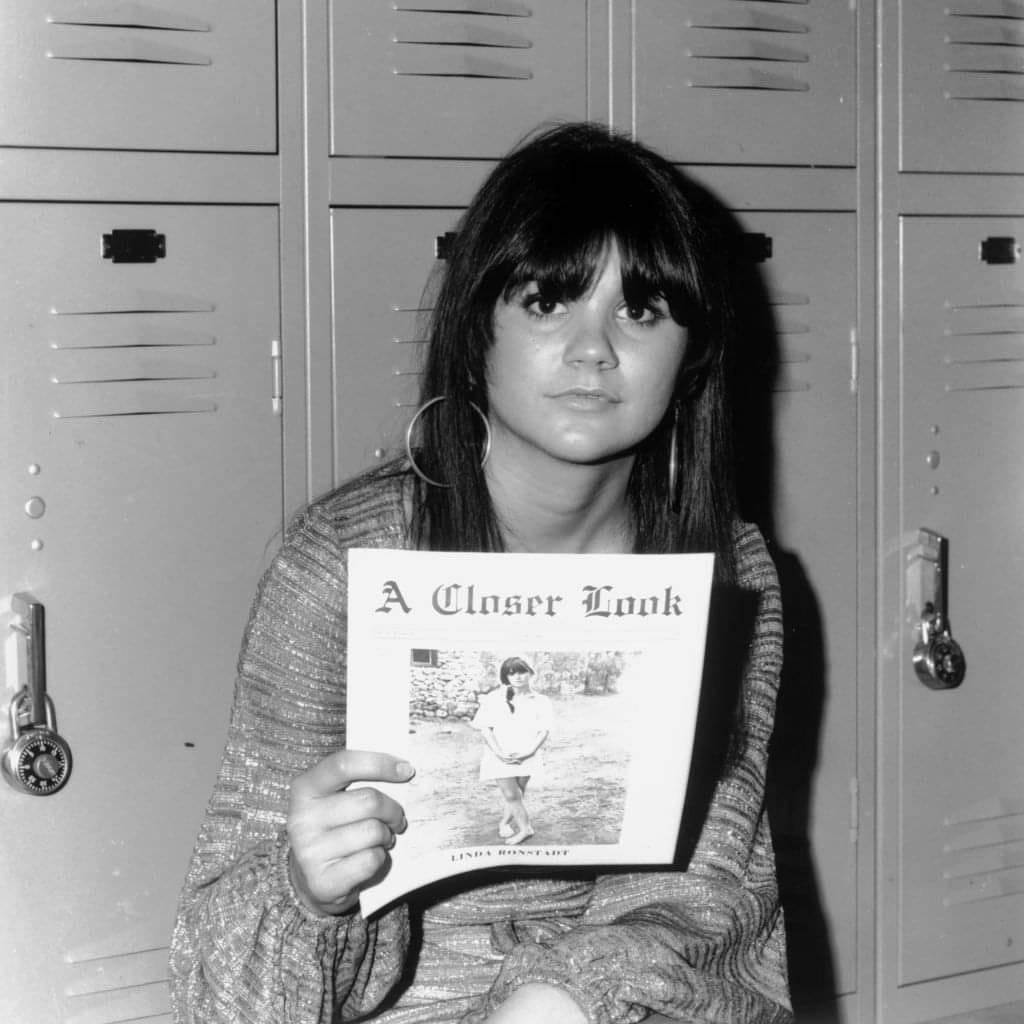
Linda Ronstadt: Folksongs and country music (mostly)

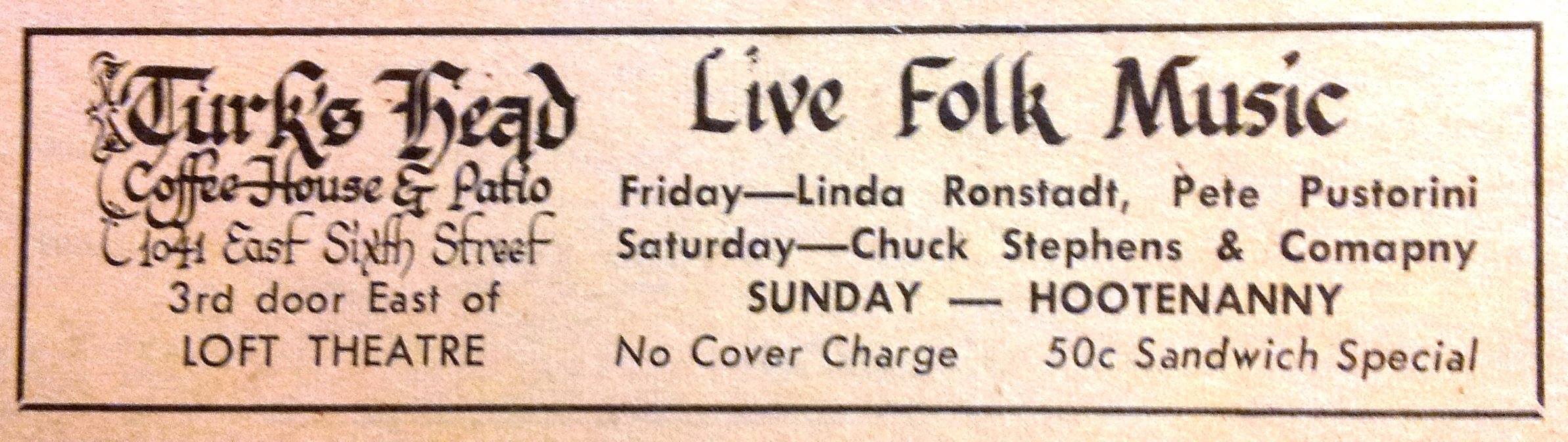
Here’s something interesting from 1964. This ad appeared in the Arizona Wildcat, p10, Nov. 20, 1964.

Linda Ronstadt’s music has been a part of my life since I was a teenager and first heard the song “You’re No Good” on the radio in the mid-70s. She had a couple of other hits before that, including “Different Drum” and “Long, Long Time”, but I never connected the fact that these songs were from a woman born and raised in Tucson. When her breakthrough album “Heart Like A Wheel” came out in late 1974, it was huge news, and everyone in Tucson talked about Linda being a hometown girl. That album was the first one I ever really got to know and love. I bought every album she released after that, one by one. I was never really interested in her work with the Stone Poneys, or her first two solo albums, “Hand Sown, Home Grown” and “Silk Purse”, however. Her songs selections on those albums weren’t as appealing to me and her voice sounded twangier then, and in my opinion, not as well developed as it was when she released “Heart Like A Wheel”.

I saw Linda perform at the Tucson Community Center twice in the late 70s, and then again much later at the Tucson International Mariachi Conference. I even got to meet her once back in 2004. She remains one of my very favorite singers, and I have nearly all of her recordings either on lp, cassette or cd. I played her music all the time on my radio show, the Chicano Connection too. I’ll always love her.

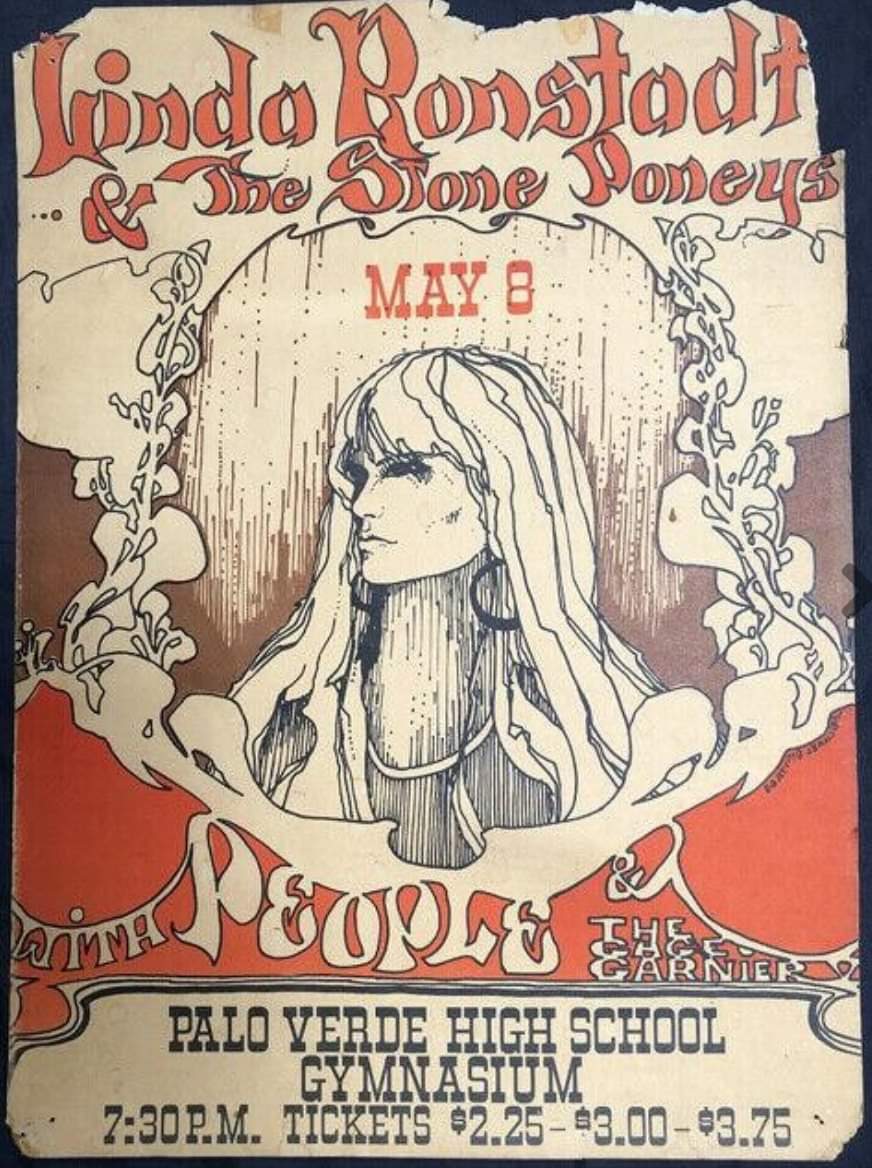
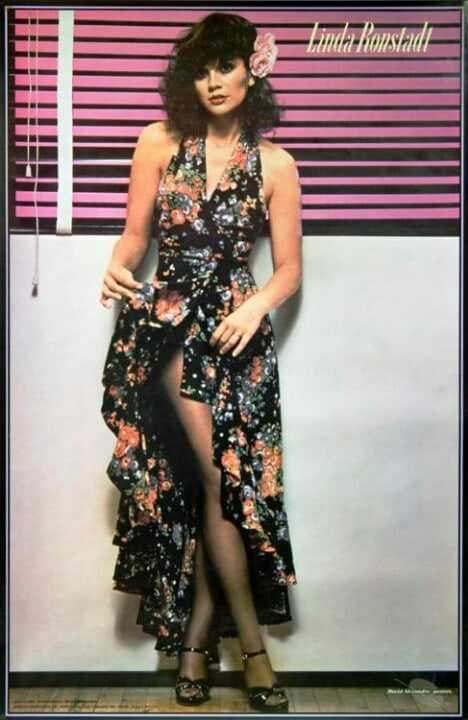
A poster from the Sixties
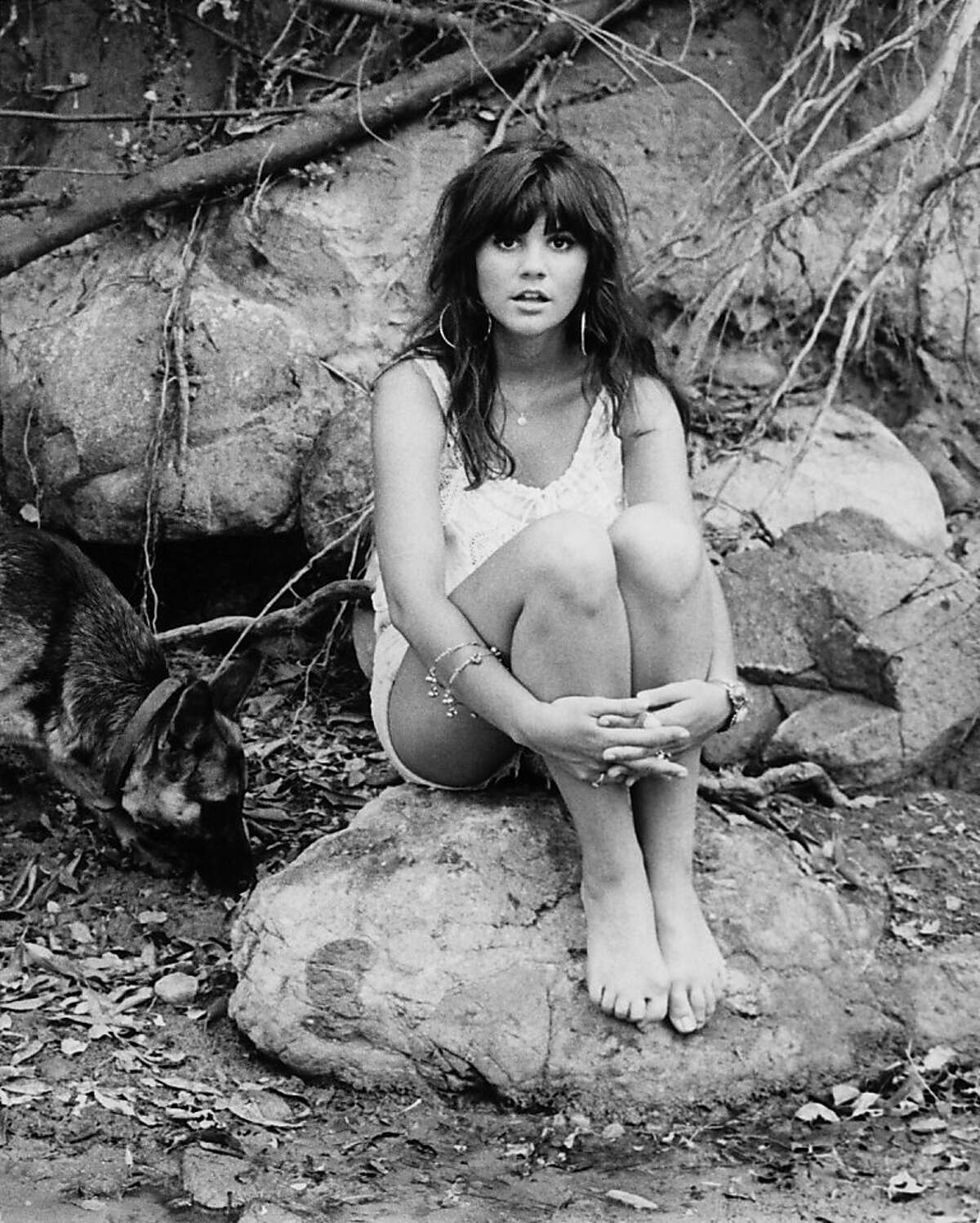
Linda at Palo Verde High School where she performed with the Stone Poneys.

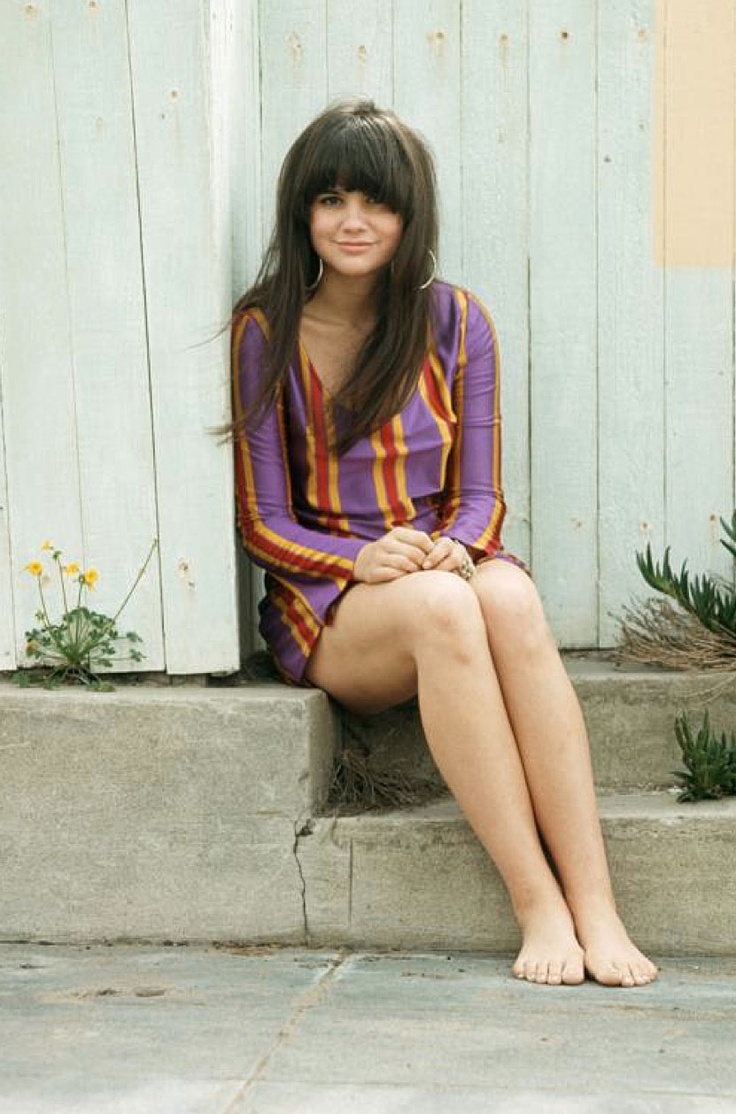
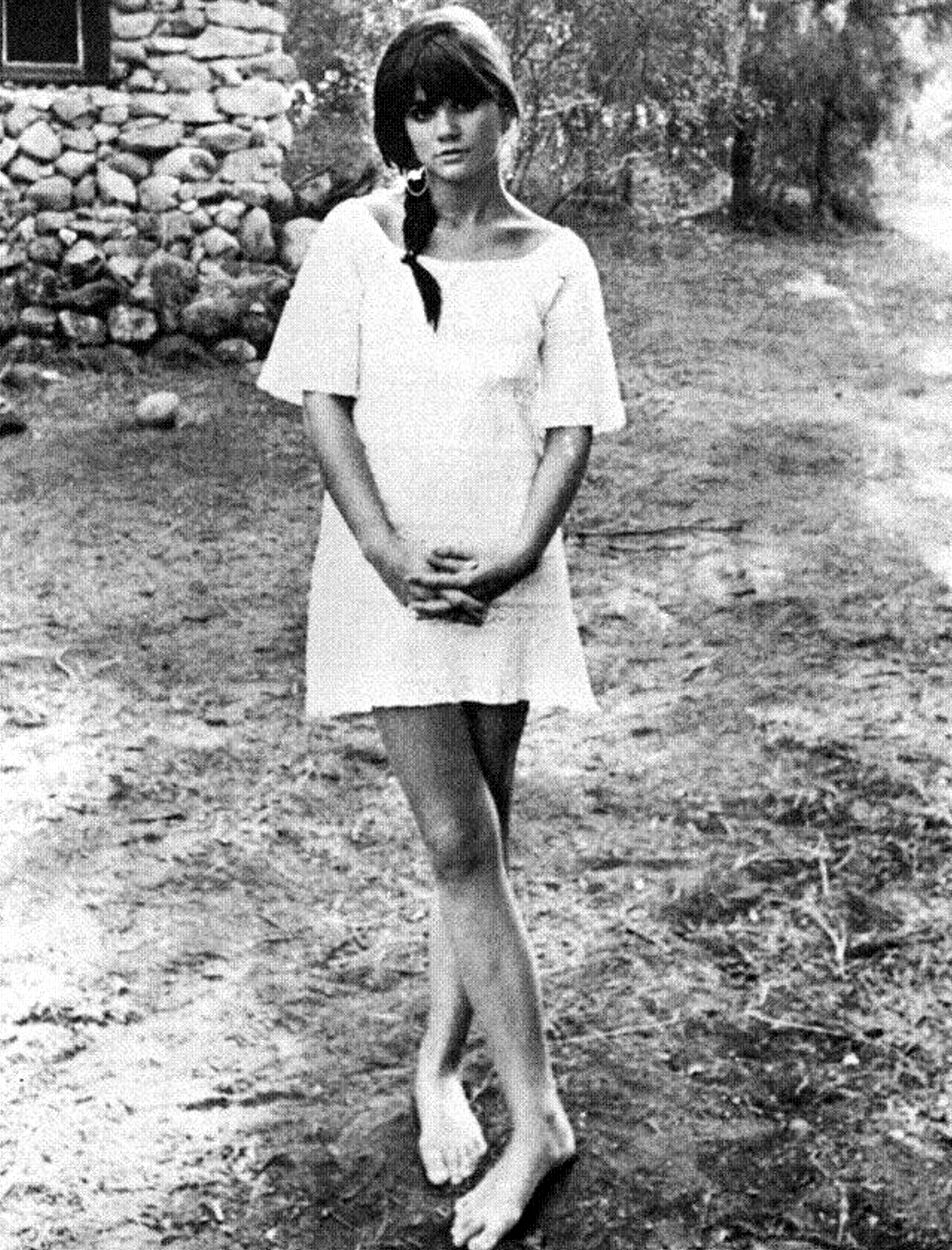
Her birthday is coming up soon, so I thought I’d create my own playlist of tunes she recorded that I especially enjoy listening to. Most of these are either folk songs or country songs. I think Linda does an exceptional job interpreting these kinds of tunes. I also love her rock material and her music in Spanish, but this time around, for the most part, I’m focusing on Linda Ronstadt, the barefoot folkie.

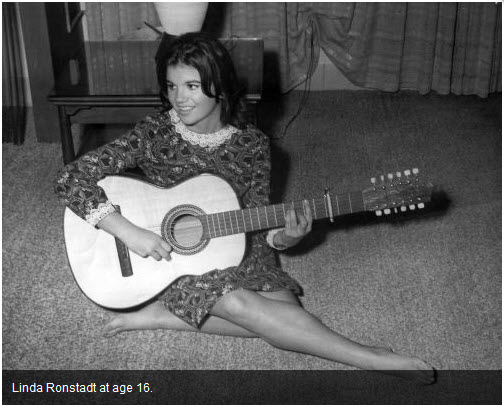
At home playing the guitar…
Ramblin’ Round
Keep Me From Blowin’ Away
I Never Will Marry
My Blue Tears
Love Has No Pride
Love is a Rose
I Can’t Help it If I’m Still In Love With You
Crazy Arms
Rambler Gambler
I Ride An Old Paint
Desperado
Willin’
Carmelita
I will Always Love you
I Fall To Pieces
Duet with James Taylor
If I Should Fall Behind
I bought this poster when I was in college. I ended up giving it away. Stupid me.
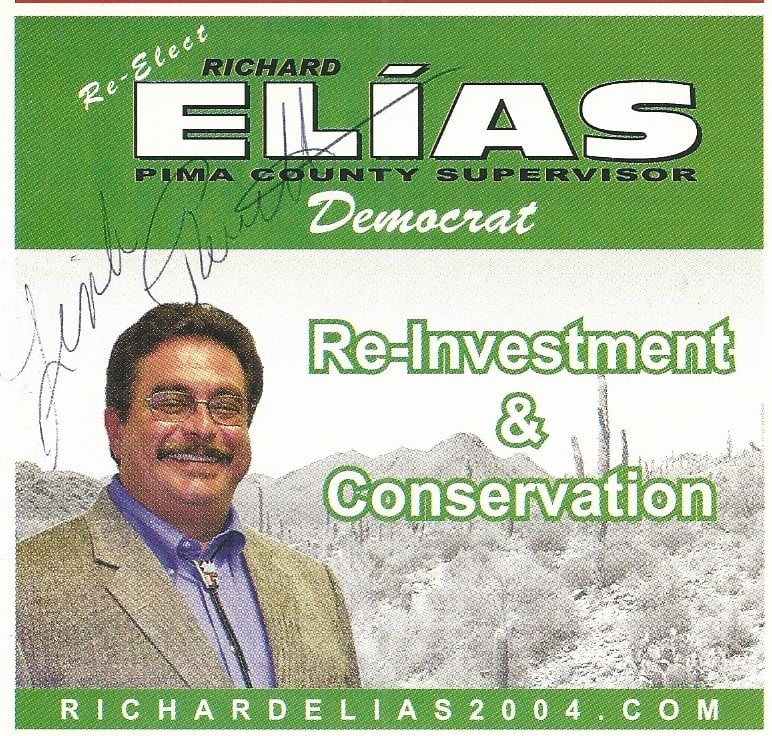
Back in 2004, Linda Ronstadt showed up to an event at Raul Grijalva’s campaign headquarters in Tucson one day. I was there too, and asked for her autograph. She signed it on one of my buddy Richard’s campaign flyers. He was also running for office that particular year. This is one treasure that I’ll never give away.

Mis canciones favoritas

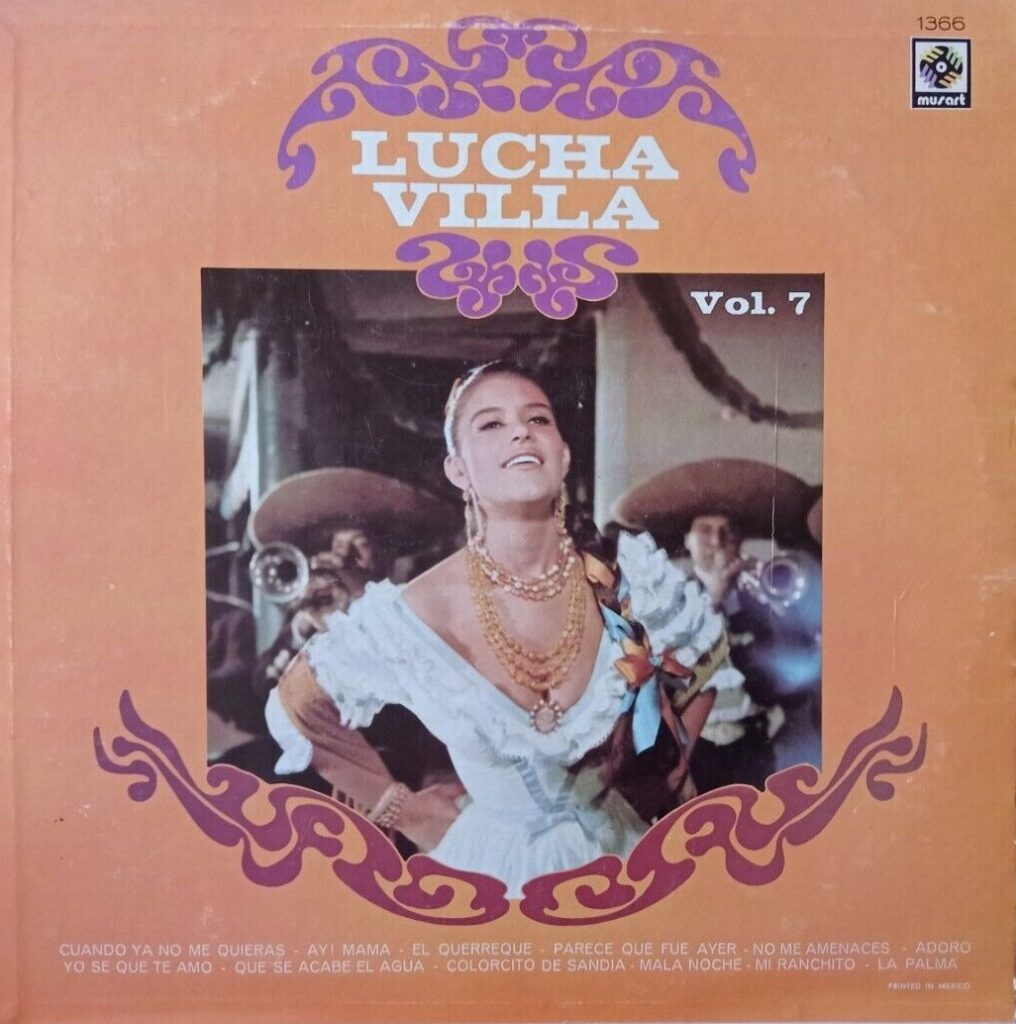
I’ve never really said much about giving up the Chicano Connection, my radio show on KXCI. I’ll just say that it was time to let it go. Altogether, I worked there as a volunteer for about 20 years, from 1983 to 1986 and then again from around 2004 to 2020. My last show was on February 26, 2020, two years ago this week. Every now and then I get nostalgic and long to hear all those old Mexican rancheras that I used to feature, so tonight I decided to put together a blog post with some of the great songs I miss playing. Many of these songs remind my of my mom, and others I think are just beautiful tunes. If you have time, listen to a few of these. Some are sad, some aren’t. Just don’t start drinking, or you won’t be able to stop…

I’m so grateful and humbled by these comments. They were posted on Facebook.

Loved your show—Chuck Leon

Your show was a great bouquet of music and culture—Steve Leal

Bob, I know so many are missing your show. Thanks for sharing your love of this music. It is truly beautiful! ❤–Alexandra Rivera

I miss your show, too. It was always on as I as driving home from work.—Lisa Bunker

Your show was such a staple in our household. I miss it.—Andy Schmitt

I miss your show! It was the reason I donated to your public radio station, and I told them that. You taught me so much about Mexican music, and I loved your themed shows. And of course, I loved the Motown and Aretha you would sprinkle in! Love you! ❤–Karen Downing

You gave us a beautiful show! Thank you!—Andrea Marie

Your show was life altering for me Bob. I break out my cassette recordings once and a while.—David Gouge

Bob, I remember being in the old studio watching you and Richard dj for one show, in the early yrs.–Ramon Federico

I loved your show and the playlist always taught me something!–Felicia Frontain

I miss your show, Bobby. I look forward to listening!!–Betty Villegas

Mil gracias for your special gift…we’re about to enjoy❤️!–Margo Cowan

Love these! Thanks, Bob. –Patricia Glass Schuman

I really love it!–Karen Oldani

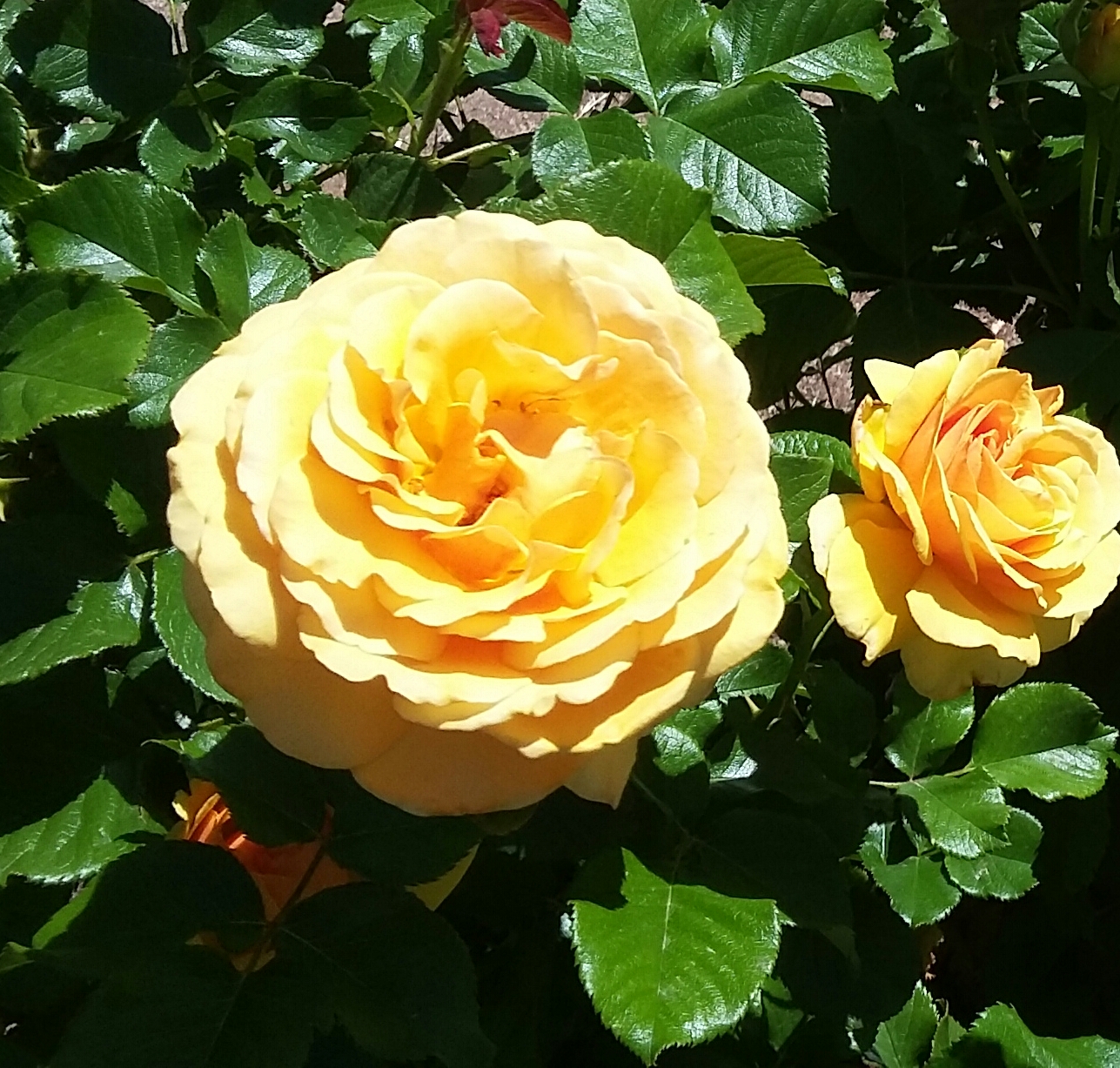
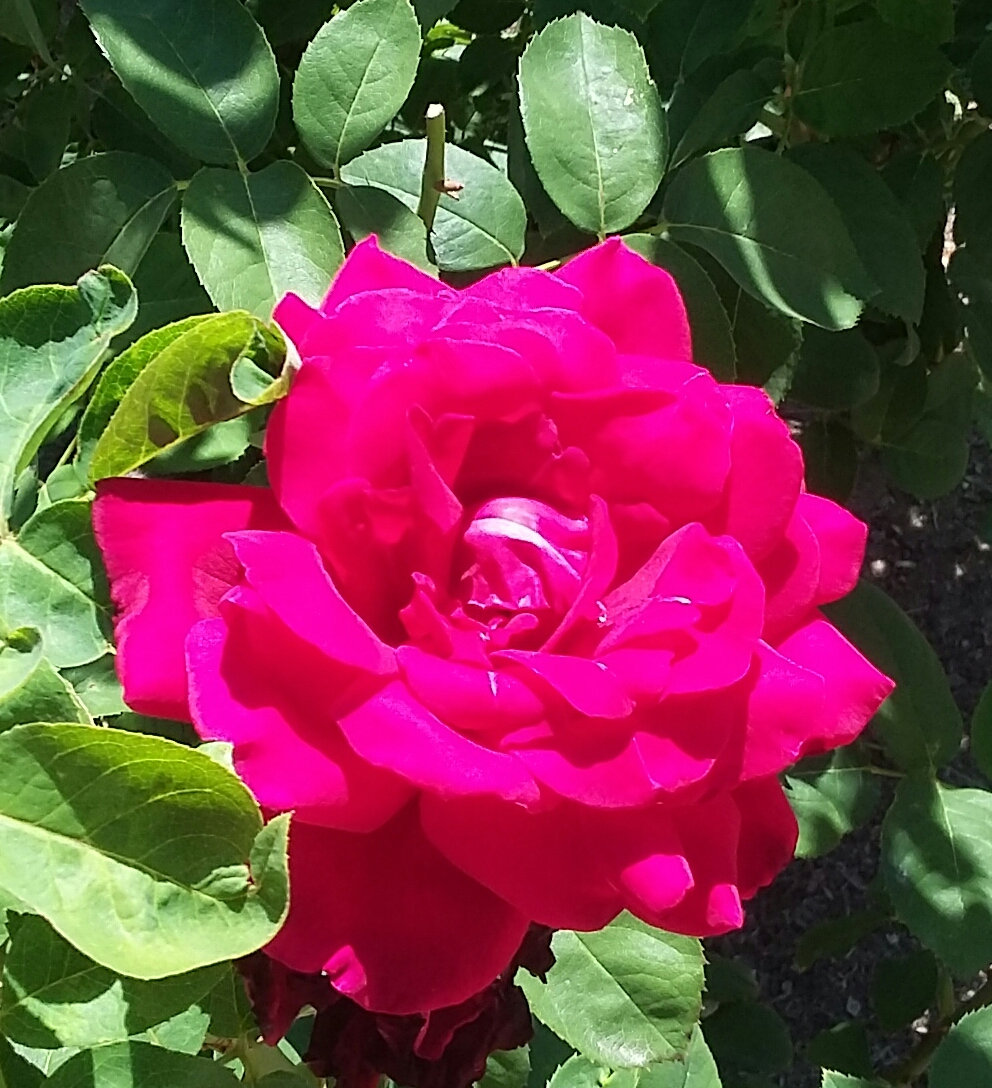
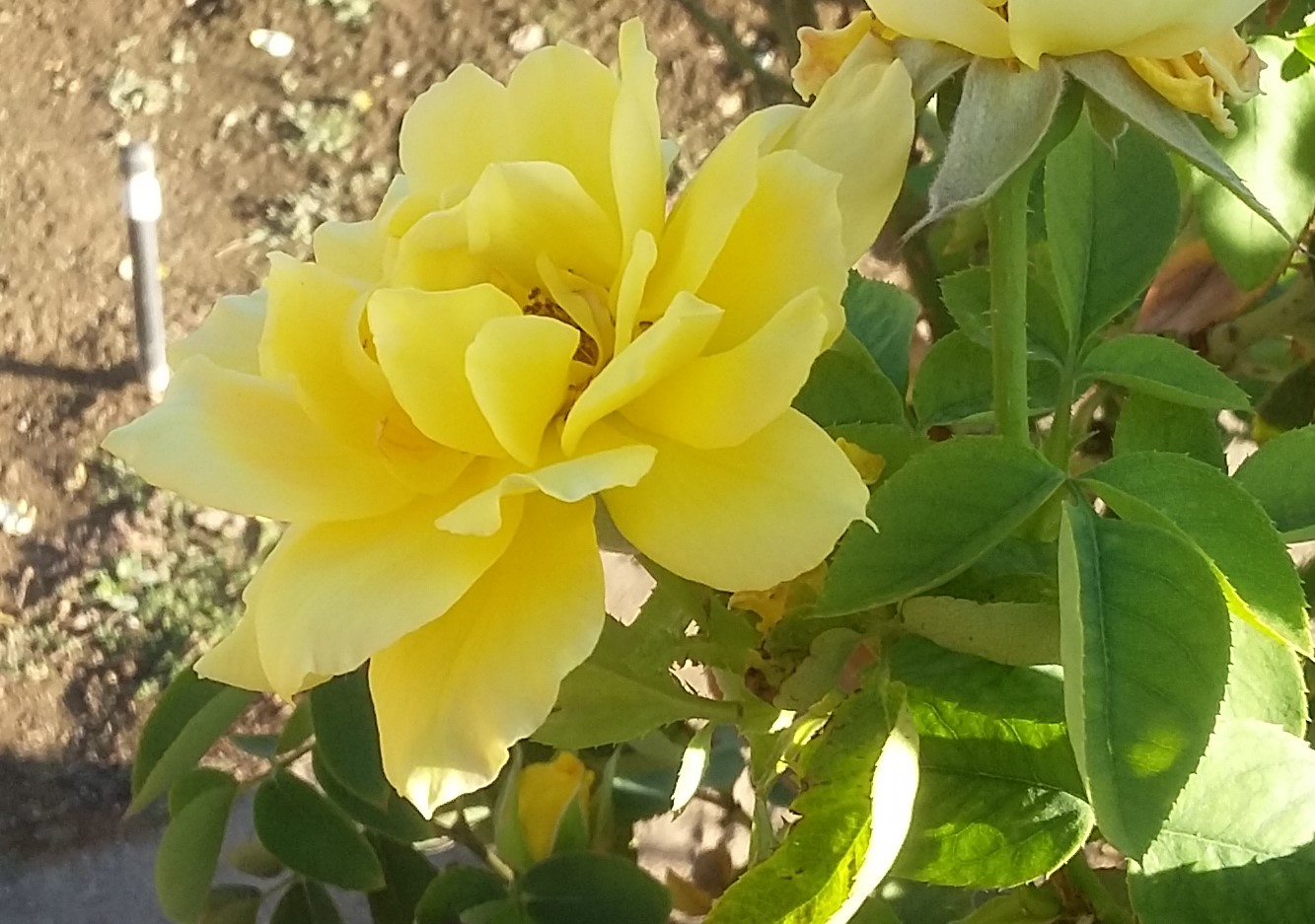
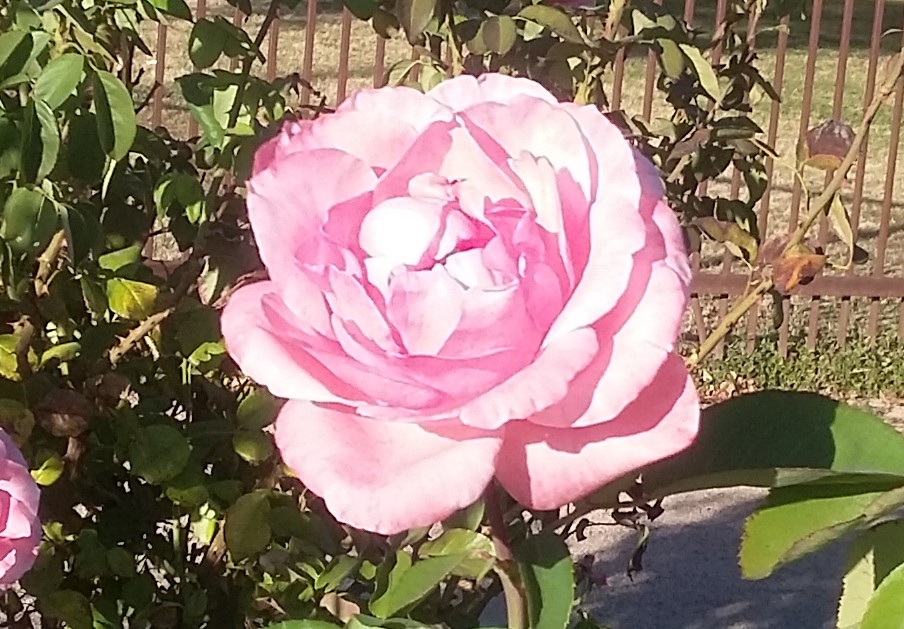
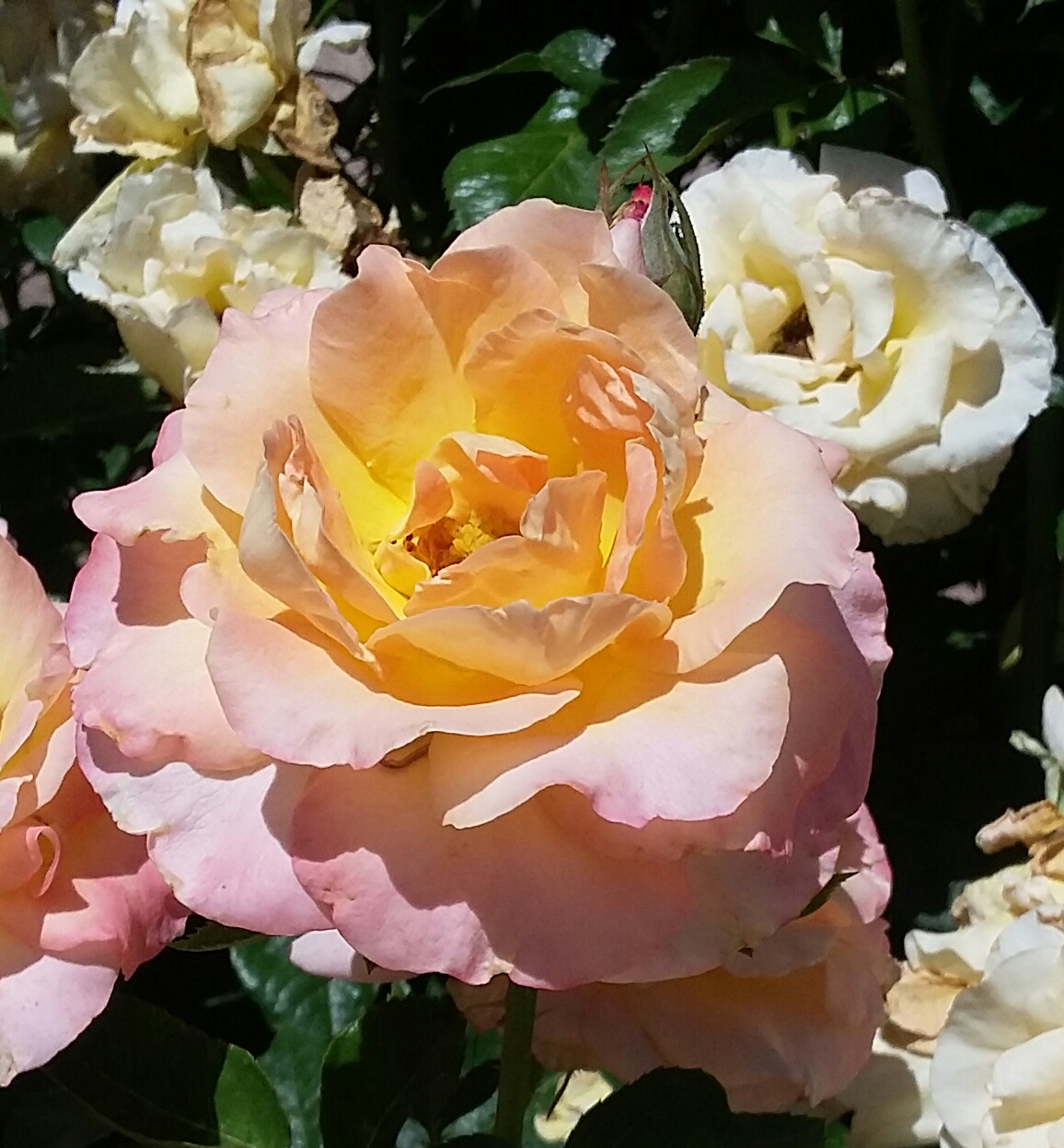
Roses etc., 2019

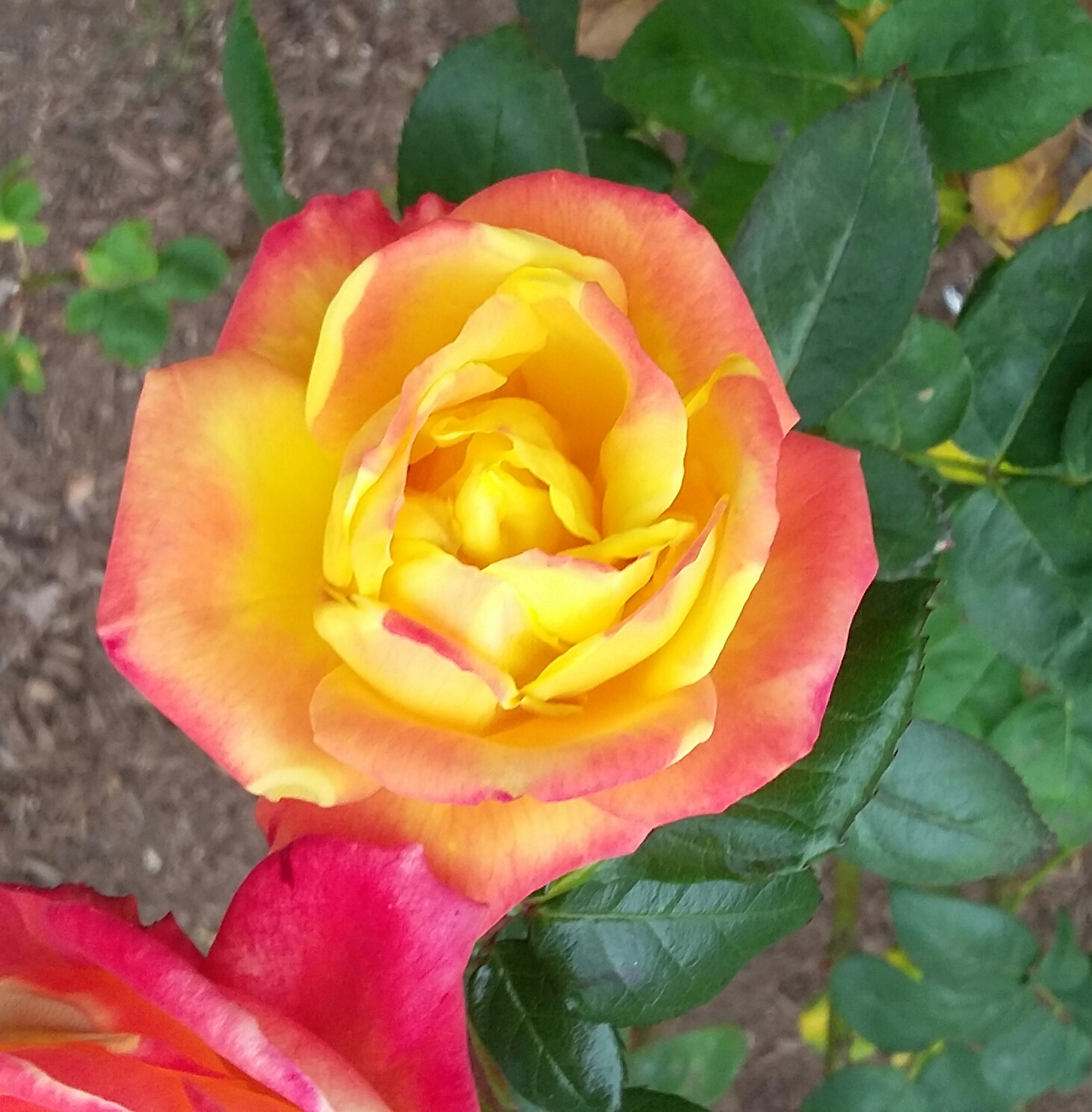
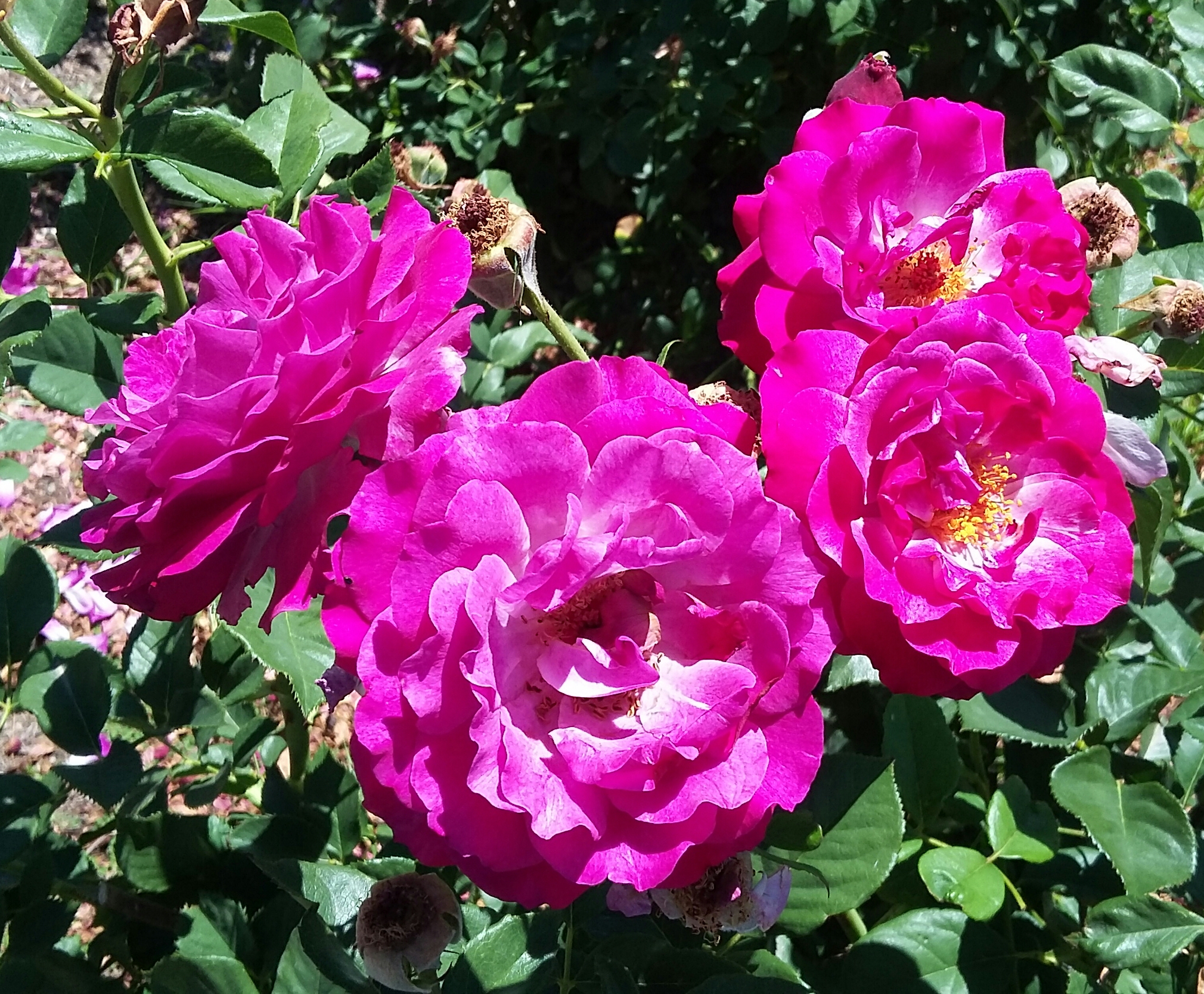
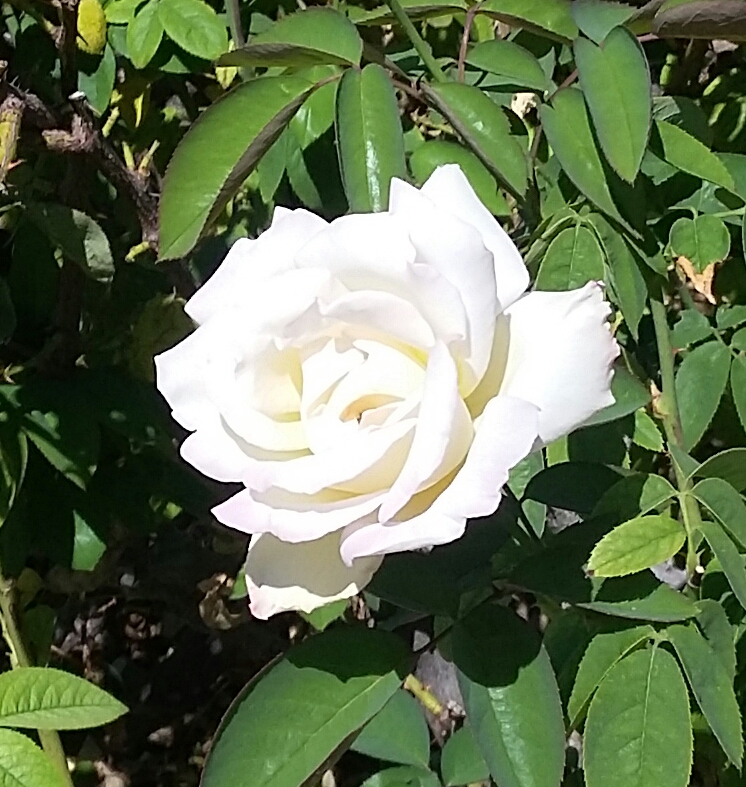
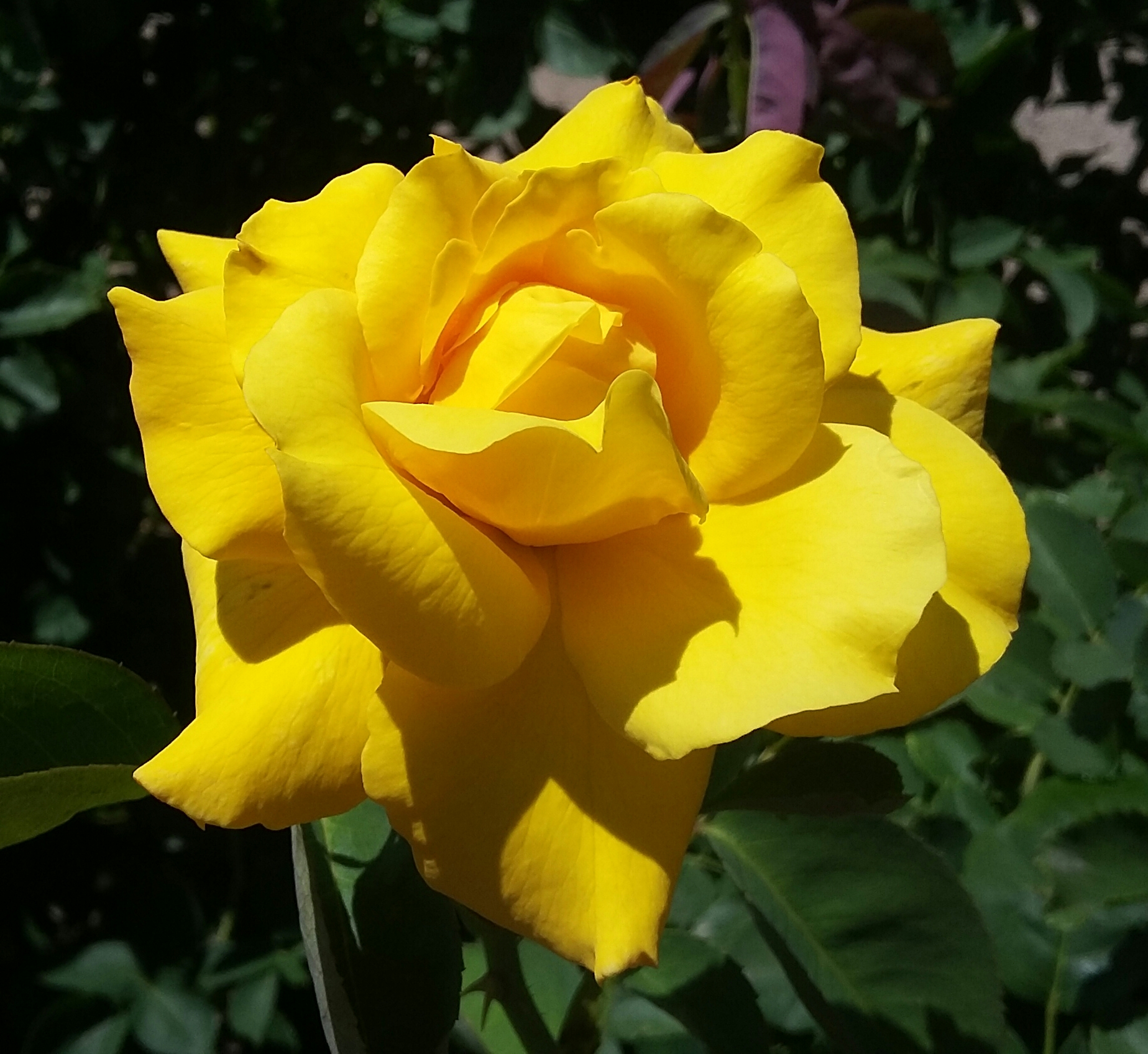
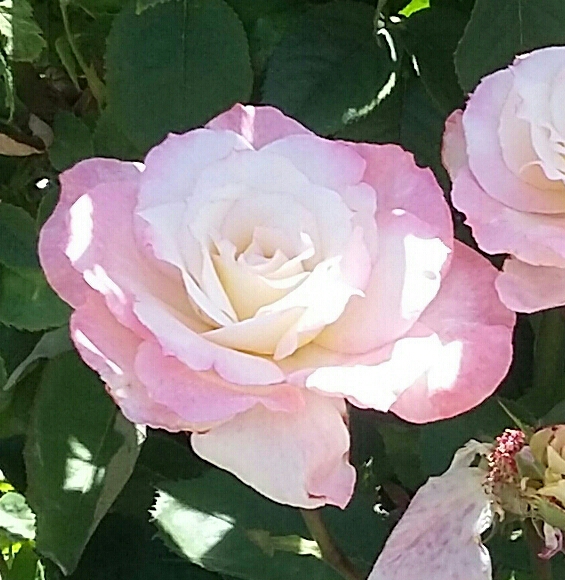
2019 was a tough year. I had a series of health problems, which impacted my output of work for the entire year. One thing I did manage to do on a regular basis, however, was to take lots of photos of flowers, roses for the most part, whenever I had the chance. Below is sampling of the beautiful roses and flowers I photographed both on the University of Arizona and campus and at Reid Park’s Rose Garden, one for every month of the year.

My Favorite Books

From as far back as I remember, our family had books in the house. Whether it was the big set of encyclopedias in our living room or my brothers and sisters old textbooks or novels, there was always something around to read. I learned how to read in elementary school and I used to love poetry. There was one big anthology in particular that I would check out from the library at school time and time again. My favorite poem was a short one, by Ogden Nash. “Candy is dandy, but liquor is quicker”…that was it! I have been posting my favorite albums on Facebook now for almost two weeks now and the other day out of the blue I decided that I’d add my favorite books too. Each title comes with a little anecdote about the book. I’ve had to think way back to remember some of these, but it’s been fun to do so far. Here’s what I’ve posted to this point. I’ll update this daily with a new title and a new story each time.

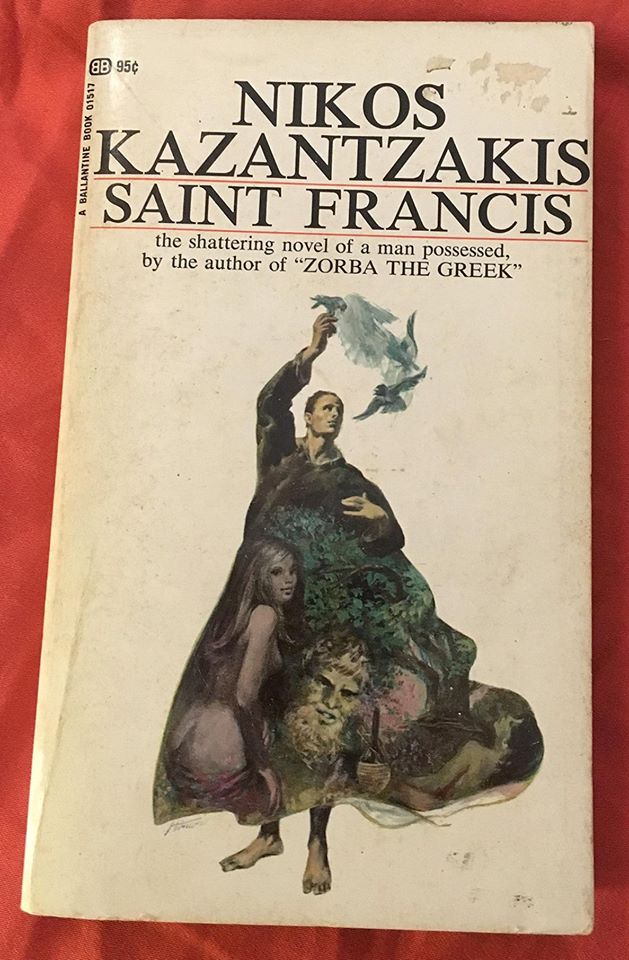
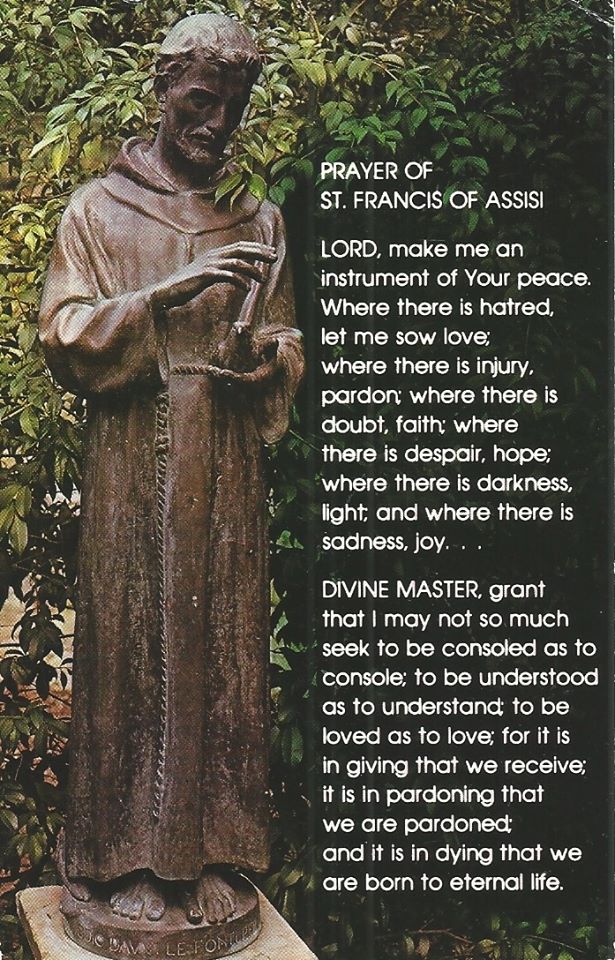
I was reading this one night at Winchell’s Donut shop on 22nd street when I was in my late teens. I was the only customer in the store and suddenly a guy appeared with a gun and he robbed the place. I knew something was up, and dared not make a move. I sat perfectly still with this book in my hands pretending to read it. When the guy had left and the cops arrived the clerk informed them that the robber had his gun pointed at me. I had no idea because I was seated facing the back wall. This book is great. I love the way Kazantzakis writes. I added this postcard too.

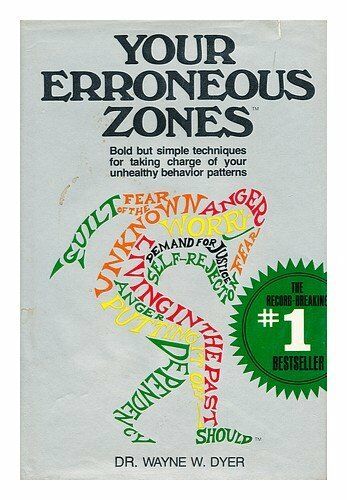
This is another one I read in my late teens. It literally saved my life. I was a sad, depressed, closeted kid, ready to end it all, when I read this. It opened my eyes to the fact that I was responsible for my own life and happiness. Schmaltzy, cheap pop psychology, written by an opportunist set out to make money, was how one of my psychology professors described it. Hell, who cares? It worked for me! And I’m still here!

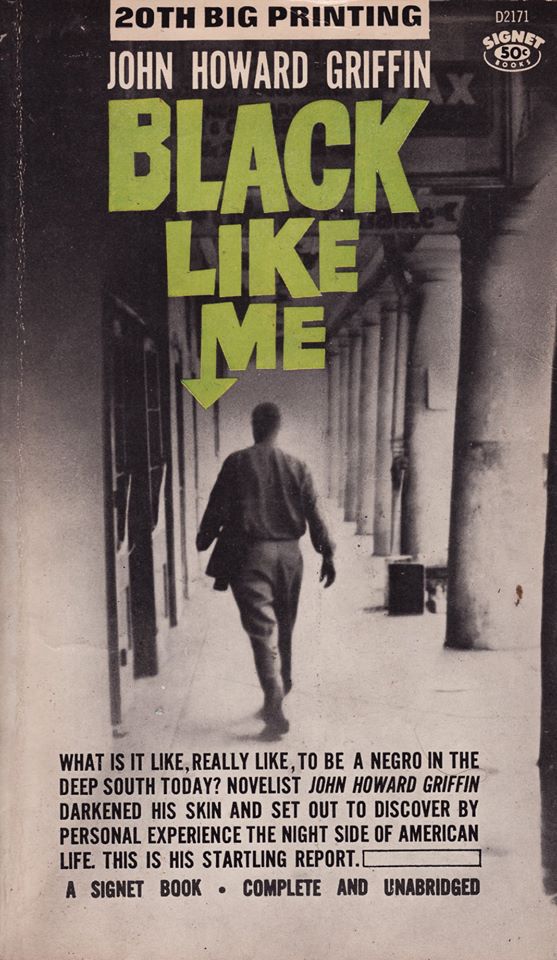
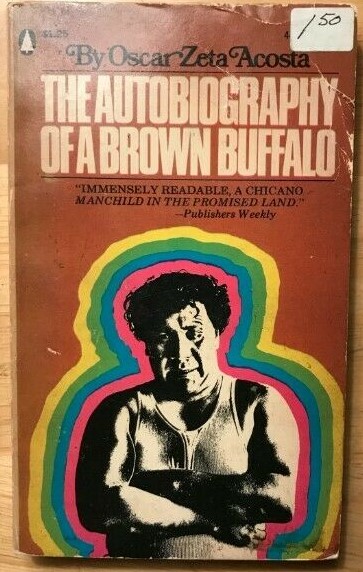
I bought this when I was in the eighth grade in junior high school, back in 72-73, when we could buy books through the Scholastic Books Service. I was so naive and unaware of the world around me back then. I had no idea what was happening culturally, politically or socially. This book helped open my eyes. There have been many others along the way that have also influenced and guided me in the formation of my values and beliefs, but this one was the first.

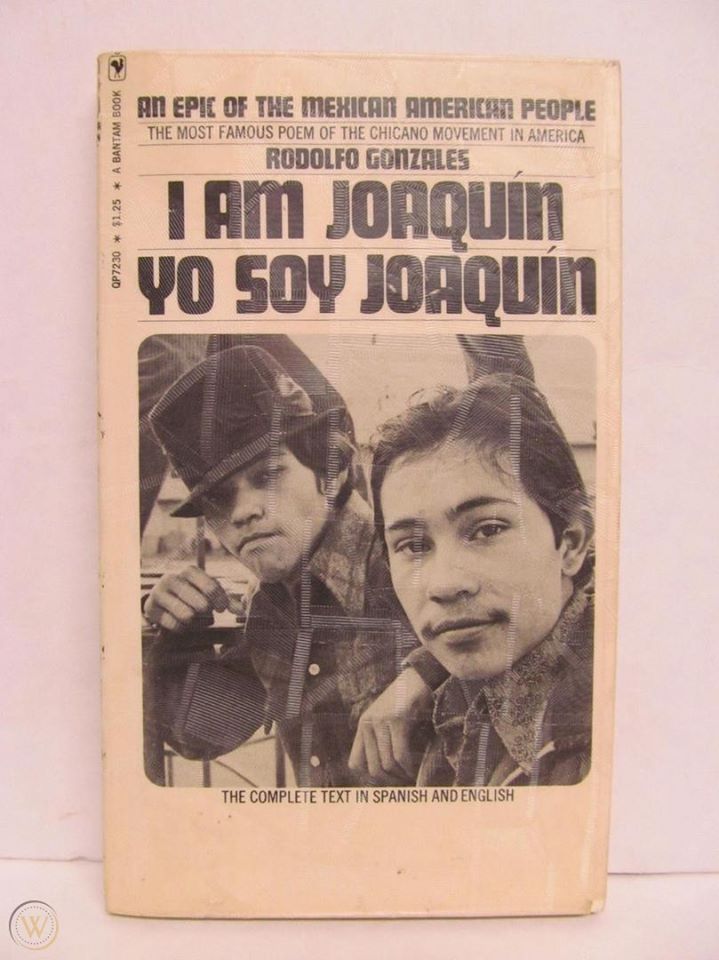
Nobody knew that my decision to go to Salpointe rather than Tucson High was based on the fact that I had a crush on a boy who was going there. I begged my parents to let me go, even though we could not afford it. My cousins were going there, I argued, so why couldn’t I? As things turned out my “friend” outgrew our friendship pretty fast and ended up going to Rincon instead. However, I met other people while at Salpointe, including my mentors, Ron and Jane Cruz, and my best friend Richard. I also learned things there that I probably never would have learned at Tucson High. I learned about my people and our history above all. I’ll never regret the choice I made, even though it cost a lot. I followed my heart, you might say. Ha ha ha. Ron Cruz introduced this little book to us when I was a freshman in 1974, in a class called “Cultural Awareness”. It was my very first Chicano studies class. I’ve never been the same… Here’s a film version of the poem, produced by Luis Valdez, of El Teatro Campesino.

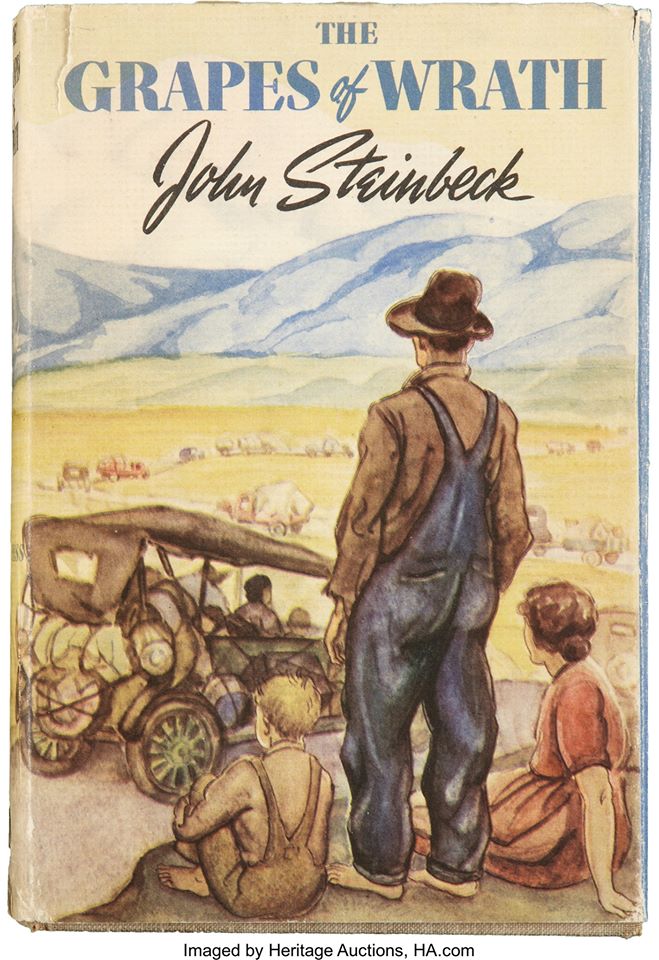
I read a lot of John Steinbeck’s works while in high school. East of Eden, Tortilla Flat, and Of Mice and Men are just a few. This one is epic. It took a while to get through, but was well worth it. I saw the movie too, but later.

Here’s a review of the book that I found on Youtube.

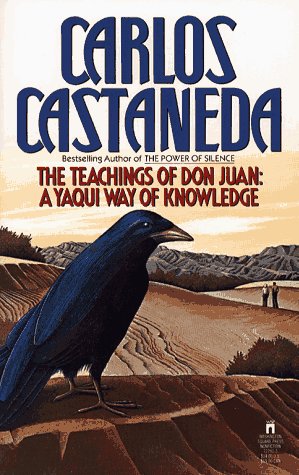
I read many of Castaneda’s books in high school, including this one as well as A Separate Reality, Journey To Ixtlan, and Tales of Power. I was mesmerized by Castaneda’s storytelling abilities. I wanted so badly to be a “warrior” too! I’ve since learned that Castaneda’s works were very controversial, and that he’s been called a “fake” because the works don’t really deal with “real’ Yaqui culture. Oh well. The books made for great reading. Castaneda sure could keep your attention! This was trippy stuff!

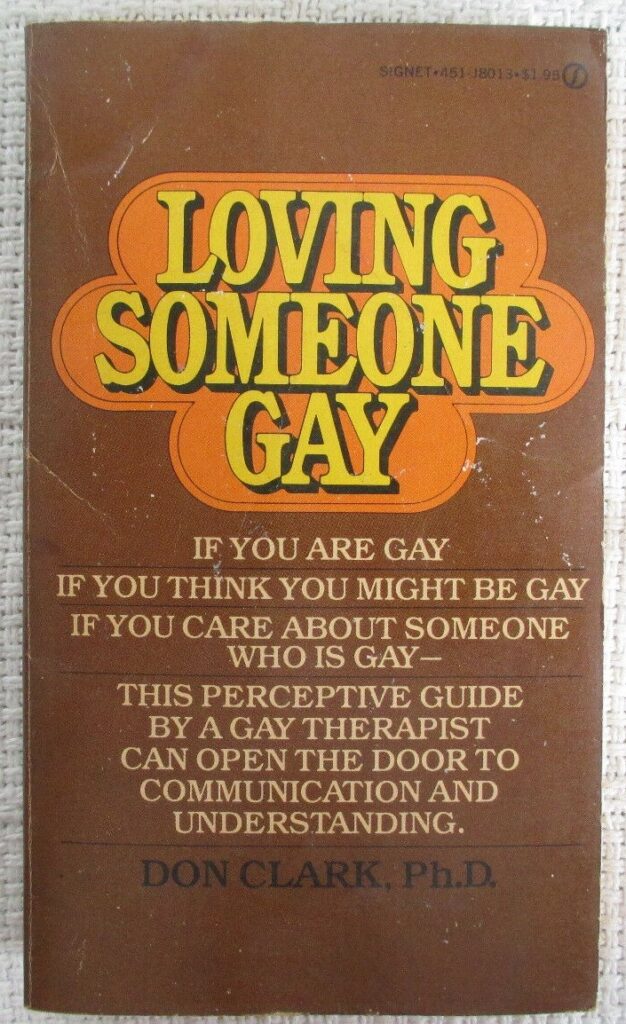
I turned 19 in January, 1978, and was in my sophomore year at the University of Arizona. I had a full load of classes and worked as a cashier at Fry’s part time, but was very unhappy. Life with my parents was difficult, as they didn’t get along, and there were always people coming and going in and out of the house. I had no privacy and studying was hard in such a volatile environment. It was a fucking zoo. I decided, therefore, to live in one of the dorms on campus. It was okay, but it didn’t solve all of my problems. I was very depressed and lonely, and had hit a new low by early April. At that point, it was either suicide or self-acceptance. Finally, one day in early April, I made up my mind that I was gay once and for all, and I “came out” to myself, and decided to try to accept it. I started going out to the gay bars, and found a whole new world. I’d also read Your Erroneous Zones around this time, but it took many more years for me to fully accept myself, and I had a difficult time getting grounded in those first few years, as I found myself overindulging in the booze and the boys… It helped to find reading material that dealt with being gay. I found novels like Rubyfruit Jungle, by Rita Mae Brown, and testimonials like The David Kopay Story, and then I found this book. It was first published in 1977, and it was another life saver. It helped me feel much better about myself, and as I kept reading and experiencing new things, life got better…

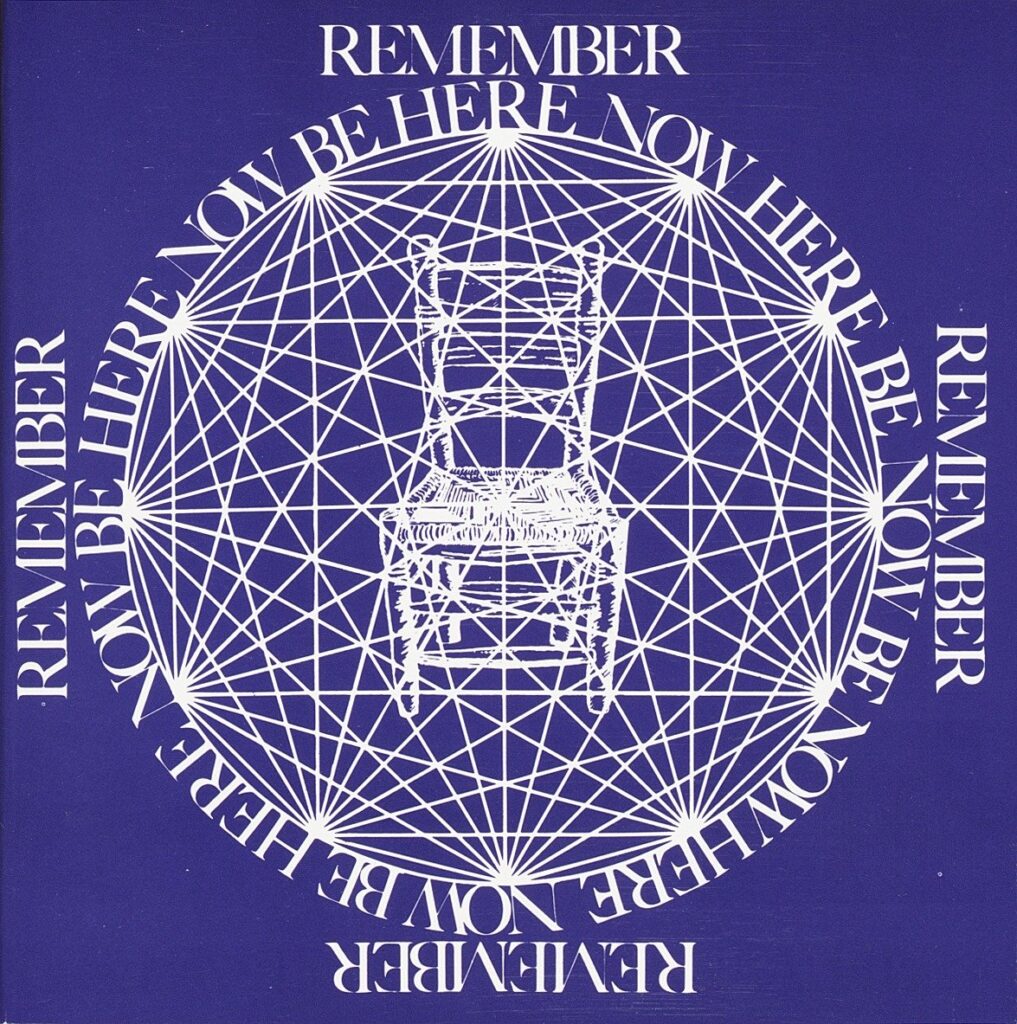
Going to a catholic high school meant that one had to take religion classes. In one of my first classes, I met two priests, Father Roderic and Father Frank. They seemed more like hippies than priests to me, and what they taught wasn’t what one would expect in a religion class. They talked a lot about values and social justice. They were quite ahead of their time, when I think about it. A few years later, when I was in college, I ran into Father Frank again. He had left the church, and had become an independent counselor. We became very close friends. He taught me many things, and I am forever grateful for his love, support and guidance. One of his gifts to me was this book, written by Ram Dass, who as it happens, passed away this year. Remember, Be Here Now, my friends!

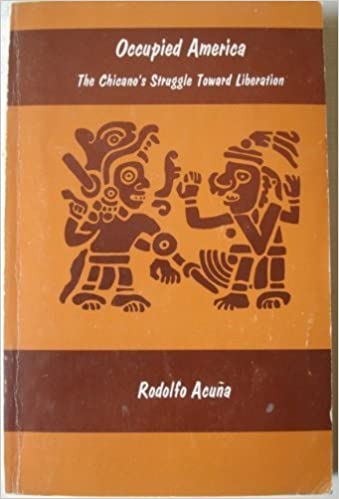
As I struggled with my identity in my teens, I kept searching for meaning in books. My dad was Spanish, and my Mom was mostly Indian. What did that make me? I really hadn’t a clue, until I started learning about Chicano history in high school. I’ve already mentioned the book “Yo Soy Joaquin” and how it impacted me. That was a work of poetry, and it told our story from a creative perspective. Over time, I’ve encountered other works that told the story from other perspectives. Books like 450 Anos del Pueblo Chicano and Chicano Manifesto were filled with information, photographs and opinions. It wasn’t until I read this book, however, that I began to realize that what I had learned in school had indeed been whitewashed. Rudy Acuna documented our history with facts and footnotes, and while he hasn’t always been given his due, he made everyone aware that the historical record needs closer examination. The truth is often buried in the details and skewed by those who write our histories. Objectivity is a joke. He skewed it in our direction for a change. This book is now likely in its fifth or sixth edition. I have four of them.

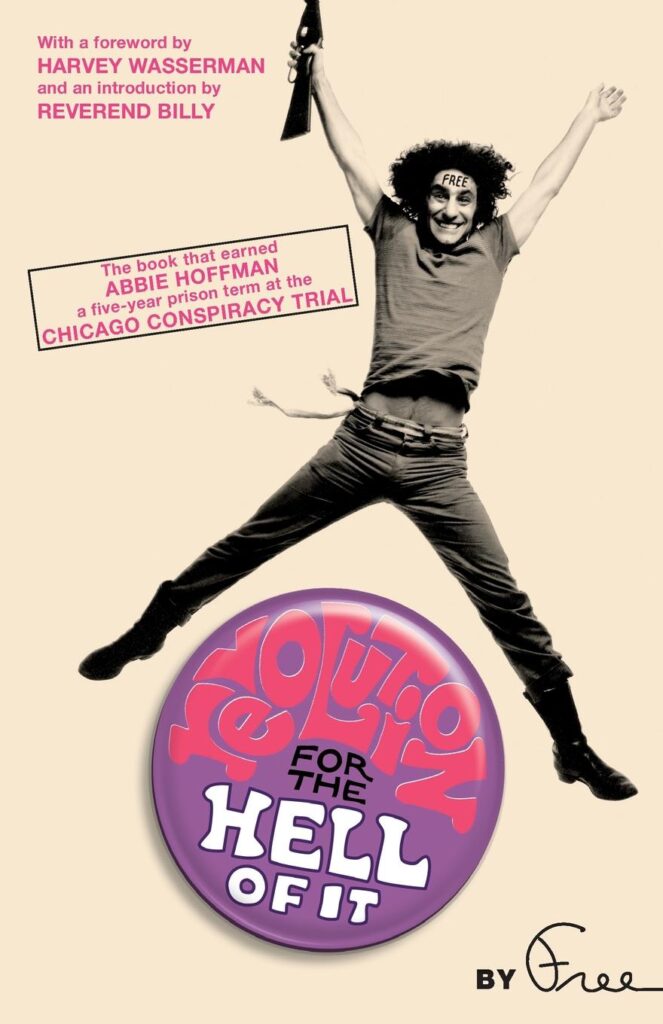
I really dig writing these little stories. I was born about 10 years too late to be a hippie, but I was fascinated by the counterculture of the Sixties when I was in college. I read books like “On the Road” by Jack Kerouac, “We Are Everywhere” by Jerry Rubin, “Howl” by Allen Ginsberg and a variety of others that dealt with beatniks, youth, existential angst, rebellion and revolution. I knew all about the Yippies and the 1968 Democratic Convention and the trial of the Chicago 7, and listened to Dylan, the Byrds and other artists that were big in the heyday of the 60s. I would grill my brother Rudy and sister Becky about their time spent in the Bay area back then, and was just fascinated by their accounts. Becky got to see Janis Joplin at the Avalon Ballroom in San Francisco and heard the Grateful Dead practice in a garage up the street from where she lived, and Rudy saw the Moody Blues when he lived in San Jose. Wow, man. How groovy is that? Becky later married a guy named Larry, and they were into antiques and leather sandals, and they smoked weed. They even had a stash of different flavored rolling papers. My brother Fred and I would go to their apartment and hang out with them, and we’d sneak into their stash of rolling papers and pop them in our mouths. I liked the banana flavored ones better than the chocolate ones, I must say. They were probably toxic. Oh well. The older I got the more I wanted to be a “hippie”, but I never felt like I fit in. Something about being gay and Chicano made me a tad too different, and like I said I was a little late in arriving. It’s okay. I found my own path eventually. Among all those books I read, I think this one had the biggest impact. It was just so “out there”, so bold and brash. Abbie Hoffman never sold out, but he did go underground. Bless his heart. After he came out from hiding, he wrote a couple more books, but it’s been many years now since his passing. Rest in peace, brother. Long live the revolution!

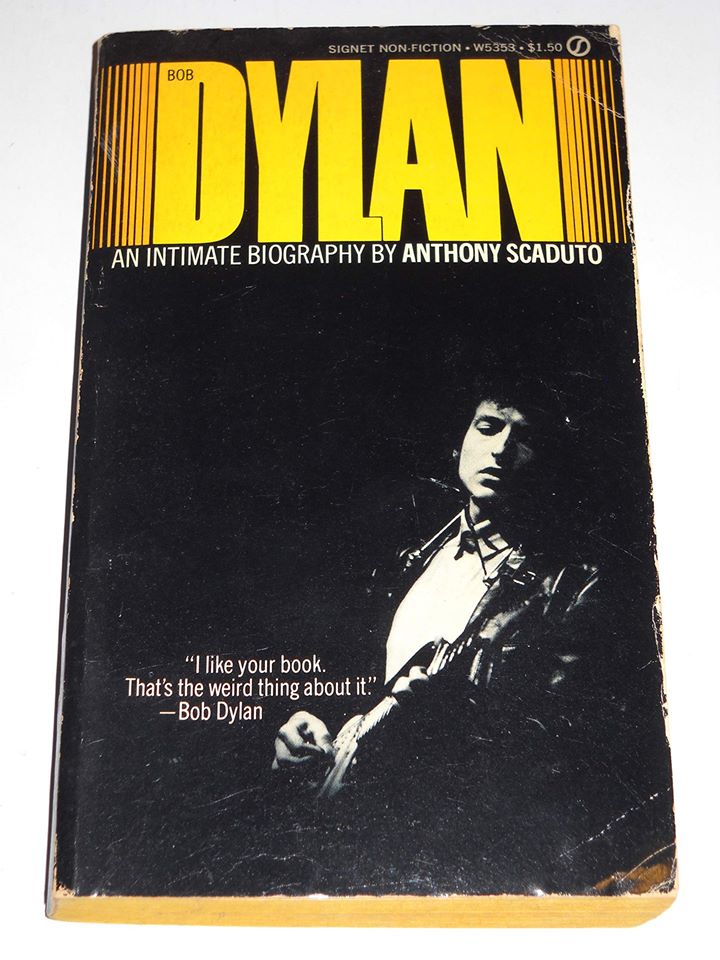
Given that today is Bob Dylan’s birthday, I think it’s only fitting that I highlight a book about him. The book I’m featuring today that had an impact on me is called Bob Dylan: An Intimate Biography, by Anthony Scaduto, originally published in 1971. I read this many years ago, and it was filled with lots of details about Dylan’s life and his music up to the end of the Sixties, mas o menos. There are many other Dylan biographies I have on my bookshelves, but this little paperback was one of the first I ever owned and is widely acclaimed to be one of the best ever written. I first heard Dylan in the mid-60s. My brother Rudy had his albums as did my sister and her hippie husband. I’ve been a huge fan too since high school, and was right there in the second row at the Tucson Community Center Music Hall in 1980 when he did his amazing Slow Train tour with those incredible gospel singers. They blew me away. Never had I heard such powerful voices live. I’ve seen Dylan several times, once at the McHale arena, a couple of times in Phoenix and even a time or two when I lived in Ann Arbor. I last saw him perform at the Desert Trip Festival in 2016. My dear friend Richard and I drove to Palm Springs to see him and the Rolling Stones. We had a blast. Dylan hasn’t stopped performing, and he’d be out on the road right now if it weren’t for this virus that has us all cooped up. A lot of people don’t like his voice. I think it’s one of the most expressive voices in all of music. I even enjoy his Sinatraesque albums. The Christmas album is a bit much, however, although one or two songs really do sound good. There’s a really funny video out on Youtube of one of those songs.

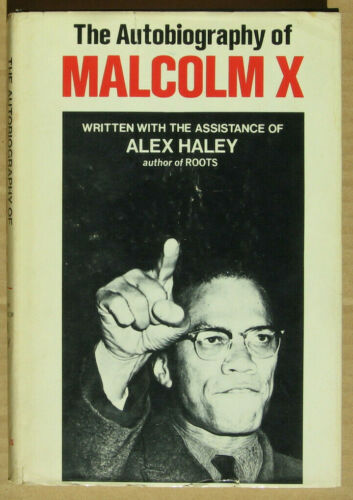
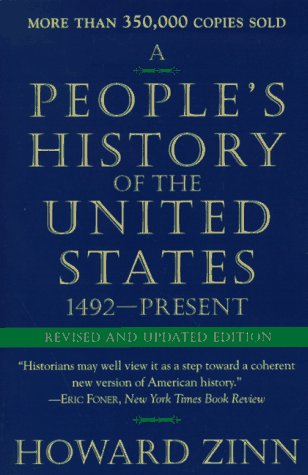
Here’s my book of the day. Further fuel for a fire that has yet to be extinguished. I read it in college, but not sure which year. I do know it was way before the movie came out. It just confirmed my beliefs that I had already developed by that point that we needed deep structural social change in this country. A revolution, you might say.

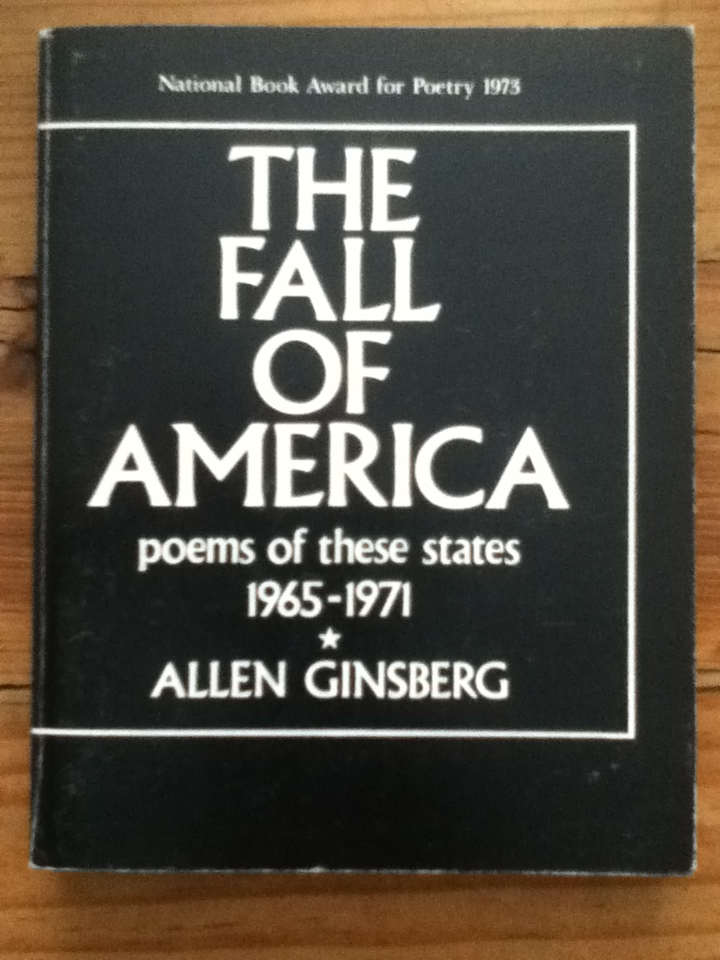
Here’s my book of the day. Allen Ginsberg’s poetry was fun to read when I was in college. Some of his poems were weird, and there were others I didn’t understand. But the ones I did get, I understood real good! Ha ha ha ha ha.

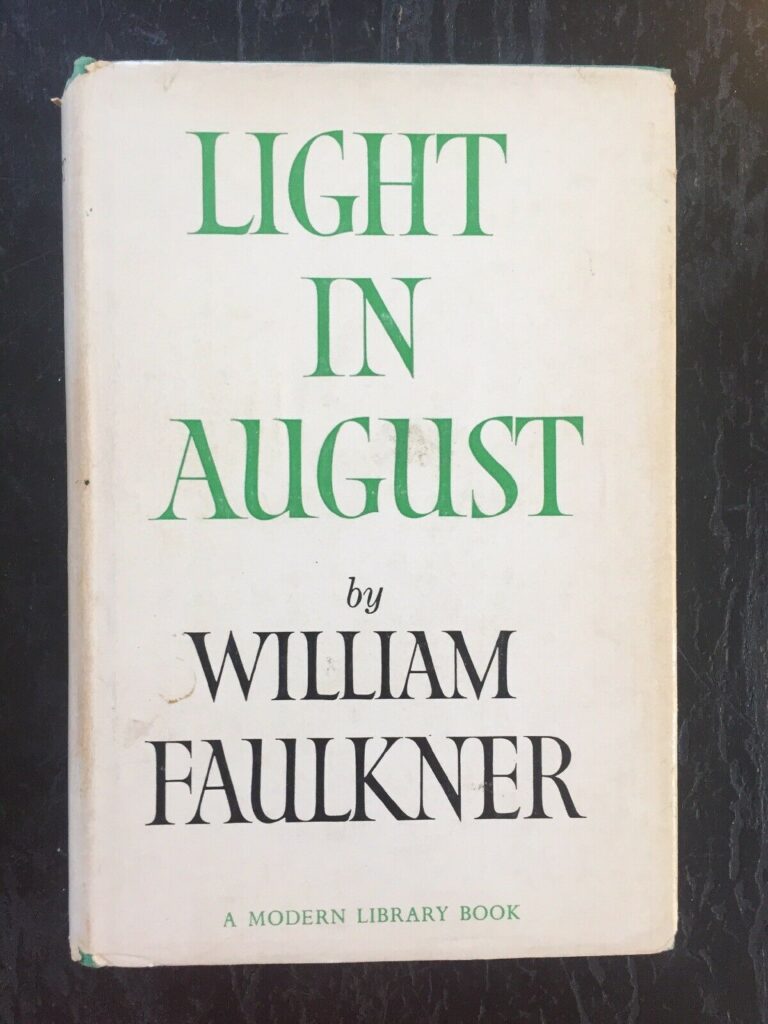
I read this in college. It’s what I consider one of those thick, epic novels that has a variety of characters and sub-plots, and one that you have to read carefully so that you don’t get lost. Faulkner is one of the great ones, in my humble opinion. I enjoyed this book, even though it was required reading.

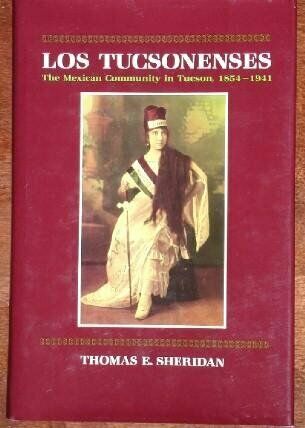
My book of the day. Ruben and I bought our first home in 1995. It was on 10th Avenue just a block south of Speedway, in the Dunbar Spring neighborhood. One day, I was standing in our back yard looking towards the alley, and had this weird feeling. The ground had all these mounds, it seems. They weren’t prominent, but I swear, it seemed to me to be like a graveyard. Then one day, as I was reading this book, I saw a map of one of Tucson’s former cemeteries, and sure enough, I was living right smack dab in the middle of it. It had indeed been a former graveyard. I did some further research on the cemetery and learned that the bodies were supposed to have been moved to Holy Hope sometime around the turn of the century, but in many cases, only the gravestones were moved. I found articles from the newspaper confirming this. When Speedway was widened, for example, a lot of bones were found. It was creepy, to say the least. I made a vow never to disturb the ground if possible. We later moved….

Book of the day… about figuring out who you are. It’s a mess of a book. I read it a long time ago.

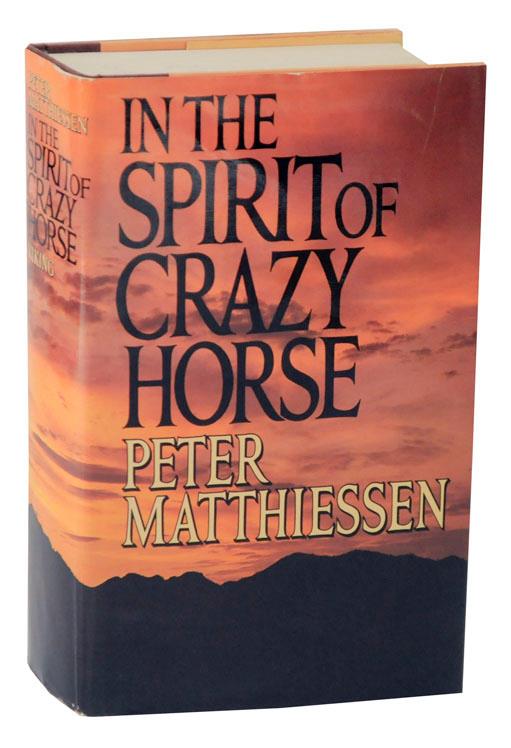
Here’s my book of the day. I graduated from the UofA in 1982, with a liberal arts degree. I majored in psychology and minored in sociology. By the time I had graduated, I had lost interest in psychology and my real passion became sociology, specifically the study of social movements, so I applied to the graduate program at the UofA and was accepted. At the time, I had also joined Teatro Libertad and was learning about radio programming, and working too. I wasn’t a very dedicated graduate student at that point, I must admit, but I did write a research proposal on the American Indian Movement, and while I really missed the mark (research proposal, what’s that?), I loved doing the reading and the writing. I didn’t last long in the grad program, and I drifted for a year or two, until I got serious and entered Library School in 1985. I wouldn’t have made a very good academic. All that number crunching. Yuck. This book was one of a handful that chronicled the American Indian Movement. I still have it.

My book of the day…

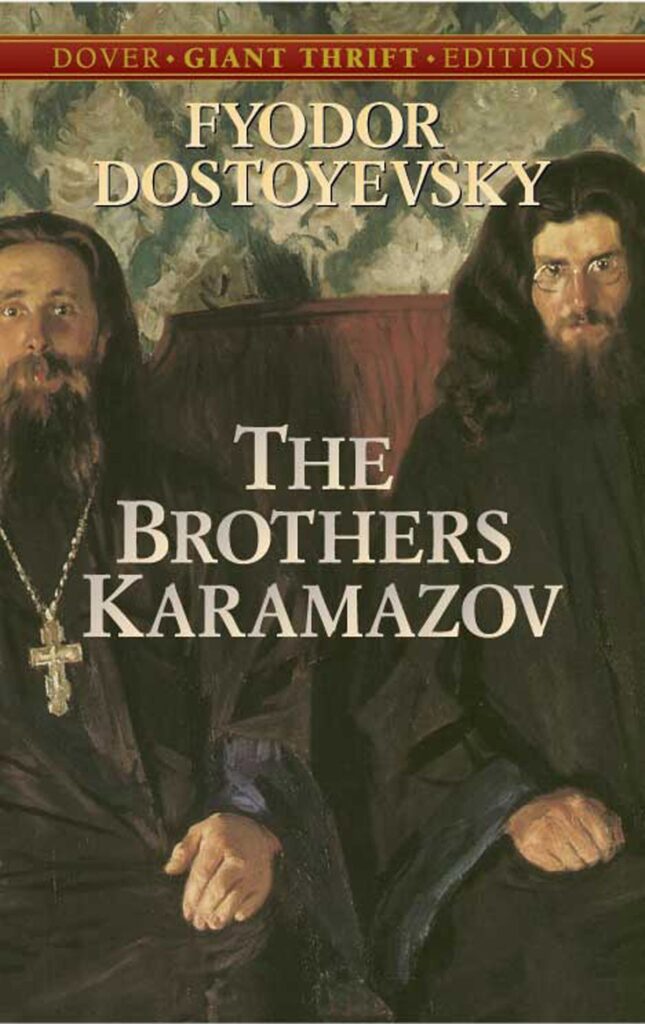
Book of the day. This one is also complicated and long, but I loved reading it. I read a lot of Dostoyevsky in college. This one wasn’t required, however. The movie is good too.

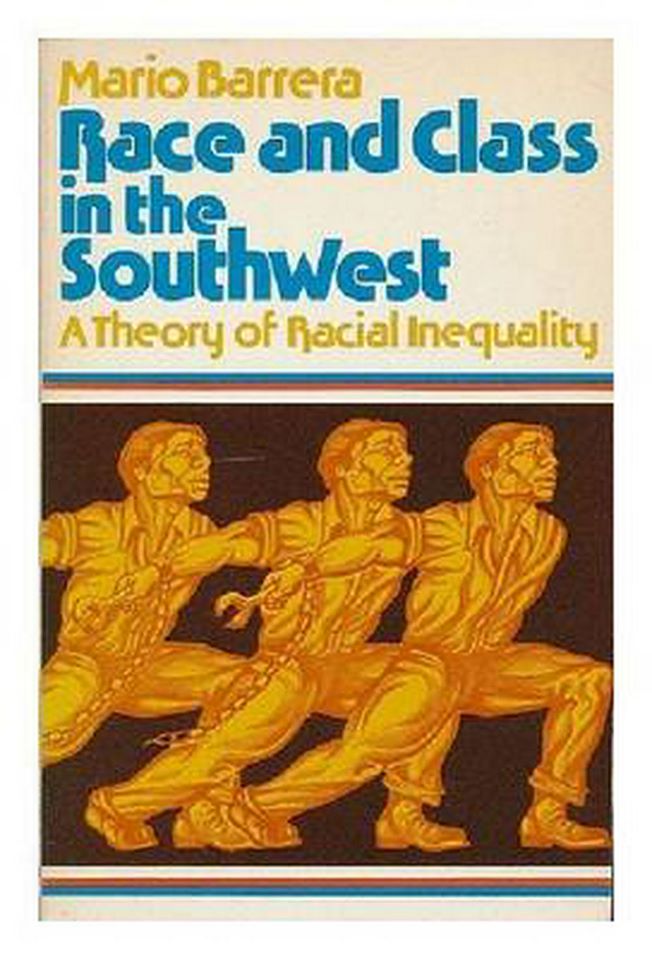
My book of the day. I read this in college. It deals with political and sociological theory, but is very readable. The theoretical model it focuses on is called “Internal colonialism”, which according to one source is “the uneven effects of economic development on a regional basis, otherwise known as “uneven development” as a result of the exploitation of minority groups within a wider society and leading to political and economic inequalities between regions within a state”.

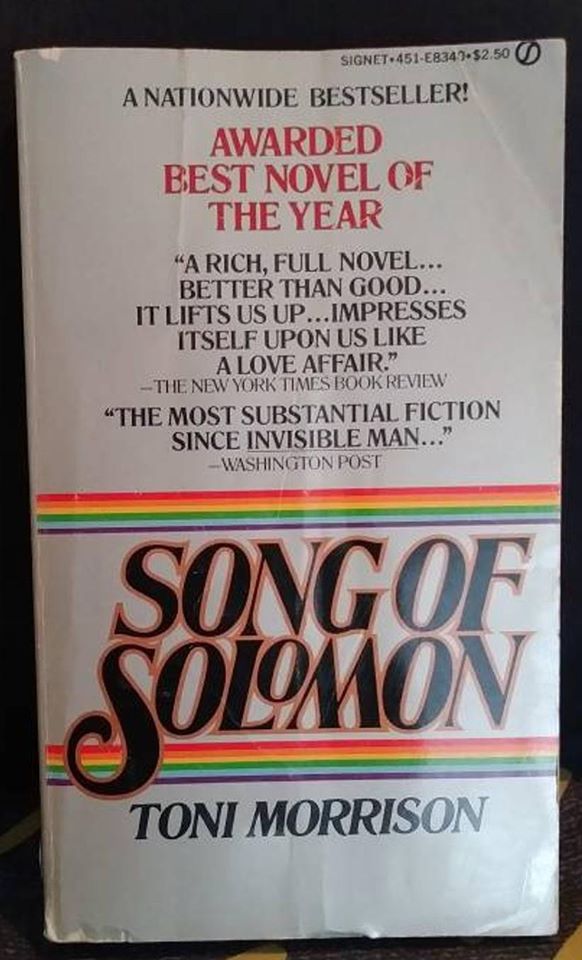
Here’s my book of the day. I have read this one and Tar Baby. I still have a couple more of hers I want to read, including Beloved and The Bluest Eye. Has anyone else read these?

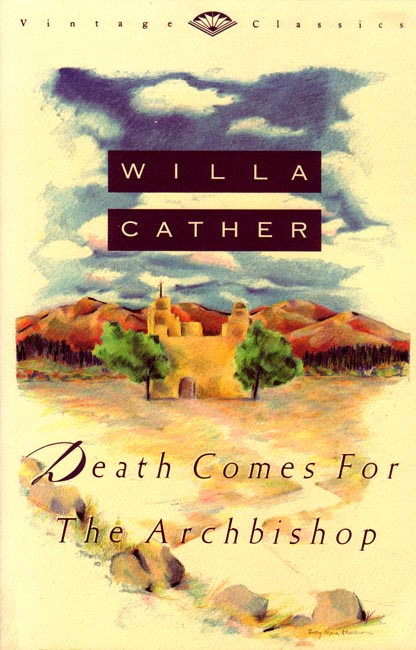
Richard loved New Mexico. He and Emily would take Luz every year to the Hatch chili festival, and they often spent their summer vacations up in the Taos area. I bring that up because New Mexico is the setting for this book by Willa Cather. Richard told me that he really liked this book once after I had mentioned to him that I loved reading Willa Cather.

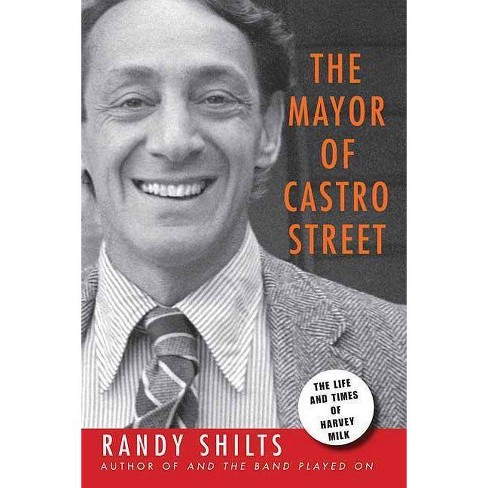
My book of the day. This one made me cry. I remember going to San Francisco back in 1978, when I was 19 and Harvey Milk was in office. I took a greyhound bus there, and stayed with my aunt and uncle in South San Francisco. My cousin Susie showed me around, and we even got to go to a few concerts. I remember seeing Joan Baez at the Stanford Amphitheatre, Rufus and Chaka Khan at the Circle Star Theatre, and Jean Luc Ponty at an auditorium in Berkeley. During the day, I’d catch a bus into the city. I visited Polk Street and got hit up by a couple of very handsome Moonies in Fisherman’s Wharf, and went shopping for books in some of the best used bookstores and thrift stores I’ve ever been in. The legal drinking age was 21, so I didn’t get to go bar hopping, unfortunately. It was a fun trip nevertheless, although my encounter with the Moonies was a close call. They invited me to dinner, but my cousin talked me out of it, warning me about all the crazies there were in the city. Thank God. I didn’t know they were Moonies until later when People Magazine ran a story about them. Included in the article was a photo of a Victorian mansion that the Moonies passed around to people who they were trying to recruit. I recognized it immediately, as I was given one exactly like it by these two guys. A few months later, Harvey Milk was assassinated. The city burst into flames that night. He was a real leader. Fuck. Why do they all have to die?

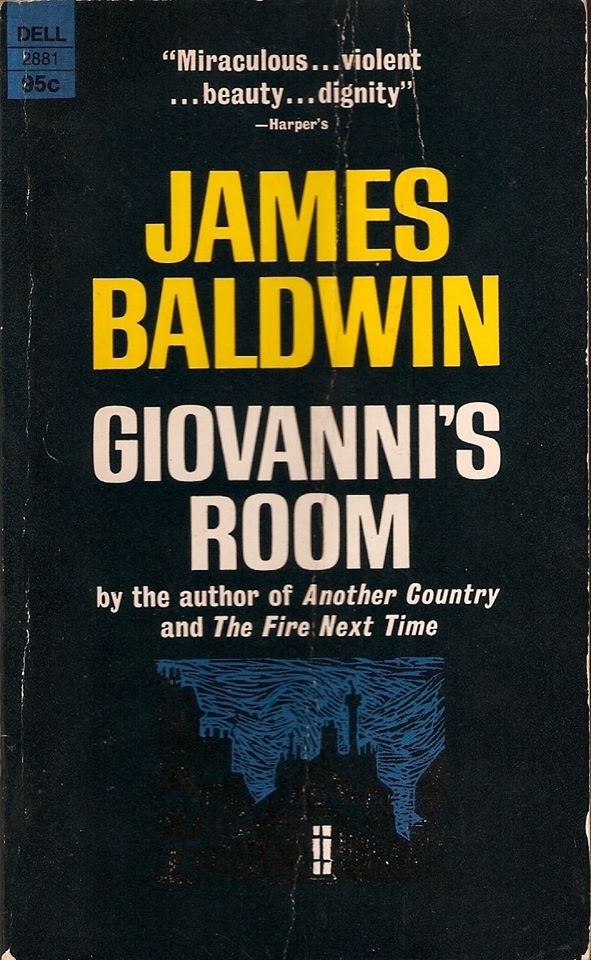
Here’s my book of the day. James Baldwin was a badass, and wrote about being gay at a time when there were very few others doing so. There’s a film clip of him on Youtube that shows him debating William F. Buckley Jr. and he just tears it up. I added the link in the comments section. I read this work and Another Country years ago, plus many of his non-fiction works. He’s one of my favorite writers.

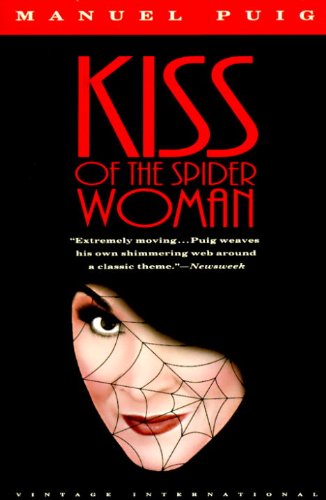
My book of the day. The movie was just as good. It starred John Hurt and Raul Julia. This is one of a handful of works by Latin American authors that have struck a chord with me over the years. I’ll be covering those in subsequent posts.

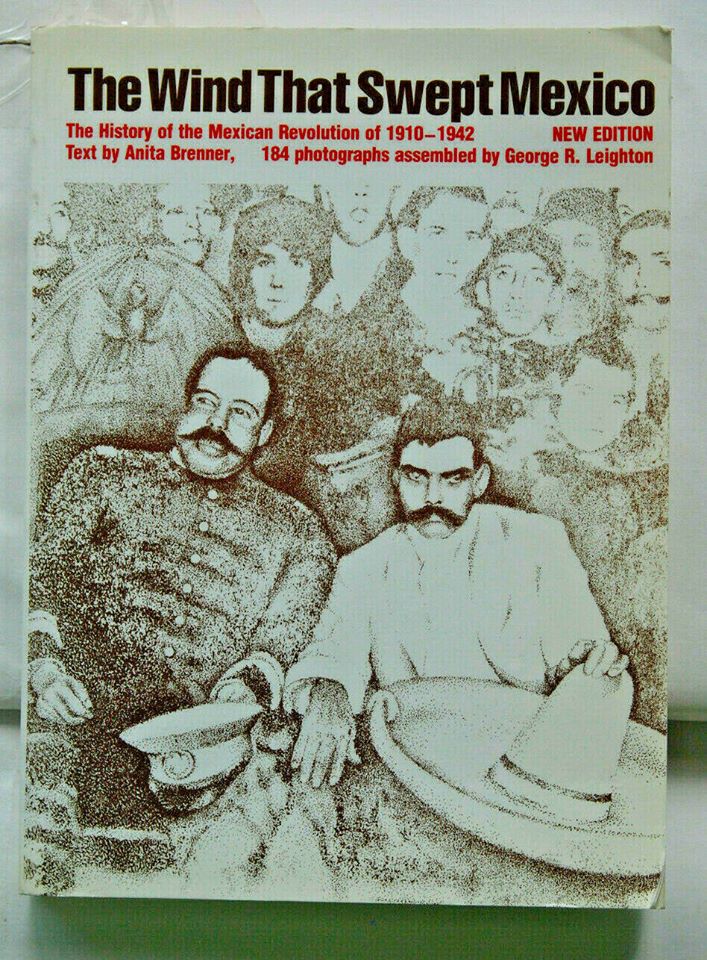
I bought this in high school. It’s a book of photographs taken during the revolutionary era in Mexico. The photos are magnificent.