prepared by Bob Diaz for: Professor Reid Gomez’s class titled, “Gender, Identity and Power” (GWS 200-001), March 17 and 24, 2026.
Introduction:
“In his classic essay, “Deconstructing the Map”(Cartographica v. 26, no.2 Spring 1989), Professor J. B. Harley argued that despite claims to objectivity and pure science, cartography always has a hidden agenda. “Sometimes agents of change, [maps] can equally become conservative documents. But in either case, the map is never neutral.” Though map consumers and even mapmakers themselves seldom realize it, Harley observed, maps reflect social hierarchies and cultural norms. Every map was made by someone who decided what to include, omit, or prioritize; those editorial choices were consciously or subconsciously influenced by social conditioning”— Michael Taylor, curator of books, Louisiana State University Library.
As we proceed with today’s class and exercises, please keep this statement in mind. When we wrap up today, we’ll come back to it and discuss it again.
About the UA Libraries and Special Collections:
The University of Arizona Library opened early on in the life of the university, in the early 1880s. The current library system currently consists of:
- the Main Library
- The Health Sciences Library
- The Albert B. Weaver Science-Engineering Library
- Special Collections
The UA catalog can be found here: https://lib.arizona.edu/
About Special Collections page: https://lib.arizona.edu/special-collections
How to use Special Collections https://lib.arizona.edu/special-collections/about/how-to-use
When you visit Special Collections:
- It’s critical to do your homework before you visit. Use our catalog and archives indexes to find materials in our collections.
- Be prepared to present a list of materials (preferably with call numbers or AZ / MS numbers) to the desk staff.
- If you do need assistance finding materials, we will gladly help you.
- you will be asked to wash your hands,
- you will be asked to put away your belongings etc.
- We will share our other guidelines with you at point of need.
- You may use your phone for photos and your laptop while working.
Special Collections: who, what, when, where, how and why?
Who: Librarians, archivists, and digitization specialists
We work together to:
- acquire and preserve rare books, photographs and other materials.
- acquire manuscript collections.
- process collections for public use.
We serve the public by providing:
- both digital and physical access to materials,
- reference service
- instruction
- exhibitions and public programming.
- reading room hours from 9am to 4pm throughout the year.
Preserving rare and unique materials and making them available to the public adds to the cultural wealth of a community or region. This material is the stuff of history, and is available to anyone for viewing and studying.
Our strengths.
Here are some of our areas of focus:
- US Mexico-Borderlands, including Arizona History.
- Literature
- History
- Mining
- Ranching
- Congressional papers
- History of the University of Arizona
Unique and popular archival collections:
- Teatro Libertad Collection
- Tucson Council for Civic Unity Records
- Charles Bukowski papers
- Josias T. Joesler papers
- Records of the Tucson Meet Yourself Festival
- Morris K. Udall Papers
- Arizona Queer Archives
For access to our manuscript and archives collections, you must use an index to find collection guides for these materials. The UA Library online catalog does not cover the vast majority of manuscript collections.
Here are the two main indexes:
- Arizona Archives Online, http://azarchivesonline.org/xtf/search
- Archivesspace https://archives.library.arizona.edu/
Arizona Archives Online is easier to use and indexes a variety of repositories in Arizona, but what you find in Archivesspace is sometimes more up-to-date.
How do I search for maps?
Maps can be found using the UA catalog.
Use library search to find maps.
- Type your keywords in the search box.
- Under “Material Type,” select “Maps.
- Select Apply Filters at the bottom of the page.
Include keywords for both the geographic region and the type of map (e.g. topographic map, geologic map, road map) you need.
Examples:
- Mexico vegetation maps
- Arizona physical maps
- New Mexico topographic maps
- Pima County remote sensing maps
Basic Map literacy:
Maps are symbolic, scaled-down, flat representations of geographic areas, featuring essential elements like titles, legends, scales, and compass roses to aid interpretation. Key types include political (boundaries), physical (terrain), and thematic (specific data) maps. They are crucial for navigation, measuring distance, and visualizing spatial data.
Essential Map Components to Know
- Map Title: Tells you exactly what area or subject the map is showing.
- Legend/Key: Decodes symbols, colors, and lines used on the map.
- Scale: Indicates the relationship between distance on the map and actual distance on the ground (e.g., 1 inch = 1 mile).
- Compass Rose/North Arrow: Shows orientation (North, South, East, West).
- Grid System (Latitude/Longitude): Imaginary lines that help pinpoint exact locations.
- Labels: Identify locations, cities, and physical features.
Main Types of Maps
- Physical Maps: Highlight natural features like mountains, rivers, and oceans.
- Political Maps: Show man-made features such as borders, cities, and states.
- Thematic Maps: Focus on a specific theme, such as climate, population density, or economic activity.
- Topographic Maps: Detailed, scale-model representations of terrain elevation.
Class exercise.
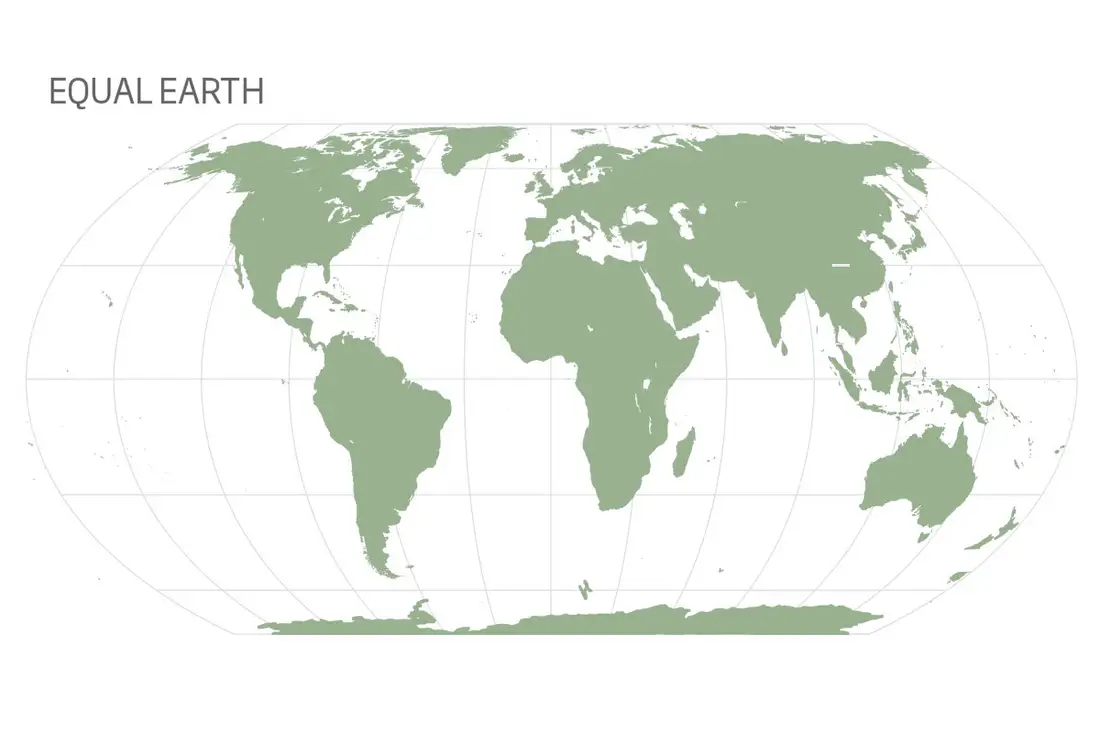
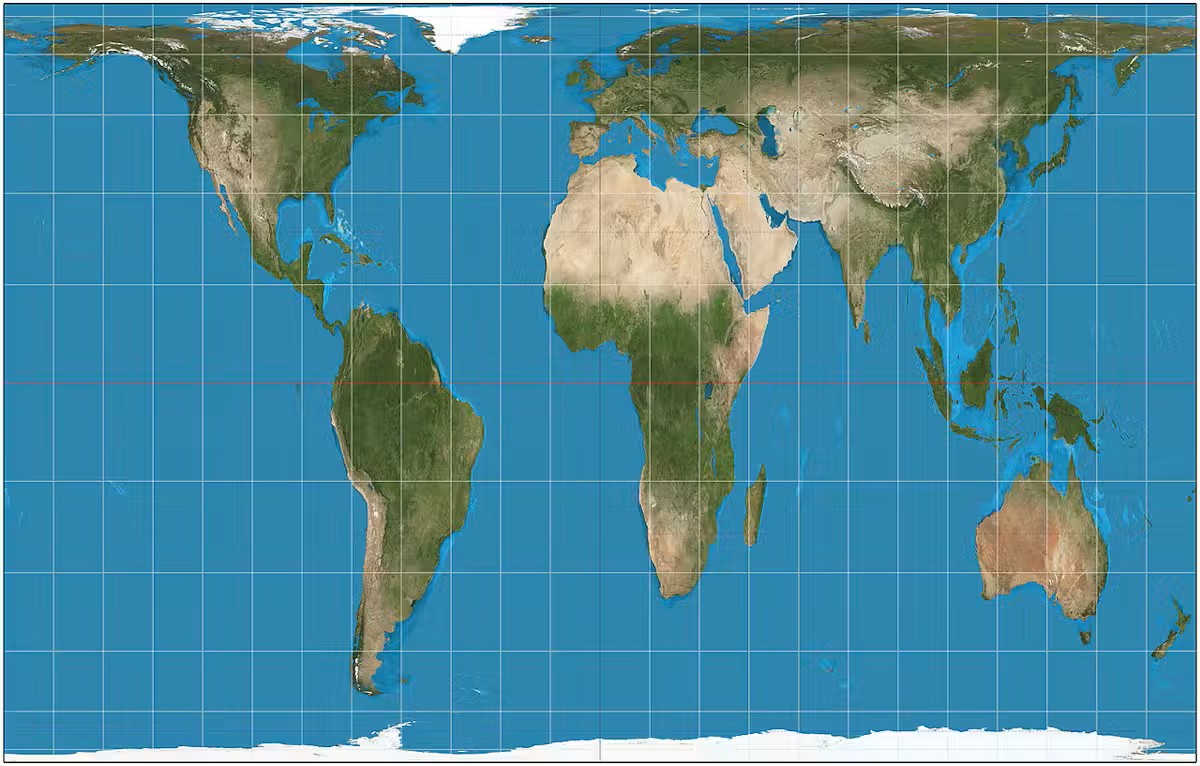
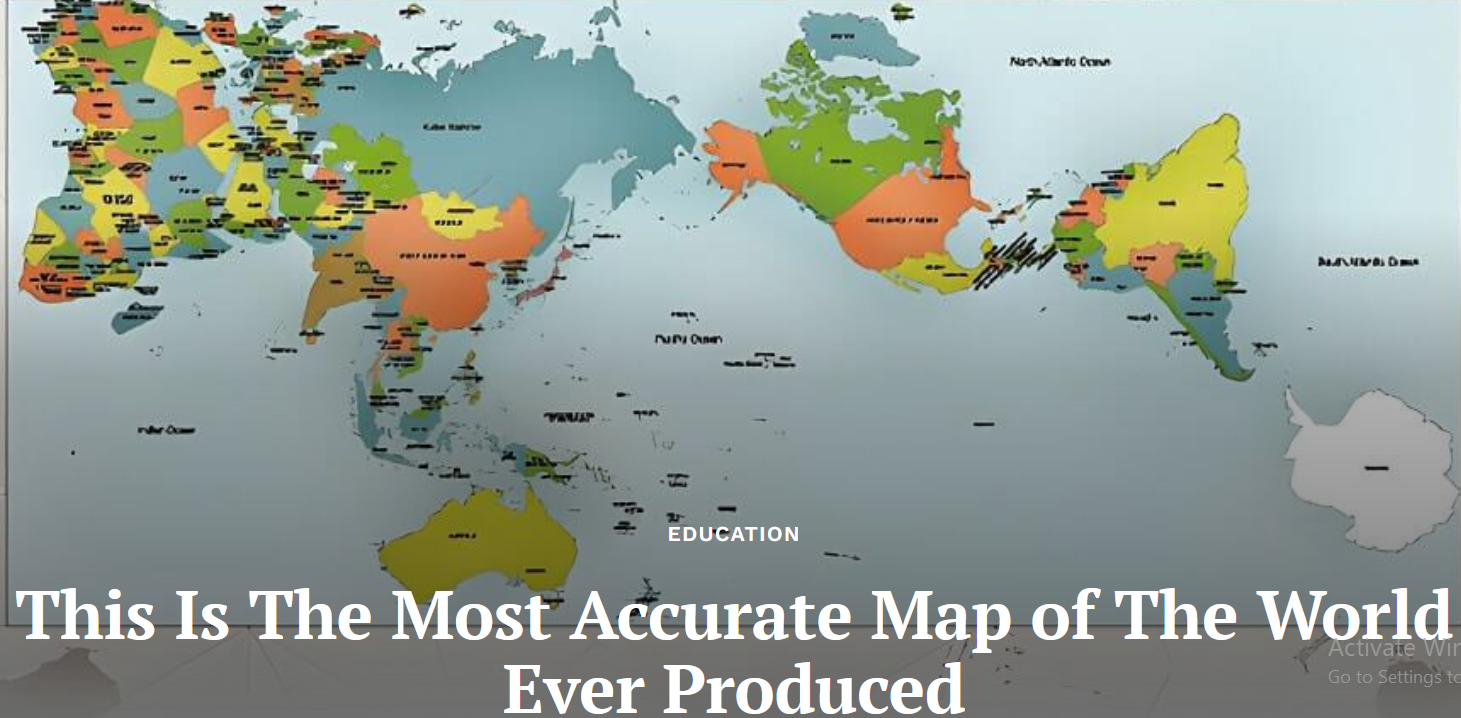
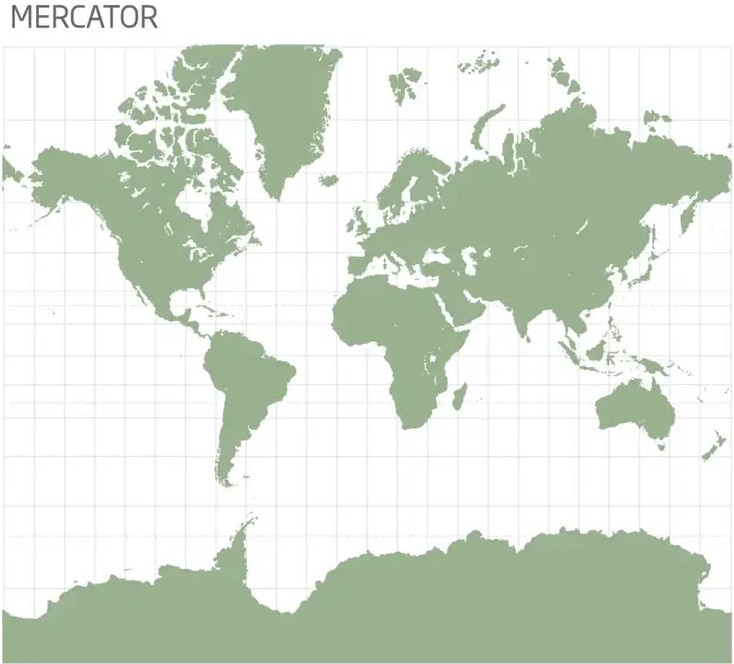
Pick two to three maps and an atlas and compare and contrast them. Note down the pertinent information about the map using the above definitions. What is unique about each map? Think about the statement made at the beginning of the class. Were there any issues that arose for you related to map making and issues of power and privilege?
Online Map Collections
- Library of Congress, American Memory Project — https://www.loc.gov/maps/collections/
- David Rumsey Collection — http://www.davidrumsey.com/
- American Geographical Society Online Maps and Photos — https://uwm.edu/lib-collections/agsl-digital-map-collection/
- New York Public Library Map Collection — https://digitalcollections.nypl.org/collections/lane/maps-atlases
- Sanborn Fire Insurance Maps — https://www.loc.gov/collections/sanborn-maps/about-this-collection/
- University of Texas Austin Map Collection Historical Maps — https://www.lib.utexas.edu/maps/historical/
Addendum: How Google addresses map controversies today….
Google addresses mapping controversies by localizing disputed borders and place names, displaying different versions based on the user’s location to comply with local laws and viewpoints. The company relies on authoritative sources like the UN and government data for accuracy but, in cases of intense debate or “real-time abuse,” may disable user reviews and contributions.
Key ways Google handles mapping controversies include:
- Location-Based Borders: Disputed regions like Kashmir are displayed with dotted lines (neutral) or solid lines (national claim) depending on whether the user is searching from Pakistan or India. Similarly, Crimea was shown differently to Russian users than the rest of the world, notes The Times of India.
- Data Sourcing and Updates: Google often adopts authoritative, though contested, standards. For instance, updating the “Gulf of Mexico” to “Gulf of America” for U.S. users was based on the GNIS database update, according to a Forbes article.
- Disputed Region Team: Google employs a dedicated team to manage controversial border disputes and sensitive geographical naming issues, say The Washington Post.
- Blocking Contentious Areas: Following controversies, such as naming disputes or influxes of “off-topic” reviews, Google may temporarily disable reviews for specific locations, notes the BBC.
- Compliance with Local Laws: In countries like China, Google aligns its maps with local government perspectives to maintain service availability, according to a Reddit post.